
Garden Shed Office Desk Placement: Daylight, Glare and Video Calls
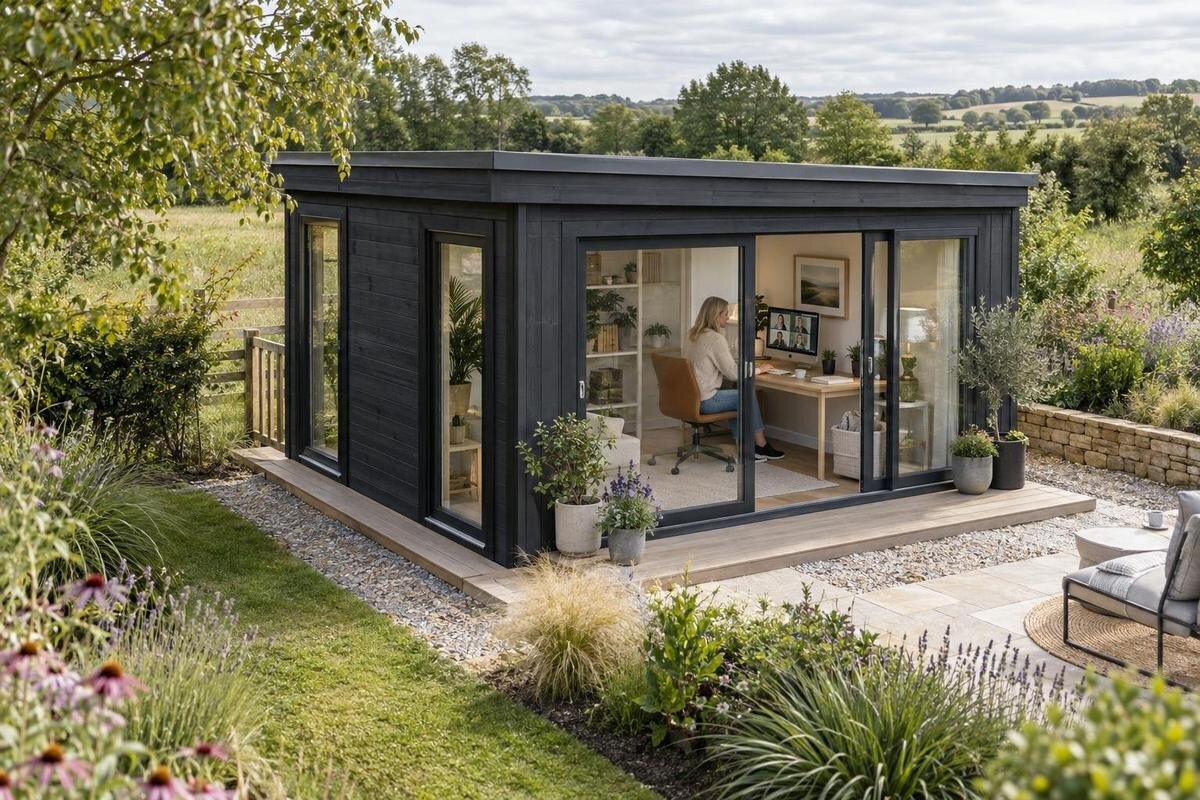
Garden shed office planning
Desk placement in a garden shed office affects more than how the room looks. Window position changes the daylight at the work surface, a screen can reflect bright glass or sky, and the same window may create a distracting video-call background. A position that seems ideal at midday can look different in the morning, on a cloudy day or in another season. Before choosing a garden shed or ordering furniture, map the openings, test likely desk positions and measure the space you can actually use. The steps below connect those observations to the details worth checking before you buy.
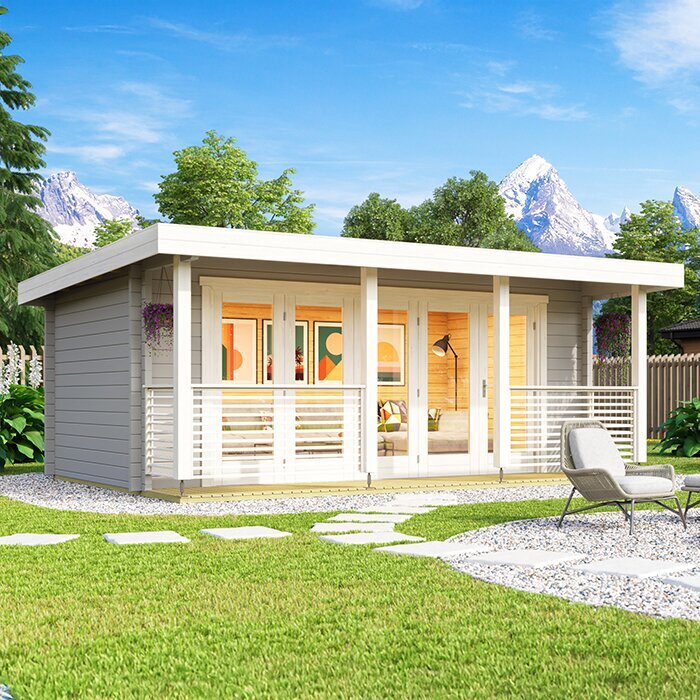
Start with the work the desk must support
Before drawing a floor plan, write down what the desk must support. A laptop used for occasional email needs a different arrangement from a full-time setup with a separate monitor, keyboard, camera, headset and paperwork. Note which items will stay on the desk, which can be stored, and whether video calls are daily or occasional. Include anything you need within reach during calls, such as notes or a second device. This turns “enough room” into a practical list rather than a guess based on a product photo, and makes the desk’s required width, depth and nearby storage easier to compare across garden sheds.
Decide whether one person will use the desk for a fixed task or whether it must switch between writing, computer work and calls. Leave a clear patch for handwriting rather than filling the surface with a monitor and accessories. If you use a laptop with a separate display, sketch both and note where the camera will sit. Include what you need close by during a call, such as a headset or notes, and consider whether that storage belongs beside the desk or elsewhere. This early inventory helps you compare desk sizes without committing to every furnishing before you have selected the room.
Track daylight through the workday
Before choosing a wall, map the openings from inside the shed. Mark each window on a simple plan, then note where direct sun reaches the floor or walls and whether a tree, fence or neighbouring building changes the light. The brightest patch is not automatically the best desk location: a screen may catch reflections there, and the light can shift. If you have not selected a garden shed yet, use the actual surroundings at your property as well as verified product information. A catalogue image cannot show every tree, nearby structure or shade pattern at your site.
Observe at the hours you expect to work—morning, midday or late afternoon, as relevant—and repeat the check on both a bright and a cloudy day. Sun angle and daylight duration change through the year, so one pleasant visit is only a snapshot. Note which window is bright at a particular time or when sunlight reaches the likely screen wall; those observations are more useful than a vague impression of “lots of light.” If you can revisit in another season, do so. Otherwise, leave room to adjust the desk or control the light later.
Keep window reflections off the screen
A useful first test is to place the desk so a window falls to the side of the monitor rather than directly in front of or behind it. Side light can brighten the work surface while making a direct reflection less likely, although the result depends on the glass, screen angle and time of day. There is no compass direction that guarantees a good position; the window’s location and the sun’s path matter more than a rule of thumb. When you compare the Verdana 1 garden house, use its current listed dimensions and opening details, if provided, to plot a desk rather than inferring them from the model name.
Test with the monitor roughly where you expect to use it instead of judging from a room photograph. Look for reflections of the window, bright sky and pale surfaces, then rotate the display slightly or move the desk a short distance and compare. Check at more than one time, since changing sunlight can make an acceptable morning arrangement distracting later. A small adjustment may preserve useful daylight, while covering a window can darken the whole room. If you use a second display, check that one too; its position may create a reflection the main screen does not.
Give the camera balanced light
A camera view that looks balanced to you in the room can still appear differently on screen. If a bright window is directly behind you, the camera may expose for the outdoor light and leave your face looking dark; the window can also dominate the frame. Try arranging the desk so daylight reaches your face from the front or side, rather than putting a very bright opening in the background. This is a starting point, not a fixed rule. A suitable window covering or a different camera angle may change the result, so check the view in the room you plan to use.
Open the camera preview at the height and distance you expect, then check the frame from your usual seated position. Look for brightness as well as what appears behind you, such as a visible doorway or piled supplies; simplifying the background need not turn the room into a studio. Test with any task or overhead light you expect to use, because mixed light can alter the image. If you compare the Verdana 2 garden house, use any opening and dimension details on its current page to assess the camera direction; the product name alone cannot predict the view.
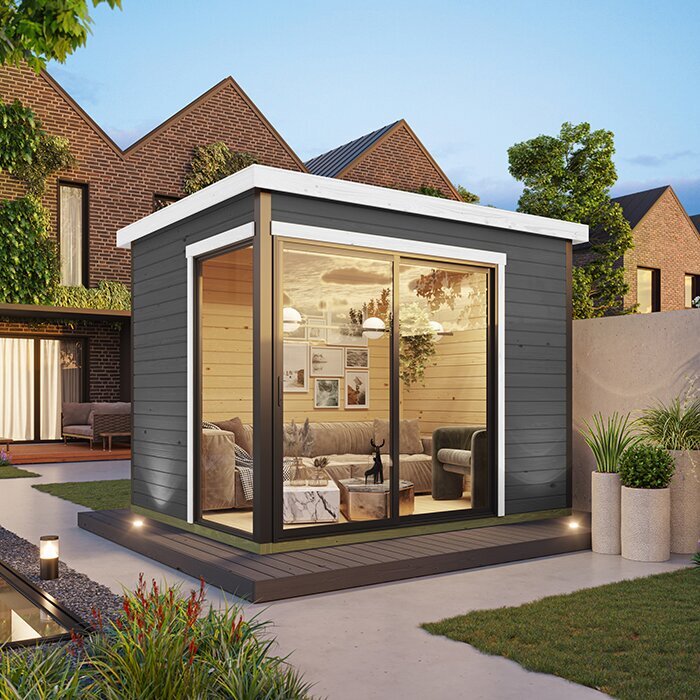
Keep the workstation clear of openings and routes
Door and window operation matters to desk placement even when your main concern is daylight. A desk should not block the route in or force you to squeeze past a chair each time you enter. Mark the path from the entrance to the desk and any storage, and account for the opening arc or sliding path shown for the chosen layout. Keep a window accessible if you expect to adjust a covering or open it; avoid putting equipment where a sash, handle or door could collide with it. In a compact room, a small change in position can affect both access and the camera view.
On a plan, draw the desk, chair and door at their expected sizes, then show the chair pulled out and each door in its open position. Leave a continuous route rather than making the chair an obstacle. The aim is to keep the workstation clear of space needed to enter, leave or reach a window, not to plan every part of the interior. Before comparing the Durano garden house with your requirements, check its verified floor dimensions and opening positions against this route sketch. Do not assume the layout from the product name or a staged image.
Measure the usable floor area
Product photos can make a room appear more spacious than it feels at desk height. Compare the actual interior dimensions supplied for a garden shed, not only its outer footprint, and check where walls, corners or openings affect the clear floor area. When measurements are not clear, ask the seller rather than estimating from a photograph. Note available wall lengths as well as the floor area: a desk may fit on the floor but leave no sensible position for the screen, cables or a lamp. A measured drawing helps prevent a broad footprint from being mistaken for a practical office layout.
Measure the desk itself, including any projecting monitor stand or cable tray, then allow room for the chair to move back and for you to sit down and stand up. If you use a footrest, file drawer or side table, mark its footprint too. You do not need to choose every accessory before buying the shed, but you do need a realistic outline of the items that must stay. Use current measurements for the Veltor garden house as a comparison only where they are provided, and ask about missing dimensions before treating a plan as workable.
Plan for controllable light
Daylight is easier to work with when you can soften or reduce it as conditions change. Before ordering, consider whether a blind, curtain or other suitable covering can be used at the openings you expect to control, and whether it will affect the view, camera background or access. Do not assume a product photo shows the exact window treatment included with a garden shed. Confirm what is included and what would need to be sourced separately. A temporary covering can help you test the idea before you choose a permanent option, especially if the window also provides a useful view.
Plan a separate light source for cloudy days and late work hours, choosing its position alongside the monitor and camera. A lamp aimed at the screen can create another reflection, while a bright source directly behind you may complicate the video image. Try a task light from the side and check both the desktop and camera preview; the best spot for reading or writing may not suit a call. For the Orello 1 garden house, check the current product information for details relevant to your plan and ask about anything it does not specify. A name or image cannot confirm that a covering or other accessory is included.
Compare garden houses using a desk plan
Use the same worksheet when comparing garden houses. Record verified interior width and depth, the wall positions of windows and doors, and any opening details the seller provides. Add the desk outline, chair clearance, camera sightline and direction of useful daylight. This separates questions that measurements can answer from preferences that need an on-site light test. It also makes trade-offs easier to see: the brightest wall might leave too little room for the chair, while a more sheltered desk position may call for a flexible lamp or screen angle. Use the same assumptions for each option so the comparison stays fair.
Compare layout information, not just staged photographs or descriptive names. A room image can suggest that a desk will fit without showing its actual size, and a model name cannot establish where openings are placed. Review the Modano garden house alongside your own plan, using only the dimensions and layout details confirmed in its current listing. If a window location, usable interior measurement or included item is not stated, ask before ordering. A clear answer can prevent a desk plan from depending on an assumption and help you decide whether the available information is enough to choose.
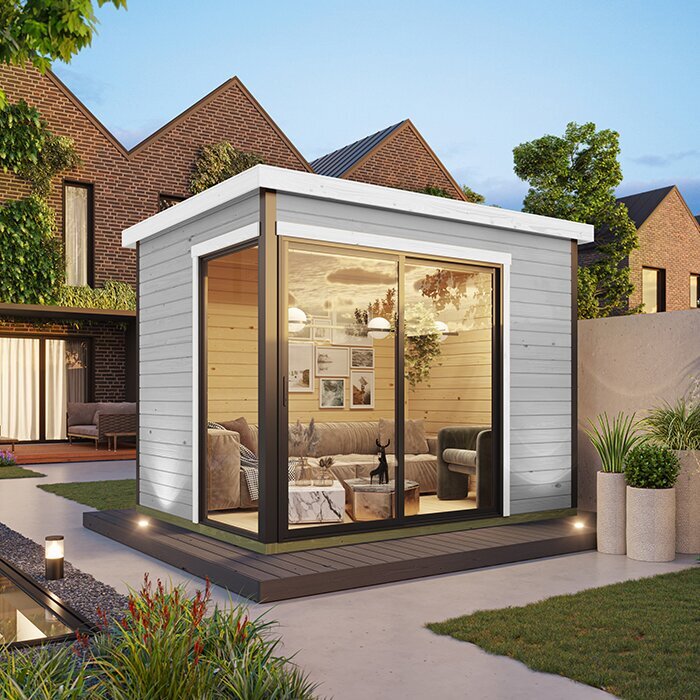
Confirm office-related details before ordering
A desk sketch cannot answer every question about a garden shed. Read the product information and ask the seller about intended use, what is included, and what site preparation or assembly is expected. Check exact dimensions and door and window arrangements, along with any information relevant to your planned use. Do not infer year-round office suitability from the fact that a building is called a garden house. If an important requirement is not addressed, get a clear answer before ordering rather than trying to resolve it after the furniture arrives. This is also a good time to confirm which details are documented and which remain uncertain.
If you expect power, internet equipment or a particular level of comfort, list those requirements separately and ask the supplier or an appropriately qualified professional what needs to be planned. Do not treat a product image as evidence that a service is available or that your setup will work. Check delivery access too: measure the route from the property entrance to the installation area and confirm any handling requirements with the seller. Assess the wooden garden shed M listing from its current written details, and settle unanswered questions before ordering rather than treating the product name as a guarantee of office suitability.
Mock up the layout before fixing the desk position
Before settling on a permanent position, make a full-size mock-up. Use masking tape to mark the desk corners, pull the chair out and stand where you would enter; a cardboard outline can help if you have not chosen the furniture. Place a screen or its outline at the intended height, then check reflections and the camera frame from the seated position. Repeat the exercise when the relevant window is bright and when the light is softer. This practical test can reveal a glare patch, obstructed route or awkward camera background that a scale drawing alone cannot show.
Treat the first layout as adjustable, particularly if you have not observed the space through all seasons. Keep the monitor, chair and task light easy to move while you test a small change, before adding storage or decor around them. Once the structure and desk are selected, compare the actual space with your notes instead of assuming a staged picture represents your room. Use the wooden garden shed S product page as another candidate only after checking its current usable dimensions and listed details; do not read those facts into the model name. The best placement is the one that works in your space during your working hours.
Frequently asked questions
Should a garden shed office desk face a window?
Not necessarily. Facing a window may brighten your face on camera, but it can also put bright light in the frame or create screen reflections. Try a side-lit position and check both the monitor and camera preview at the hours you work.
How can I test for screen glare before ordering?
Place a monitor or a temporary screen mock-up where you expect to work, then check it at different times of day. Look for reflections of the window, sky and pale surfaces, and try a small change in the screen angle or desk position.
How do I keep a bright window from affecting video calls?
Avoid placing a very bright window directly behind you if it overwhelms the camera image. Try daylight from the front or side, then check the camera preview from your usual seated position. A suitable covering or a different angle may help.
What measurements matter for a garden shed office desk?
Check the usable interior width and depth, the positions of windows and doors, and the desk’s own dimensions. Include room for the chair to move and for a clear route to the entrance; do not estimate these from a staged photo.
Can I assume a garden shed will work as an office?
No. A product name or garden-shed category does not establish suitability for your intended use. Check the current listing, ask the seller about missing details and consult an appropriately qualified professional about any site or service requirements.
A good garden shed office desk position brings three checks together: the daylight that reaches the work surface, reflections on the screen and what the camera sees. A measured plan rules out cramped positions; a real-time test shows whether the light works beyond a catalogue image. Compare garden sheds using verified dimensions and opening information, then keep the desk position adjustable until you have tested it during your normal work hours. That gives you a more reliable basis for buying and setting up the space without relying on product names or staged photos.
