
Can You Stay Overnight in a Garden Shed? What to Check First
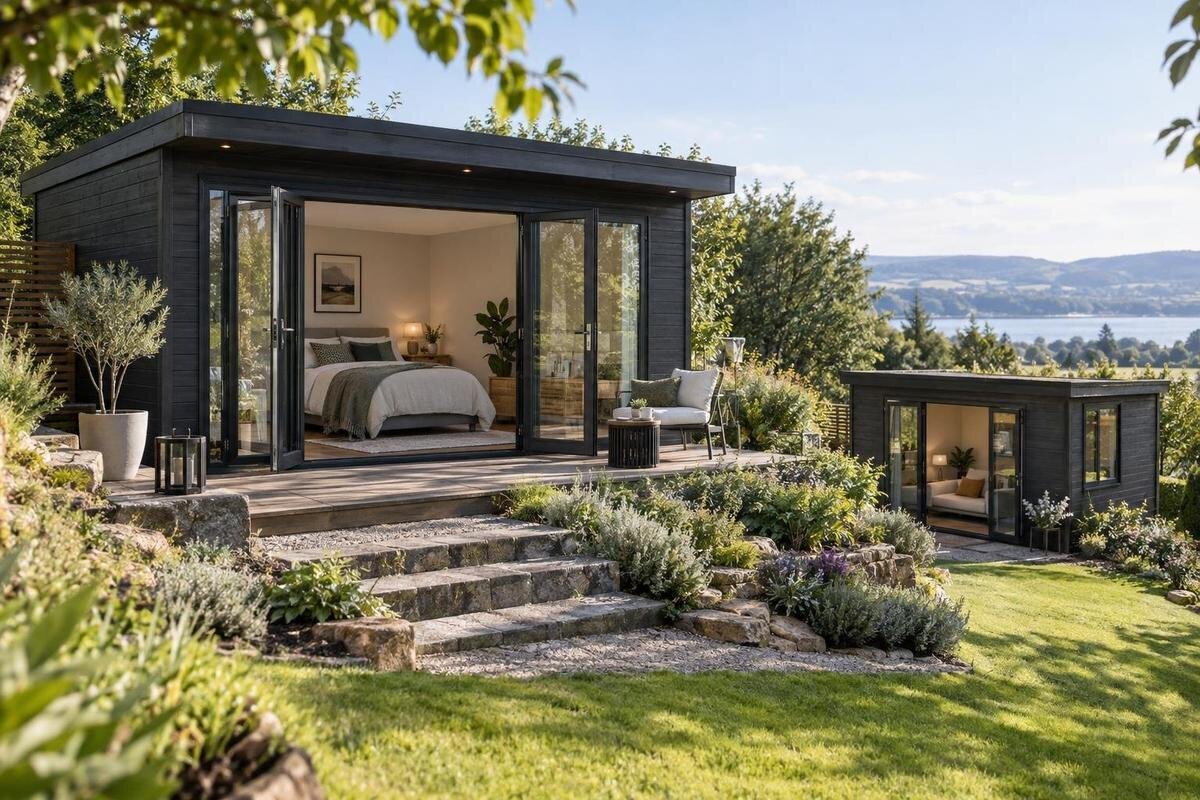
Garden house planning
An attractive garden shed can look like a quiet place for a guest to sleep, but a bed and a lockable door do not establish that overnight stays are permitted or safe. A garden house selected for outdoor storage needs a different assessment before anyone uses it as sleeping space. The answer depends on the municipality, the property, the exact building and the planned pattern of use; an occasional family visit is not necessarily the same as regular or paid stays. Resolve the intended use before ordering or making alterations.
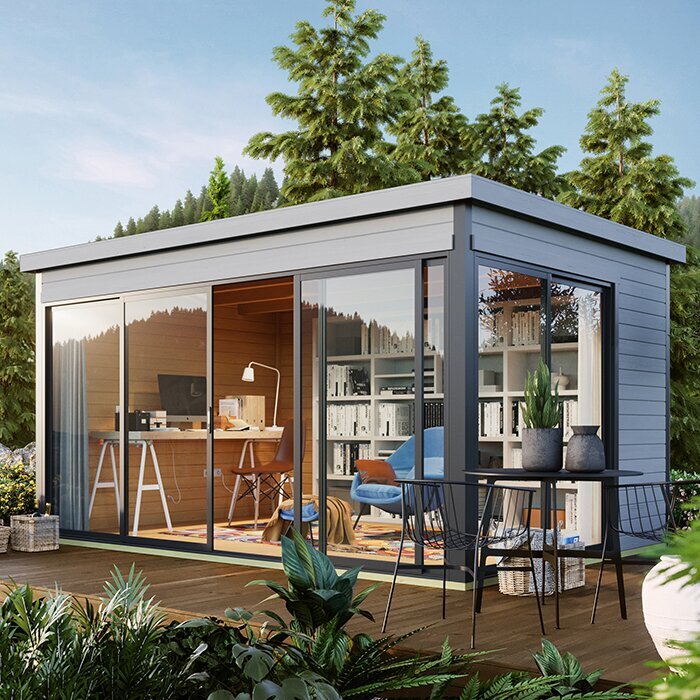
A garden shed is not automatically sleeping accommodation
A garden shed’s product category tells you what kind of structure is being offered; it does not settle how it may be used. A catalogue page, attractive finish or furnished interior cannot confirm approval for overnight occupancy, insulation for local conditions, safe heating or an appropriate exit. Nor does placing a bed inside change the building’s intended or approved use. Treat sleeping as a separate purpose to assess, not a small finishing detail after purchase. This distinction matters even if the shed is on the same lot as your home and the person staying there is a family member.
Describe the plan accurately before seeking answers: a guest staying a few nights a year, a room used every weekend, a separate space for extended stays, or paid accommodation can raise different questions. Note the likely number of occupants, whether the building would have electricity, heating, water, a toilet or cooking facilities, and whether guests would use a washroom in the main home. Also record how long stays might last and which seasons are involved. Those details help officials and qualified professionals identify what to review. Don’t label recurring use as temporary to avoid asking; explain the real arrangement.
Confirm the permitted use for your address
Contact the municipality or other authority responsible for planning and building at the property address. Explain plainly that people would sleep in a detached garden house, how often, whether anyone would pay, and which services you intend to add. Ask whether that proposed use is acceptable at the location, and whether the structure requires approval, a change-of-use review, inspection or another process. Check whether there are related conditions for occupancy, access, utilities or sanitation. Don’t assume that approval to build, if issued, also settles the intended overnight use; ask officials to address both questions. Requirements vary by place and property, so another owner’s experience may not apply.
Check private property conditions separately. A lease, condominium or community rules, title restrictions and other agreements can affect what you may do, even if a municipal review is favourable. Ask the landlord or relevant property body where applicable, and keep written responses with your project notes. If officials need a drawing or description before answering, find out what information they require before paying for custom work. A catalogue option such as the Verdana 1 garden house listing can help identify a candidate to discuss, but give officials the exact proposed use and relevant documentation rather than asking about a generic shed.
Check the structure and its documentation
Ask the seller or manufacturer for current documentation for the exact model and configuration you are considering. Useful material may include construction drawings, assembly details, intended-use information, installation instructions and any structural or weather-related design information available. Confirm that the documents match the supplied version, including any optional floor, windows or other changes; a photo or a similar model is not a substitute. Ask directly whether the building is documented for occupancy by sleeping people, or whether it is described for storage or general garden use. If that is not stated, don’t infer it from the name or appearance.
Have the local building authority and, where appropriate, a qualified structural professional assess the proposal for the site’s conditions and intended occupancy. They can identify whether the base, anchoring and structure need specific review and what evidence is relevant; don’t estimate load capacity or adapt drawings yourself. Ask how planned insulation, service openings or a changed layout would affect the reviewed configuration. For the Garden House Verdana 2 listing, request drawings and use documentation for the exact configuration, then have the relevant professionals interpret them. Get answers before ordering, rather than trying to resolve missing information after delivery.
Assess insulation and weather protection
Sleeping use raises a different weather question from storing garden tools: will the complete building envelope keep the interior suitable during the seasons when people plan to stay? Check documented details for the roof, walls, floor, doors and windows, not just the appearance of one surface. Ask what insulation, air sealing and moisture-control components are included in the exact configuration, how joints are treated, and what installation conditions are required. A product image or a phrase such as all-season, if one appears, does not explain performance at your site. Ask for specifications rather than guessing from a model name or a visible material.
Consider both cold-weather heat loss and warm-weather heat build-up, along with condensation and damp. These issues are connected: adding insulation or sealing gaps without a suitable overall design can change how moisture moves through a building. Ask a qualified building professional what upgrades are needed for your intended seasons and whether the finished assembly needs local review. Plan for ongoing upkeep too, including checks for moisture and maintenance of seals where applicable. When reviewing the Durano garden house listing, compare documented roof, wall and floor details with the conditions and seasons you expect, rather than judging suitability from a photograph.
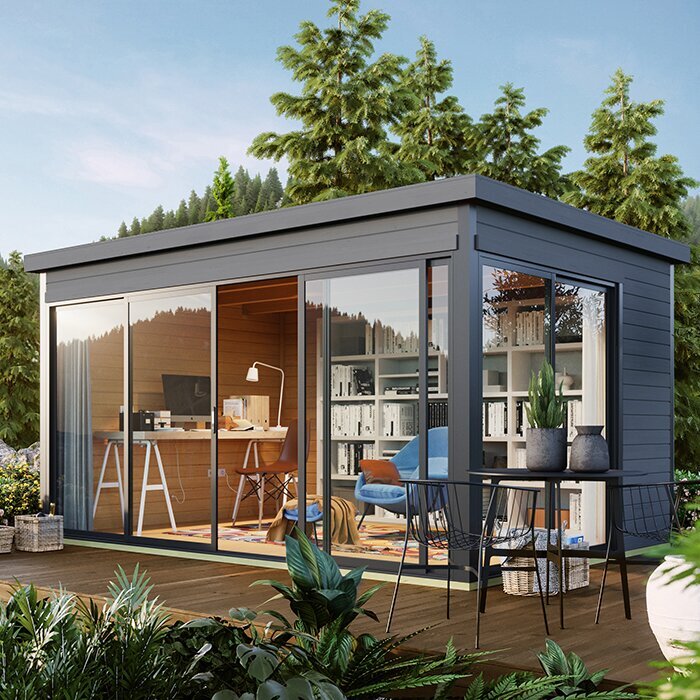
Plan ventilation for people, not storage
People sleeping in a small enclosed room add moisture and odours, so ventilation needs to be part of the occupancy plan. Ask how fresh air will enter and stale, humid air will be removed when the building is closed up for security or bad weather. Find out what the exact model provides, whether a ventilation system is part of the proposed build, and how it is meant to operate and be maintained. Don’t assume that a door left ajar, a window or a portable fan will offer a dependable solution in every season or circumstance. Ask what airflow is expected when windows are closed and the room is in regular use.
Ventilation also has to work with insulation, heating and any bathroom or cooking facilities; one change can affect what another part of the building needs. Have a qualified ventilation or building professional assess the planned use, particularly if the room will be occupied regularly or tightly sealed. Ask what operating instructions and maintenance are needed, and who is responsible for designing and installing any added system. For the Veltor 1 listing, ask whether model-specific ventilation information is available or whether a separate system would need professional assessment. Pause if you can’t establish a reliable plan for the intended use.
Have heating, electrical and fire safety assessed
Lighting, outlets and fixed heating need to be reviewed as part of the whole building, not added informally because a guest may sleep there. Ask a licensed electrician whether the proposed electrical service and planned loads are appropriate for the property and this use. Have a qualified heating professional assess any fixed or portable heating plan against the building and the equipment instructions. Avoid treating an extension cord, spare outlet or heater selected for a larger room as evidence that the setup is suitable for overnight use. If a fuel-burning appliance is proposed, involve qualified professionals and the relevant building or fire authority before choosing or installing it.
Ask the local building or fire authority what smoke and carbon-monoxide detection, fire-safety measures and inspection requirements apply to this arrangement. Have any required devices and systems selected and installed appropriately. Consider what happens if power or heat fails while someone is inside, and whether they can leave without delay; don’t try to solve that by improvising another heat source. Get written information about the model and any proposed modifications. For the Orello garden house listing, ask what documentation applies to the exact configuration and have a professional assess the planned electrical and heating work.
Check access and emergency exits
Plan the trip to and from the building in the dark and in the weather expected at the property. Look at the walking surface, steps, thresholds, drainage and exterior lighting, and decide who will keep the route clear when it is wet, icy or snow-covered, if those conditions occur locally. Check how guests enter and secure the door without making it difficult to get out from inside. The required emergency exit arrangement depends on the building and applicable rules, so ask the building or fire authority what is expected for overnight occupancy. Don’t decide that a door or window is an adequate escape route from a catalogue image.
Ask the professional reviewing the structure to consider the actual openings, layout and route to the outdoors, and use drawings for dimensions rather than estimating from photographs. Think about who may use the room: a threshold or path that is manageable for one guest may be difficult for another, especially while carrying bags or moving at night. Confirm how emergency responders would locate and reach the property, and how a guest can contact someone in the main house. Review the actual configuration and available plans for the Modano 1 listing before deciding whether the access arrangement suits the site.
Decide how water and sanitation will work
Decide whether overnight guests will use a washroom in the main home or need facilities in the garden house. A nearby toilet, sink, shower or kitchenette can change the amount of planning required, as can the route, privacy and hours of access to the home. If water, wastewater or a new service connection is proposed, ask the municipality and the relevant utility or a qualified plumber what reviews and capacity checks apply. Check the property’s existing well, septic system or sewer connection where relevant rather than assuming it can support another use. Consider how guests will access facilities at night, not just whether a connection seems possible.
Ask how plumbing and any equipment would be protected and maintained during the seasons when the building is used or left empty, especially if freezing conditions are possible at the site. Don’t plan pipe runs or wastewater disposal from a general online example; a qualified professional can assess the property and applicable requirements. Include water, drainage, hot-water equipment, installation and ongoing maintenance in the scope if those facilities are needed. For the Wooden Garden Shed M listing, request any model-specific plans needed to assess a service route, and confirm separately what is included in an order. A product page alone does not establish that plumbing is part of the building.
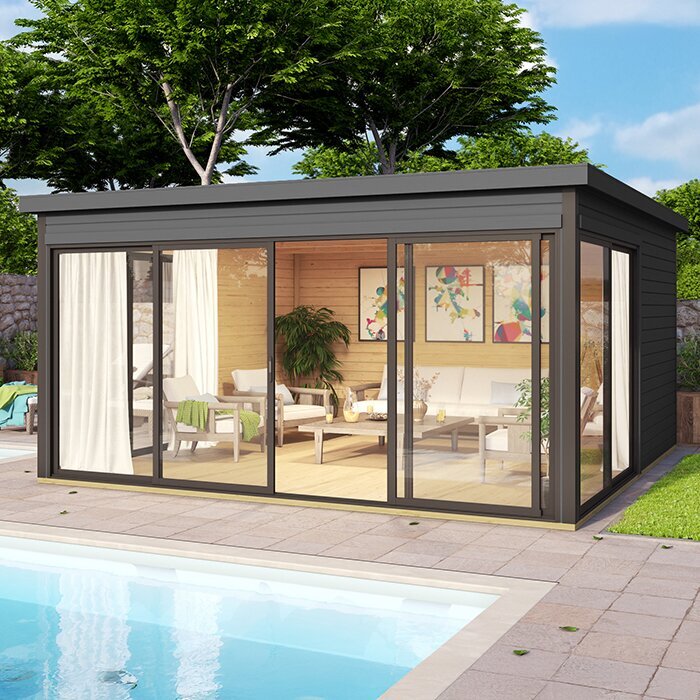
Consider privacy, insurance and everyday use
Practical comfort also depends on how the space fits daily life around the house. Consider whether guests can reach a shared washroom without disturbing the household, how keys and access will be managed, and where bags, footwear and wet coats will go. Look at the relationship between windows, nearby homes and outdoor lighting so that privacy and neighbours’ expectations are considered without promising more separation than the site can provide. An outdoor light may help someone find the entrance but also affect nearby windows, so consider its position and control. These details are easier to resolve before the building’s position and openings are fixed.
Tell your home insurer about the proposed use before anyone stays overnight, and ask what the policy covers or excludes and whether a change or additional coverage is needed. Speak with the property owner or condominium body where applicable. A regular guest room, a longer stay and paid accommodation may prompt different questions from an occasional visit; get specific answers for your plan instead of relying on an informal assumption. Keep the insurer’s response with the municipal and construction records. If any party will not accept the intended use, resolve that issue before spending on upgrades or promising guests a place to sleep.
Make the purchase decision after the checks
Once the use and main safety questions have answers, build a complete purchase scope rather than comparing the building alone. Include the base and installation work, professional reviews, any insulation or ventilation changes, electrical and heating work, water and sanitation if needed, access improvements and continuing maintenance. Ask the seller which parts are included in the exact order, which are optional, what documentation is supplied, and which site conditions or modifications are outside the package. Confirm delivery and installation arrangements for your address and access conditions; don’t assume a standard garden-house order includes changes for overnight occupancy.
Set a clear go-or-no-go point: the relevant local authority has addressed the intended use, the building and systems have documentation or professional review appropriate to the plan, and the scope of required work is understood. Have the order configuration match the documents that were reviewed, and get important statements in writing. For the Wooden Garden Shed S listing, ask which drawings and specifications apply to the exact model and options. If key answers remain uncertain, delay the order or choose a structure designed and reviewed for the intended use rather than trying to retrofit after delivery.
Frequently asked questions
Can I stay overnight in a garden shed occasionally?
Occasional use does not automatically mean the plan is permitted or that the building is suitable. Check the rules for your address and describe how often people will stay, whether they will pay and what services the shed will have.
Does putting a bed in a garden shed make it a dwelling?
A bed alone does not determine how the space is classified. The actual use, the building and applicable local requirements all matter. Ask the relevant authority about the use you intend, rather than relying on the product category or furnishings.
Will insulation or a heater make a garden shed suitable for sleeping?
Not on its own. The structure, weather protection, ventilation, heating and fire safety need to be considered together, and any work should suit the exact building and site. Ask qualified professionals and the relevant authority what is needed before ordering upgrades.
Do overnight guests need a separate bathroom?
There is no single answer that applies to every property and use. Check local requirements for the proposed arrangement, then consider whether guests can reach facilities in the main home conveniently and privately. Ask before planning plumbing or wastewater changes.
What should I ask before ordering a garden house for overnight use?
Ask for documentation for the exact model and configuration, including intended-use information, construction and installation details, and any relevant design information available. Also confirm local acceptance, professional review needs, included items, modifications and the full project scope.
A sensible purchase depends on more than whether a bed fits inside. Confirm the proposed use for your address, establish what the specific building and its systems can support, and account for the work and services needed to make the plan viable. If those answers point to a different type of accommodation, change the plan before ordering. Choose a garden house for a use that has been properly assessed, rather than relying on appearance or assumptions.
