
How to Add Privacy to a Garden Shed Without Losing Natural Light
Garden shed planning
Garden shed privacy does not have to mean covering every window. The useful question is which views need to be blocked, and which openings can still bring daylight into the parts of the room you use. Start with sightlines from paths, seating areas and nearby windows; then compare them with the proposed shed’s door and window positions. A focused choice—better orientation, an outdoor screen, diffusing glazing or an adjustable interior covering—can address an exposed view without turning the whole room into a dark space. For a purchase, the key is matching that plan to the layout and options confirmed for the exact model.
Before you order 1
Decide what needs privacy
Privacy can mean keeping a work surface out of view, avoiding a direct line from a nearby window, or preventing people from seeing the whole interior when the door opens. Write down the specific view that concerns you and where it comes from. A storage shed may need concealment only around particular items; a space used for a hobby may need more privacy around its main activity area. Rank each concern by how direct and frequent the view is. That helps you avoid treating every wall and opening as equally exposed, or covering all the glazing before checking whether one particular sightline is the real problem.
Think about privacy from both inside and outside, with the door open and closed. Note whether you want to block a direct view into the room, silhouettes after dark, or passing glances from a path; each may call for a different response. Privacy is not the same as security, and a screen or translucent panel should not be treated as a lock or barrier to entry. Also consider how often the view needs to be blocked. A permanent screen may suit a consistently exposed window, while a movable covering can preserve daylight and an open outlook at other times. Record these priorities before comparing garden sheds.
Map sightlines at the proposed location
Walk the site at the heights and from the routes that matter: beside the house, along a path, near outdoor seating and at any nearby window facing the proposed location. Mark the shed’s planned footprint on a sketch, then note which walls and openings would face those viewpoints. Check the view with the door open as well as closed, since an entrance can reveal more of the interior than a window. Existing fences, trees and changes in ground level can affect what people see. A temporary outline or marker can also help you picture where the walls and openings would sit before you commit to a footprint.
Use your sketch when reviewing garden shed listings. A catalogue photo may not make clear what someone on a path or at a nearby window would see from your site. Look for a plan that identifies openings and compare it with the orientation you can use. If window positions or door details are missing, ask for the current information before ordering. For example, check the available documentation for the Verdana 1 garden house rather than assuming a product image shows how it would sit in your yard. Confirm that the layout you review matches the version in your order, and ask whether any changes are available.
Before you order 2
Place windows to serve privacy and daylight
Where the site and layout allow, orient an opening toward a less exposed part of the garden instead of pointing it directly at a neighbour’s patio or a well-used route. A higher window may reduce a direct eye-level view into the room, but it does not guarantee privacy: an upper-floor window or elevated path can still provide a clear view. A lower opening may preserve an outlook you value while making items or a work area more visible. Compare these trade-offs with the areas where you plan to spend time, rather than choosing a window position for appearance alone.
Consider the daylight as well as the view. The most useful position depends on the site, nearby obstructions and the room’s layout, so a compass direction is not a substitute for checking the actual location. An extra opening may bring light into one area but create another sightline; a large opening on the exposed side may require more screening than one facing a less visible area. Look for a documented opening layout for the Verdana 2 garden house. If placement or glazing choices are not specified, ask what applies to the exact version rather than assuming changes are available.
Choose glazing that softens views without blocking daylight
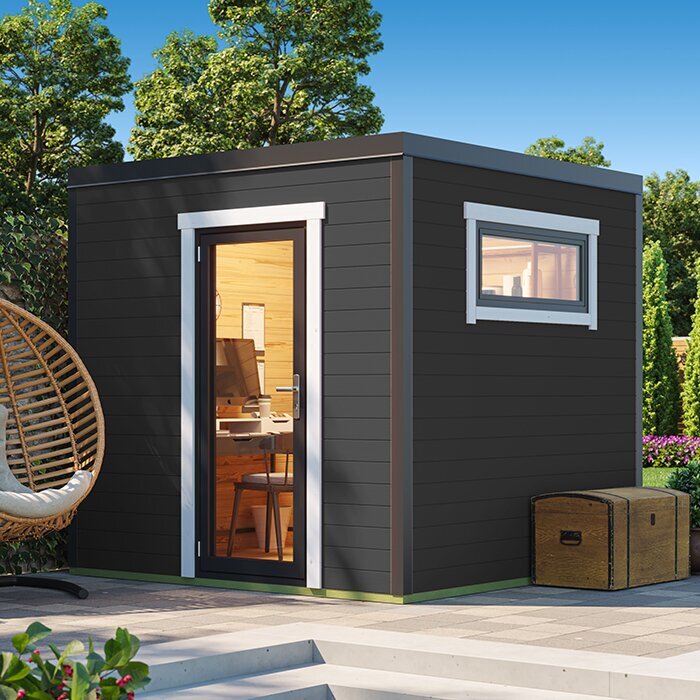
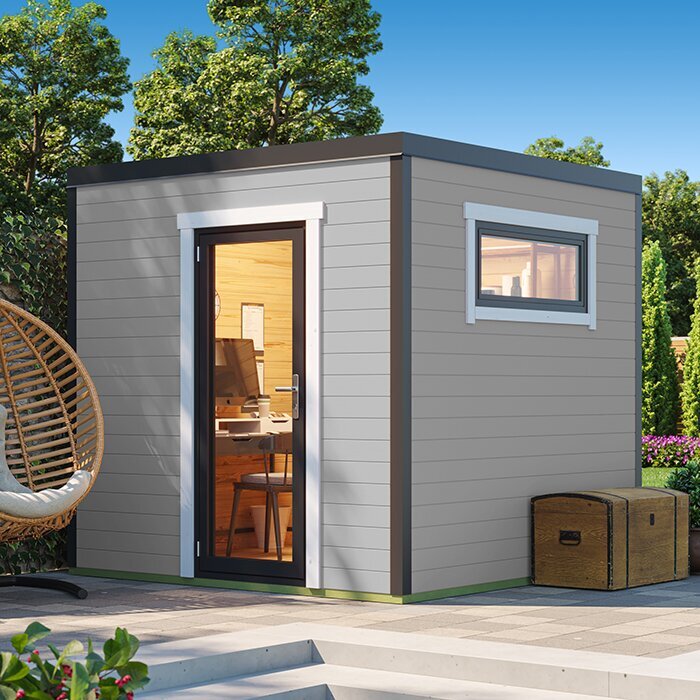
Translucent or privacy glazing may pass daylight while making clear views into the room harder, so it can be worth considering for an exposed opening. Its effect depends on the specific glass or panel: some surfaces blur detail more than others, and shapes or movement may still be visible. A frosted appearance is not a promise that nobody can see in. Opaque material offers more visual separation but blocks the light behind it too. If the design offers compatible choices, one approach is to keep clearer glazing on a less exposed side and use a diffusing option only where the sightline is difficult.
Ask for the exact glazing description for the version you would order, including which openings receive it and whether any treatment is included or optional. If you are considering aftermarket film, first check that it is suitable for the supplied glazing and permitted by the relevant product guidance. For the Durano garden house, rely on current written information rather than reading glazing details into the model name or an image. If a sample is available, view it from both sides. Consider the conditions when you will use the shed, including whether an illuminated interior could make shapes more visible after dark.
Before you order 3
Place exterior screens only where they interrupt a view
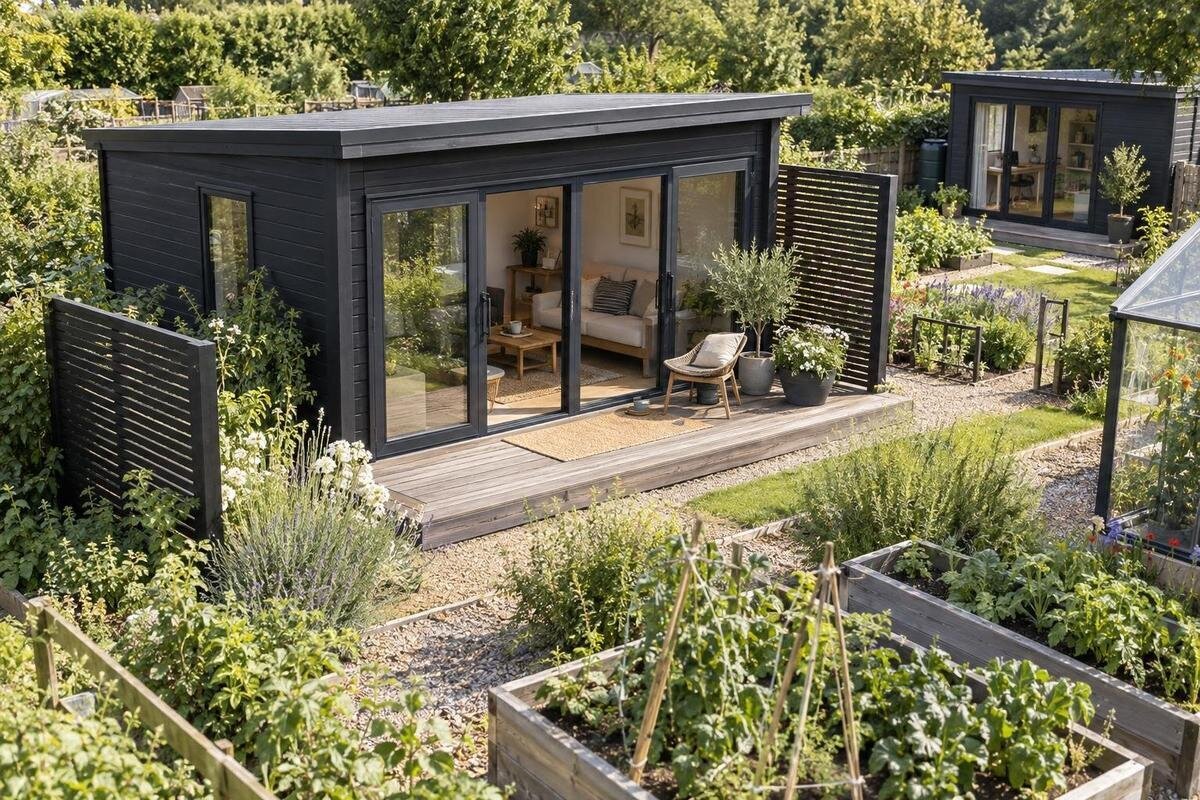
An outdoor screen can interrupt a particular sightline without covering the window itself. Depending on the layout, placing a screen to one side or at an angle may block a view while leaving the opening exposed to light from another direction. Slatted, mesh and solid panels behave differently: a more open screen may soften a view but still reveal movement, while a solid one blocks more of the outlook and can shade the window. These are options to compare, not guaranteed privacy levels; spacing, height, angle and viewing distance all matter. A fence or hedge may also affect sightlines, but seasonal foliage can leave gaps.
Before ordering a shed, check whether a separate screen would fit without narrowing the route to the entrance or blocking a window you want to keep bright. Make sure it would not interfere with opening doors or windows, and leave access to clean the screen and the outside of the glazing. Do not assume a screen comes with the garden house; verify what is included and whether guidance about placement or attachment is provided. When reviewing the Veltor 1 garden house, obtain its footprint and opening positions before judging how much room a separate screen would need.
Use indoor coverings for adjustable privacy
Blinds, curtains and removable coverings let you change the level of privacy during the day. A fully closed opaque blind blocks the view but also blocks most daylight through that window. A sheer or light-filtering covering may preserve a softer glow while leaving shapes visible. No material description alone tells you exactly how private a window will feel in your room, so check the product details and consider the viewing distances that matter. A movable option can be opened when the shed is empty or when you want an outside view, instead of leaving a permanent covering in place.
Check how a covering would fit and operate in the garden house. It should not obstruct a handle, frame or opening path, and it should remain reachable when the room is arranged as planned. If you want to apply film or add curtain hardware, consult the product information and confirm that the layout provides the necessary space. For the Orello 1 garden house, ask for confirmed opening and fitting details before choosing a covering; do not assume the model name describes the window arrangement. Allow for routine cleaning too, since a treatment that is difficult to remove may become inconvenient.
Before you order 4
Let daylight reach the part of the room you use
Privacy planning should include the interior layout. A tall cabinet, full-height partition or deep shelf in front of the brightest window can make a room feel dim even when the glazing is uncovered. Place bulky storage where it will not block the main daylight path, and leave a clear route from an opening to the areas where you read, sort supplies or work. Light-coloured interior finishes can help distribute available daylight, but they cannot replace a window or overcome heavy shade outside. Sketch furniture and any indoor screening together so a privacy measure does not create a dark corner.
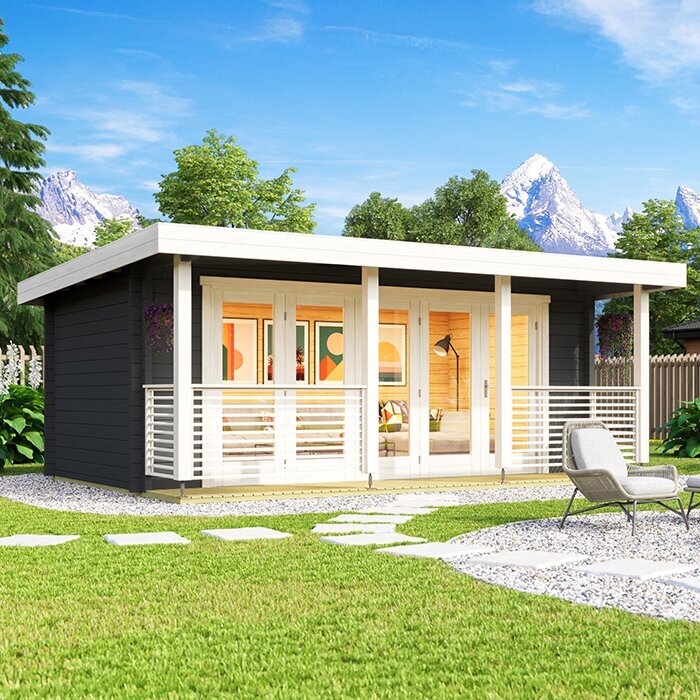
Compare the usable interior layout as carefully as the external dimensions. Mark the planned activity area, storage, window and any covering on a floor plan, then consider whether the light source will still be useful from that position. A second opening might spread light but can add another view into the room, so weigh both outcomes. For the Modano 1 garden house, look for confirmed information about window placement and included glazing; ask for details if the listing does not answer your questions. A wide-angle product photo is not enough to establish how daylight will reach the part of the room you use.
Match the privacy plan to how you will use the shed
Think about where people and belongings will be. With storage, the items that matter may be placed against a particular wall; a hobby or work area may centre on a bench, table or seat. Focus on the sightline into that zone rather than treating the empty floor plan as the finished arrangement. If the shed will have more than one purpose, plan for each setup. Consider whether the door is often left open, whether visitors approach along a particular path and which window views you want to keep. Those details help you decide whether a fixed screen, adjustable covering or different orientation suits the way you will use the space.
Use confirmed dimensions and an interior plan when comparing garden-house sizes. A model label does not tell you how much room remains after placing shelves, furniture or a screen, or how the openings relate to that space. Compare the published dimensions, door and window positions, and any accessories listed as included; ask for clarification where a drawing leaves questions. Treat the Wooden Garden Shed M as a listing to inspect, not as a promise about room size based on its name. If you choose a compact footprint, check whether there is still space for the interior layout or a separate exterior screen you have in mind.
Before you order 5
Recheck sightlines as seasons and lighting change
Trees, shrubs and the sun’s path change through the year. A leafy screen may provide more cover in summer than after leaves fall, and a low sun can reveal angles that are less noticeable at midday. Visit the proposed site at more than one time if possible, or consider which views might open up seasonally. After dark, light inside can make a clear window more revealing from outside. Translucent and reflective-looking surfaces should not be assumed to provide one-way privacy. Judge the specific material from both sides and under the conditions when you expect to use the garden shed.
Build seasonal changes into the purchase decision rather than relying on foliage or the brightness of a single catalogue image. Decide whether you need a movable covering for evening use or a screen that addresses an exposed view throughout the year. Also consider whether outdoor panels will be easy to keep clear of plants and clean. For the Wooden Garden Shed S, compare the listed opening and glazing details with your site instead of reading privacy or daylight performance into the model name. If essential information is missing, get written clarification before choosing separate screens or coverings.
Confirm openings and included options before ordering
Make a written comparison for each garden shed you are considering: window and door positions, opening dimensions if shown, glazing description, any privacy treatment, and what the listing says is included. Note which direction each opening will face on your site, the sightline it needs to address and whether it will still bring daylight to the planned interior area. Separate standard features from optional accessories and items you would buy independently. Where a detail is not published, ask the retailer or supplier to confirm it for the precise configuration. This matters especially if your privacy plan depends on a particular pane, a changed window position or clear space beside the structure for a screen.
Before checkout, make sure the order summary matches the version you reviewed and lists the components you expect. Read the current assembly and installation information, delivery-access requirements and applicable return or change terms; these can affect whether you can add a chosen screen or covering later. Do not assume custom alterations, glazing upgrades or mounting points are available unless they are confirmed. Resolve uncertainties about the layout and privacy treatment before deciding on decorative screening. A sound choice matches the documented openings, the site’s sightlines and the way you plan to use the garden shed.
Frequently asked questions
Does frosted glazing stop people seeing into a garden shed?
It can soften views while admitting daylight, but it does not guarantee complete privacy. The result depends on the specific surface, viewing distance and lighting; outlines or movement may still be visible. Check the description or a sample from both sides. For evening privacy, consider whether you also need an adjustable covering.
Will privacy film reduce natural light?
It may change how much light passes through, depending on the film’s opacity and finish. Check the product information and, if possible, view a sample in the conditions where you will use it. Before buying, confirm that the film is suitable for the glazing supplied with your garden house.
Is an exterior screen better than a curtain?
They address different views. An exterior screen can interrupt a sightline before it reaches a window, while a curtain or blind gives you control from inside. A screen may also shade an opening or affect the route around the shed; an interior covering may reduce daylight when closed. Choose based on the specific view and how often you need privacy.
Does a higher window guarantee privacy?
No. A higher opening may reduce a direct view from someone standing nearby, but views from an upper-floor window or elevated path can still reach inside. Check the window position against the actual viewpoints around your site, and consider glazing or a movable covering if an exposed sightline remains.
What should I confirm before ordering a garden shed?
Check the exact window and door positions, glazing description, included features and any optional treatments for the version you are considering. Compare those details with your site plan and intended layout. If a key detail is missing, ask for written confirmation before ordering, and check whether a separate screen or covering will fit the planned space.
A useful privacy plan is specific to the view and the way you will use the shed. Preserve openings that bring daylight where it matters, and add screening or coverings only where an exposed sightline calls for them. When the site, interior layout and confirmed product details are considered together, privacy and natural light can work in the same garden shed.
