
Garden Shed, Summerhouse or Log Cabin: Understanding the Names
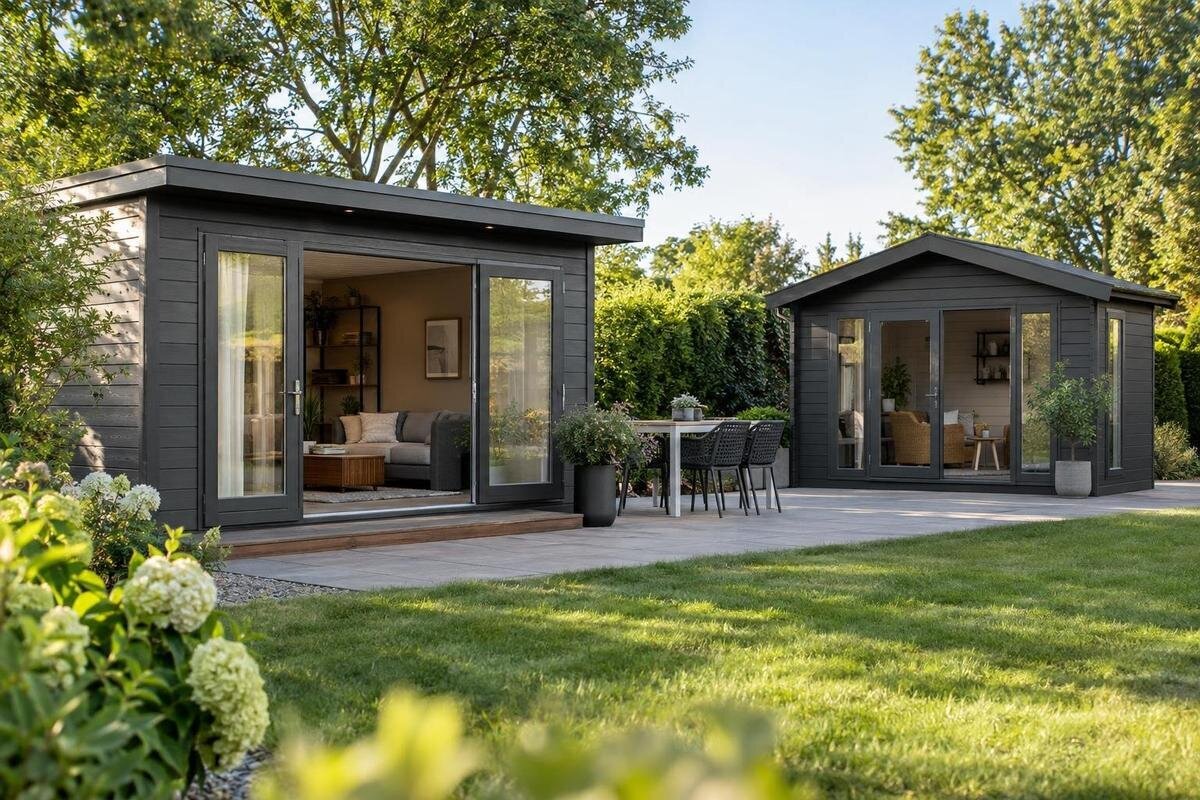
Garden house terminology
Garden shed, summerhouse and log cabin are convenient labels for outdoor buildings, but none tells the whole story of a particular structure. One term may emphasize practical use, another garden leisure or a familiar style. Because listings can overlap, choosing by name alone makes comparisons unreliable. Use the wording to narrow your search, then confirm the details that matter for your plans and property.
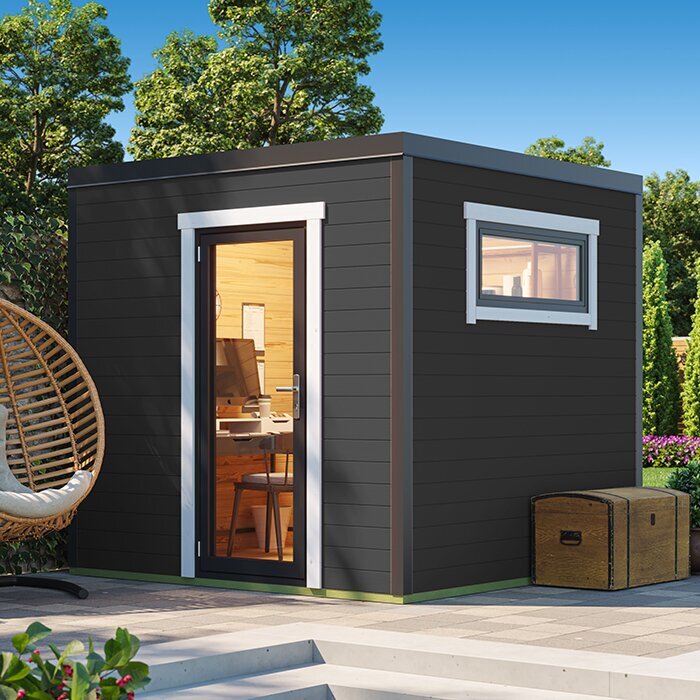
What the three garden-building names describe
In garden-building listings, “garden shed,” “summerhouse” and “log cabin” are shorthand, not complete specifications. A seller might use “garden shed” to foreground practical utility, “summerhouse” to frame leisure, or “log cabin” to describe a look or construction approach. The exact meaning can vary from one listing to another, while “garden house” may be used as a broad category name. A title can help you browse, but it cannot confirm a particular model’s dimensions, materials, construction, included parts or suitability for a specific season. Category menus and search filters can use the same words differently from the product page, so read the individual listing rather than treating a navigation label as a product description.
These labels are not a ranking from basic to premium. A summerhouse is not automatically better built than a shed, and the words “log cabin” do not prove a particular wall system. The useful question is what the name suggests, followed by whether the written information supports your intended use. This distinction also helps when two sellers use different terms for buildings you are considering for the same purpose. Treat the label as a clue to investigate, rather than as a substitute for product details. It also makes searches more productive: use several relevant terms, then narrow the results by the information that affects your decision.
What a garden shed usually means
Garden shed usually points first to a practical garden building, often intended for storing tools, outdoor furniture, equipment or seasonal supplies. That does not mean a building with this label can only hold belongings. What matters is whether its layout, access and usable space suit what you plan to put inside. The word “shed” does not, by itself, tell you the storage capacity, material, floor arrangement or whether fittings such as shelves are included. It also does not indicate whether items can be organized efficiently; a building can have sufficient area on paper but still be awkward if frequently used items are hard to reach.
Make a list of what you want to store and how often you need to reach it. Long-handled tools call for different access from stacked boxes, while bulky equipment needs room to manoeuvre as well as floor space. Group items by frequency of use, and leave a clear route to anything you will need regularly rather than planning to move stored items every time. Check the stated internal and external dimensions, door opening, floor details and whether storage fittings are included or optional. A wooden garden shed M listing is an example of the shed label in a product name; questions about its usable space still need answers in the product information.
What a summerhouse suggests
The word summerhouse usually emphasizes time spent enjoying the garden rather than storage. It may bring to mind a place to sit, read, have a meal or take in the surroundings. But the name does not tell you how much room there is for seating, how the entrance is arranged or whether the space suits the activities you have in mind. Think about how you would furnish it and how people will move through it before treating the label as a good fit. Sketching the approximate positions of chairs, a table or other planned items can reveal whether the use you picture leaves comfortable circulation space.
Windows, doors, privacy and ventilation can all matter for a leisure space, but the word “summerhouse” does not guarantee any particular feature. Nor does it confirm that a building is comfortable in every kind of weather. Consider what you will see from the intended location and whether people outside can see into the space, as these practical questions may affect where openings are useful. A Verdana 1 garden-house page provides an example of a garden-house label; it does not establish that a building is marketed as a summerhouse or that it suits a particular leisure use. Check those points in the stated details.
What the term log cabin does—and doesn’t—tell you
In garden-building listings, “log cabin” often suggests a cabin-like appearance or a construction style associated with timber. The phrase alone, however, does not establish how the walls are made. A product could be described by its look, by a construction method or by a seller’s chosen category wording. If the material or building method matters to you, look for an explicit description rather than trying to identify it from the name or a photograph. Terms can also be used more broadly in everyday conversation than in product documentation, which is another reason not to rely on the label alone.
Check the stated materials, construction details, finish and any information about the roof, floor and glazing. Read the product description and specification fields together, since one may explain a term used in the other. If you have a particular season or type of use in mind, look for information that addresses those conditions directly; “log cabin” is not proof of insulation or year-round suitability. Where a detail is missing or unclear, ask the seller what is included and what the building is intended to support. That is more reliable than assuming the label has one fixed meaning.
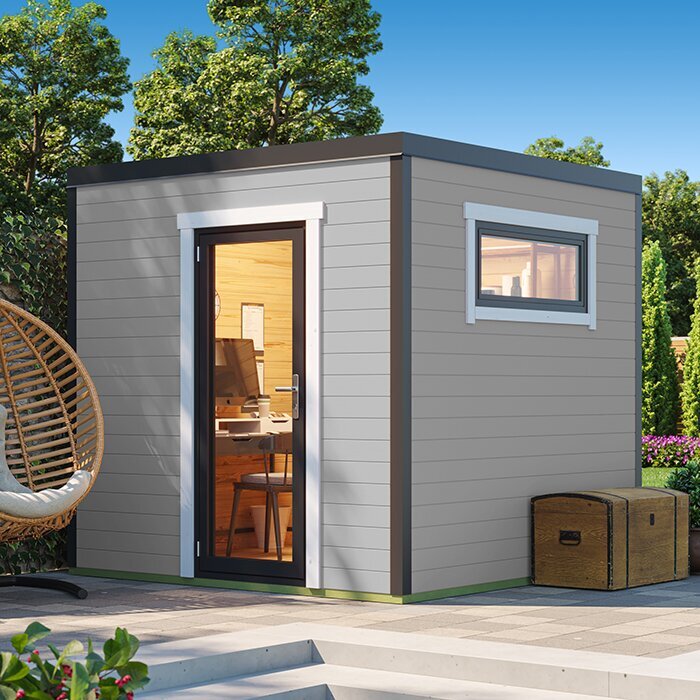
Why the labels can overlap
A building may sit within the broad garden-house category, be sold under the name “garden shed” and still be considered for leisure use. The seller’s label may reflect the way the product is grouped or presented, while your decision depends on whether its actual layout and details suit your plans. In other words, the name and the intended use are related, but they are not the same question. A useful comparison starts by separating what the seller calls the building from what you need it to do, so that a familiar name does not quietly become a requirement.
This overlap is one reason to compare product information rather than titles alone. A Garden House Verdana 2 listing illustrates how a seller may use “garden house” in a product name; the wording alone does not settle whether it meets your needs for storage, leisure or another garden use. Read the details for each option on their own terms, and compare the same points across listings even when their category names differ. Keeping one consistent checklist helps prevent one detailed listing from appearing more suitable simply because another listing uses a more appealing label.
Match the building name to the way you’ll use it
Before choosing a label to search for, describe the job the building needs to do. Will it mainly hold equipment, provide somewhere to sit, or have to accommodate both? Consider what you will keep or place inside, how often you will use the space, how many people may be there and whether privacy or a particular view matters. Consider as well whether the use may change over time, such as storage becoming a sitting area or the reverse. These questions help you decide which listing details deserve attention, without assuming that one category name guarantees the right arrangement.
Turn that description into a few requirements you can check: the usable space you need, the entrance and access, and any features essential to your plans. Separate essentials from preferences, since this makes compromises visible when comparing options. A Durano garden-house page can be assessed using the same questions as any other listing: start with its written information, not with an assumption based on its name. If a requirement is not addressed on the page, keep it on your list to clarify before deciding.
Check the specifications behind the title
Look for dimensions that let you judge both the building’s footprint and the space available inside. Check whether the listing distinguishes internal from external measurements, and note the door opening and any other layout details relevant to your belongings or furniture. Measurements should be considered alongside the space needed to open a door and move items through the entrance. A photograph can help you picture the product, but it is not a dependable way to estimate measurements or usable room. If a measurement that matters to you is absent, ask for it rather than guessing from the image.
Also check what the stated materials, floor, roof, finish and other components actually refer to. Confirm which parts are included, which may be optional, and what the listing says about assembly and any site preparation. Pay attention to the wording around accessories, as an image may show an item that is not described as part of the purchase. A Veltor 1 product page can be approached in the same way: use the product name to identify the listing, then rely on its written details for the specifications. This keeps assumptions about the model name separate from facts you can verify.
Check whether the building suits your property
Compare the proposed footprint with the space available on your property, allowing for the way you will enter and use the building. Consider whether there is a practical route to the site for delivery and assembly, and whether the chosen area presents questions about ground conditions, drainage, trees or overhead features. Think about ordinary access for maintenance as well as the initial installation route. These are checks for feasibility, not a substitute for an assessment of the site. If you are unsure whether a base or location is suitable, ask an appropriately qualified professional.
Property rules can also affect what you are able to place and where. Requirements vary by location, so check with your municipality and, where relevant, your property manager or homeowners’ association before ordering. Check early enough that a restriction does not force a last-minute change to the chosen building or location. A listing such as the Orello 1 garden-house listing should be compared with your site using its stated dimensions and requirements, not assumptions drawn from its name. Resolve any uncertainty about placement, permissions or site suitability before committing to a building.
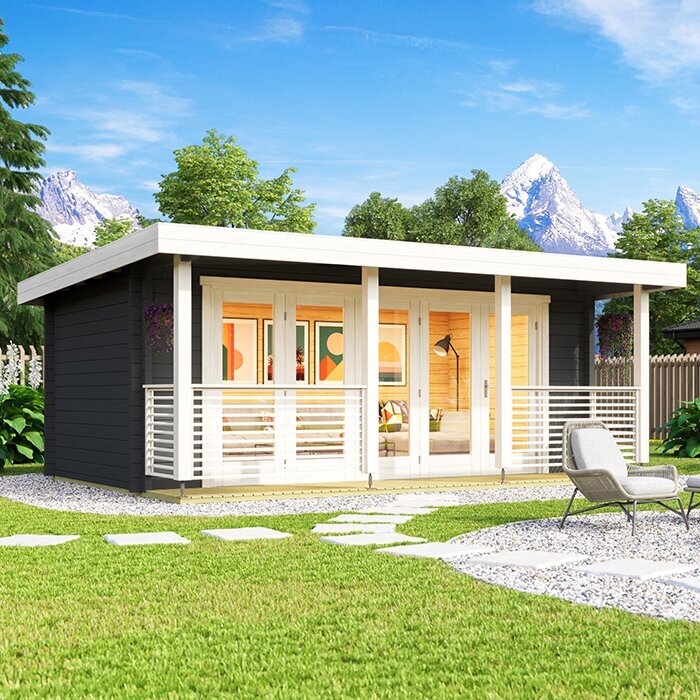
Plan for upkeep and long-term ownership
A building’s label does not tell you how much care it needs. Read the manufacturer’s information about the materials and finish, including any stated treatment or maintenance requirements. If the building is made of wood, do not assume from the word “wooden” that it arrives with a particular finish or needs no further care. Check what the product information says about keeping the building in good condition, and consider whether those tasks fit the time and effort you want to put into ownership. Plan where you will keep any items needed for routine care, so maintaining the building remains practical after installation.
Think beyond the first use, too. Check what the listing says about assembly, care instructions, replacement components and any warranty terms, without assuming that a particular service or coverage is included. Retain the product information and care guidance after purchase, as they can be useful when you need to identify a component or check a maintenance instruction later. If you expect to use a building in more than one season, look for information that specifically addresses that expectation. A Modano 1 garden-house page can be reviewed on the same basis: note what its details state and ask about anything important that remains unclear.
Compare listings on the same basis
A simple written comparison can prevent category names from doing too much of the work. For each building, record the seller’s label, intended use as stated, internal and external dimensions, materials, included components, assembly information and any stated site requirements. Add the maintenance information and details about delivery or optional items. Use the same units and headings for every option so differences are easy to spot. If a listing leaves a point unanswered, mark it as unknown instead of filling the gap with an assumption based on its title, photographs or similarity to another building.
Then consider the overall order and ownership arrangements: what is included in the quoted price, what may be optional, how delivery works and whether assembly is part of the purchase. Record the date you checked each listing because product information and available options can change. Check those details on the relevant product page before placing an order; do not infer them from a category name or model suffix. A Wooden Garden Shed S product page can be entered as one listing in your comparison, with only its stated details recorded. That makes it easier to judge buildings fairly, even when their names differ.
Frequently asked questions
Is a garden shed always just for storage?
No. The name usually emphasizes practical utility, but the intended use depends on the building’s layout and the details in its listing. Check the usable space, access and included features rather than assuming the word “shed” sets a limit.
Does “log cabin” mean the building is made from logs?
Not necessarily. The term may describe an appearance or a particular construction approach, and sellers may use it differently. Look for the stated materials and construction details; a product name or photo alone is not confirmation.
Does calling a building a summerhouse mean it can be used year-round?
No. The name suggests a leisure use, but it does not confirm insulation, weather protection or suitability for use in every season. Check the product information for the intended conditions of use and ask for clarification if they are not stated.
Could I use a garden shed as a place to relax?
Possibly, if its layout, access and other stated features suit that purpose. Consider the space you need for seating and movement, and check the details rather than relying on the category name. The building’s intended use and site requirements also matter.
What should I compare before ordering?
Compare the written dimensions, materials, construction, included components, assembly requirements and stated site requirements. Also check delivery arrangements, maintenance information and which items are optional. Mark missing details as questions instead of filling gaps from a name or photo.
The most useful distinction is what each name emphasizes: a garden shed usually points to practical utility, a summerhouse to leisure, and a log cabin to a style or construction approach. None can stand in for product facts. Decide how you intend to use the building, then compare the written details that support that plan, from dimensions and included components to site requirements and upkeep. If an important point is absent or ambiguous, clarify it before ordering. That keeps the name in its proper role: a way to sort options, not a substitute for understanding the building.
