
Planning Task and Ambient Lighting for a Garden Shed
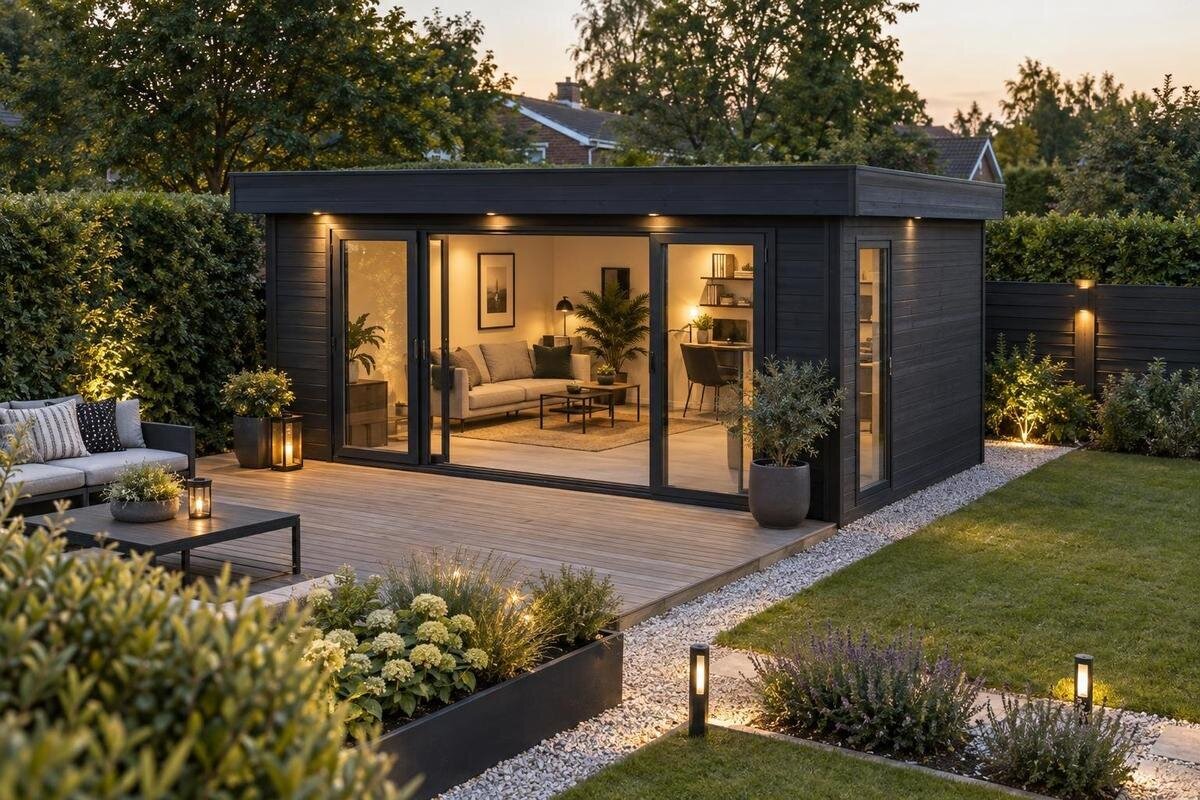
Garden shed lighting
Garden-shed lighting works best when it follows the jobs you actually do, rather than a fixture count chosen in isolation. Finding a tool, potting plants, repairing equipment and sorting stored items place different demands on visibility. Plan task lighting for close, focused work and ambient light for general orientation, then map both against the building’s layout and available daylight. That approach also makes it easier to compare garden-house listings: usable floor area, openings and likely work zones matter more than an attractive image of a lamp or interior.
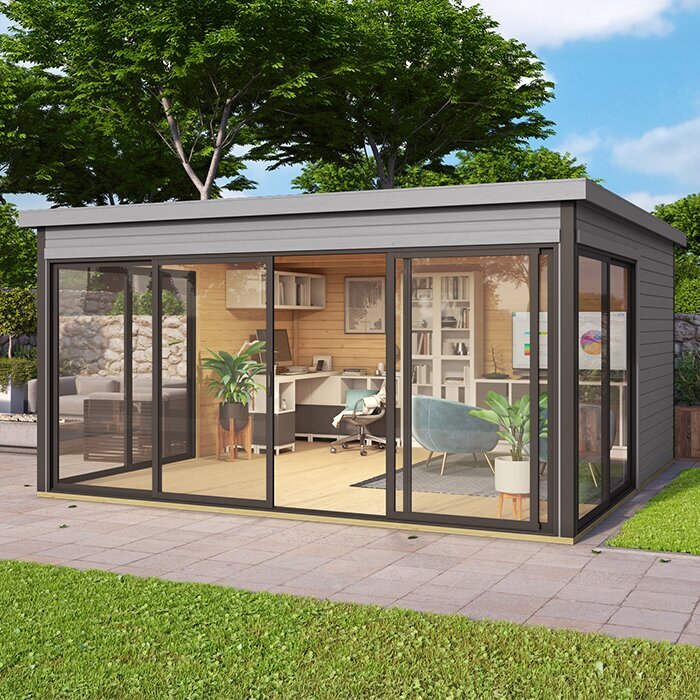
List the jobs the shed needs to support
Start with a short inventory of activities rather than a shopping list of lamps. For each regular job, note where you stand or sit, what you need to see and whether you use both hands. Retrieving a box from a shelf calls for clear general visibility; sorting small hardware, reading labels or repairing a tool calls for a more focused view. A shed used mainly for storage may need a simpler plan, while a mixed storage-and-work space deserves separate attention for each zone. Naming the jobs first keeps task lighting tied to the right surface, rather than to an empty patch of wall. Also note any work that involves reading small markings or distinguishing similar colours.
Separate frequent work from occasional activity and mark each approximate location on a rough plan. A bench used most weekends may warrant a dedicated task-light position; a temporary packing spot may be better served by a movable source. Note whether you usually work in daylight or after dusk, and whether you need both hands free. Include routes between the entrance, shelves and work area, since general light must support movement as well as close work. Give priority to the activities that matter most, then leave reasonable flexibility for occasional changes instead of trying to illuminate every possible arrangement. Mark which surfaces and pieces of storage are likely to stay in place.
Use task lighting and ambient lighting for different jobs
Task lighting is focused light that helps you see a particular work surface or object clearly. In a shed, that might be a bench, potting surface, sorting table or place where you read instructions. Ambient lighting is the general illumination that makes the interior legible: it helps you recognize the space, find storage and move through it without relying on one bright spot. These terms describe the role of the light, not necessarily a particular fixture style. A fixture can contribute to both, but its position and coverage still need to suit the activity.
The two layers work together. A bright work lamp in an otherwise dim shed can leave the route to the door or storage hard to read; broad ambient light alone can feel inadequate for close tasks, particularly when you or your tools cast shadows across the work. Plan the overall layer so the space is usable, then add focused light where an activity calls for it. If it suits the layout, separate controls can let you use only the light you need at a given time. There is no mandatory number of fixtures: coverage, task detail and how the space is used matter more than fixture count.
Map the layout before choosing fixture positions
Draw the interior footprint using verified measurements, then mark doors, windows, fixed shelves, tall stored items and any bench or table. Include the area a door takes up when open and the clear route from the entrance to the places you use. For a product listing such as Verdana 1 garden house, rely on the dimensions and opening information actually provided, and request clarification if a detail affects your plan. A photograph can help you picture the setting, but it cannot reliably replace a measured layout when deciding where a work surface or light can go.
On a second copy, mark each activity rather than every object you own. Add likely task-light positions beside or over work surfaces, and broader ambient positions that serve the entrance, circulation and storage. Check the view from where you will stand: a fixture hidden by a shelf or tall cabinet may not illuminate the intended area. A simple drawing can also reveal overlaps, such as two proposed lights aimed at the same bench while a back corner receives little attention. Keep exact mounting locations provisional until the building details and any electrical design have been confirmed.
Put task lighting where detailed work happens
Place task light to serve the work, not simply the nearest wall. A source aimed at a bench from behind you can be blocked by your head, shoulders or hands, while light arriving from an awkward angle can create distracting reflections on glossy tools or a screen. Consider how you approach the surface and whether you sit, stand, turn materials or work across the full depth of a bench. The useful position is one that lets you see the task without blocking movement or placing the light directly in your line of sight. Try out the idea on your sketch from the worker’s viewpoint.
Different tasks may call for different arrangements. Detailed repairs benefit from light close to the work, while potting or sorting larger items may need broader coverage across the surface. If work shifts between sides of the shed, a movable or adjustable task source may be more practical than assuming one fixed beam will suit every position; check a fixture’s stated use and adjustment range before buying. For garden house Verdana 2, as for any shortlisted option, compare confirmed internal dimensions and opening positions with the bench plan before settling on a fixed location. Allow enough room to work without making the light itself an obstacle.
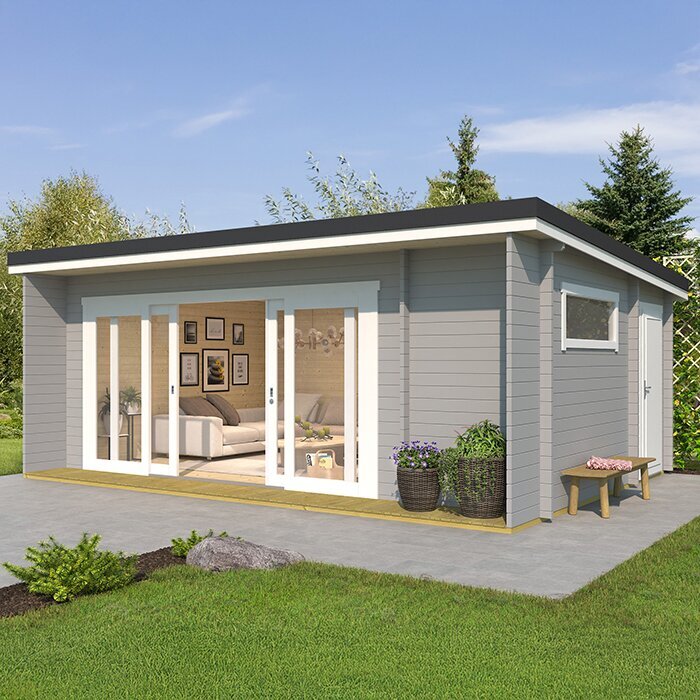
Plan ambient light for the whole interior
Ambient light should make the whole interior readable, including the entrance, main route, shelves and areas beyond the immediate workbench. Think in terms of coverage: one small bright pool may leave surrounding storage in deep contrast, while several poorly considered points can still miss corners or cast awkward shadows. Assess proposed positions with shelving and stored items in place, not just in an empty room. If furniture or tall equipment may move seasonally, note how that changes which areas need general light. The aim is dependable overall visibility, not maximum brightness everywhere.
Glare and contrast affect comfort as well as visibility. A bare light source in your normal line of sight can be distracting when you look up from a bench, and a very bright work area against a dark background can make it harder to look around. Consider placement and suitable shielding or diffusing features to reduce direct views of the light while preserving useful illumination at the work surface. Read the information for any proposed fixture rather than assuming a cover or shade is included. When reviewing Durano garden house, use confirmed layout details, not the exterior image alone, to judge where general light needs to reach.
Account for daylight, finishes and changing conditions
Daylight changes through the day and year, and is affected by weather and nearby shade. Treat it as useful but variable, not as a replacement if you use the shed after dark. Note when you do the work and where daylight comes from, then consider whether it reaches the task surface at those times. Do not assume that a window in a product image is on the wall you need, or that daylight reaches the back of the building; verify opening positions and consider obstructions at your site. Where a task needs consistent visibility, plan artificial light for the darker periods when you are likely to use the space.
Interior finishes influence how light feels: lighter, less glossy surfaces generally reflect more light than very dark or highly reflective ones, while glossy surfaces can create bright spots. Consider shelves, worktop colour and the objects stored around the task, not only the wall finish. If accurate colour judgment matters, check the fixture’s colour information and consider how it looks on the materials you work with. For Veltor 1 garden house, as with any listing, confirm actual window and interior details before using a product photo to predict daylight at a workbench. Site conditions and the intended layout are part of that assessment.
Choose a power approach before selecting fixtures
Decide how the lighting will be powered before settling on fixture positions. A permanently powered fixture, a plug-in lamp or a rechargeable unit each makes different demands on location and routine; some options may also depend on daylight or charging access. Ask how often you need light and whether it must be available for a longer job after dusk. A portable lamp can provide flexibility, but its placement and charging or storage routine become part of the plan. Do not choose a power method solely from a product photo or assume the garden shed comes with a suitable connection; confirm what is and is not included.
If you want fixed electrical lighting, involve a qualified electrician before ordering or altering the building. They can assess a suitable supply, circuits, controls and fixture locations for the actual structure and local requirements; this article is not a wiring plan. Raise questions early if the work may affect where shelves, a bench or openings go, so the layout is not finalized before those details are considered. While comparing Orello 1 garden house, use the listing for documented building information and ask the supplier or electrician to clarify anything relevant to fitting or supplying lights. Do not infer electrical provisions from a model name.
Compare controls, glare and upkeep
Choose controls around daily use. If task and general light can be operated separately, you can keep broad light on for entry or storage while adding concentrated light for close work. Compatible dimming may help when you want to adjust the light level, but only if the selected equipment supports it. Note where you naturally enter, where controls could be reached without crossing a cluttered work area, and whether you can switch the lights off when leaving. A simple, intuitive arrangement is more likely to be used than a complicated set of controls whose purpose is unclear. Confirm control options before selecting fixtures.
Check a fixture’s stated suitability for the actual conditions in the shed and consider how it will be maintained. Dust, moisture, temperature changes or occasional condensation may matter in some spaces, but conditions vary; do not assume a household fixture is appropriate or buy a weather-rated product without need. Confirm any environmental information or maintenance requirements from the manufacturer and ask an electrician if details are unclear. Think about access to clean, replace or service a light without moving heavy storage. For Modano 1 garden house, rely on confirmed construction information, not the name or photos, when discussing possible mounting points with a professional.
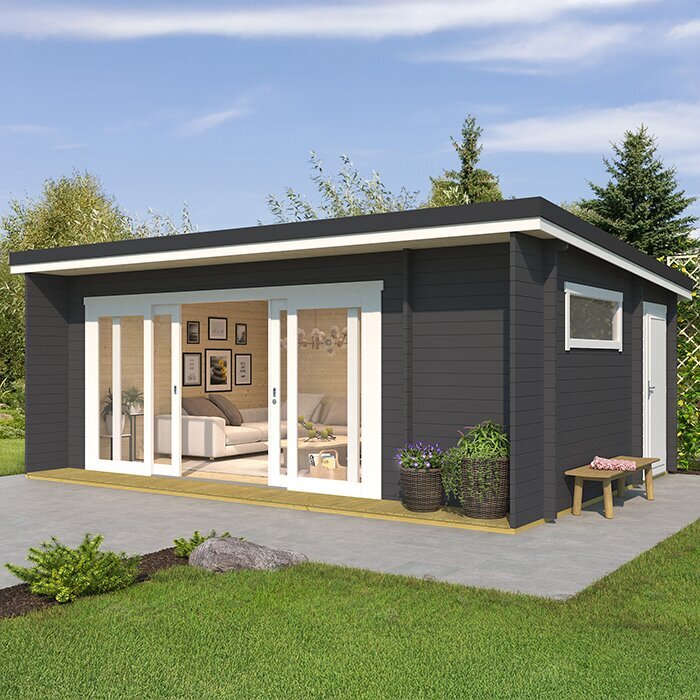
Compare garden shed listings using practical details
Compare garden-shed listings against the same lighting plan rather than choosing by image alone. Record the confirmed interior dimensions, door and window positions, and any layout drawing provided; then see whether your bench, storage and circulation can coexist with the task and ambient zones. If an essential detail is missing, ask before placing an order rather than estimating from a perspective photograph. A listing such as wooden garden shed M can be one option in that comparison, but the name does not tell you its usable measurements, opening arrangement or suitability for a particular installation. Let documented information and your actual site determine fit.
Make a separate project checklist for what the shed purchase covers and what the lighting plan adds. Confirm which building components and assembly information are included, whether any electrical fittings are mentioned, and what must be sourced or arranged separately. When comparing overall budgets, account for fixtures, controls, professional electrical work and any finishing that is genuinely needed; ask for current information rather than assuming something is bundled. Check access and placement logistics for the building, too, since the intended work area and lighting plan only matter if the chosen structure can be set up as expected. Do not treat an illustration as a contents list.
Coordinate the lighting plan with ordering and installation
Before finalizing a purchase or fixture plan, check that the house layout and proposed lights agree. Confirm dimensions and openings with the supplier, then have an electrician review any fixed electrical work, mounting assumptions and control plan for the actual structure. Do not cut into or modify building parts based on a marketing image or guessed route; get product-specific guidance from the supplier and a qualified professional. For an option such as wooden garden shed S, use the listing as a starting point for questions, not evidence of a particular fixture location, wiring arrangement or electrical feature.
Test the practical side of the plan before committing to permanent fittings. Stand at the planned bench, imagine reaching for tools and look toward the entrance; a temporary lamp used safely can help reveal glare, hand shadows or an area that remains dim. Repeat the check with storage in its intended places and at the times you commonly use the shed, because an empty room and midday daylight can give a misleading impression. Adjust the task and ambient zones on paper, then leave installation details to the appropriate professional. Revisit the plan if the main work surface or storage arrangement changes.
Frequently asked questions
Do I need separate task and ambient lights in a garden shed?
Not necessarily separate fixtures, but plan for both roles. One light may provide general illumination and help with a work surface, provided it reaches the rest of the space and gives enough visibility for the task. If one fitting cannot do both jobs well, separate sources or controls may be more useful.
How many lights should a garden shed have?
There is no fixed number. The layout, openings, storage, work surfaces and activities all affect what is needed. Sketch the zones first and consider how shelves or equipment may block light. For fixed electrical lighting, ask a qualified electrician to assess suitable options for the actual building.
Where should task lighting go?
Plan it around the surface where the work will happen, then consider the view from your usual standing or sitting position. Check whether your body or hands would cast shadows, and whether the light would be in your direct line of sight. A temporary lamp can help you evaluate the idea safely.
Can daylight replace artificial lighting in a garden shed?
Daylight can make the space pleasant and useful, but it changes with the time, season and weather. If you use the shed after dark or need consistent visibility for a task, plan for artificial light as well. Confirm the actual opening positions rather than relying on a product photo.
When should I plan the electrical supply?
Consider the power approach before ordering or finalizing the layout, especially if you want fixed electrical lighting. A qualified electrician can review the supply, controls and proposed fixture locations for the building. Do not treat a product image or model name as confirmation that electrical provisions are included.
A useful lighting plan answers two questions: what needs to be visible, and where? Ambient light makes the shed workable as a whole; task light supports the jobs that demand attention. A layout based on confirmed house details, realistic daylight and your usual working positions gives both layers a place without crowding the space with fixtures. If the bench or storage changes later, revisit the local task-light position first. Keeping the distinction clear makes choices simpler and lets the lighting serve storage, repairs or other planned activities without over-lighting areas that are rarely used.
