
Garden Shed or Storage Shed: What’s the Difference?
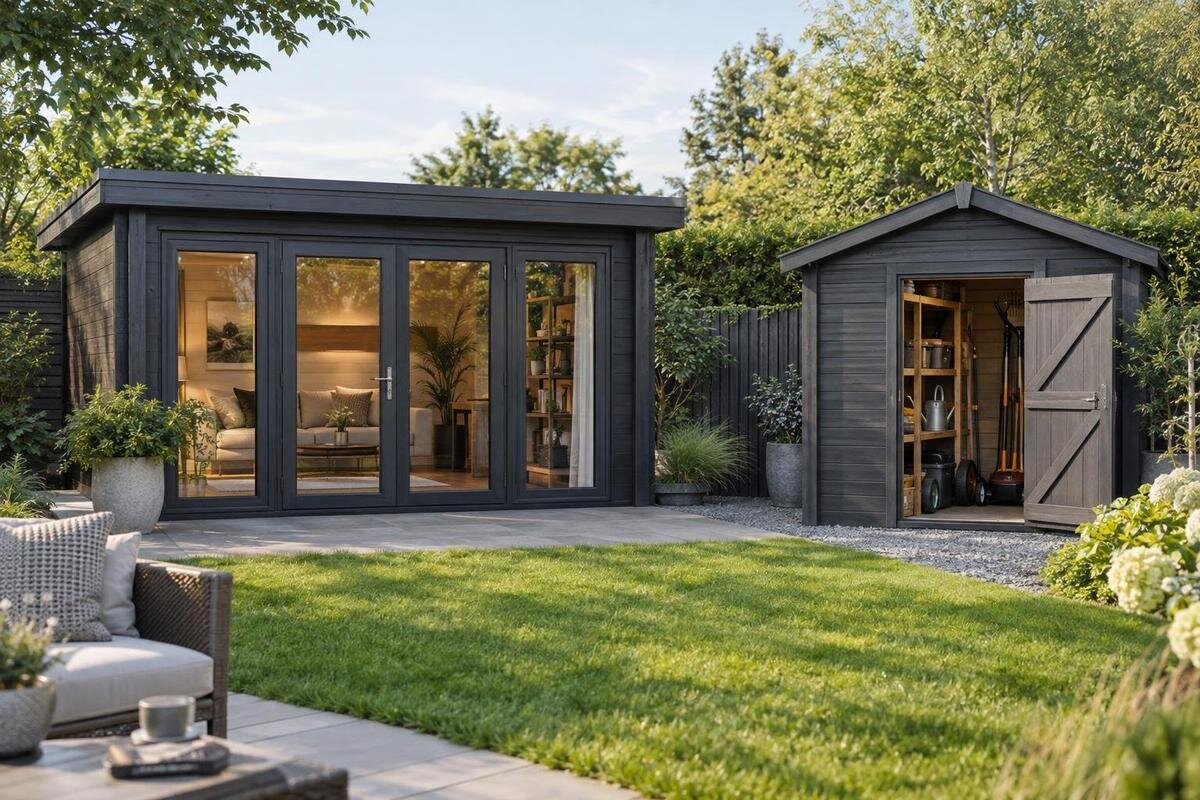
Garden shed buying guide
When you compare a garden shed with a storage shed, the names can make the choice look simpler than it is. In everyday retail language, the terms often overlap: “garden shed” points to a yard setting or gardening tasks, while “storage shed” highlights a function. Either label could describe a structure used for garden tools, seasonal items or another purpose, depending on its stated design and features. Instead of deciding from the name, compare what you will do inside, what must fit through the entrance, what the product information actually confirms and what your site can accommodate. This guide looks at the difference in purpose and design, then turns it into a practical buying check.
The terms overlap; the labels are not specifications
The labels signal emphasis more than a strict product boundary. “Garden shed” commonly connects an outdoor structure with garden work or general yard use; “storage shed” foregrounds what it is meant to hold. Retailers can describe similar products with either phrase, and a search result may place a listing under one term even if its detail page uses another. The name alone does not tell you the interior dimensions, whether a floor is included, how the openings are arranged or what weather protection is stated. Treat the label as a clue for browsing, not a specification; it does not guarantee storage capacity either.
This distinction matters when you compare options. A garden shed may meet a storage need if its documented layout, access and stated conditions suit the items; calling something a storage shed does not automatically mean its interior is easier to organize. Read the information for the specific model, then ask the seller or manufacturer about any missing detail that affects your plans. Searching both terms is useful, but choosing by either phrase alone is not. The intended uses can overlap, so compare candidates on the same checklist rather than treating the names as separate types.
Choose by contents and daily tasks
Begin with an inventory, not a preferred label. Write down your largest and most awkward items, such as long-handled garden tools, folded patio furniture, a mower, bags or boxes, and note how often you need each one. Frequently used tools need a convenient route in and out; seasonal belongings may sit for months, so access can matter differently. If you also want room for potting or a hobby, include the work surface, supplies and space to move around it in your plan rather than adding them mentally after you choose.
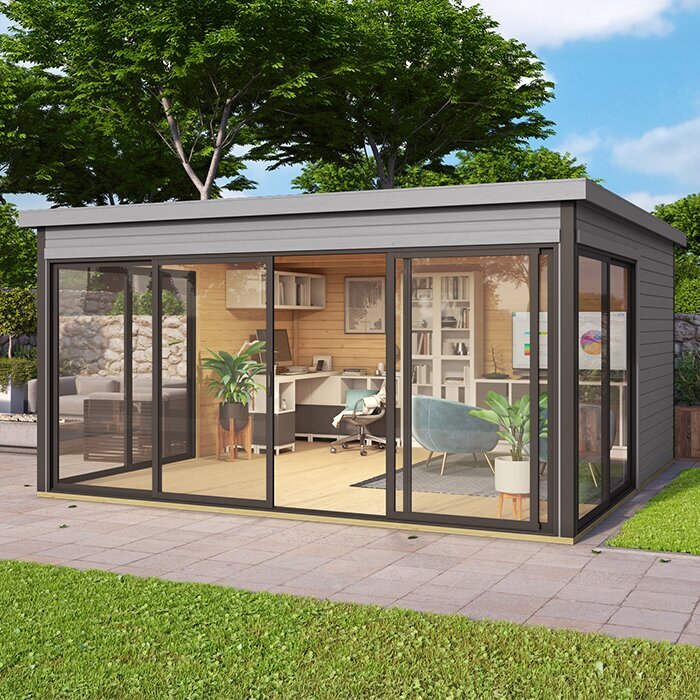
Separate essentials from nice-to-haves. Note whether each item needs to stay dry, remain secure, go on a shelf or be reached without moving other belongings. Then rank the jobs: primary storage, garden work or a genuinely mixed use. The Verdana 1 garden house can be one entry on a shortlist, but its name does not establish capacity or suitability for any item. Compare the dimensions and features actually stated, and request missing information where it matters. This inventory can rule out an appealing option that does not fit your routine.
Layout and access affect everyday use
Check the stated clear opening, door position and any threshold against the widest item you intend to bring inside, including handles or attached equipment. Think through the route from the yard: a narrow path, steps, a gate or a sharp turn may make a large item difficult to manoeuvre even if it fits on paper. For shelves or a work surface, consider whether the doorway and interior layout leave room to move around without blocking the entrance. Use measured product dimensions for this check, rather than estimating from a perspective photo.
Windows and other openings can change how you use the interior. Natural light may help with sorting or garden tasks, but openings can reduce uninterrupted wall space for tall tools or racks. Do not assume a window opens or provides ventilation unless the listing says so. If a page gives only overall dimensions, ask for the relevant interior and opening measurements before relying on it. Compare the Verdana 2 garden house with your access checklist, but let stated details—not the model name or a staged image—settle questions about its layout.
Measure the footprint, route and delivery access
Measure the planned footprint on site and compare it with the structure’s outside dimensions. Include any projections or clearances shown in the manufacturer’s drawings, and account for nearby fences, plantings and paths. Leave enough room for the entrance to function and for people to pass it. Assembly may also need working space, so check the instructions or ask how much access the process requires. Marking the footprint on the ground can reveal a conflict that is hard to notice on a screen, but it cannot replace exact external measurements from the product information.
Include delivery access in the same check. Measure the route through gates and around corners if a large package or its components must reach the site, then confirm the delivery method and unloading arrangements. Images give no reliable scale for those decisions. Compare the Durano garden house with the space available using its stated footprint, or request the dimensions if they are not provided. Check the package information too; a structure that fits its intended spot may still be difficult to bring through the route to get there.
Confirm the base and local site requirements
Support and site preparation depend on the particular product and ground conditions, not on whether a listing calls it a garden shed or a storage shed. Find out what base the manufacturer specifies, whether a floor is included, what kind of surface is required and how water should be managed around the structure. Do not assume an existing patio, gravel area or lawn meets those instructions. If the site is uneven, drains poorly or needs substantial preparation, ask a qualified installer or contractor to assess it rather than improvising a foundation.
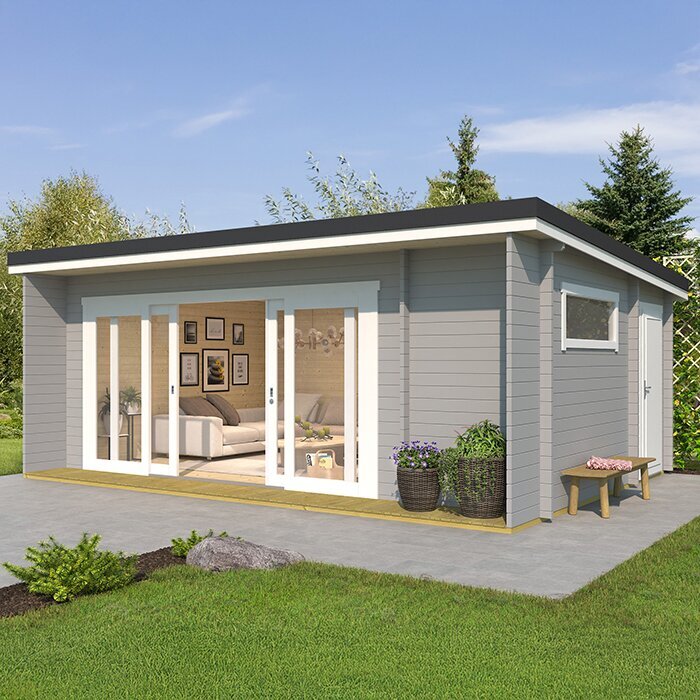
Check applicable local requirements and property constraints before committing to a size or location. These can depend on where the property is and on the proposed structure, so confirm them with your municipality or relevant local authority. Review any property documents that affect where you can build, and check for buried services or other site constraints before ground work. For the Veltor 1 listing, as with any candidate, obtain the manufacturer’s base and placement requirements if they are not clearly stated. The model name is not evidence about installation.
Compare weather protection and upkeep
Assess weather protection from product information, not from category labels. Consider the exposure at your property—such as wind-driven rain, snow, sun and damp—and look for stated intended conditions, material details, roof and wall construction information, and any relevant limits. A photo can show appearance but cannot confirm resistance or load capacity. If the documentation does not address a condition that matters, ask the manufacturer or a qualified building professional to clarify suitability before buying. A general description such as “outdoor” should not be taken as a guarantee for every yard or season.
Maintenance belongs in the comparison too. Check what care the manufacturer requires, whether surface treatment is included or needs to be done separately, and how much upkeep is expected. Compare that work with the time you can realistically give the structure. Do not infer a material from a model name, or assume a garden shed is more weather-ready than a storage shed. Use the Orello 1 listing as one page to assess against this checklist: rely on explicit material and care information, and ask for it if the listing does not provide enough detail.
Balance light, wall space, privacy and security
Think about light, visibility and privacy as practical trade-offs. If you will sort tools or work with plants inside, check whether the stated window and door arrangements provide the kind of daylight you want; do not count an opening as a light or ventilation feature based on an image alone. More glazed wall area can also mean less continuous space for hanging equipment or shelves. For a storage-first plan, wall placement and entry visibility may matter more than a view. Compare actual opening positions and sizes with your preferred interior arrangement where that information is available.
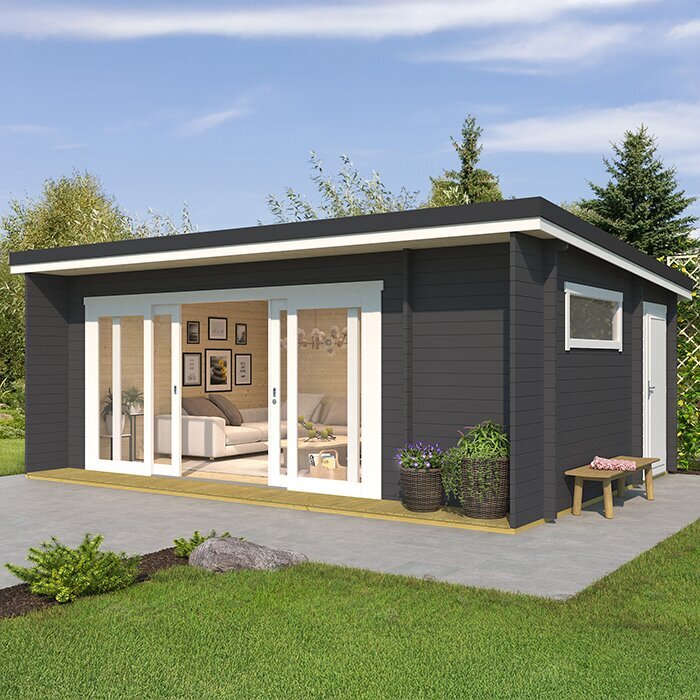
Security deserves a separate check if you plan to store valuable or sensitive items. Confirm what locking hardware is supplied and what the instructions say about fitting additional hardware. Consider whether the location makes routine access comfortable and suits your privacy needs. A product title or photo does not confirm a lock or a particular level of security. When comparing the Modano 1 listing, note only features expressly stated and ask about gaps; do not assume anything about glazing, locks or privacy from the model name.
Plan storage around the items you use
Storage capacity is more than floor area. Sketch a simple plan for bulky, tall and frequently used belongings, then compare it with the usable interior dimensions, door clearance and wall space. Measure the items themselves, including handles, wheels or cases. Shelves can make small items easier to reach but may obstruct a mower or long tools; keeping everything on the floor can leave no clear path. Look for stated shelf, hook or rack options and check whether they are included, optional or not mentioned. Do not assume a fitting is part of the order because it appears in a product photo.
A mixed garden-and-storage use calls for a layout that can handle changing contents. Keep frequently used items near a clear route, and decide where to put soil, wet equipment or supplies. Follow each item’s own handling instructions if it needs special storage. The Garden Shed M listing can be compared with other options, but the letter M does not tell you the interior measurements or usable capacity. Check the exact dimensions, included fittings and stated intended use before planning a tightly packed interior; verify any listed shelf or storage limits before adding heavier items.
Check product and delivery details before ordering
Compare like with like on the product page or in a written quote. Confirm the exact model, outside and interior measurements, materials stated by the manufacturer, package contents, whether flooring or hardware is included and which assembly tasks are yours. Check the delivery method, unloading expectations, access limits and any charges that apply. Do not assume delivery includes carrying a package to the final site. If information is unclear, ask and keep the reply so you can compare the same details across your shortlist.
Review the current terms for assembly, missing or damaged parts, returns and any service the retailer offers. These are purchase conditions, not qualities you can infer from a photo. Set a total project budget that accounts for the structure plus any necessary base preparation, accessories and assembly; do not treat optional extras as included. Put the Garden Shed S page beside your other candidates and verify its package and delivery details before choosing. The S in a model label is not a measurement, so use stated dimensions to assess fit.
When one shed needs to do both jobs
A combined garden-and-storage plan needs a priority, because a single interior can be pulled in different directions. Gardening work may call for a clear area to sort supplies, while storage depends on fitting belongings without blocking access. Decide which activity happens most often, how much floor space it needs and which items must be easy to reach. If a work surface will share space with stored equipment, include the area needed to use it, not just the furniture footprint. If the plan leaves no clear route or makes important contents hard to reach, narrow the list of intended uses or reconsider the layout.
Use a comparison sheet with three columns: must-have, useful extra and unknown. For every candidate, record only confirmed facts—dimensions, openings, intended use, care, base requirements, package contents and delivery details—and mark anything that still needs an answer. Eliminate an option only when it conflicts with a genuine requirement, not because its title sounds more storage-focused or garden-focused. If no single shed meets your priorities within the available space and budget, reconsider the contents or separate the storage and work functions.
Frequently asked questions
Are garden sheds and storage sheds different product types?
Not necessarily. The terms often overlap, and retailers may use them differently. “Garden shed” usually emphasizes a yard or gardening context, while “storage shed” emphasizes the job of holding belongings. Neither label reliably confirms a structure’s dimensions, materials, weather protection or suitability for a particular use.
Can a garden shed be used mainly for storage?
Yes, if the structure’s stated features suit what you plan to store. Check the interior dimensions, openings, access and any relevant care or weather information. The garden-related label does not confirm storage capacity, and a product photo alone cannot show whether your belongings will fit.
What should I compare when storing garden tools?
Check the clear doorway against your largest items, then look at usable interior space and wall placement for long tools, shelves or racks. Confirm which fittings are included and whether any stated storage limits apply. Plan a clear route to frequently used items so they are not blocked by seasonal belongings.
What should I confirm before ordering a shed?
Confirm the exact model, outside and interior dimensions, package contents, base requirements, assembly responsibilities and delivery arrangements. Measure the site and access route, and check applicable local requirements before committing to a location. Ask the seller or manufacturer about any missing detail that could change your decision.
Can a storage shed also be used as a workspace?
Possibly, but the name does not confirm that it suits indoor work. Check the stated intended use, openings, usable layout and relevant weather information. If regular occupancy or a particular installation is part of your plan, confirm the requirements with the appropriate local authority or a qualified professional.
Ultimately, garden shed and storage shed are overlapping descriptions, not enough information to predict how a structure will work in your yard. Choose by the job first, then test each candidate against access, usable space, site preparation, documented conditions and order details. A storage-first shed may still suit garden tasks, and a garden-focused building may hold belongings, but only stated features and your own measurements can confirm that fit. The most useful comparison is the one that leaves no critical assumptions about what arrives, where it can go or how you plan to use it.
