
How Often Should You Repaint a Wooden Garden Shed?
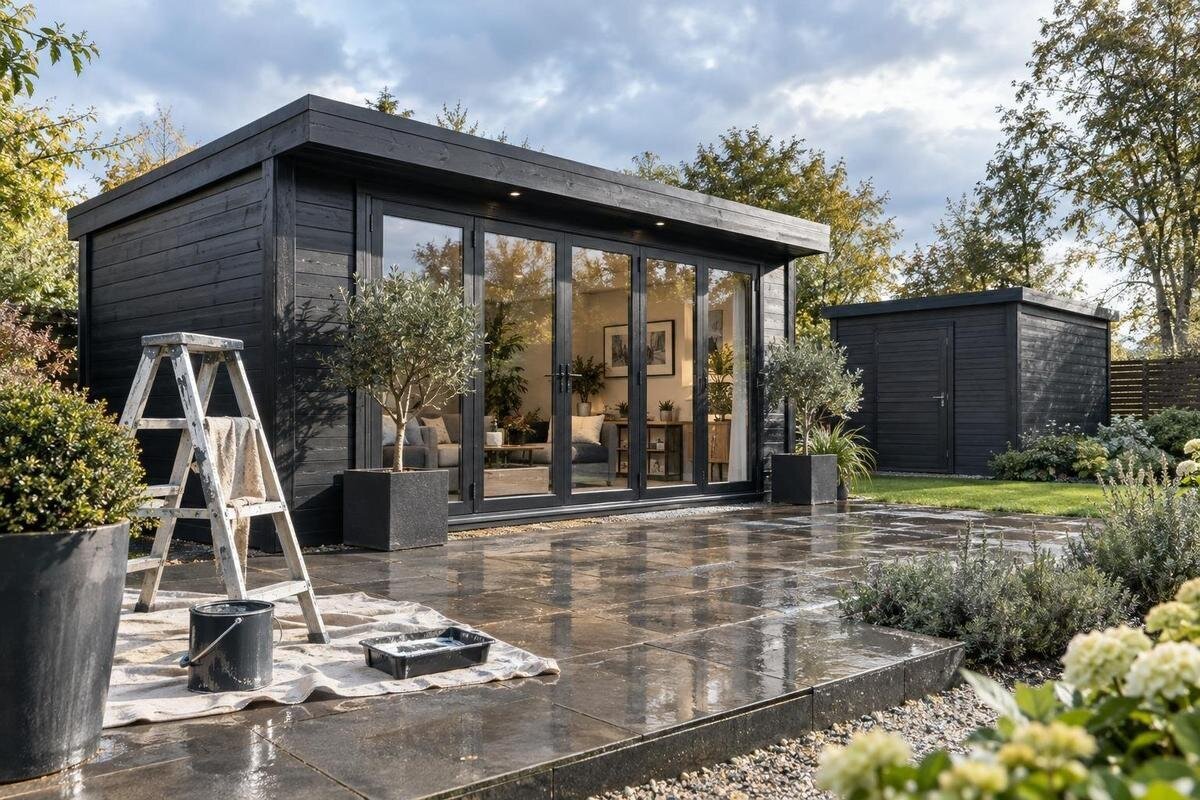
Wooden garden shed maintenance
Paint on a wooden garden shed does not come with one dependable repainting calendar. The interval depends on the coating, its present condition and how much sun, rain and seasonal weather the shed faces. A practical routine is to inspect it once a year and repaint when the finish shows clear failure, such as peeling, cracking or exposed wood, or when the coating maker’s instructions call for renewal. Fading alone may be a prompt to monitor and plan, rather than proof that a fresh coat is already due.

01
Why there is no fixed repainting interval
A single number cannot account for every wooden garden shed. Repainting needs depend on the coating’s stated service and recoat guidance, the condition of the wood when it was coated, how evenly the finish was applied, and the amount of sunlight and moisture it receives. One wall may get direct sun while another stays shaded; a side exposed to wind-driven rain can age differently from one under shelter. Earlier upkeep matters as well: unknown products or past spot repairs make a shed harder to judge by age alone. Even sheds bought at the same time can reach the repainting stage differently because their surroundings and histories are not identical.
Use the calendar as a reminder to inspect, not as a repaint order. If the paint still adheres, has no cracks or bare patches, and remains within its product’s care guidance, a fresh coat may not be due simply because several seasons have passed. On the other hand, obvious peeling or exposed wood should not be ignored because a shed is relatively new. Where instructions give a maintenance or recoat interval, use that as your starting point and note whether it refers to the original coating or later paint. A generic rule cannot replace guidance for the finish actually on your shed.
Which changes show that paint is wearing out
Fading or a change in colour is often the first thing people notice, but colour loss by itself does not tell you whether the coating has stopped adhering. Compare a sun-exposed wall with a sheltered one, and note whether the surface merely looks lighter or also seems powdery, rough, cracked or thin. A chalk-like residue can be a sign the coating has weathered, but consider it alongside the paint maker’s guidance and other visible changes. Look in consistent daylight where possible, since a wet surface or deep shade can make colour harder to judge. If appearance is the only concern and the paint remains sound, you may have time to plan rather than repaint immediately.
More direct warning signs include edges lifting, flakes coming away, blistering, cracks that open through the film, or patches where the wood is bare. Look for a pattern: a single nick is different from repeated peeling across boards or several walls. Notice, too, whether marks return in the same damp area after earlier work; recurring damage may point to a moisture issue that paint alone will not solve. Widespread failure, or exposed wood that appears to be deteriorating, calls for a closer assessment before you decide whether a local repair or full repaint is appropriate. Record what you see rather than relying on one quick glance.
02
How sun, rain and shelter change the timing
Outdoor coatings face more than one kind of wear. Sunlight can fade colour and gradually affect a paint film; rain repeatedly wets exposed surfaces, while splashback from the ground can keep the lower part of a wall damp. Shaded corners may dry more slowly than open faces, and seasonal shifts bring changes in moisture and temperature. Shelter is not automatically a benefit: trees or nearby structures can reduce direct sun but may also block airflow or leave surfaces damp. These differences are reasons to compare the shed’s sides, not to assume that every wall—or every yard—will follow the same repaint timetable.
Inspect the actual site as well as the product information. If you are considering a Verdana 1 garden house, ask what exterior finish is supplied and what maintenance guidance applies to the location you have in mind. Product names and listing photographs cannot establish how a shed will weather after installation, since exposure and placement are site-specific. Before committing, match the finish instructions to the conditions you expect, and plan to check the more exposed faces separately rather than using the best-looking wall as the measure for the whole building.
A practical annual inspection routine
Make one deliberate inspection each year, with an extra look after unusually severe weather if it is safe to do so. Choose daylight and a dry spell so that colour changes, lifting edges and surface defects are easier to see. Walk around all accessible sides at ground level; compare the sunny and sheltered faces, lower boards, corners, joints, trim and areas around openings. These locations can show changes that are easy to miss from the doorway. Do not climb onto the roof or lean out to reach a high wall. If a surface cannot be assessed safely, arrange an appropriate inspection rather than guessing from below.
Keep the review simple and repeatable: note the date, the side that looks most worn and whether the change is new, broader or unchanged. A few ground-level photographs taken from similar viewpoints can help you distinguish gradual fading from fresh peeling when you check again. Site access is also worth thinking about while shopping. For a candidate such as garden house Verdana 2, consider whether the planned position will leave a safe route to view the exterior. Confirm the product’s placement instructions separately, and avoid relying on an awkward or unsafe vantage point for routine checks.

03
What the original finish means for repainting
Before estimating a repainting interval, identify what is on the wood now. A wooden garden shed may arrive with an exterior coating, or the manufacturer may specify that the owner applies one; the word “wooden” alone does not answer that question. For an existing shed, look for the original product label, receipt, maintenance sheet or paint tin, and record any later coats if you know them. If the coating history is incomplete, say so rather than assuming the current surface is the original finish. Its age and wear may reflect several products and repairs, not one continuous paint system.
When weighing up the Durano garden house, ask the seller or manufacturer for the exact finish supplied, whether any initial coating is required, and the care or recoat instructions for that model. Request written information rather than inferring details from a photograph or product name. Knowing the starting finish helps you set the first inspection date and understand what counts as ordinary ageing. If a shed is delivered unfinished, its first coating schedule is a separate question from the later repainting interval; follow the provided instructions for that stage.
Choose a suitable weather window
Even when wear makes a repaint likely, the date you choose matters. Exterior paint products set their own limits for suitable surface and air temperatures, humidity, dryness and the time needed before rain or dew; those conditions differ by product. Read the instructions for the coating you plan to use instead of applying a remembered threshold from another job. Check the forecast for the work period, not just the first afternoon, and leave room for the conditions the product requires. This is not a reason to wait for a particular month every year; it is a way to avoid planning around the calendar while ignoring the surface and weather.
Choose a locally suitable dry spell that meets the coating’s instructions, recognizing that a warm day can still be unsuitable if the wood is damp or rain is expected before the film can dry. Before ordering a Veltor 1 garden house, ask for its model-specific finish and maintenance information so you know whether a time-based recoat recommendation applies. If you hire a painter, provide the exact product details you have and ask what weather limits they will follow. A season is a planning window, not a guarantee that conditions are right.
04
Decide between a local repair and a full repaint
Not every blemish means the whole shed must be repainted at once. When a small area has worn through but surrounding paint remains firmly attached, check whether the manufacturer allows a compatible touch-up and whether the repaired patch will look acceptable. If flaking, cracking or bare spots appear across several sides, repeated spot treatment may simply postpone a broader repaint. The decision is about the extent and pattern of failure, not an arbitrary count of marks. A photo record can help show whether a once-local defect is spreading between inspections, making it easier to plan work before the affected area becomes much larger.
Paint should not be treated as a fix for wet or deteriorating wood. If the same area fails repeatedly, or the wood appears soft, damaged or persistently damp, find out why before covering it. A qualified building professional can assess damage beyond a surface-level coating issue. If you are considering an Orello 1 garden house, ask what finish, if any, is supplied and whether the documented system allows localized maintenance; a model name does not establish touch-up compatibility. This is useful information to request before purchase because it can guide future care, not because the product is known to need repairs.
Estimate the work before setting a budget
Ownership costs depend on how much surface actually needs coating, not simply the shed’s floor footprint or its age. A localized repair may involve less work than a broad repaint, which could include walls, trim and other painted exterior parts. Access and any underlying repair can add to the scope. Estimate only after checking the coating’s stated coverage and required number of coats; do not guess from a product photograph. If you are comparing contractor quotes, make sure each describes the same surfaces and repair scope so the figures are comparable. This gives you a better basis for deciding whether to schedule work now or keep monitoring an intact finish.
For a model such as Modano 1 garden house, request confirmed dimensions and finish information before estimating future coating quantities; do not use its name or image as a specification. A product page may not answer how much paintable wall area there is, so seek the details from the seller or manufacturer. For an existing shed, tell a painter which areas are failing and whether the coating history is known. Ask what the estimate includes and which repairs would be treated separately. A clear description of the work helps distinguish repainting costs from problems that need attention first.

05
Keep records of the coating and its condition
A short maintenance record makes the next inspection more informative. Write down the date, the sides checked, the colour and coating product if known, and where fading, chalking or peeling appeared. Keep any receipt, label or care sheet, and note when later paint was applied; if you do not know a detail, mark it as unknown. Similar photographs taken at each annual review can show whether wear has stopped, stayed local or spread. Over time, the record may reveal that one wall ages faster than the others, so you can watch that area more closely without repainting intact surfaces on an unnecessarily short cycle.
When buying a new shed such as a wooden garden shed M, ask for written finish and care information tied to the exact model, and save it with your purchase documents. Do not assume instructions are interchangeable between models or that the name specifies a coating. Keep the maker’s guidance even if the shed looks uniformly finished when new: it can explain how to maintain that particular surface later. This simple handover—from product information to an owner’s dated notes—makes it easier to answer “how long since the last coat?” with evidence instead of relying on memory.
When to look beyond repainting
Sometimes the paint is not the main issue. A coating that repeatedly lifts at one point, persistent dampness or visible wood damage can signal a problem that should be assessed before new paint is planned. Repainting may improve the appearance of a sound surface, but it will not correct water entering the building or repair deteriorated wood. If the wood is damaged, or the cause of recurring failure is unclear, ask a qualified professional to assess it. Decide whether a repaint, a repair followed by repainting, or a larger ownership decision makes sense only after you understand what the finish is covering.
If much of an older shed remains sound and its coating has simply reached the end of its life, a repaint may be the relevant maintenance expense; if damage and repeated repairs dominate, compare that work with replacement. When reviewing a possible alternative such as a wooden garden shed S, confirm its exact specifications and request written finish and care guidance rather than assuming a new model needs less attention. The same inspection principles still apply: look at the evidence on the existing shed, follow product-specific instructions and avoid assigning a repaint date from age alone. That gives the decision a practical basis instead of a guess.
Frequently asked questions
How often should I inspect the paint?
A thorough visual check once a year is a useful routine, even if the shed looks sound. Check again after unusually severe weather if it is safe to do so. An annual inspection is not the same as an annual repaint: use what you see, along with the coating’s care instructions, to decide whether work is due.
Does faded paint mean I need to repaint?
Not necessarily. Colour loss can be an early sign of weathering, but fading alone does not show whether the paint is peeling or cracking. Look for changes in the coating’s condition as well. If it remains intact, follow its maintenance guidance and keep an eye on the faded area rather than assuming a new coat is immediately needed.
Can one wall need repainting before the others?
Yes. Sun, wind-driven rain, shade and splashback can affect different sides in different ways. Inspect each accessible wall instead of judging the whole shed by its best-preserved face. A localized problem may need a different response from widespread peeling, so note where the wear appears and whether it changes between inspections.
Should I repaint over peeling paint?
Do not treat a fresh coat as a solution to peeling underneath. First find out whether the wood is sound and whether moisture or another recurring issue is contributing to the failure. Follow the paint and shed makers’ instructions, and seek a qualified assessment if the wood appears damaged or the cause is unclear.
What time of year is best for repainting?
Choose a period when the surface and weather meet the instructions for the specific coating. Those instructions may set limits for temperature, moisture, rain and drying time, so a particular month is not a guarantee of suitable conditions. Check the forecast for the planned work period before booking or beginning the job.
There is no single repainting interval that suits every wooden garden shed. An annual inspection gives you a regular chance to spot fading, peeling, cracks or exposed wood, while the coating’s own instructions help set expectations for its care. Compare the exposed sides, keep a record of changes and investigate recurring damage before repainting. When the paint is intact, age alone is not a reason to apply another coat; when it is failing, its condition—not a generic calendar—is the clearest cue to act.
