
What Pergola Information Should You Give Your Insurer?
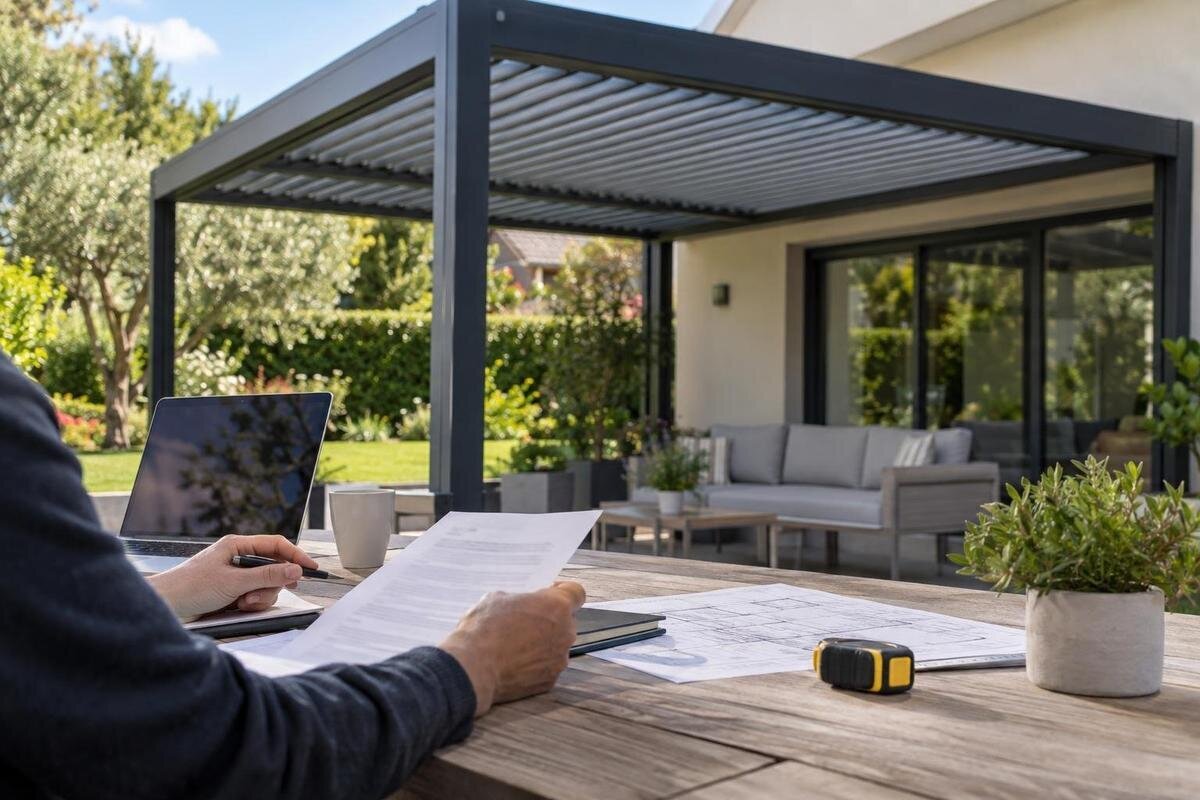
Pergola insurance
Pergola insurance is not a yes-or-no question that can be answered from the product name alone. Your insurer needs an accurate account of what is being built, where it will sit, how it will be supported, what equipment it includes and who will install it. Prepare those facts and ask how they apply to your specific policy; do not assume a pergola is automatically included or excluded.

01
Contact your insurer before work begins
Contact your insurer or broker before ordering or booking installation, then confirm the completed details if the insurer requests them. Ask when it wants notice and what information it needs at each stage; policy wording and processes vary, so an online answer, a contractor’s opinion or a product description cannot determine your coverage. Give approximate dates for site preparation, delivery, installation and any later work, labelling tentative dates as estimates. If the pergola is already in place, say so and give the actual installation date. Describe its current state honestly, including unfinished work, equipment still to come or differences from the original plan. A proposed project and an installed structure are not the same set of facts.
Have the policyholder’s name, property address, policy number and a short project summary ready. Ask whether the insurer wants the change noted, whether it will review the policy or request more details, who should receive drawings and invoices, and what written record you should keep. If you are comparing options, an exact catalogue name such as Bloomcabin’s wall-mounted pergola can identify what you mean, but it does not replace the final quote or configuration. Record the date, contact channel, representative or department, reference number and any requested follow-up. If an answer is unclear, ask whether a policy document needs to be updated rather than relying on your own interpretation of the conversation.
Describe the pergola as it will actually be built
Use specific, measurable terms rather than relying on a broad label such as patio cover. Tell the insurer whether the pergola is free-standing or connected to the house, whether it is a kit or custom design if known, and the model, supplier and options shown on the final paperwork. Provide the overall length, width and height from the latest drawing, and explain what each measurement describes: the supports, outer frame or roof projection. If the size is still being selected, call it a proposal and say when you expect to confirm it. If you have measurements for both the footprint and roof area, label them separately. Do not infer exact dimensions or construction details from a product name or photograph.
Include a plan view and, if available, an elevation that shows the pergola in relation to the house. Mark the supports and the side that meets the house, if any; show the overall footprint and note whether it sits on a patio, deck or other surface. A catalogue entry such as Bloomcabin Pergola can help identify a model, but send the order confirmation or configured drawing that matches your purchase. Ask the insurer whether it needs a supplier specification, professional drawing or another description. The most useful information is a clear record of the actual structure, not technical details guessed from a similar model. If the plan changes, identify which drawing is current.
02
Explain the roof and included equipment
Describe the roof as specified in your project documents, not as you assume it will behave. Note whether it is fixed or has moving parts, how it is operated if known, and which configuration appears on the quote or manual. For an adjustable or motorized system, identify the included controls and electrical components from those records. Do not claim that a roof closes, seals, drains or handles particular weather unless the supplier’s documentation expressly states that. Marketing terms can be broad; the insurer needs to know what was purchased and installed, not a performance claim inferred from a category name.
List equipment as included, optional, added later or not selected. Depending on your project, that might mean screens, side panels, lighting, a heater, a fan, drainage components or other equipment. State which items are attached to the pergola and whether powered equipment was supplied with it or handled by a separate contractor. A name such as Bloomcabin Bioclimatic Pergola identifies a catalogue model, but does not tell the insurer which roof specification, controls or extras are in your order. Attach the itemized quote and any change orders. If a feature is still undecided, label it that way rather than describing it as part of the installed structure.
Show where the pergola sits on the property
Give the full installation address and identify the precise part of the property: beside the house, over a patio, at the rear of the yard or elsewhere. A marked site plan can show the house, pergola footprint, nearby buildings and access points without attempting to assess risk. Note whether the pergola is attached to a wall or separate from the house, and whether it sits over a deck or another existing feature. If the insurer asks about nearby trees, fences, slopes or other site conditions, answer from what you know and include a photo where useful. Do not guess how a particular site feature affects your policy.
Take dated photos from several sides, with enough surrounding context to show where the pergola sits. If accessible and safe to photograph, include close views of connection points and supports; photos taken before those details are concealed during installation may be helpful. Keep original files and pair the images with a plan so the insurer can tell which side or location each image shows. If you selected the wall-mounted Bloomcabin model, mark the actual wall and attachment location rather than relying on the listing’s name. Ask whether the insurer prefers particular images, measurements or file formats, and submit them through the channel it specifies.

03
Record who designed and installed it
Separate the roles of seller, designer, installer and tradespeople. Give each business or person’s name, the work they handled, and the planned or actual dates. Attach the contract or scope page showing what was included and excluded. Buying a kit alone does not tell the insurer who prepared the base, anchored the supports, connected equipment or completed later changes. If you did some of the work yourself, state which parts rather than leaving a gap in the project record. Where several contractors are involved, identify who is responsible for each part of the work. This is a factual handover, not a statement that a particular installation arrangement is acceptable under your policy.
Ask the insurer whether it needs particular installation records, qualifications, inspections, permits or other documents for this project; do not assume that a checklist from another property applies. If a local approval or inspection applies, keep the record and verify requirements with your municipality or an appropriate local professional. Retain invoices, inspection records if obtained, and messages about substitutions or site changes. If the quote names the regular Bloomcabin pergola model, keep its matching order documents with the installer’s contract so the product supplied is clear. For technical questions about a support or connection, ask the responsible supplier or a qualified professional for an explanation rather than estimating it yourself.
Describe the surface and support arrangement
Explain what supports the pergola and what those supports are fixed to. Record the visible surface, such as paving, a concrete slab, a deck or soil, and describe the installed arrangement using the supplier’s drawing or installer’s records. Do not call a surface a foundation, assume a deck can carry the structure or infer anchoring from a photograph. If the pergola connects to the house or an existing deck, say whether that feature was altered and who carried out the work. If a patio or deck predates the pergola, make that clear. These details help describe the installation to the insurer; they do not replace a professional assessment of structural suitability.
Ask the installer or supplier for documents that accurately describe the base and anchoring used, then give them to the insurer if requested. A catalogue page for the bioclimatic pergola model identifies the product name only; it cannot establish what supports it at your address. Keep drawings, site notes, invoices and dated installation photos together, especially if a deck contractor and pergola installer had separate scopes. If the project has not started, mark the support details as proposed and confirm the final arrangement after work. Do not provide guessed anchor sizes, load figures or engineering calculations; refer those questions to an appropriately qualified professional.
04
Assemble a clear project file
Build one compact project file instead of sending disconnected attachments. Put the address and policyholder’s name on a cover note, then include the final quote, model and options, dimensioned drawing, installation scope, invoices and relevant manuals or supplier instructions. Add approval or inspection records if they apply and are available, and label estimates or pending items clearly. Use file names that identify the document and date so the insurer can tell which version is current. A catalogue page such as Bloomcabin’s wall-mounted model page may help identify the selected model; keep the signed order and configured documents as the record of what you bought. Save superseded drawings separately and mark them as old.
Keep a copy of everything sent, along with the insurer’s reply and any policy document or written amendment it directs you to retain. If the design changed after the first quote, include the change order and identify the drawing that matches the completed work. Save call notes with dates, names or departments, reference numbers and a short summary of what was requested; treat your notes as a record of the conversation, not a replacement for policy wording. Ask how to submit documents securely and whether the insurer wants one package or separate files. A dated, organized record makes it easier to connect an answer to the correct drawing, contract and installed configuration.
Separate the original scope from later additions
Distinguish equipment supplied with the pergola from items added by you or another contractor. Depending on the project, an itemized record might include lighting, a heater, a fan, screening, shade fabric, motorized controls or drainage parts; list only what is specified or installed. For each item, record who supplied and installed it, when it was added, whether it is fixed to the structure and where its receipt or instruction sheet is filed. Note whether an item is permanent or removable if that is clear from the actual configuration. If you do not know its model or connection details, ask the installer rather than assigning specifications from an image or a similar product.
Ask the insurer whether accessories change the information it needs, how it wants them described and whether a later addition should be reported before installation. This is useful when electrical work, structural changes or another roof component fall outside the original contract; do not assume that the old project description still matches. If the base unit is Bloomcabin’s regular pergola model, keep its order documents with the actual option schedule and accessory invoices. Ask whether the insurer wants replacement-cost values or purchase amounts instead of supplying a figure that mixes the structure, installation and unrelated landscaping. Keep a revised inventory when equipment is added or removed.

05
Ask how the policy applies
Ask for a clear explanation of what the policy does and does not say about your pergola. Questions can include how the insurer classifies it, which policy wording applies, and what limits, deductibles, exclusions or conditions are relevant. Ask whether it needs a policy change or endorsement. Do not treat a general acknowledgement that the insurer received your notice as proof of coverage. Ask what written record confirms its position and whether the answer applies to the model, location, installation and accessories you described, rather than to pergolas in general.
Use concrete examples to make the discussion useful: ask how the policy addresses damage to the pergola, damage involving the home or equipment on it, and injury or damage involving another person. You can ask about particular causes, such as wind, fire, falling objects or theft, but request the applicable wording and exclusions rather than assuming any event is covered. Confirm any separate deductible, limit, condition or claim documentation the insurer identifies. If an answer is unclear, ask for the relevant policy section or a written explanation from an authorized representative. Keep it with the project file and check that later updates still match the installed configuration.
Update the record when the project changes
Treat your first notification as the beginning of a record, not a description that stays accurate automatically. If the selected model, footprint, attachment, roof, accessories or installer changes after your initial call, compare the final plan with what you described and ask whether the insurer needs an update. When installation is complete, send the actual completion date and final documents through the channel it specifies. If the structure is partly complete, make that clear; do not present planned equipment as installed or an old drawing as an as-built plan. A final check against the order and contract can help identify what changed.
Keep a dated log of what changed, when, who did the work, which document supports it and when you told the insurer. Save the response beside the relevant revision so it is easy to connect to the right configuration. If the pergola is repaired, altered or fitted with an addition, ask what information the insurer wants for that change; the answer may depend on the policy and the work involved. Before a future change, a short query can clarify whether advance notice or new documents are needed. The practical goal is a record that describes the pergola actually at the property, not an earlier version of the plan.
Frequently asked questions
Should I contact my insurer before the pergola is installed?
Ask your insurer or broker when it wants to be notified and what details it needs before work begins or after installation. If the pergola is already in place, give the actual installation date and describe what is there now. The insurer can explain whether it needs an update to your policy.
Is a pergola automatically covered by home insurance?
There is no safe blanket answer. Coverage depends on the wording of your policy and the insurer’s assessment of the structure and project. Ask how the pergola is classified, what terms apply and whether the insurer needs a policy change; do not treat an acknowledgement of your notice as confirmation of coverage.
What measurements should I provide?
Use the dimensions on the latest drawing or confirmed project documents. Explain whether they describe the supports, outer frame or roof projection, and distinguish an estimate from a final measurement. A plan view and, if available, an elevation can make the size and relationship to the house easier to understand.
Does it matter whether the pergola is attached to the house?
Describe the actual arrangement rather than assuming one type receives different coverage. Tell the insurer whether it is free-standing or connected to a wall, identify the connection location and show it on a drawing or photo. Ask how the policy treats that specific installation and whether it needs more information.
What if I add equipment after installation?
Keep a record of what was added, when, who supplied or installed it and how it differs from the original quote. Ask the insurer whether it wants an update before the work or once it is complete. Report the actual configuration rather than relying on the description you gave for the original project.
The most useful information for your insurer is a consistent account of the pergola you actually plan to install or already have on site. Match the model and dimensions to the latest drawing, describe its location and support arrangement, separate included equipment from later additions, and keep installation records together. Then ask which policy wording applies and what written confirmation to retain. If the project changes, update the record so the insurer’s explanation relates to the finished configuration rather than an earlier idea.
