
Plan a Garden Shed Without Blocking Natural Light at Home
Garden shed planning
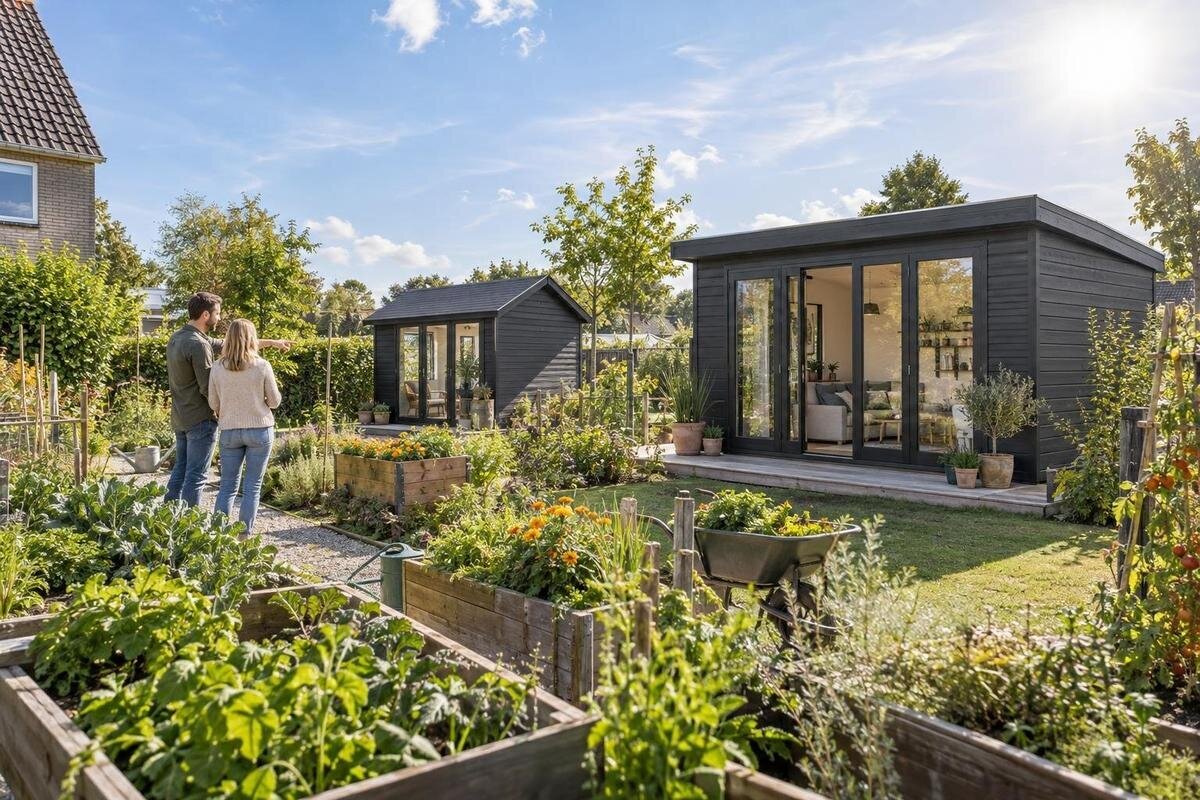
Choosing a garden shed also means deciding what remains visible from your windows. A structure that fits an open corner on a plan can still shade a room, narrow its view of the sky, or cast a moving shadow across a window at certain times of day. Its effect depends on more than the footprint: height, width, distance from the house, window orientation, and the sun’s path all matter. Before ordering, identify the rooms where daylight matters most, test a few possible locations, and compare each with the complete exterior dimensions of the model you are considering. That keeps light in the decision without overlooking access or how you use the yard.
01
How a shed can affect daylight
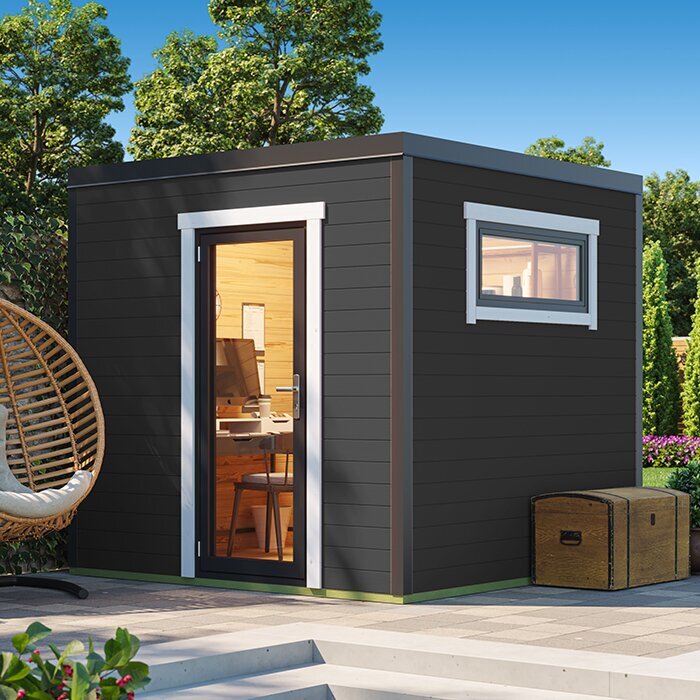
Daylight through a window is not limited to a direct beam of sunshine; it also comes from the part of the sky visible through the glass. A nearby garden shed can reduce that open-sky view even on a cloudy day, when there is no sharp shadow on the window. In direct sun, the same structure may interrupt sunlight for certain hours. These are separate effects: moving shadows follow the sun, while a blocked view depends more on the shed’s height, width, distance, and position relative to the window. Other windows in the room do not automatically make a change at this one irrelevant.
Give more attention to windows serving rooms you use often or that have few other sources of daylight. A kitchen window, a living-room window, and a small bedroom window may matter for different reasons; the biggest pane is not automatically the one to protect first. Note whether you value a view, direct sun at certain hours, or a generally open outlook. Two windows on the same wall can receive different light if one is lower or screened by planting. Rank your priorities in your own terms, and decide whether the key concern is a particular period of direct shade or keeping a broad view of the sky.
Make a window-by-window site sketch
Draw a simple outline of the house and the part of the yard you are considering. Mark every nearby window that could face the shed, along with the room it serves and its approximate height above the ground. If you know which direction a window faces, note that too. Include existing fences, garages, mature trees, and other large obstructions: they already affect the sun and the view from the glass. Your sketch does not need to be to scale. Its purpose is to keep the relevant openings and features in view while you compare possible locations, rather than relying on memory of the yard.
Next, look out from each priority window at the height where people normally use it. Note whether the view opens mainly upward, to one side, or across the garden, and whether a possible shed location falls into that sightline. Take photos from consistent positions so you can compare locations later; a view from the lawn can make a structure seem smaller than it will from indoors. Include windows on the sides of the house, not just those facing the garden. These observations show which openings could be affected and help you judge a proposed location against the house itself.
02
Observe the sun and shadows over time
Visit the yard at several times, such as morning, around midday, and late afternoon, and note where the sun and shadows fall relative to the important windows. A shadow changes direction and length through the day; a low sun creates longer shadows than a high sun. The sun’s path also shifts through the year, so a location that leaves a window clear during one season may shade it during another. Write down the date and time beside each observation. This is more useful than a general description such as a sunny corner, which says little about the light reaching a particular room.
If you cannot observe every season before buying, use the information you can gather alongside a sun-path tool as a rough planning aid. Such a tool cannot account for every tree, fence, or nearby building on your property, so confirm the view outdoors where possible. Consider which hours matter to your household, then compare those with the shadow directions you recorded. Once you have narrowed the timing that matters, pair your observations with confirmed measurements for a candidate such as Verdana 1 Garden House. A model name or product photo cannot show how a shadow will fall at your home, so treat the estimate as a comparison rather than a promise of particular daylight.
Compare the shed’s height, width, and distance
Height, width, and distance work together. A taller shed placed close to a window can fill more of its view and may cast a longer shadow across it when the sun is low. Moving the structure farther away changes the angle at which it blocks the sky, but distance alone does not guarantee a clear window; a broad building can still occupy a large part of the outlook. The relationship also depends on the window’s height and the direction of the sun. Avoid relying on a general rule about how far a shed should be from a house unless that distance is a requirement confirmed for your property.
Compare at least two possible spots and consider which wall or roof profile would face each priority window. Use the full confirmed height and width for the candidate, not only its floor area. For Garden House Verdana 2, first confirm the exterior dimensions that apply to the assembled structure, then consider them from the window and against the sun directions you recorded. A small sideways shift may preserve a sightline better than moving the shed much farther away, depending on the yard. You do not need to calculate an exact shadow by eye; the aim is to rule out positions that clearly place a tall or wide outline across a window you value.
03
Check the complete exterior dimensions
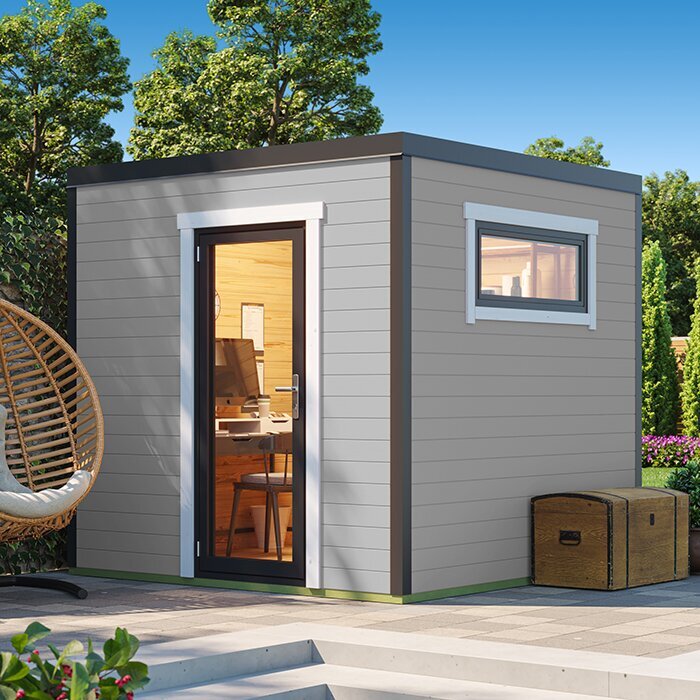
A footprint tells you how much ground a shed occupies, but not how high it will appear from the house. For a useful comparison, look for exterior measurements that identify the overall height, highest roof point, width, and depth. Check whether any roof projection is included in the stated size, and whether the drawings show the structure from the sides as well as in perspective. If the information is incomplete or uses terms you cannot interpret, ask the seller to clarify before ordering. A product photograph is not a reliable way to estimate the outline: camera angle and landscaping can distort the apparent scale.
Keep the confirmed measurements with your site sketch and note which face would point toward each window. Rotating a shed may change how much of its width faces the house, but do not assume every orientation is possible; check the product and assembly information. A listing such as Durano Garden House should be judged by its confirmed exterior measurements, not the wording of its name. Also distinguish the shed’s outside dimensions from the usable room inside. For daylight planning, it is the exterior walls and roofline that affect the view; interior capacity is a separate consideration when choosing a garden house.
Test a proposed location before ordering
Mark each promising footprint on the ground with removable markers or string, taking care not to damage the yard or create a trip hazard. Stand at the priority windows and check how the proposed outline would sit in the view. Compare the approach from the house, patio, and other places where you spend time. A phone photo taken from inside each room can preserve the comparison between two spots; keep the camera position consistent so you are comparing locations rather than different angles. If two positions seem equally suitable, leave the markers in place during ordinary yard use and see whether either creates an unexpected obstruction.
A ground outline alone cannot show roof height. Add a simple side-view sketch or photo overlay based on confirmed dimensions, then check where the top edge would sit against the window and visible sky. This is a visual comparison, not a guarantee of seasonal shade or a substitute for accurate product information. If Veltor 1 is on your shortlist, use seller-confirmed exterior measurements for the outline rather than estimating from an image. If you cannot form a reliable picture of the height, ask for a dimensioned drawing or written clarification before treating the location as settled.
04
Keep access and everyday routes in the plan
Daylight should not be the only test of whether a spot works. Check the route from the house, gate, or driveway and consider how you will carry items to and from the shed. Confirm which way the entrance faces and how much clear approach space the selected model needs. A position that protects a window may be awkward if the entrance faces a fence or narrow passage. Check the product and assembly information for possible orientations; if it is unclear, ask rather than assuming the entrance can be moved. For a candidate such as Orello 1, treat entrance orientation as a detail to verify, not something a lifestyle photo can settle.
Compare access with patios, garden beds, play areas, and routes you use throughout the year. In places where snow accumulates, consider whether winter clearing or storage changes the path you need to keep open; in other yards, seasonal garden equipment or regular maintenance may be the main concern. Avoid preserving a window at the cost of making a frequently used route difficult. A plan showing the shed outline, entrance approach, and priority windows together can reveal whether a small move would improve the light without creating a new pinch point. If one location cannot meet every need, rank the trade-offs according to how the yard is actually used.
Allow for trees and other changing obstructions
The current sun pattern is only part of the picture when trees and other structures are involved. A deciduous tree may provide different shade when it has leaves than when it is bare; an evergreen or dense hedge can screen the sky throughout the year. Existing fences and neighbouring buildings may already cast shadows, so consider the shed’s likely effect in relation to what is there now. Think about the mature size of any planting close to the proposed location, but do not assume a young tree will stay small or that future pruning will be practical. These details can change which windows are most exposed to a new obstruction.
Consider changes that could alter the view over time, such as planned landscaping, a new fence, or construction nearby. You cannot control every future change, but you can avoid placing the shed directly in the narrow opening that currently brings useful daylight to a room. Take photographs at relevant seasons if possible, and note which obstructions are permanent and which are temporary. For any option, including Modano 1, assess the confirmed exterior outline alongside the actual surroundings. A product name or staged image cannot show how the structure relates to your tree canopy, fence, or neighbouring buildings.
05
Confirm property requirements before purchase
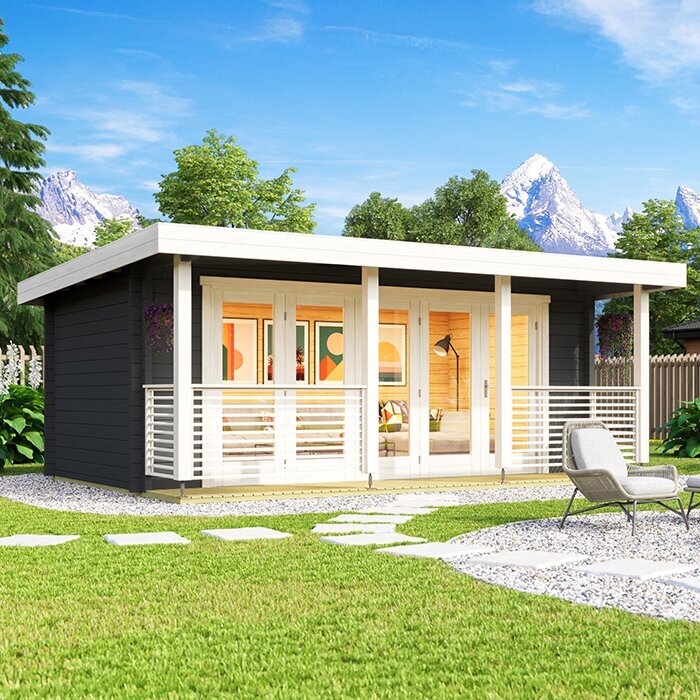
A workable location also has to fit the requirements and conditions that apply to your property. Municipal rules, property documents, easements, utility locations, and boundaries can affect where an outbuilding may be placed; details vary by municipality and parcel. Check with your municipality and review relevant property documents before committing. If a boundary or site condition is unclear, ask an appropriate qualified professional. Do not rely on a general online guide or a retailer’s product photograph to establish that a particular spot is permitted. Resolving these questions early can prevent a preferred light-friendly location from becoming unusable after you have selected a model.
When making enquiries, have the proposed position and the product’s confirmed dimensions ready, including the full exterior height if it is requested. For a model such as Wooden Garden Shed M, obtain the exact details from its product information or the seller; the name does not establish its size or suitability for a particular site. Ask which requirements apply to your address instead of treating a neighbour’s shed as a reliable precedent. If the permitted area is smaller than your preferred location, return to the window sketch and compare alternatives before ordering. This keeps site requirements and daylight in the same decision.
Compare your shortlist against the exact product details
Before finalizing an order, compare your strongest two or three locations using the same questions: which priority windows could be affected, at what times, what the shed’s confirmed exterior outline is, and whether the approach and site requirements work. A simple note such as clear, possible shade, or needs more information can make the trade-offs easier to see without pretending to predict exact indoor light. Mark unresolved dimensions and entrance details clearly. The goal is not necessarily to find a perfect location; it is to understand which compromise you are accepting and why before the structure is delivered or assembled.
Repeat the comparison using the exact product information for your final candidate, not a similar-looking model. If Wooden Garden Shed S is on your shortlist, confirm the exterior dimensions and orientation details that matter for your chosen spot; do not infer them from the name or an image. Ask the seller to clarify missing information, and take site-related questions to the relevant local office or professional. Keep the measurements, sketch, and window observations together. That record helps you see how the choice balances daylight, storage or garden use, access, and the requirements of your property.
Frequently asked questions
Can a garden shed reduce daylight without casting a visible shadow?
Yes. A shed can occupy part of the sky visible from a window without casting a distinct shadow across the glass. That may affect the open outlook and available daylight. Assess the view from indoors as well as direct shadows at different times; one check does not answer both questions.
Will moving the shed farther from the house always preserve more light?
Not necessarily. Distance matters, but so do the shed’s height, width, position relative to the window, and the sun’s direction. A broad structure farther away may still occupy a significant part of the view. Compare actual locations from indoors instead of relying on a single distance rule.
How can I check the shade before placing an order?
Observe the yard at several times of day, record the date and the shadows you see, then mark a proposed footprint and check it from priority windows. If you cannot observe every season, a sun-path tool can help with rough planning, but it cannot account for every obstruction on your property.
Are product photos enough to judge whether a shed will block a window?
No. Perspective, landscaping, and camera position can make a structure look taller or shorter than it is. Use confirmed exterior measurements and, where available, dimensioned drawings to compare the shed with your yard. Check the proposed outline from indoors rather than treating a promotional image as a scale reference.
Which measurements and details should I confirm before ordering?
Ask for the full exterior height, width, and depth, and check what the stated measurements include, such as roof projections. Confirm which side the entrance faces and whether the model can be oriented as planned. If information is unclear, ask the seller for clarification before settling on a location.
Good garden shed placement is a trade-off you can assess before ordering, not a promise that one measurement alone will preserve every hour of daylight. Use the windows that matter most as reference points, observe when they receive sun, and test the candidate’s complete outline and entrance route in the yard. Then confirm dimensions and site requirements for the exact model. A choice made with that information can fit the way you use the home and garden while avoiding an unnecessary loss of natural light.
