
Running Electricity to a Garden Shed: What to Discuss With an Electrician
Garden shed planning
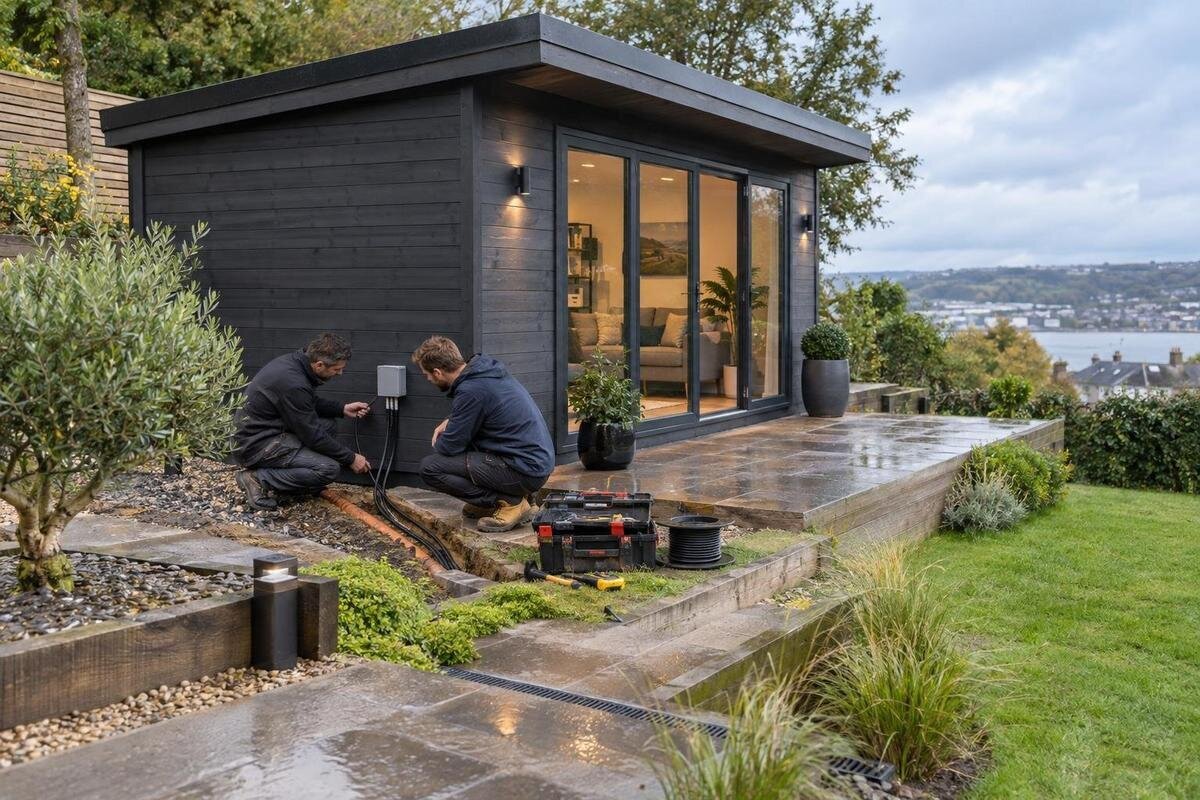
Running power to a garden shed is a site and building decision as well as an electrical one. The route from the home, the shed’s final position, the equipment you expect to use, and the timing of ordering or assembly all affect what an electrician needs to assess. Discuss those points before the building is fixed in place, rather than treating a light or outlet as a small add-on. A useful conversation covers the proposed supply, circuit protection, local approvals and inspection, plus the work sequence. Bring a simple site sketch and product information, then ask for a site-specific plan and written scope.
01
Define what you expect to do in the shed
Treat power as a list of uses, not a yes-or-no feature of a shed. A building used for seasonal storage may need a different arrangement from one used as a workbench space, hobby room or garden office. Write down every device you genuinely expect to use: fixed or task lighting, chargers, tools, computer equipment, refrigeration or heating if those are part of the plan. Separate must-haves from optional equipment, and note which items may operate at the same time. Add how regularly the shed will be occupied and whether devices are portable or intended to stay in place. This brief gives an electrician a realistic picture of the intended use; it is not a load calculation and does not show what the existing supply can support.
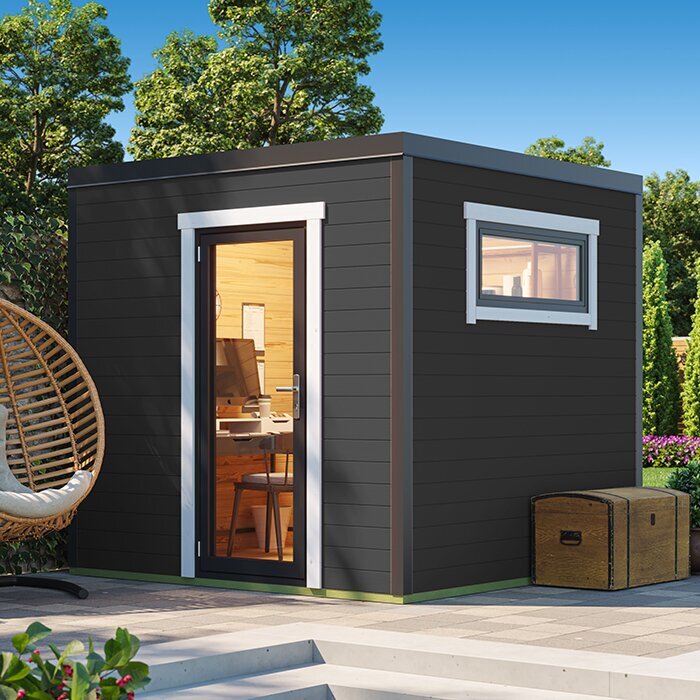
Bring nameplate information, manuals or clear photos of labels where available, especially for equipment you have already chosen. Mention possible additions separately rather than treating every future idea as a definite requirement; the electrician can explain whether those plans affect the design. When comparing buildings, a listing such as the Verdana 1 garden house can identify the model you mean, but its name or image does not establish electrical capacity, wiring provisions or suitability for a particular appliance. Ask the seller for building-specific documents and the electrician to assess your intended use against the actual site and supply.
Have the electrician review the supply route
Ask the electrician to consider the route from the home’s electrical supply to the proposed shed location. A simple property sketch can show the two endpoints, approximate distances and features that may affect access, such as a driveway, paved path, fence, trees or planned landscaping. Point out areas that must remain undisturbed or that may be changed later. The route is more than a line on a drawing: obstacles and access can affect the design and the work that needs to be planned. Do not select cable or make technical decisions from a general online guide; those choices require an assessment of the property and applicable requirements.
Ask which route options are appropriate for the site and what information is needed to assess them. If existing underground services may be present, ask whether service records or a locating service should be arranged before anyone disturbs the ground. Mention paving, planting or other work planned for the same area so the sequence can be discussed in advance. If you are considering the Verdana 2 garden house, mark its intended position on the sketch and identify the exact model. The product name does not reveal the route, the site conditions or what electrical work will be suitable.
02
Choose the shed location before fixing the route
Compare possible locations for day-to-day use as well as access from the house. Consider how people will reach the entrance, whether the door and nearby paths will remain usable, and where you expect to store equipment or set up a work area. Note any future changes to the yard that could affect access to the building or the proposed electrical route. The nearest available spot may not be the most practical one if it conflicts with how you intend to use the shed. A preferred location, plus one alternative, gives the electrician something concrete to assess before you commit to a building position.
Use a site plan or a simple outline to show the intended position, entrances and any fixed features nearby. If a building on your shortlist, such as the Durano garden house, is under consideration, check its exact layout and dimensions in the product information rather than estimating them from a photograph. Share those documents with the electrician and ask whether the proposed position affects access, route choices or the work sequence. Resolving a location question before ordering can be easier than trying to adapt the electrical plan after the shed and surrounding yard are in place.
Confirm building details before placing an order
Collect the information for the exact building and configuration you are considering. Depending on what the seller provides, useful documents may include the model identification, assembly instructions, layout, openings and any options you have selected. Ask whether the building documentation describes electrical entry points or other provisions; do not assume they exist because the structure is intended for a garden. Also ask what, if anything, is included in the order and what would need to be planned separately. Keeping the product information together gives both the seller and electrician a clear reference when answering questions.
Discuss the assembly sequence before assuming how wiring will be accommodated. The electrician and building supplier can explain whether any decisions should be settled before assembly, whether access to particular areas matters, and who should approve any proposed modification. Avoid basing a plan on an imagined wall cavity or making changes without checking the building documents and professional advice. For a model such as the Veltor 1 garden house, record the exact product name and options you are considering. The listing identifies the building; it does not establish that it is pre-wired or ready for a particular electrical layout.
03
Discuss expected demand with the electrician
The equipment list is a starting point for a site-specific assessment, not a way to calculate the circuit yourself. Show the electrician relevant manufacturer information and explain which devices may run at once, how often you expect to use them and whether any equipment has particular operating requirements. If your plans include tools or appliances you have not chosen yet, say so rather than guessing at their needs. Ask which details matter to the proposed supply and whether the expected use can be supported as described. That conversation helps distinguish essential requirements from optional ones without relying on a generic estimate.
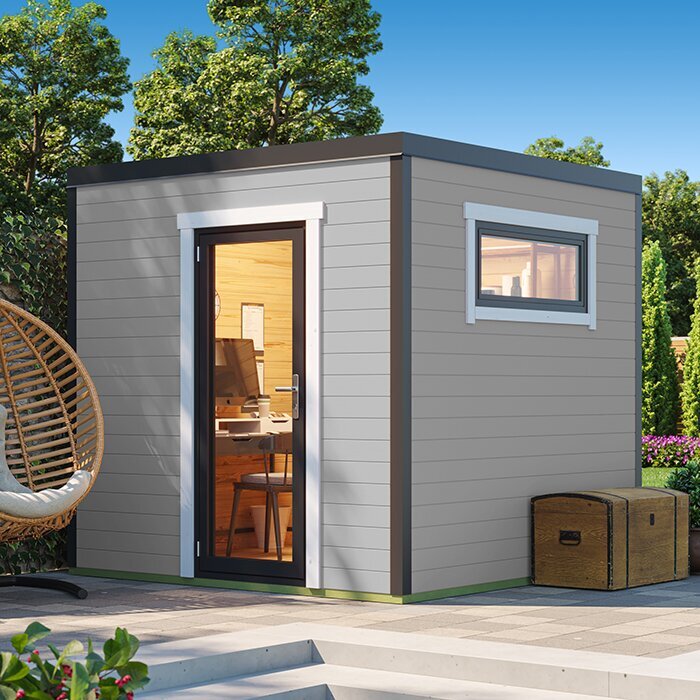
Ask how the proposed setup relates to the home’s available electrical supply and existing equipment. The electrician can explain whether the plan calls for a dedicated circuit or another arrangement, and whether any change at the home needs to be considered. Do not assume that adding more outlets will increase the amount of power available. If there are limits, ask what they mean in practical terms for the equipment you listed and whether changing the plan would help. When reviewing the Orello 1 garden house, use the exact model as a building reference, not as evidence of its electrical capacity or the capacity of your home.
Ask about circuit protection and outdoor exposure
Ask what circuit protection and grounding or bonding measures are appropriate for the proposed use and location. The electrician can explain whether ground-fault protection, such as a ground-fault circuit interrupter (GFCI), or other protective measures apply to the design. The answer can depend on the equipment, installation details and local requirements, so avoid selecting a device based on a general rule of thumb. Ask how the protection will be identified and what information you should keep for future maintenance. The aim is to understand the design, not to choose or install electrical components yourself.
A garden shed may face conditions that differ from the home, so describe any exposure to rain, snow, dust or dampness and whether the space will be heated or used seasonally. Ask what component ratings and protective covers are appropriate for the proposed locations, including any planned exterior receptacles or lighting. Also ask how the supply can be shut off if service is needed and who to contact with a concern after installation. The Modano 1 garden house listing can identify a building under consideration, but it does not specify the protection or ratings required for electrical equipment at your property.
04
Plan outlets, lighting and controls around the layout
Mark likely work areas, storage shelves, a workbench, equipment parking and the main entrance on a simple room plan. Discuss where general lighting and task lighting would be useful, where outlets should be accessible, and whether switches should be convenient when entering or leaving. Consider how doors, stored items and furniture may affect access to the locations you have in mind. This is especially important if the shed will be used regularly: a rough plan made before ordering or assembly can reveal that a preferred spot would be blocked by shelving or a work surface.
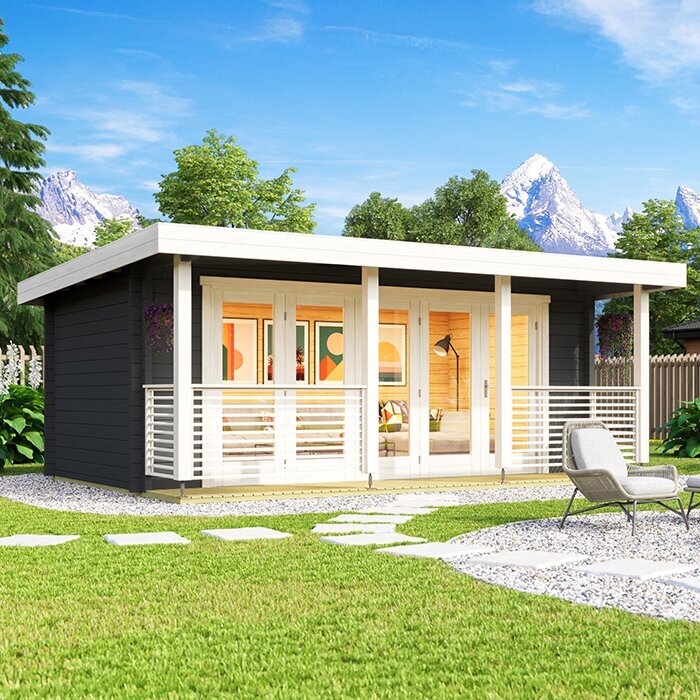
Review the plan with the electrician rather than specifying electrical installation details yourself. Ask them to confirm the number and placement of outlets, lighting and controls that suit the intended equipment and applicable requirements. Include any outdoor use in the conversation, and be clear about what is essential versus a possible later addition. If the Wooden Garden Shed M is one of the buildings you are comparing, check the supplied layout for that exact model and use it as a reference for discussion. Do not assume that an image shows the final interior arrangement or that electrical fittings are included.
Confirm local approvals and responsibilities
Ask what permits, inspections or other approvals may apply to the work at your address. Requirements can depend on the location and the scope of the project, so a general answer may not settle what is needed for your shed. Ask the electrician which local authority or utility, if any, should be consulted and when those questions need to be resolved. Confirm the requirements before setting a work date or assuming that a particular stage can proceed. This is also a good time to ask what records or approvals you should receive when the work is complete.
Make responsibilities explicit. Ask what the electrician will arrange, what you need to confirm with a local authority or utility, and whether any separate building or site work is outside the electrical scope. If you need to verify a professional’s credentials, use the relevant local regulator or authority rather than relying on a product page or informal recommendation alone. Keep the answers with the order and site documents for the Wooden Garden Shed S or whichever building you select. The model name does not determine the approvals required for the electrical work at your property.
05
Get the work scope and timing in writing
Ask for a written description of the proposed work before comparing quotes. It should make clear what the assessment covers, what supply route and electrical provisions are included, and what has been left out. Ask whether the scope includes any required coordination, inspections or testing, and how changes to the site or intended equipment would be handled. If access, ground disturbance or surface restoration may be relevant, ask whether those items are included or need separate arrangements. A clear scope makes it easier to compare proposals on what they cover, rather than choosing on an unclear headline price.
Discuss timing alongside the shed order and assembly plan. Ask when the electrician needs access, whether the proposed route must remain clear, and which decisions need to be made before delivery or assembly. If permits or inspections apply, confirm how they affect the work sequence instead of guessing at dates. Give the electrician realistic information about when the location will be accessible, and ask what could change the schedule. Coordinating the building and electrical work early can reduce avoidable conflicts, such as completing landscaping before the route has been reviewed or assembling the shed before outlet positions have been agreed.
Compare shed choices against the electrical plan
Use the same brief when comparing buildings: intended use, preferred location, room layout, equipment list and the electrical questions still to be answered. Check each exact model’s supplied product and assembly information for features that matter to your plans, and ask the seller to clarify anything that is not stated. Do not assume that electrical work, wiring access or fittings are part of a shed order unless the product documentation confirms it. Keeping model details separate from the electrician’s site assessment helps avoid treating a building description as a technical specification.
Before placing the order, make sure the building, proposed location and intended use all fit the plan you discussed. If you change the model, layout or site position, tell the electrician; those changes may affect the assessment or timing. Record open questions, who will answer them and what needs confirmation before assembly or electrical work. A clear handoff between the building documents and the electrician’s written scope is more useful than assuming every shed can be powered in the same way. The final choice should reflect the use you actually expect, not an unverified assumption about what a product name or picture implies.
Frequently asked questions
Does a garden shed always need a dedicated circuit?
There is no single answer for every shed. The equipment you plan to use, whether devices will run together, the home’s available supply and local requirements all matter. Ask the electrician to assess your specific plan and explain any limits or alternatives.
What should I give the electrician before a site visit?
Share a list of intended equipment, available nameplate information, a sketch showing the proposed shed location and any known obstacles along the route. If you have chosen a building, provide its exact model name and the product or assembly documents you received.
Do I need a permit or inspection for shed power?
Requirements depend on the location and the work being considered. Ask the electrician what permits, inspections or utility coordination may apply, and confirm local requirements with the relevant authority. Agree on who will arrange each item before work is scheduled.
Can I decide on outlet locations after the shed is assembled?
Some decisions may still be possible, but access, finished surfaces and the room layout can limit choices later. Plan outlet, lighting and switch locations with the electrician before assembly or interior finishing, especially if you have fixed storage, a workbench or other equipment.
Can a product listing confirm that a shed is ready for wiring?
Only rely on details the listing or supplied building documents state clearly. A model name or image does not establish that wiring, openings or electrical components are included. Ask the seller about the exact building, then have an electrician assess what the site and intended use require.
A sound plan for running electricity to a garden shed connects three things: what you will do in the space, where the building will sit and what the electrician determines the site can support. Settling those questions before ordering and assembly gives you a clearer basis for choosing a shed and coordinating the work, without relying on assumptions about the product or the property.
