
How to Shade a Garden Shed With a Large Glass Front
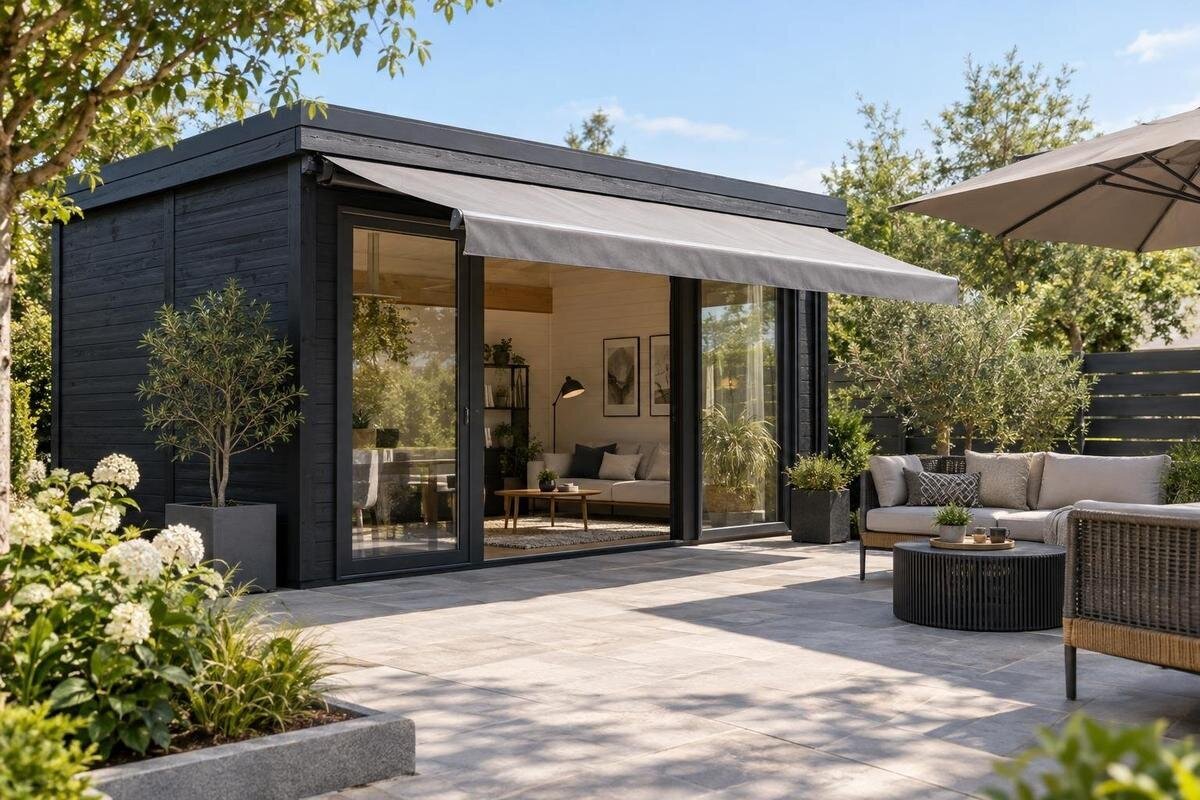
Garden shed planning
Choosing how to shade a garden shed with a large glass front starts with the problem you want to solve. Sunlight may create glare on a work surface, expose the contents to view or make one part of the room feel much brighter than another. A suitable choice depends on when the light reaches the glass, whether the doors need to stay in regular use, and how much upkeep you can take on. This guide compares interior blinds, exterior screens and planting, then explains what to confirm before ordering.
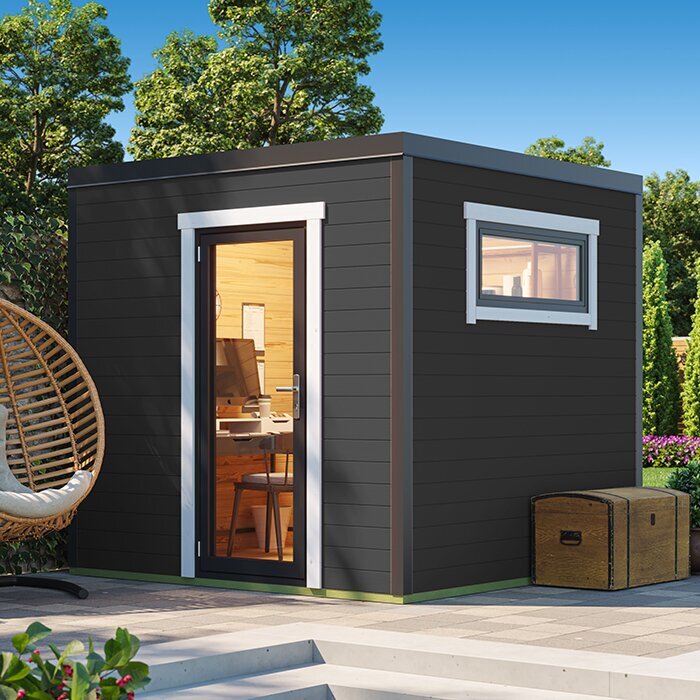
Define the problem at the glass front
Before comparing products, describe the problem in plain terms. Is low-angle sun landing on a work surface, brightness reflecting on a computer screen, passers-by looking in, or a combination? A blind chosen to reduce glare at one seat may not provide privacy across the whole front; a denser covering may address the view issue but leave less daylight when you want it. Write down when you use the shed and what needs to remain visible through the glass. Note whether the problem comes from direct beams or brightness across the pane: 'sun on the desk in late afternoon' is more useful than 'too bright'. This keeps the purchase tied to daily use rather than appearance alone.
Also note what the garden shed is used for. Storing tools, working at a bench and sitting inside place different demands on light and operation. Include whether you open the glazed doors often, whether the front faces a path or a neighbour's yard, and whether you expect the shade to stay in place year-round. A fixed screen, a movable blind and new planting have different routines and lead times. Rank your main priority—glare control, privacy, adjustable light or a particular look—then treat other benefits as secondary. That makes listings and quotes easier to compare because each option is judged against the same need.
Observe sun and sightlines before choosing
Compass direction alone is not enough to choose garden shed window shading. The sun's position shifts through the day and across the year, while nearby buildings and trees cast changing shadows. Observe the glass from inside at the times you actually use the shed; note direct beams, reflected brightness and the position of a work surface or screen. Repeat at different times of day and, when practical, in another season. A brief time-and-location record is more useful than assuming that a particular orientation always calls for one type of shade. A sketch showing where the light falls on the pane can also clarify how much of the front needs attention.
Look at views in both directions. From inside, check sightlines from seated and standing positions; from outside, consider the approach path and nearby windows. Mark the part of the glass affected and whether the issue covers the whole front or just one area. If you are comparing garden-house listings such as the Verdana 1 garden house, use current product information or ask the seller to confirm the actual glazing and opening layout. Do not infer those details from a model name or photograph. The shade needs to suit the front you will receive, not an assumed arrangement of panes.
Choose between an interior blind and an exterior screen
An interior blind or curtain can be inspected and adjusted from inside, and it is not mounted on the weather side of the glass. Check that the proposed treatment is intended for the window size and mounting surface, rather than relying on a general description such as 'blind'. Consider how its material and arrangement fit your needs for glare, view and daylight; different products should not be assumed to behave alike. If a garden house Verdana 2 is on your shortlist, confirm its opening and interior framing details with the current product information or seller before settling on a mounting style.
An exterior screen places the shade outside the glass, but its suitability depends on the screen, mounting points and site exposure. Confirm that both the screen and its hardware are specified for outdoor use and suit the shed surface involved. Do not adapt an indoor blind or assume a garden-shed wall can accept an attachment that was not planned. If the mounting method or structure is unclear, ask the building supplier or a qualified installer what is appropriate. Compare the complete scope—screen, hardware, installation and future upkeep—not just the fabric's appearance.
Match garden shed blinds to the opening
A large glazed front may include fixed panes, doors or both, so the shade needs to suit the actual layout. One wide blind may look simple on paper but be awkward if a door has to open behind it. Separate panels may allow more independent adjustment, while adding edges and operating parts. A screen across the full opening may also need to move out of the way for access. Compare roller, panel, vertical or curtain-style options only after checking which can be mounted and operated without obstructing the opening. If a Durano garden house is under consideration, confirm its glazing and door arrangement from current product information or the seller before selecting a shade.
Ask how each section is controlled, where its handle or cord sits, and what happens when the doors open. Check whether fabric or screen material could be caught against a moving panel or blocked by furniture. For a broad front, establish whether measurements apply to the full opening, the frame or each individual pane; those measurements are not interchangeable. Use the shade maker's stated measuring method. If it is not clear, ask for written guidance before ordering rather than planning to trim or relocate components after delivery.
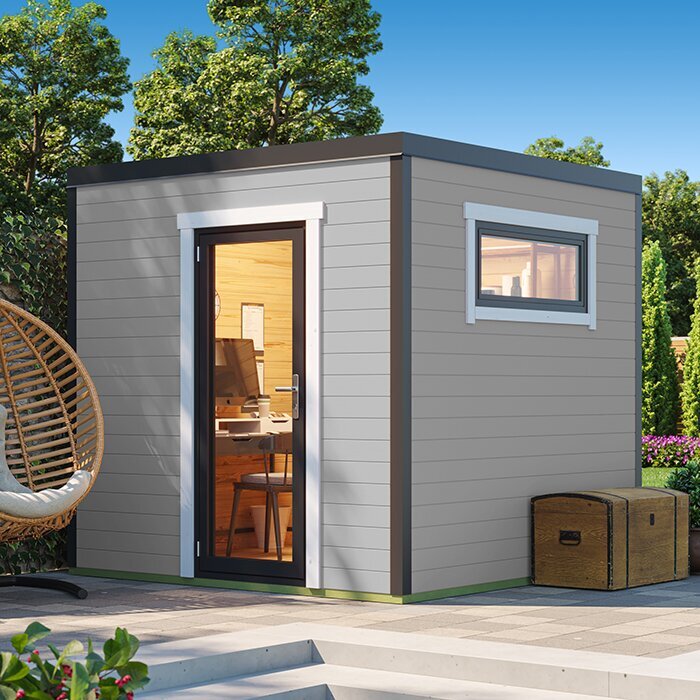
Keep doors and everyday access clear
Plan for normal routines, not just the view with the doors closed. The shade should let you enter, carry items through and reach the handle without snagging material or blocking the opening. For a sliding panel, confirm its travel area; for a hinged door, check the swing and clearance around the shade. Do not assume a blind can stay down while the doors move. If Veltor 1 garden house is on your shortlist, confirm its exact door and glazing configuration from current product information or the seller before deciding where controls or fabric should sit.
Think about where furniture, storage bins or a work surface will go. A blind that is easy to reach when the room is empty may be awkward behind a bench; a long curtain may conflict with items beside the entrance. Consider whether the treatment can be adjusted from a convenient position and whether it needs to be raised before you open the doors. These fit questions affect whether an adjustable shade is practical in daily use. Sketch the front with door movement and everyday objects shown before settling on a width or operating style.
Check an exterior screen as a complete system
An exterior shade screen is a system, not just a choice of mesh or fabric. Ask how it attaches, whether the mounting surface is part of the building design, and how the assembly is intended to suit outdoor exposure at your site. Follow the screen maker's use and installation guidance rather than treating all shades as interchangeable. If the product requires anchoring and the shed's construction is unclear, ask the building supplier or a qualified installer for direction. Do not add fixings to a structural element without confirming that the method is appropriate.
Compare a fixed screen with a retractable or removable option by considering when you need it, whether the opening must remain clear, and how you will store or inspect it when it is not in use. Ask about the complete parts list, control location, cleaning access and care instructions. When considering an Orello garden house, first confirm what front configuration and mounting options its current product information or seller documents. The model name alone does not establish a screen-ready attachment point. If you are ordering a shed and a screen separately, settle the mounting questions before relying on an improvised fit.
Plan planting for the shade it can provide
Planting can provide shade without covering the glass with a blind, but it is a longer-term choice. Before choosing a tree, shrub or climbing plant, consider its expected mature height and spread, seasonal leaf cover, root space and maintenance needs. A young plant will not provide the same cover as an established one, and its shade pattern can change through the year. Check care requirements for your site with a knowledgeable local nursery. Plan around the mature plant rather than choosing only by the size of the specimen at purchase.
Planting changes the view and may not provide privacy at every angle, especially before growth fills in or when leaves are absent. Keep the expected size and position in mind so plants do not press against the building, block a door or make exterior maintenance difficult. If immediate glare control matters, pair the planting plan with an adjustable shade instead of relying on new growth as a quick fix. When a Modano 1 garden house is on your shortlist, confirm its footprint and openings before placing plants nearby. Allow room for both maintenance and the full movement of the doors.
Consider privacy, daylight and glass film
A privacy treatment and a glare-reducing shade are not automatically the same choice. A denser material may limit views in both directions, while a lighter or perforated one may leave some sightlines. Ask how the specific product is described rather than assuming that a name such as 'screen' guarantees privacy. Consider what can be seen from the path, nearby windows and the shed at night, when interior lighting changes the view through glass. If privacy is your main concern, assess the treatment under the conditions when you need it; planting may leave gaps as it changes through the seasons.
Glass film is another option to investigate, but it may not suit every type of glazing. Check the guidance for the particular glass and film before buying, and ask who is responsible for confirming compatibility and which side of the glass the film is intended for. It is not a universal substitute for a blind or exterior screen. If a wooden garden shed M is on your shortlist, assess privacy against its confirmed front configuration and the actual sightlines around your site. Keep the comparison practical: the light you want, the views you want to block and the access you need to retain.
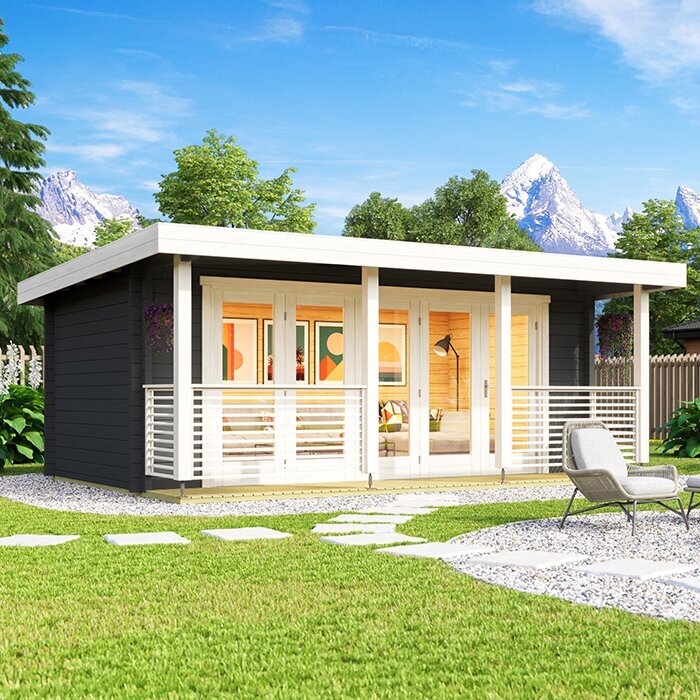
Confirm measurements and order details
Before purchasing a shade, take or obtain measurements using the shade maker's stated method. Record the glass width and height, frame divisions, handles, door clearances and the surface available for mounting. Determine whether the product is sized to the glass, frame or full opening; compare like with like. Check whether the shade needs to clear a handle or mounting hardware, but do not guess at allowances—use the maker's instructions. If wooden garden shed S is in the running, obtain its actual front dimensions and glazing configuration from current product information or the seller before ordering a made-to-measure treatment.
Ask what is included with the shade, such as operating parts, mounting hardware and written installation or care information. Confirm whether the selected size and configuration meet your needs, how the seller handles a measurement question, and what to do if a component is missing or damaged. Do not assume that custom sizing, returns or replacement parts are included. If you are also ordering the shed, consider access to the delivery location and whether any site work must be arranged separately. Keep the written details, measurements and answers together so you can compare what arrives with what you ordered. Arrange professional help in advance if fitting is not straightforward.
Compare the full shade plan before buying
Compare each option by the part of the glass it covers, the times when it addresses glare, privacy, effect on daylight, door access, ease of adjustment, mounting requirements and maintenance. Add a purchase price only when you have a current quote or listed amount, and include hardware or installation if they are separate. Comparing a bare-screen price with a fully installed blind will not show the full cost. Record unanswered questions separately instead of assuming that parts or work are included. A short list of questions to resolve before ordering can prevent a simple window treatment from becoming an incompatible add-on.
Give more weight to details confirmed for the particular shed and shade than to a general product description. A drawing or written confirmation of the pane layout, operating clearance and mounting surface is more useful than an image that only shows a finished exterior. If you order the building and shade at different times, save measurements and product references, then check them against the configuration you receive before placing the second order. Consider whether one movable treatment can meet your needs for both privacy and sun at the relevant times. If not, a layered plan—such as a blind alongside carefully placed planting—may be more practical than expecting one product to do everything.
Frequently asked questions
Is an interior blind or an exterior screen better?
Neither is right for every garden shed. An interior blind is reached from inside and avoids being mounted on the weather side of the glass. An exterior screen may suit a different shading plan, but confirm that the screen and its mounting method are intended for outdoor use and are suitable for the building.
How should I measure a large glass front for a blind?
Use the measuring method specified by the shade maker. First check whether the size is based on the glass, its frame or the full opening, and note handles, frame divisions and door movement. If any detail is unclear, ask for written guidance before ordering.
Can planting replace a blind or screen?
Planting can contribute shade and privacy over time, but its coverage changes with growth and the seasons. Consider mature size, maintenance and clearance around doors. If you need an immediate or adjustable solution, plan for a blind or screen as well.
Will a blind work with glazed doors?
It can, provided the shade fits the actual door layout and does not block the handle, opening or movement of a panel. Confirm the door type and clearance before choosing a width or mounting position; do not assume a shade can stay lowered while the doors are moving.
What should I confirm before ordering a shade?
Confirm the glazing layout, measuring method, mounting surface, door clearances and included hardware. Ask about installation and care instructions, and clarify how the seller handles sizing questions or a missing part. Keep those answers with your measurements and order details.
A useful shade plan follows the glass front you will actually use: it addresses the light or views that cause trouble while preserving the access and daylight you want. Observe conditions at relevant times, compare interior, exterior and planting options by their upkeep and mounting needs, then confirm the glazing, measurements and included parts before ordering. Making those checks part of the garden-shed purchase helps ensure the solution still fits once the shed is furnished and its doors are in regular use.
