
Choosing a Small Wooden Garden Shed on Black Friday: Layout Tips
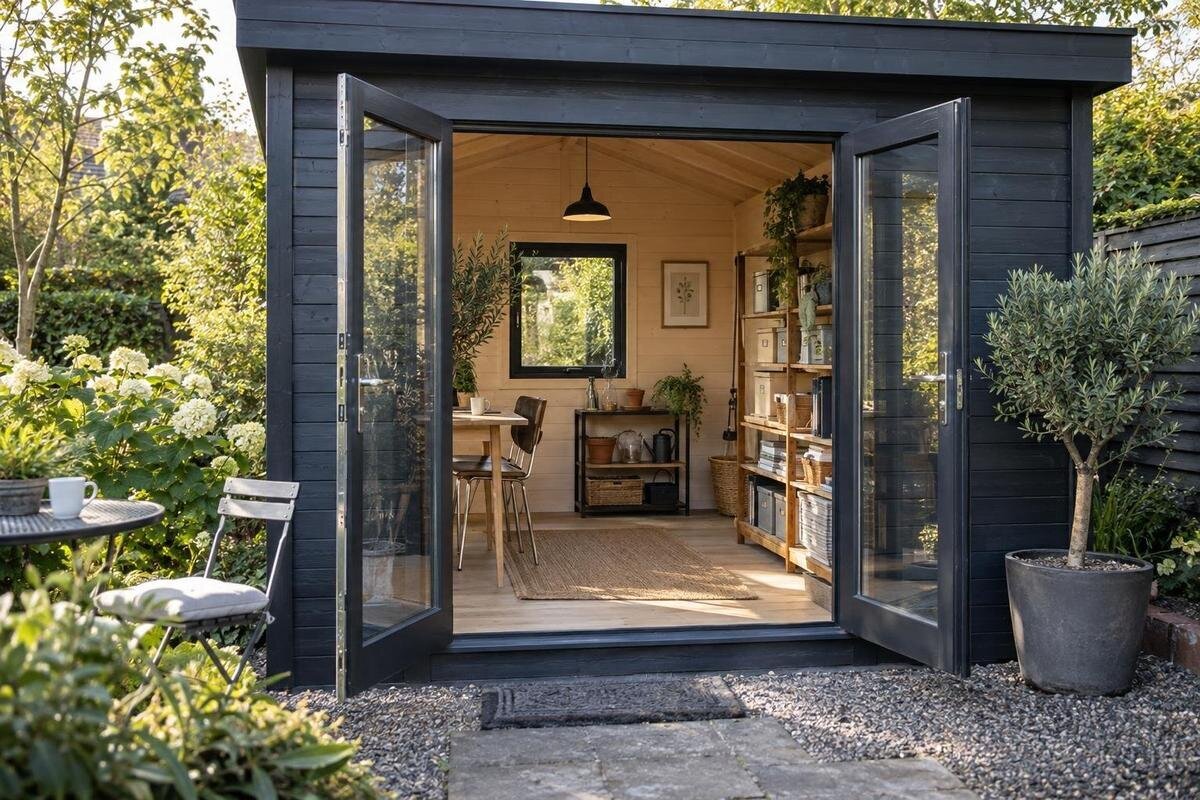
Garden shed buying guide
A small wooden garden shed is useful only when its dimensions and entrance work with the yard and the things you intend to store. During Black Friday shopping, a seasonal price or banner is not a layout measurement. Compare the selected model’s outside footprint, usable interior space and door position before weighing an offer. Start with a measured plan rather than a product photo, then check how belongings enter, where they sit and what the order includes. This keeps the choice focused on a practical fit instead of an appealing label.
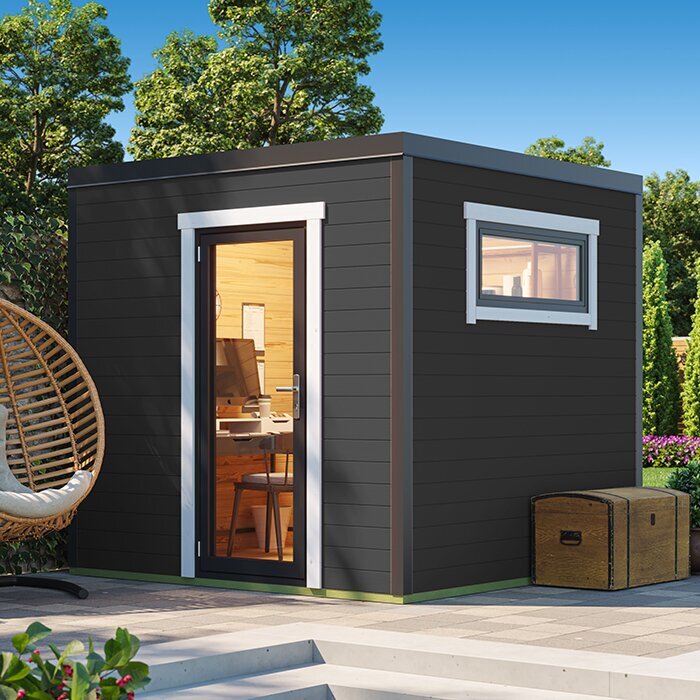
Measure the outside footprint against the yard
Begin with the shed’s outside envelope, not a capacity label. Record the overall width and depth as the listing defines them, and keep those figures separate from interior measurements or advertised floor area. If a page gives more than one set of dimensions, such as a wall measurement and a maximum outside measurement, use the stated overall extent when checking the available space. Ask what is included if the wording is unclear. Note the units as well, especially if you are comparing listings that use different ones. A staged photo or model name is not a reliable scale reference. Add fixed obstacles such as fences, trees, taps, drains, garden beds and gates to a simple yard sketch.
Mark the proposed rectangle with a tape, chalk or temporary markers, then walk around it and trace the route from the gate or house. Include the space needed to approach the door and move stored items; a shed can fit on the marked patch yet leave no workable access. Note low branches, slopes and seasonal conditions such as a snow-storage area if these affect your yard. Compare the sketch with actual measurements stated on the product page. For the Verdana 1 garden house listing, record only the dimensions the page provides rather than guessing from the name. If you have a boundary or site-preparation question, check local requirements or speak with a qualified installer before committing.
Separate interior space from exterior dimensions
Outside width and depth answer a different question from usable interior area. Walls, framing, a roof profile or permanent obstructions can reduce clear space, so do not treat an exterior width as an assumed interior width. Look for published interior floor dimensions and, if overhead storage matters, the clear height where you expect to use it. Floor area alone may not show whether a long, narrow layout will suit your belongings as well as a squarer one with a similar area. If a listing supplies only outside measurements, request interior figures rather than subtracting an assumed wall thickness. Note whether a diagram measures to the wall, roof edge or another stated point.
Make a rough inventory before comparing models. Measure the mower, wheelbarrow, bins, folded chairs, long-handled tools or other items you actually plan to store, including handles, wheels and cases. Draw each as a rectangle to scale and test whether it can sit without covering the entrance or blocking another item. Leave a route to the belongings at the back; capacity on paper is not practical if you must move several things to retrieve one tool. On the Verdana 2 garden house listing, compare your drawing with the interior measurements the page explicitly gives. Mark anything not stated as unknown until you can confirm it.
Match the door position to your approach
Compare the entrance side with the route you will use when carrying items. The shortest walk from a gate or house is not automatically the most convenient approach if it crosses a planting bed or meets a narrow passage. In a compact yard, a doorway on a long side rather than an end can change which wall remains available for storage and where a cart can stand. Sketch the shed in its intended orientation, label the door side and show the direction you face when entering. If the listing offers different orientations or configurations, confirm that the one selected matches your plan instead of assuming the photograph shows every option.
Door location and door operation are separate checks. Find out how the door opens and what space its movement needs; a hinged door, for example, must have room to swing, while other mechanisms may need a clear area beside the opening. Keep the intended approach free of obstacles such as a fence, planter or another structure. Use written details or a dimensioned diagram rather than relying on a styled photograph. On the Durano garden house page, use only the opening arrangement and dimensions actually specified for the chosen model. A listing title by itself does not confirm the clearance available in your yard.
Check that stored items can pass through the opening
Consider what has to travel through the doorway, not just what can fit once it is inside. An item’s largest passing dimension may be different from its usual storage width: mower handles, wheelbarrow wheels, folded tables or a container can project in different directions. Measure the widest and tallest points in the position you can realistically carry or roll the item, then compare them with the stated clear opening rather than the outside width of the door frame. Allow for the person guiding it and for turns on the route. If an item needs to be tilted or partly disassembled, check its own guidance before counting on that storage plan.
Draw an arrow from the entrance to the intended position of the largest or hardest-to-handle item. If it can enter only after shelves or other contents have been moved, the layout may be frustrating in everyday use. Keep a workable turning area just inside the entrance and put frequently accessed belongings where they do not require shifting several others. For the Veltor 1 product listing, look for stated doorway and interior figures if they are provided; do not infer them from the model name. Treat missing details as a question to resolve, not as evidence that an item will fit.
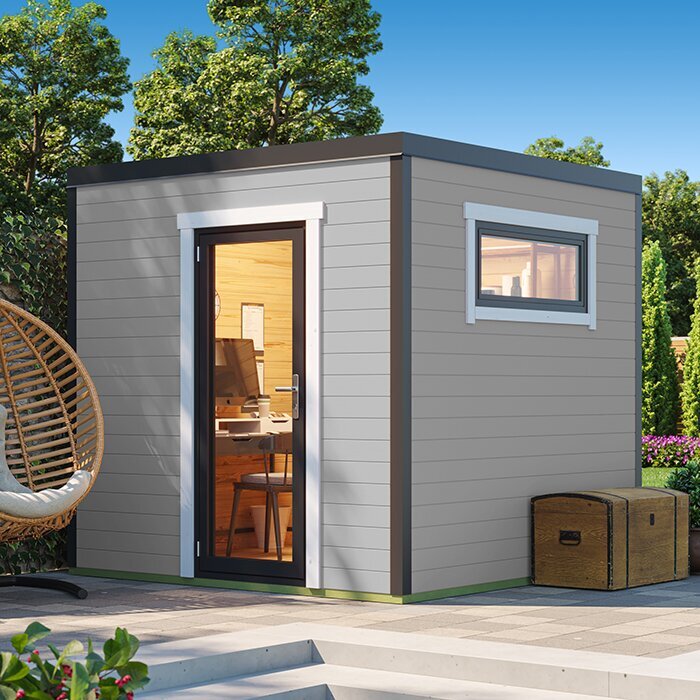
Arrange storage around your intended use
Decide what the shed needs to do before allocating space. A layout for hand tools has different priorities from one that must also hold a wheelbarrow, seasonal outdoor furniture or several bins. Sort your belongings into must-fit items, occasional items and things that can stay elsewhere. This helps prevent rare extras from crowding out tools you use every week, and keeps a vague list of possible future needs from driving the choice. Note which belongings need floor access, which could be stored on a shelf and which should remain upright or lie flat. Follow the item maker’s storage guidance where it matters.
Plan simple zones rather than trying to fill every corner. Keep often-used items near the door, group related tools, and reserve a clear route to less-used belongings at the rear. Vertical storage may free floor space, but only if the stated interior height and wall arrangement suit it. Check whether shelves, hooks or other fittings are included and appropriate for the plan; do not count accessories visible in a photo unless the product details list them. Compare your drawing with the Orello 1 product page by checking the stated interior space and included equipment. Its name alone cannot tell you what storage fittings come with the order.
Read the wooden shed’s material and care details
Treat the word “wooden” as the start of a materials check, not a complete specification. Read what the seller says about the timber and the construction of the walls, roof and floor. Check whether a surface finish or treatment is specified and supplied, and what the maker says about care after assembly. If the description is broad, ask for the information you need to assess the product and its upkeep. A photograph cannot confirm a finish or tell you what maintenance is expected. Do not assume that two sheds with a similar appearance have the same materials or care requirements.
Look for the manufacturer’s assembly and care documentation before treating a layout as final. It may explain which surfaces or areas need attention and identify any preparation the product requires; do not substitute a guess based on another shed. If the listing is unclear, ask the seller which documents apply to the exact model and configuration you are considering. The Modano 1 listing can be assessed in the same way: compare only the materials, care details and dimensions that are stated. Styling and a model label are not substitutes for product information.
Compare alternative layouts on a scale plan
Use graph paper or a simple digital drawing to test more than one arrangement. Start with the measured interior, show the door and place the largest must-fit items first. Then compare a layout with a clear route through the middle against one that uses more of the perimeter for storage. Neither arrangement is automatically better: the right balance depends on whether you need to reach items at the back, wheel equipment inside or leave a spot open for a particular object. A scaled sketch makes the trade-off visible before you order, when changing an arrangement is easier than discovering that a key item has nowhere convenient to go.
Test the plan against ordinary tasks, not just a packed-in view. Trace how you would take out a tool, bring in a bin or move the largest item without lifting it over another one. Check stated interior height if you plan to store anything vertically, and allow for the space occupied by the items themselves. Compare the measurements shown for the Wooden Garden Shed M listing with your drawing only where the listing provides them; the model label does not establish capacity. If none of your sketches gives the access you need, reduce the list of intended contents or reconsider the placement before deciding.
Confirm delivery and assembly access before ordering
A layout can fit the chosen spot and still be difficult to get onto the property. Measure the route from the delivery point to the proposed site, including gates, narrow turns and any steps or obstacles. Ask the seller how the order is delivered and whether information about package size or handling is available. Do not assume that the assembled shed will pass through a gate, or that the delivery method will suit your access. Before checking out, confirm the delivery area and any arrangements you need to make with the seller. Use the Wooden Garden Shed S page as a product page to inspect for stated ordering and delivery information, without inferring details from its name.
Check the product contents and assembly requirements for the exact item selected. Confirm what the listing says is included, such as a floor, roof covering, fixings or other components, and what it identifies as separate or optional. A finished image does not establish what arrives with the order. Read the preparation instructions and decide whether you can complete the planned assembly. If you are unsure about the site, base or assembly, seek guidance from the seller or a qualified installer. Where local siting requirements could affect your choice of location, check with the municipality before ordering rather than assuming a rule.
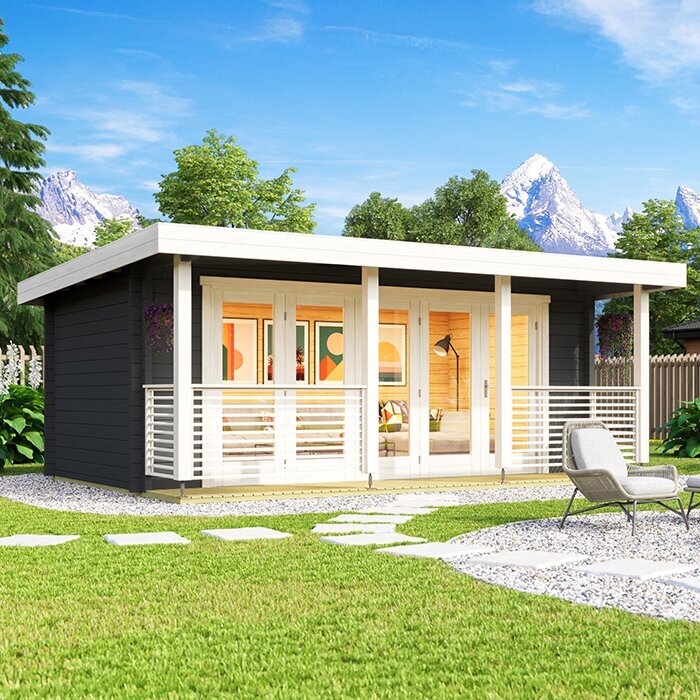
Compare Black Friday listings without assuming an offer
Treat Black Friday as a time to compare what is actually listed, not proof that a particular shed is discounted. A seasonal banner does not confirm a saving, a current price or that every size and configuration qualifies. First establish which model and layout work for your yard; then read any offer details shown for that exact item. Check stated eligibility, exclusions and an end date if provided, and make sure the terms apply to the selected configuration. If the listing does not give a detail you need, do not fill the gap with a general promotion headline.
For a fair comparison, line up the same information for each option: outside dimensions, interior space, door position, opening measurements and stated contents. Keep the configuration consistent where pages show choices, and note any item whose details are missing. Compare the offer terms alongside those facts, rather than allowing a displayed percentage or deadline to decide whether the layout is practical. The relevant terms are the ones shown for the specific order at the time you are considering it. No advertised offer changes the need to check the measurements, access and included items first.
Confirm the chosen configuration before checkout
Do a final check with the exact model and configuration in your order summary. Match its listed dimensions to the yard sketch, verify the interior figures against your item plan, and confirm the door position and opening details you relied on. Recheck the path from the property entrance and make sure it remains usable with the shed in place. Read the product information for any stated exclusions, included parts and delivery conditions. If the page presents options, make sure the selected one is the same option you compared; a similar name or image can make it easy to overlook a different configuration.
A practical choice is not necessarily the smallest footprint or the largest storage area. It is the layout that holds the belongings you have decided to keep there and leaves a usable route to reach them. If the only workable plan depends on an unconfirmed measurement or a door clearance you cannot provide, pause and resolve that point first. If the fit is sound, compare any applicable Black Friday terms and the order details without treating an advertised offer as evidence that the shed suits your yard.
Frequently asked questions
How do I know whether a shed is small enough for my yard?
There is no useful size cutoff without knowing the site and what you plan to store. Compare the listed outside dimensions with a measured outline of the available area, then check that you can still reach the door and bring items to it. The category name or a product photo cannot confirm the fit.
Which measurements matter most before I order?
Check the overall exterior dimensions, interior floor dimensions and clear doorway opening. Add the door’s movement area, any stated roof projections and the route into the yard to your plan. If a listing does not explain a measurement or leaves out a dimension you need, ask before relying on an estimate.
How much clear floor space should I leave inside?
There is no single clearance that suits every layout. Draw your actual items to scale and leave enough room to reach and remove them without shifting several others. Pay particular attention to the entrance and to any large item that needs turning or rolling into its storage position.
Is a wider door always the better choice?
Not necessarily. The clear opening must suit the items you will carry or roll through it, but the door’s position and operating space matter too. A door that opens into a narrow path or meets an obstacle may make access awkward, even when its stated opening is wide enough.
Does Black Friday guarantee a discount on the shed I choose?
No. A seasonal shopping event does not establish that a particular model is discounted or that every size or configuration qualifies. Check the current listing and any offer terms shown for the exact item, then judge the layout on its own merits before making a purchase.
The most dependable way to choose a small wooden garden shed is to test its layout against measured space and real belongings. Check the exterior footprint, the usable interior, the door’s position and the route items must take to get inside. Once those details work together, review the exact listing and any Black Friday terms shown for it. A good fit is one you can access and use as planned, not simply one that looks compact in a photograph.
