
What to Consider When Buying a Garden Shed for Summer Relaxation
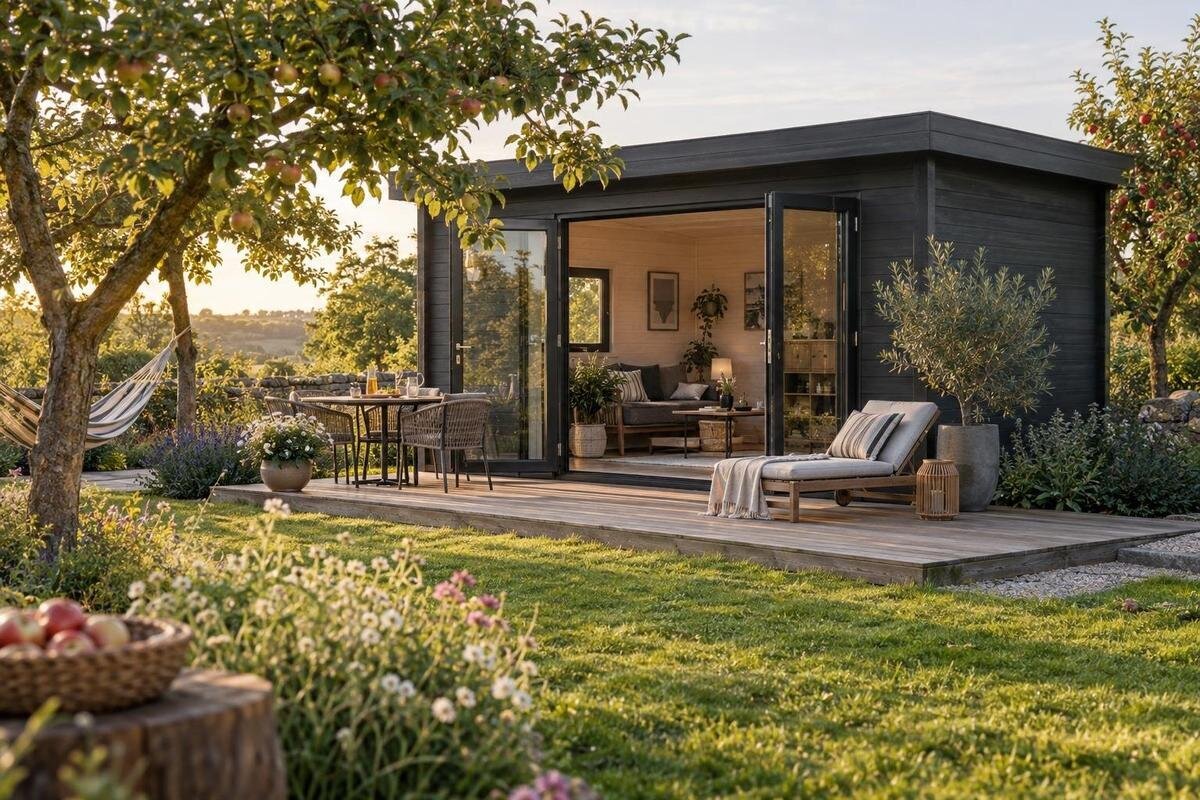
Garden shed buying guide
A garden shed for summer relaxation is worth choosing by the time you expect to spend inside, not by its name or a photograph. Decide whether it is chiefly for a quiet chair and a book, a place to share a drink or an occasional retreat from the house; those uses call for different space, access and privacy. Then measure the yard, sketch the furniture and compare the details that affect your plan. A careful buying decision also covers delivery, assembly and site preparation, so the building is ready for its intended use when it arrives.
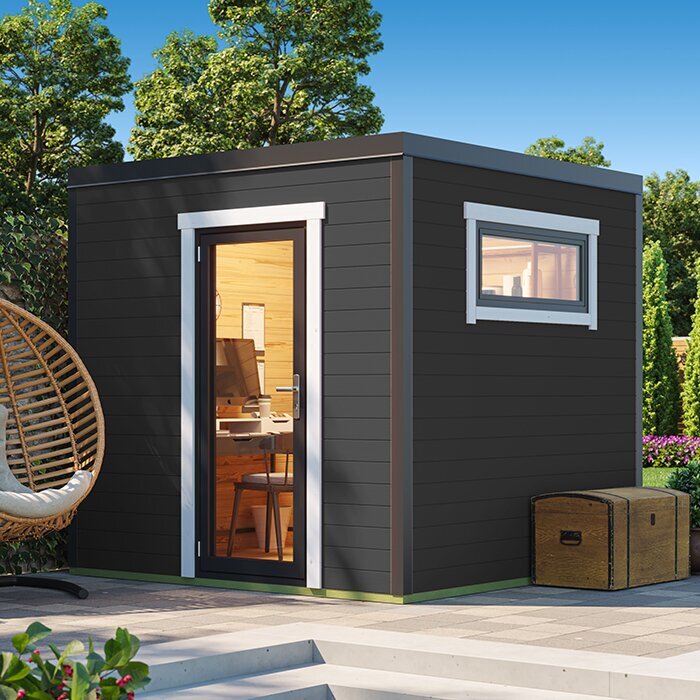
Decide how you will use the retreat
Start by naming the main reason for the building: reading alone, taking a quiet break or sitting with someone else. Consider who will use it most often and whether you want a calm place or somewhere for conversation. A retreat for one person may call for a different layout from a shared space. Note whether you expect to bring books, a drink or cushions each time; even a small surface or a spot for belongings can affect the arrangement. Write down one primary use and a few supporting uses before comparing appearances.
Set clear expectations for the word summer, too. A sheltered place to sit on a warm day is different from a room expected to feel comfortable through rain, humid weather or cool evenings. List the conditions that matter and separate essentials from nice-to-haves; the name of a building alone does not establish how it handles heat, airflow or wind. Also consider how long you tend to stay outside and whether the retreat needs to work after a sudden shower. When reviewing the Verdana 1 garden house listing, compare any stated dimensions, openings and included items with your list. If a detail that matters is not provided, ask before ordering rather than assuming from a photograph.
Measure the yard and the space around the building
Measure the part of the yard you are considering and sketch it from above. Mark trees, garden beds, fences, paths and other features that affect where the shed could sit. Then draw its footprint using the listed exterior dimensions, not an estimate based on a photo. This simple plan can reveal whether the most attractive spot would block a route through the yard or take space you use for something else. Check the measurements against the actual boundaries of the proposed area, allowing for any projections or clearances stated in the product information.
The footprint is only one part of the plan. Leave room to approach the entrance, open any doors as intended and carry in furniture. Think about the route from the delivery access point to the proposed location as well; a building that fits the yard may still be difficult to position if the path is narrow or obstructed. Consider routine access too, including where people will walk after rain and whether planting or outdoor seating will need to remain accessible. For the garden house Verdana 2 page, check which dimensions are given and whether they describe the outside or inside of the building. If local rules or site conditions could affect placement, confirm them with your municipality or a qualified local professional.
Draw the furniture layout before choosing a size
A floor plan helps turn a vague wish for a roomy retreat into a practical size decision. Measure the chairs, table or other furniture you plan to use, then draw their footprints to scale inside an outline of the shed. Include the space needed to sit down, stand up and reach the entrance without moving everything around. If you already own the main pieces, measure those rather than relying on typical furniture dimensions; if you have not bought them yet, use the measurements of the pieces you are considering.
Think through how the layout will work when more than one person is inside. Can someone enter while another person is seated? Is there a place to set down a book or cup without putting it on the floor? Leave room for the furniture to be used as intended, rather than arranging it tightly only to make it fit on paper. Compare your drawing with the internal dimensions stated for each option, and check whether the measurement includes any areas you cannot use easily. For the Durano garden house product page, as with any listing, rely on the details provided rather than the product name to judge whether your furniture plan fits. Ask for clarification if the listed measurements are not clear.
Check the entrance and the route inside
The entrance affects how easy the space is to use every day. Mark its position on your yard sketch and consider whether the approach will be clear from the path you normally take. Inside, draw the door's opening area if it swings into the room; that space cannot also be counted on for a chair or table. If the product has a different door arrangement, check the stated opening and clearance details rather than assuming how much room it needs.
Plan for the widest item you expect to carry inside, such as a chair, and make sure the route from the yard to its intended spot is workable. Check the clear opening, threshold and door position in the product details, not just the building's overall width. Think about everyday use as well: a doorway that is easy to pass through makes it simpler to bring in cushions, a tray or seasonal furnishings. Use the Veltor 1 product page as one page to review for those details, without treating its name or image as proof of a particular layout. If the opening dimensions or included door components are not specified, ask the seller what to expect before you finalize the order.
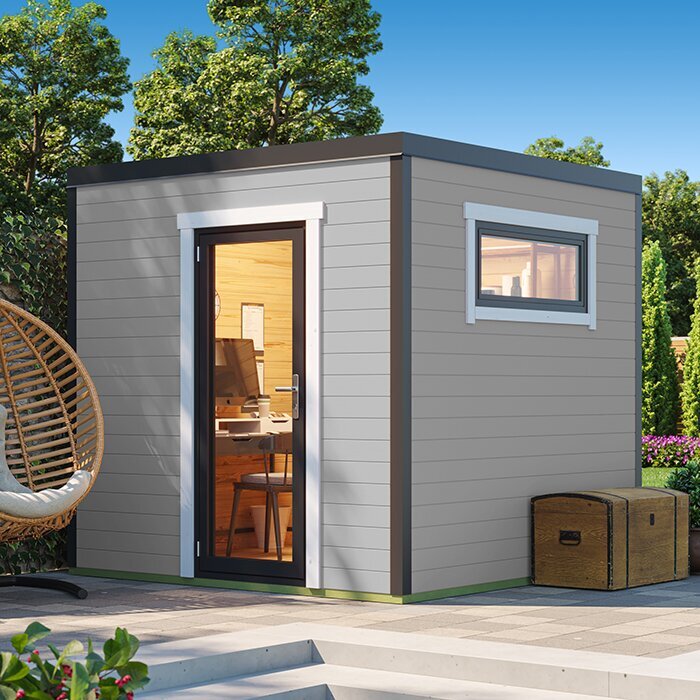
Balance daylight, sun and privacy
Think about the yard at the time of day you expect to use the retreat. The sun's position and the shade from trees or nearby structures can change, so consider more than how the site looks at one moment. Decide whether you want to look out toward the garden, keep a view from nearby homes out of sight, or have a balance of both. These preferences can help you choose a position for the building and identify which openings matter to you.
More glass is not automatically better for every yard. Consider the direction of the view, privacy and how direct sun could affect the space. Look at sightlines while standing at the proposed location, including views from neighbouring windows, paths and the areas where you usually spend time outdoors. If you expect to use curtains, blinds or other additions, check whether they are included or would need to be arranged separately. For the Orello 1 garden house listing, look for specific information about openings and glazing rather than reading those features into a product name or photo. Compare what is documented with your priorities, and ask for missing details if they could change your decision.
Set realistic comfort expectations for summer
Comfort depends on more than the amount of floor space. Think about seating, shade, airflow, daylight and how you will use the room on sunny or rainy days. Consider whether you need a finished floor or lighting, and check what the product listing says is included rather than assuming these are part of the building. If you hope to use the space on cool evenings or beyond summer, verify any stated guidance about insulation, ventilation or heating suitability. Do not infer year-round comfort from a product name or an image.
Separate the building from any upgrades you may want to add. Cushions, a lamp, window coverings or other furnishings can be budgeted as separate items; powered services require their own planning. It can also help to decide which items are needed on the first day and which can wait until you have used the space for a while. If you want electrical features, ask a qualified professional about feasibility and requirements before ordering, and do not assume they are supplied with the shed. On the Modano 1 product listing, as on any product page, compare only features that are clearly documented with the comfort needs you have written down. If an essential detail is missing, seek clarification instead of building your plan around an assumption.
Decide whether storage belongs in the retreat
A relaxation space can also hold a few useful things, but every stored item takes up room. List what you expect to keep inside, such as cushions, books or garden accessories, and estimate the space those items need. Decide whether you want storage visible and easy to reach or tucked away so the room feels calmer. If the shed will hold tools or other garden supplies as well, consider whether that mix fits the quiet use you have in mind.
Measure the actual boxes, bins or shelves you plan to bring in, then mark their position on the same drawing as the furniture. Leave a clear route to the door and make sure storage will not take over the spot you wanted for seating. Decide where frequently used items will go, as their location has more effect on the room than things stored only occasionally. Think about how you will handle items that need to be brought in or out often, so they do not have to be moved every time someone sits down. If the storage plan crowds the layout, consider a separate storage solution rather than choosing a larger building by default.
Review materials, upkeep and assembly details
Before comparing finishes, find out what construction details are actually stated for each option. Check the listed materials, finish and any care guidance, and consider whether the upkeep described is reasonable for you. A product name or photograph cannot confirm the exact finish, what has been treated or which components are part of the order. For the garden shed M product page, look for those details in the product information and ask about anything that affects your choice. Treat an unlisted feature as unknown, rather than assuming that it is included.
Assembly and site preparation also affect the effort and cost of the purchase. Confirm whether assembly is your responsibility or whether a service is offered, what instructions or components are supplied, and whether flooring is included. Read the available assembly information early enough to understand the work involved and to identify any tasks that need arranging in advance. Check the manufacturer's guidance about the base or foundation needed for the specific building. Site conditions can vary, so ask a qualified installer or other relevant professional if you need advice about preparing your location. Sorting out who will do the work and what is included before ordering can prevent avoidable surprises later.
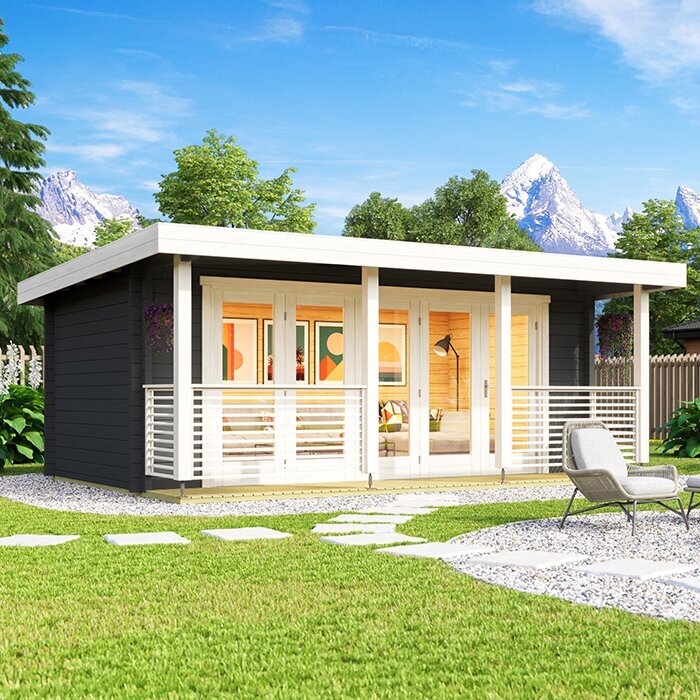
Confirm delivery and order arrangements
Delivery is part of the buying decision, not an afterthought. Check the seller's current delivery terms, where the shipment will be left and what unloading help, if any, is included. Ask for package dimensions and handling information if you need to plan around a gate, driveway or limited access. Make sure there is a realistic route to the prepared site and that someone can receive the order under the stated arrangements. Do not assume that delivery includes moving the building to its final position or assembling it.
Before you commit, compare the written order details with your notes: product and options selected, included components, delivery charges, assembly arrangements and any separate site work. Check that the option you selected is the one you compared, especially if the page presents variants or optional additions. Review the applicable terms for changes or problems with an order, and keep the confirmation for reference. The garden shed S listing is a product page to assess using the same process: verify the details that matter to you instead of inferring them from a short name. If the total cost or responsibility for any part of the process is unclear, ask for a clear answer before placing the order.
Compare your shortlist against the same priorities
A simple comparison makes it easier to weigh one shed against another. Record the exterior footprint, usable interior dimensions, entrance arrangement, daylight and privacy, storage plan, stated inclusions, site preparation and delivery arrangements. Mark each item as essential, desirable or unimportant for your intended use. You can then see whether a lower-priority feature is distracting from a basic need, such as enough space to sit comfortably or a clear route to the door. Compare the full cost of the building and the additions or work you expect to need, rather than looking at the structure alone.
Give each shortlisted option a final practical test using your drawing. Place the furniture and storage in the plan, trace the route in from the yard and imagine using the space at the time of day you have in mind. Consider whether the arrangement still feels inviting once everyday items, such as a drink, reading material or a throw, are in use. If the fit depends on a measurement or feature that is not stated, pause and confirm it before deciding. When two options meet your essential needs, choose the one that achieves them with fewer compromises. That way, the garden shed is selected for the way you will actually relax, not for an imagined use or a feature you may never need.
Frequently asked questions
What size garden shed works for summer relaxation?
There is no one right size. Draw the furniture and storage you expect to use, leave room to move between them, then compare that plan with the stated interior dimensions. Check the exterior footprint separately so the building and its access fit your yard.
Do I need large windows for a garden retreat?
Not necessarily. Think about how much daylight you want, where the sun falls during the hours you will use the shed, and whether nearby homes or paths affect privacy. Check the product details for the actual openings rather than relying on photos.
Can I use a storage shed as a place to relax?
Possibly, but a storage label alone does not confirm that the layout or features suit sitting. Check the interior dimensions, entry, openings, included components and any stated guidance about intended use before deciding.
Should I plan the furniture before ordering?
Yes. A quick floor plan shows whether chairs, a table and any storage fit without blocking the entrance. It also helps you compare usable interior space, which can differ from the outside footprint.
What should I confirm before placing an order?
Confirm the building's dimensions, what is included, site-preparation requirements, assembly responsibilities and delivery arrangements. If local rules or site conditions may affect placement, check with your municipality or a qualified local professional.
The right garden shed for summer relaxation is the one that fits both the yard and the way you plan to use its interior. A measured furniture plan, clear expectations about comfort and privacy, and a realistic view of storage and ordering needs make it easier to compare options. Focus on the essentials that will shape an ordinary afternoon in the retreat, and let those priorities guide the final choice.
