
When to Treat Your New Wooden Garden Shed
Garden shed care
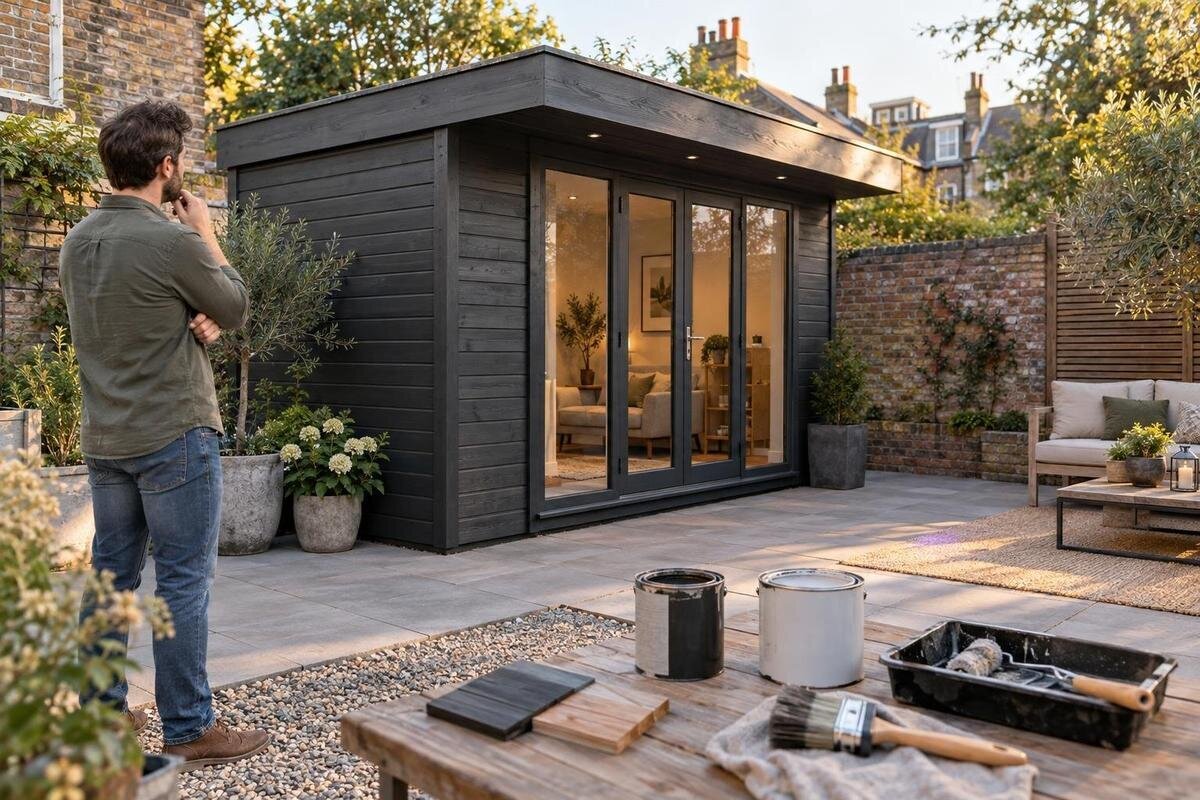
The right time to treat a new wooden garden shed is not automatically the day it arrives or a set number of weeks after assembly. It depends on what treatment the timber has already received, its condition and the instructions for the product you plan to use. Before ordering, establish what the shed’s care documents say and whether the treatment is compatible; then choose a work window that meets its label. This guide explains what to ask before buying, what to inspect on delivery and how to plan the first application without relying on a one-size-fits-all calendar.

There is no universal first-treatment date
The right time to treat a new wooden garden shed is not automatically the day it arrives or a set number of weeks after assembly. A shed may arrive with timber that has already been treated, may call for a particular finish, or may need to meet conditions stated by its manufacturer before a coating is applied. The treatment you buy has its own requirements, too. In other words, new describes the shed’s age, not necessarily the surface’s readiness. Two sheds of the same age may start in different condition, so a neighbour’s schedule is not reliable evidence for yours.
Before committing to a model, ask when its supplier recommends the first treatment, what types of product are permitted, and whether the care instructions specify a step before or after assembly. Keep the answer with your order paperwork. When comparing listings such as the Verdana 1 garden house, make the care-document question part of your pre-purchase check. Use the model name to identify the exact option; do not infer a treatment date from its title or a product photo. If the seller cannot give clear guidance, factor that uncertainty into your decision instead of assuming every new shed is handled alike.
Find out whether the timber is already treated
Before choosing what to apply, find out whether the timber is supplied untreated, treated during manufacture or covered with a finish. Ask which surfaces were treated and whether the supplier considers an additional coating necessary. A colour, sheen or water-beading appearance cannot identify the product or establish compatibility on its own; finishes can look similar, and some surfaces may have been treated differently from others. Ask for the name of any applied treatment and its care instructions, or written confirmation that none has been applied. This tells you whether you are planning a first treatment or maintaining an existing one, and helps avoid buying a product that conflicts with what is already there.
Ask about the exact model and order configuration, since general advice about wooden sheds may not settle what will arrive with yours. For the Verdana 2 garden house, use the model name when requesting information; the name itself does not show whether a finish has been applied. Request the assembly or care document before purchase, then check whether it distinguishes exterior and interior surfaces, exposed ends or areas that should remain untreated. Do not assume every surface needs the same product. If the documentation is missing, ask for written guidance before buying an additional coating, especially when the existing layer cannot be identified.
Inspect the shed before setting a treatment date
Once the shed has arrived and been assembled as directed, inspect it before putting a treatment date in your calendar. Look over accessible timber for delivery damage, loose or missing parts, unexpected marks and signs that water has reached areas that should be protected. Check the base and surroundings for water collecting or repeatedly splashing against the walls; a treatment is not a substitute for correcting a source of wetting. Note anything that needs the supplier’s attention and take photos before applying a product. A coating can alter the surface and make a later discussion about its original condition harder, so resolve delivery or assembly questions first.
When reporting a concern about the Durano garden house, include the exact model name rather than sending a question that could apply to several different orders. If a panel is wet, damaged, stained in a way you cannot explain or inconsistent with the paperwork, do not cover it just to keep to a schedule. Follow the shed maker’s advice for the affected area. If you find recurring water entry or deteriorating timber, have a qualified building professional assess the cause before finishing the surface. That separates routine first treatment from a repair or moisture problem that needs a different response.
Choose a weather window that meets the label
Once you understand the timber and any existing finish, use the treatment label to choose a weather window. Look for its stated limits on air and surface conditions, exposure to rain, drying between coats and the time required before the surface can be exposed again. Do not substitute a general rule such as choosing a warm day for the product’s requirements; conditions can change before a finish dries. Check the forecast for the full application and drying period named by the manufacturer. If that period is not clear, ask the maker rather than guessing at an overnight or weekend interval.
The suitable window depends on local conditions and the product, so choose by the label rather than a month on the calendar. Plan for flexibility and check the conditions at the shed, not only the forecast for the nearest town. Sun, wind, dew and sudden showers can affect whether a particular product can be applied as directed; check for restrictions and postpone if conditions fall outside them. Before setting a date for an order such as the Veltor 1 garden house, ask how delivery and assembly timing fit your plans. If the shed arrives outside a suitable window, plan to treat it later instead of rushing.

Check that the treatment suits the timber and existing finish
Choose a treatment by checking its stated purpose and permitted surfaces, not by relying on a broad description such as wood protector. Confirm that the label covers exterior use if that is where you plan to apply it, and that the product can go over the known factory treatment or existing coating. Also distinguish a product intended to change appearance from one intended for a protective function; the name on the container does not prove that it suits your shed. If you cannot identify the existing finish, get compatibility advice from the product maker and shed supplier before buying. Do not combine products unless their makers confirm that the system is suitable.
Compare the full instructions before purchasing, not just the front label or a colour sample. Check the permitted surfaces, whether a primer or separate preparation product is required, the recommended application method and whether the product is intended for new or previously coated timber. Check restrictions for use inside the building as well as outside; a product permitted on an exterior surface is not automatically suitable everywhere. When asking about the Orello 1 garden house, identify the exact listing and ask which care products its supplier permits. A product name alone does not establish compatibility, and an unsuitable system could mean unnecessary work or an unsatisfactory finish.
Use the product label to judge readiness
Once you have chosen a compatible treatment, use its label to decide whether the timber is ready, rather than relying on touch or appearance alone. If the label specifies a moisture limit or test, follow its stated measuring method instead of guessing at the condition by feel. If it requires a clean, dry surface, make sure that requirement is met across the areas you intend to coat, including sheltered sections that may dry more slowly. A dry-looking patch does not prove that the whole surface meets the product’s requirements. If you cannot confirm a stated condition, wait or ask the manufacturer how to check it.
Read the complete directions for the exact product and formulation you plan to use. Note any required coats, the permitted interval between them, coverage guidance, drying or curing time and any wait before the surface can be exposed to weather. These details answer practical questions that the phrase first treatment does not: whether you can finish in one session, how long to keep the shed undisturbed and when it can be exposed again. If you have chosen the Modano 1 garden house, give that exact model name when seeking shed-care guidance. The model name cannot replace instructions for the treatment itself; contact its maker if a key timing point is unclear.
Plan around assembly, access and coverage
Check the assembly instructions before deciding whether to treat components before assembly or the completed shed. Different designs and products may call for different sequences, and access to joints, edges or hidden faces can change once parts are fitted. Do not borrow a sequence from a video of another building or a general wood-care article. Ask the shed supplier which surfaces, if any, should be treated at a particular stage. Keep instructions about cut ends or concealed surfaces with the assembly notes, and do not alter structural parts or assembly steps to make coating easier.
Before ordering supplies, work out the quantity from the actual surface area and the coverage figure on the treatment label. Use confirmed dimensions or supplier guidance rather than a model name, and allow for the number of coats the product calls for. Do not assume that the floor, walls, roof and interior all need the same product. Include any tools or additional products specified by the label in your materials list, and plan how to protect nearby surfaces without obstructing the work. For the Wooden garden shed M listing, confirm the exact configuration and care documents first; the model name alone does not tell you the area or quantity required.
Keep a record of the first treatment
When the first application is complete, make a simple record of the shed model, treatment product, shade if relevant, date, surfaces treated and number of coats. Keep the label or a clear copy with the purchase details and shed-care documents. The record helps you distinguish an original factory finish from a later coating and gives you something precise to consult if a repair or touch-up is needed. Note any areas you intentionally left untreated and why, so future maintenance does not accidentally put a different product over them. Save any written advice about reapplication with the same paperwork.
Do not set a routine recoating date based on hearsay or another shed’s schedule. Follow the treatment maker’s maintenance guidance and the shed supplier’s instructions, and inspect the exterior at the interval those documents recommend. If Wooden garden shed S is the model you order, keep its identification with the aftercare papers so future questions refer to the right listing. When you notice a change in the finish, check what the treatment maker says it means before recoating. Appearance alone may not tell you whether another coat is due or whether a separate problem needs attention.

Include care requirements in the buying decision
Consider care requirements alongside size, layout and delivery logistics when choosing a garden shed, rather than leaving them until the first suitable weekend. Ask for the expected treatment schedule, whether a finish is already applied, which products are accepted and whether the manufacturer provides written directions. These answers affect what you may need to buy, when you can use the shed after assembly and how much ongoing work you are comfortable taking on. If two models seem comparable from their listings but their aftercare information differs, compare the instructions instead of assuming the first-treatment plan will be the same. This is especially useful if you are ordering before a period when outdoor work may be difficult to schedule.
Budget for treatment only after you know what is required. The quantity depends on the label’s coverage figure and the actual surfaces, while tools and any separate preparation products depend on the instructions. Do not buy a large amount just in case, or choose a finish for its colour before confirming compatibility. Ask whether the retailer can provide the exact care information before you place an order, and keep the answer with the invoice. If the required product is unavailable or instructions are uncertain, you can plan around that before delivery rather than discovering it afterwards. The aim is a coherent care plan, not an arbitrary purchase made at the same time as the shed.
Pause if the finish or condition is uncertain
Pause and get clarification if the documents conflict, the timber’s previous treatment is unknown, the product label excludes the surface or the weather cannot meet its requirements. These are reasons to delay, not to apply an extra coat, dilute a product or change its use in the hope of making it work. The shed supplier is the right contact for construction and original-finish questions; the treatment maker can answer questions about its own label and compatibility. When you contact either one, include the model name, the existing finish if known and a photo or concise description of the area.
If the issue goes beyond ordinary surface care, such as recurring wetting, soft or deteriorating timber, or a suspected assembly or structural problem, ask the supplier or a qualified building professional to assess it before coating. Treatment will not repair a leak, damaged component or continuing source of moisture, and covering the area may make the underlying issue harder to assess. If the shed is sound and its finish is known, follow the exact care and product instructions and choose conditions that meet them. That is a more dependable way to time the first application than following a fixed date.
Frequently asked questions
Should I treat a new wooden garden shed right away?
Not automatically. The shed may already have a treatment, and the timber may not yet meet the finish label’s requirements. Check the care instructions and treatment history, then apply a product only when both the shed supplier’s guidance and the product label allow it.
How long should I wait after assembly?
There is no universal number of days. Assembly does not confirm that the timber is ready. Follow the product’s requirements for timber condition, weather and drying time; if they are unclear, ask the treatment maker or shed supplier before setting a date.
Can I apply treatment if the wood feels dry?
Only if the product’s readiness requirements are met. If the label specifies a moisture limit or test, use its stated method rather than relying on touch. Delay the work or ask the manufacturer if you cannot confirm the required condition.
What if the shed is already factory treated?
Do not add another product until you know what was applied and whether the new treatment is compatible. Ask the supplier for the finish name and aftercare guidance, and use a product only on surfaces its label permits.
How often should I repeat the treatment?
Follow the treatment maker’s maintenance guidance and the shed supplier’s instructions rather than using a fixed annual schedule. Keep a record of the first application, inspect as directed, and confirm that a visible change means recoating before applying more.
Treat your new wooden garden shed when its timber is in the condition required by a compatible product—not simply when delivery is complete or a calendar says it is time. First establish what has already been applied, check the shed’s care instructions, confirm the treatment label and weather requirements, then plan the work. If important details are missing, ask before applying anything. A little attention during the purchase and delivery process makes it easier to choose a suitable first-treatment window and keep a useful record for future care.
