
Where to Position a Garden Shed for Sun, Shade and Privacy
Garden shed placement
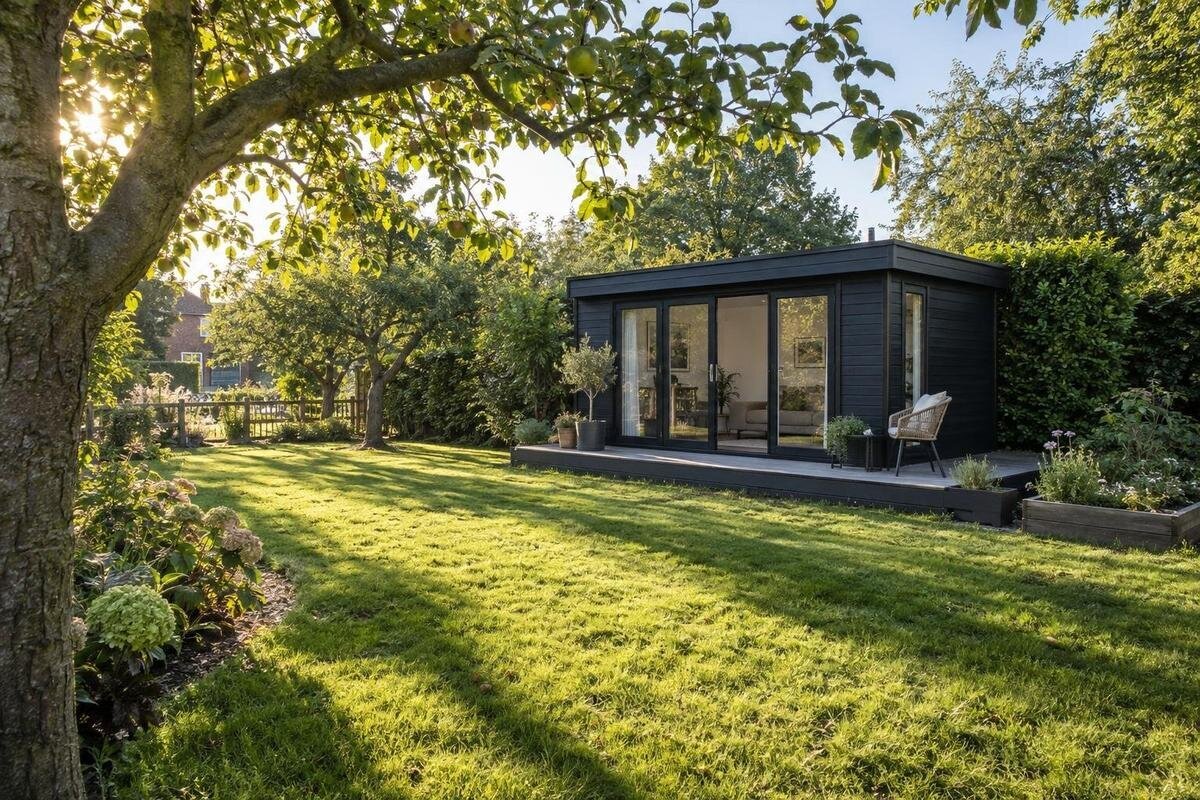
There is no single answer to where to position a garden shed: the best spot depends on what happens inside, when you use the yard and which views you want to keep or screen. Sunlight and shade shift across the day and seasons, while a small change in angle can affect privacy from nearby windows or paths. Good garden shed placement also needs to work with access and the chosen model’s layout. Compare a few possible spots before ordering, then confirm the site and product details that matter to your plan.
Before you order 1
Define how you will use the garden shed
List what will happen in and around the garden shed before choosing a spot. A building used mainly for storing lawn tools, cushions or seasonal items may need straightforward access more than a sunny interior. If you expect to sit, read, work on a hobby or tend plants inside, the amount and timing of daylight—and whether you can look out without being overlooked—may matter more. For a shed that serves both purposes, note which activity will happen most often, how long you expect to spend there and what needs to be carried back and forth. That daily pattern is more useful than a vague preference for a “nice” corner.
Write down the features you want from the site: morning light, shade at a particular time, a private view, a short route from the house or minimal impact on a sunny patio. Rank them rather than expecting one spot to provide everything. If two priorities conflict—such as screening a neighbour’s window while keeping daylight—decide which matters most and consider another way to address the second. Privacy may matter most at the sitting area rather than inside the shed, for example. If the building may serve different roles over time, include those future uses in your ranking. This gives you a consistent basis for comparing locations and product layouts instead of choosing by appearance alone.
Track sunlight at the times that matter
Observe each candidate area at several times, especially when you expect to use the shed or nearby outdoor space. A quick look at noon will not show whether a wall or taller structure shades the site in the morning or late afternoon. Note where direct sun reaches and when it disappears; repeat the check on another day, because cloud cover and season can make one visit misleading. Time-stamped photos from the same viewpoint help you compare spots without trusting memory. Record conditions where the building would stand, not just the general brightness of the yard. A note such as “sun until 11” is more useful than a general label like “bright.”
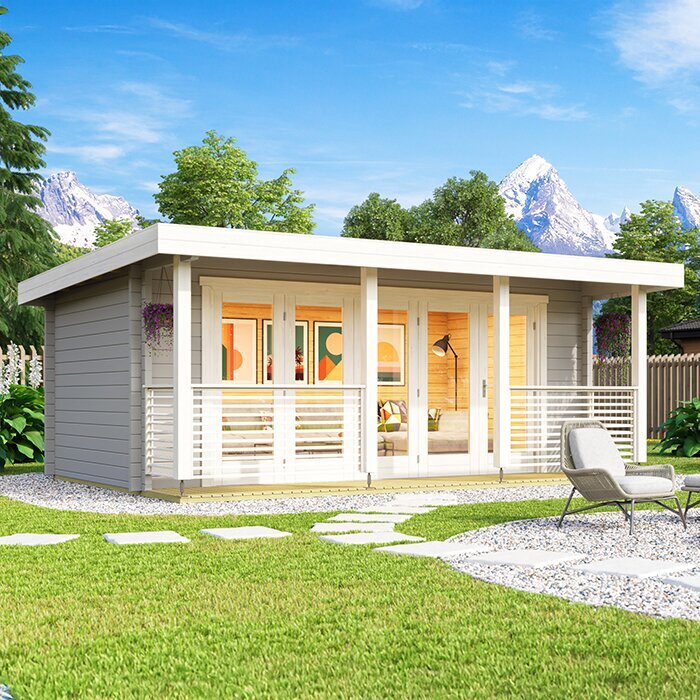
Once you have a candidate model, mark its stated footprint temporarily and relate that outline to your observations. Sun on the outside does not by itself tell you how bright the interior will be; openings and their orientation matter. For the Verdana 1 garden house, verify the specific listing and compare any supplied plan with your sun notes rather than assuming the product name or a catalogue image explains how it will face. If the layout is unclear, request model-specific information before settling on the location. Marking more than one possible position can show whether a small shift preserves useful light without changing the rest of your plan.
Before you order 2
Choose morning or late-day light for your routine
Morning and late-day light can feel different around the same spot. Think about the hours when you will use the shed and the surrounding patio: a position that is bright early may be shaded by the time you sit outside, while lower-angle sun later in the day can cause glare through an opening or make a sitting area feel exposed. If you mainly use the yard in the evening, assess the light and view then rather than relying on a midday visit. The goal is not maximum sun; it is a light pattern that fits your routine.
Include the opening layout when comparing options. A sunny location does not guarantee a bright interior if the relevant openings face away from it or are shaded. While reviewing the Verdana 2 garden house, use any plan or dimensions supplied for that exact version; do not assume the openings can be moved or the building mirrored. When the listing does not answer those questions, ask before placing an order. Consider the view from inside as well as the light reaching the outer wall, and assess both under the actual conditions at your site rather than judging brightness from a plan alone.
Check how nearby features cast shade
Nearby buildings, fences and established planting can cast shadows that shift across the day. Look at the ground where the shed would sit, and note whether shade is brief, broken or present for much of the time you care about. A spot may look open in a photo but receive less direct sun once the sun is lower or a neighbouring building’s shadow reaches it. Check again in a season when you expect to use the yard. The sun angle changes how a wall or fence casts shade, while planting may change as it grows or is maintained, so a single observation may not tell the whole story.
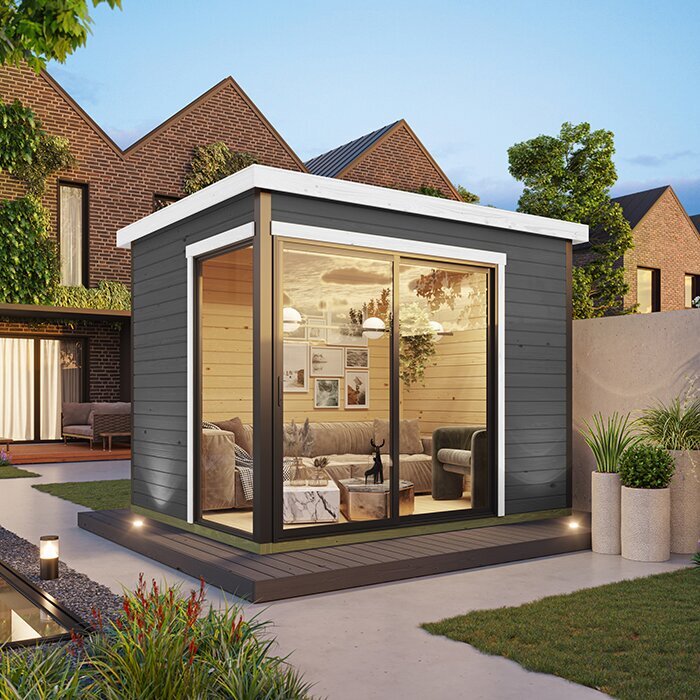
Use those observations to assess which parts of a proposed shed would sit in shade. If you are considering the Durano garden house, compare the exact product information and any supplied opening plan with the conditions at your site; neither the model name nor an exterior image can show how much natural light a particular installation will get. A shaded position may still suit your privacy goals or the way you use the space. What matters is whether it meets your priorities, not a general rule that every garden shed should stand in full sun. If two locations seem equally suitable, recheck both at the time that matters most to you.
Before you order 3
Balance privacy with daylight
Privacy is a sightline question as much as a boundary question. From the proposed spot, look toward neighbours’ windows, decks, paths and seating areas; then reverse the view and consider what someone inside the shed could see. A building with openings facing a neighbouring property can feel more exposed than one set at another angle, while a position beside a fence may screen low views but leave sightlines above it. Check from the places where people actually stand or sit, not just from the centre of the yard. Look at the approach too: a private interior is less useful if the route crosses a space you want to keep secluded.
Before relying on a fence or planting for screening, weigh the trade-off with daylight and how dependable that screen will be through the year. New planting may take time to fill in, while a solid screen may shade an opening or make an approach feel enclosed. For the Veltor 1 garden house, check the exact product information for opening positions before assuming a particular side will face the neighbour. You could adjust the shed’s angle, choose another position or screen only the sightline that concerns you. Check views while the yard is in use, and confirm any local restrictions before installing a screen.
Set the entrance and openings toward useful views
Door direction affects how the space works even when the shed is mainly for storage. If possible, approach the entrance from a path you already use rather than routing foot traffic through a seating area or a private corner. Think about the first view when the door opens: should it face the yard, turn away from a neighbour’s windows or keep stored items out of the main sightline? Note how the door opens using the layout for the exact model, and whether the entrance will be easy to reach. A preferred compass direction is less important than an approach and view that suit your routine.
Treat door and window positions as product details to confirm, not features to infer from a staged image. When comparing the Orello 1 garden house, use the configuration shown for the version you would order and confirm whether its orientation is fixed or selectable; do not count on being able to reverse the layout unless the supplier confirms it. Sketch two possible sites with the same building orientation and compare the approach, view and privacy together. If the exact plan is missing, ask for it before deciding that a spot works. If your yard has more than one gate or path, compare which entrance direction connects most naturally to each.
Before you order 4
Consider the shed’s effect on the rest of the yard
A garden shed can shade or visually screen an area beyond its footprint. Think about nearby seating, house windows, garden beds and any part of the yard you value for sunlight. A location tucked behind a patio may feel private for the shed but put the building between the house and an outdoor area you want to keep open; a spot beside a boundary may preserve the centre of the yard but alter a neighbour-facing view. Consider both the space occupied and the building’s height, because the footprint alone does not describe its effect on nearby spaces. Include the view from inside the house, not only the shed.
Use stated dimensions and an elevation or other model-specific drawing when available; a footprint alone cannot show how far a shadow could reach. For the Modano 1 garden house, check the product information for the exact version rather than estimating from a catalogue image, then consider how the proposed orientation sits beside spaces you want to keep bright. A precise shadow calculation is not necessary for a first comparison: mark the likely outline, observe the sun at the time that matters and ask whether the position blocks a view or interrupts a route through the yard. The shed may also create welcome shade, so decide which surrounding spaces you want to preserve in sun.
Plan the approach and delivery route
Consider the full route from the gate or driveway to the shed, not only the finished position. Check turns, steps, narrow passages, level changes and other features that could make carrying items or reaching the entrance inconvenient. Think about the route you will use with stored equipment and the way you will get it back to the house; a shorter straight-line distance is not always the easiest path. Seasonal conditions may also change how comfortable the route is to use. Focus on everyday access here; check the separate space required for assembly and upkeep against the chosen model’s instructions.
Before ordering the Garden Shed M model, review the supplier’s product and delivery information for any stated package, access or assembly requirements, and confirm that they suit your property. Do not estimate package size or handling needs from a product name or picture. Ask how delivery is handled, where materials can be unloaded and whether an installer needs access to the planned site. If a delivery vehicle cannot reach the final location, assess the route from the unloading point instead. Include logistics in your comparison rather than leaving them until the order is placed.
Before you order 5
Confirm the site and local requirements
A sunny or secluded location still needs to suit the ground and installation requirements. Note sloping or low areas, where water gathers and whether a proposed base could interfere with existing drainage. A visit or site photo cannot establish what foundation is suitable, so compare your observations with the installation instructions for the exact shed and ask a qualified local installer or other relevant professional to assess uncertain ground conditions. Avoid choosing a spot purely because it has the preferred light if it creates a site-preparation issue. If the location’s drainage or level is unclear, settle that before finalizing the layout.
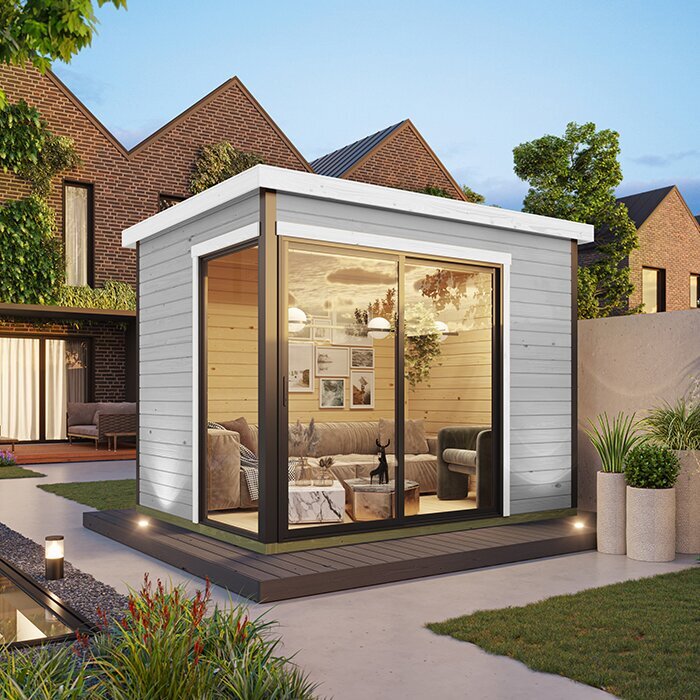
Before confirming an order, check property boundaries, utility locations and any applicable municipal rules, permits, covenants or other site restrictions. Requirements vary by municipality and property, so confirm them with the local authority or a qualified professional rather than relying on a distance or rule of thumb. For the Garden Shed S model, request the model-specific installation information and compare it with the site assessment; the product name alone does not establish base requirements or whether the location is suitable. Keep any written site advice with the product information so the installer is working from the same location plan.
Compare locations and product details together
Once you have two or three candidates, put their advantages and compromises side by side. For each, note the light at the times you use the space, views from nearby windows and paths, shade on the rest of the yard and the route to the entrance. Give more weight to your top priority: someone who wants a private sitting space may accept less direct sun, while someone who values daylight may prefer fewer sightline conflicts. Write down what you are willing to compromise on as well as what is essential. This keeps one attractive feature from deciding the purchase by itself.
Match the preferred location to the exact product configuration you intend to order. Confirm the dimensions and opening locations supplied for that version, any orientation options, installation or base instructions, and delivery or assembly conditions; ask the supplier about anything missing. Check that the footprint and entry direction work at the site, and that the purchase does not undermine access, privacy or the outdoor space that drove the decision. Compare the exact listing rather than assuming similarly named models or catalogue images share the same details. Record the version you compared so the information matches the product you order.
Frequently asked questions
Which direction should a garden shed face?
There is no universally best compass direction. The right orientation depends on the sun at the time you use the shed, nearby shade, privacy and where the model’s openings face. Observe the intended location, then compare it with the exact product layout. Do not assume every yard or configuration benefits from the same direction.
Can I put a garden shed in full shade?
A shaded location may suit your intended use or privacy priorities, but check that it works with the specific shed and its installation requirements. Consider the daylight you want inside and around the building, as well as drainage and site conditions. Ask a qualified professional about uncertain ground or base requirements.
How can I check whether a garden shed will be private?
Stand at the proposed location and look toward nearby windows, decks and paths. Then check the view from those places back toward the shed, including from seated positions. Compare the sightlines with the exact opening layout, and consider whether a screen or a different orientation would preserve privacy without blocking daylight.
Should sunlight or privacy take priority?
That depends on how you plan to use the shed and the surrounding yard. Rank your priorities, then compare locations at the times you expect to be there. You may find that moving or angling the shed improves privacy while keeping useful daylight, or decide that one priority matters more than the other.
What should I confirm before ordering a garden shed?
Confirm the dimensions and opening layout for the exact version, along with any orientation options, installation instructions and delivery or assembly requirements. Check that the site suits the model and your access route. Also verify property-specific requirements with the local authority or a qualified professional where needed.
The best position balances the way you plan to use the shed with the light, privacy and access your yard can offer. A spot that is bright may leave an outdoor seating area exposed; a more secluded corner may cast shade where you would rather keep sun. Compare locations at the times that matter, then match your preferred position to the exact model information and site requirements. That way, the garden shed can suit its purpose without taking away from the parts of the yard you most enjoy.
