
Wall-Mounted Pergola Black Friday Offers: What to Check Before Buying
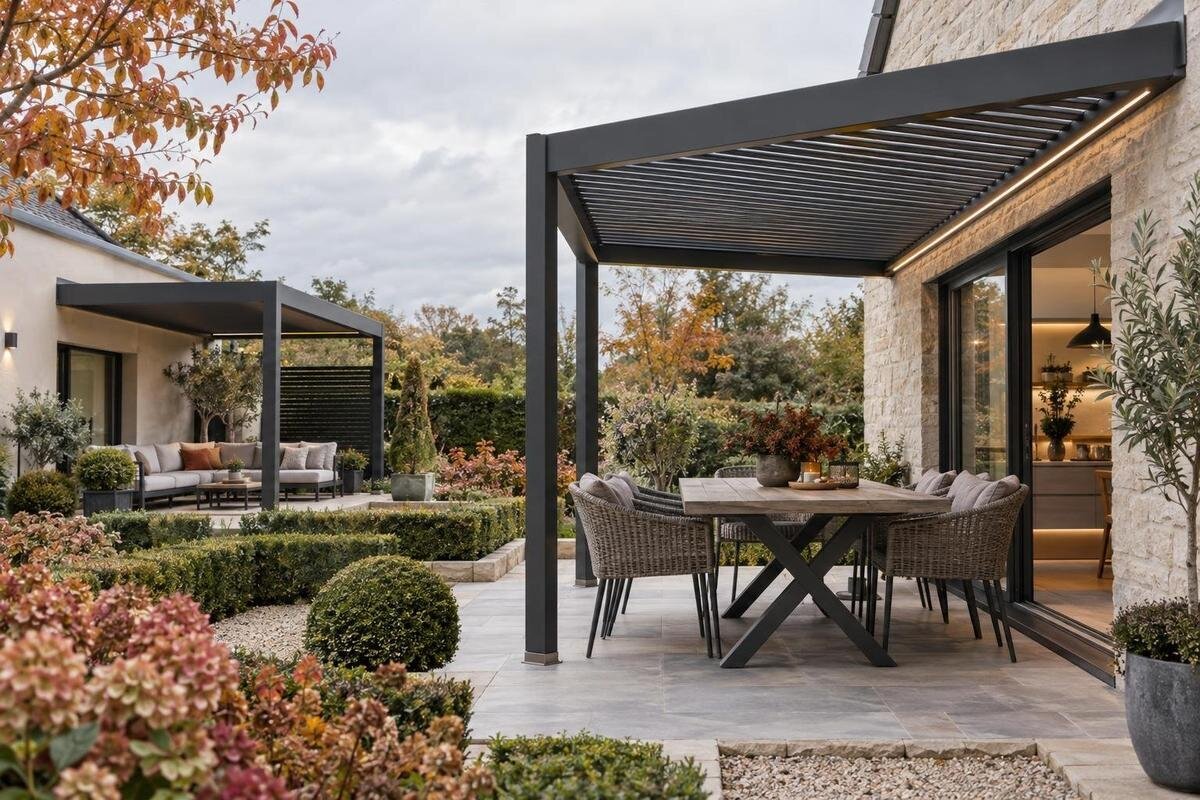
Pergola buying guide
Black Friday can make a wall-mounted pergola look like a straightforward seasonal purchase, but a headline price cannot tell you whether the proposed structure suits your wall, patio or preferred level of shelter. Because one side is fixed to the building, the condition and construction of that wall, the water run-off and the installation scope all matter alongside the product itself. Use the shopping period to compare exact configurations and written terms; consider the price only after the layout, compatibility and delivery arrangements make sense.

Before you buy 1
Set your requirements before comparing offers
Before comparing prices, write down what the pergola needs to do. Is the priority shade over a dining table, cover for a doorway or a more sheltered place to sit? Those are different jobs: a roof that gives shade may still admit rain, while open sides do not stop wind-driven weather. Note when you use the area, the furniture that has to fit and the route between the house and garden. A cover sized for a seating set may not keep the path from the door dry, so separate the main use from nice-to-have extras. This gives you a practical benchmark for every offer.
Set non-negotiables separately from preferences. The wall must be suitable, the footprint must fit and the product’s stated protection must match your expectations; colour or optional extras can sit lower on the list. When you first open the Bloomcabin pergola listing, record the product identity and any details you can verify, but do not treat a name, lifestyle image or discount badge as proof of dimensions, materials or weather performance. Ask for the exact model documentation and configuration that would appear on the order before comparing it with another offer. A short list of must-haves helps keep a seasonal promotion from shifting your priorities.
Check the wall before considering the fixings
Start with the wall, not the advertised fixing kit. A rendered or clad surface does not show what structure sits behind it, and an older wall may have repairs, openings or existing attachments that affect where the manufacturer’s specified connection can go. Masonry, timber framing, cavity construction and external insulation each present different questions; a surface that looks sound is not evidence that it can support the proposed arrangement. Before paying a deposit, identify the actual wall build-up and condition, including any cracking, loose finish, damp or concealed services near the planned position. Have the proposed installation reviewed by a suitably qualified installer or building professional.
Ask the seller or installer for the manufacturer’s written requirements for the wall, connection points and compatible fixing system, then have those requirements checked against your specific building. A generic assurance that a wall is ‘solid’ is not enough if a fixing must reach a particular support or avoid a façade layer. The selected configuration matters, so keep an identity record such as the wall-mounted pergola page for the assessor while requesting product-specific technical documents separately. Ask who is responsible for resolving uncertainty and whether an assessment is included in the quote. If nobody can explain how compatibility will be confirmed, defer the purchase rather than choosing fixings by appearance or an online rule of thumb.
Before you buy 2
Measure the projection, width and clearances
Measure a drawing of the proposed area as well as the wall span. Record the width along the building, the distance the pergola would project into the garden, and the height available at the attachment side and outer edge. Check whether quoted dimensions describe the overall outside footprint, the frame or the roof; these are not interchangeable when you are planning a table or walking space. Leave room for furniture in its normal position and for people to pass it. A dimension that fits the patio on paper can still leave a narrow route from a door or squeeze a dining chair against a support.
Then mark the positions of doors, windows, gutters, downpipes, vents, lights and wall-mounted fittings, along with any steps or changes in paving. Include the path of a door leaf or window when it is open, not only its closed outline, and establish where front supports would stand if the design uses them. Compare your sketch with written dimensions for the exact model; if the Bloomcabin pergola page is one candidate, confirm what each measurement refers to rather than estimating from its picture. Ask the seller for a dimensioned drawing if the listing or quotation leaves the usable clearance uncertain.
Read the weather-protection description carefully
Read the roof description for the amount and kind of shelter it actually offers. A pergola can be open overhead, have a roof with adjustable elements or use another arrangement; those options do not give the same shade or rain protection. Do not assume that the category name means a sealed roof, complete rain cover or protection at the sides. Consider the direction rain usually reaches the patio and whether you need shade at a particular point in the day. Ask which roof positions, if adjustable, are intended for use in the conditions described by the manufacturer, and what to expect when the sides remain open.
Look for written limits and operating notes for the exact configuration: whether rain protection depends on a particular position, how wind-driven rain is treated and whether the product is intended to stay open or closed in specified conditions. Do not turn a marketing phrase into a guarantee; request the specification or operating guide that defines it. If comparing a separate Bloomcabin pergola listing, check its own documented roof arrangement and limits instead of assuming two products provide the same shelter. If the documents do not answer your main question, ask before ordering, especially if keeping rain away from a door or seating area is essential.
Before you buy 3
Compare frame and roof materials using specifications
Compare the named materials for the frame, roof and smaller components, rather than relying on a broad description such as ‘metal’ or ‘weather resistant’. Ask what each major part is made from, how its finish is described and what care is recommended. The roof and frame may use different materials, while supplied screws, brackets, seals or moving parts can have their own requirements. Product photographs can help you recognise an item, but colour and appearance do not establish the underlying material or the maintenance it needs. For a long-term purchase, a written material description and care instructions are more useful than a general claim on a sale banner.
Check whether the quoted configuration includes the materials and finishes shown in the product information, and whether an accessory, replacement component or finish option changes the model being priced. Ask what cleaning products or routine checks the manufacturer recommends, how the finish should be maintained and where replacement parts can be sourced. If another Bloomcabin pergola page is on your shortlist, make a separate materials-and-care record for it; do not assume the same brand name means the frame, roof or upkeep is identical. Treat a claim about corrosion resistance or durability as something to verify in the written specification, not as a conclusion from a picture.
Plan drainage at the wall and across the patio
Plan for rainwater before the structure is attached. Ask whether the proposed roof has a defined drainage route, which components create it and whether gutters or outlets are included in the quoted configuration. A feature described as a gutter still needs a clear answer about where water leaves the pergola. Check whether run-off could land at a doorway, onto a path, beside a wall or where it collects on the patio. The aim is not to design drainage yourself, but to understand the arrangement the supplier and installer propose and whether it suits the existing site.
Discuss the junction with the building as well as the route at ground level. The installer should explain how the product’s wall interface is intended to meet the particular façade and what happens to water at that point; do not assume the connection automatically protects the wall from moisture. Check for conflicts with existing gutters and downpipes, and for access needed to maintain them. Ask who is responsible if a surface or drainage change is needed. For the wall-mounted Bloomcabin listing, request instructions for the relevant configuration and have any uncertain water-management issue reviewed before fixing an installation date.
Before you buy 4
Get installation responsibilities in writing
Separate supply from installation in every quote. Confirm whether a site visit, wall assessment, delivery to the installation area, assembly, wall connection, any specified outer support and finishing work are included or excluded. Do not assume that a pergola described as wall-mounted has the same number of supports or site preparation as another design; check the drawing and written scope. Ask who confirms the wall is suitable, who decides what happens if it is not, and how the installer will handle a mismatch between the actual wall and the information supplied. Clarify these responsibilities before committing to a seasonal offer.
Ask for an installation document that relates to the exact model and chosen wall construction, rather than a generic pergola brochure. Keep a clear product identity, such as the Bloomcabin pergola product page, but request the actual fixing requirements, site conditions, responsibilities and exclusions in writing. A quote should make clear whether wall repairs, extra access arrangements or a change to the agreed configuration would be priced separately; do not guess from a package photo. If specialist advice is needed, establish who arranges it and whether the assessment takes place before the order is committed.
Compare Black Friday offers on equal terms
An offer comparison is useful only when the products and terms are like for like. First record the exact model, configuration, dimensions and colour or finish, then note what is included: roof components, drainage parts, fittings and accessories, installation and delivery. Check whether the advertised amount applies to that particular option, whether extra items are needed for the layout you measured and how long the offer terms apply. Black Friday itself does not establish a discount, voucher or deadline; confirm any advertised figure and its conditions in the seller’s current information and at checkout before relying on it.
Keep the comparison grounded in your priorities, not the largest percentage on a banner. A cheaper package can be a poor match if it is a different size, lacks an item needed for the proposed drainage or has unclear wall and installation requirements; a higher price is not automatically better either. Read exclusions, delivery charges and payment conditions alongside the offer, and save the wording or order summary you are relying on. If a second pergola listing is a comparator, verify its own wall-mounting arrangement and terms rather than treating its category or title as confirmation that it fits your site. Do not let a countdown replace an unanswered technical question.

Before you buy 5
Check delivery, warranty and after-sales terms
Before ordering, check the delivery details for the package you intend to buy. Ask how many packages are expected, whether package dimensions or handling information are available, what access the delivery vehicle needs, and whether unloading or moving the items to the installation point is included. Compare the planned route from the delivery point to the garden with gates, steps, narrow passages and overhead obstacles; the product footprint alone does not tell you whether the package can get through. Confirm the delivery area, booking process, any charges and what to do if a package arrives damaged or incomplete. Get the answers in writing.
Read the warranty and after-sales terms for the exact model and installation arrangement. Check what parts are covered, how the terms treat the finish and any moving roof components, and whether conditions depend on approved installation, routine care or keeping records. Ask whether the wall fixing and installation work have separate terms, how a fault is reported and whether replacement parts or service support are available. Also read the seller’s returns and cancellation terms for the specific order, including what they say about a product already delivered or installation begun. Do not assume a general warranty heading covers every part of the project.
Pause if essential details remain vague
Pause if a fact that makes the purchase workable is still unconfirmed. That includes whether the actual wall construction is compatible, whether the measured projection and supports clear doors and access, how rainwater is handled and what the seller will install. A lower advertised price does not resolve any of those questions. Ask for the missing drawing, model identification, site assessment or written offer terms, and allow time for someone competent to review them. If the answer remains vague, walking away from that particular offer is more sensible than paying for a configuration that may not suit the building.
Use a short comparison record for each candidate: confirmed dimensions; wall and fixing requirements reviewed for your property; documented roof and drainage behaviour; named frame and roof materials; installation responsibilities; and final delivery, warranty and offer conditions. Mark each point as confirmed, awaiting an answer or unsuitable rather than treating blanks as agreement. If two offers meet the essentials, compare the remaining preferences and price. If only one does, the decision is clearer; if neither does, keep looking. This makes the seasonal choice about finding a workable wall-mounted pergola, not responding to the urgency of a promotion.
Frequently asked questions
Is a wall-mounted pergola always easier to install than a freestanding one?
Not necessarily. A wall-mounted design adds the need to confirm the building wall and the product’s fixing requirements. The wall’s construction and condition, site access and installation scope all affect the work. Compare the options against your actual site and the manufacturer’s written guidance rather than assuming one is simpler.
How can I tell whether my wall is suitable?
The visible finish cannot confirm the wall’s construction or whether it can support the proposed connection. Ask for the manufacturer’s requirements for the specific configuration and have the actual wall assessed by a suitably qualified installer or building professional. Resolve any uncertainty before ordering.
Does a pergola provide complete rain protection?
Not necessarily. The word pergola alone does not define how much rain protection a product offers. Check the roof description, the manufacturer’s guidance on use and the specified drainage route. Open sides can still admit wind-driven rain, so rely on written product information rather than a photograph or broad marketing description.
What should I compare in Black Friday offers?
Compare the exact model and configuration, dimensions, included roof and drainage components, installation scope, delivery charges, warranty terms and exclusions. Check the promotion’s conditions and the final amount shown when ordering. Differences in size or included work mean the headline prices may not be like for like.
Should I order before the wall has been assessed?
Ideally, confirm the wall, layout and fixing requirements before committing, particularly if installation terms depend on site suitability. Ask who will carry out the assessment and when, and request the result in writing. An offer price does not resolve an unanswered compatibility question.
Choosing a wall-mounted pergola on Black Friday is less about chasing a percentage and more about making sure the exact offer can be installed on the wall you have, in the space you measured, with the shelter and drainage you expect. Verify the product and installation documentation, then compare like-for-like terms for delivery, warranty and support. When the critical details are clear, the offer can be judged on its merits; if they are not, a sale price is not a reason to take the risk.
