
Argon vs Krypton in Insulating Glass: What Is the Difference?
Insulating glazing guide
A glazing decision often arrives late in a retrofit: surveys are booked, access equipment is being discussed, and the quote offers argon or krypton without explaining what changes in the actual window. That is the moment to slow the process down. Both are inert gases used inside sealed insulating glass units, but neither is a stand-alone measure of whether a replacement window or door is suitable. The useful comparison depends on the cavity between panes, the number and type of panes, coatings, edge construction, frame, opening size and the way the product will be installed. In a whole-house replacement, different openings may need different glazing approaches. In a single difficult opening, practical operation, sightlines and matching existing details may matter just as much. This guide sets out the questions that turn a gas-fill label into a usable specification decision.
01 / Plan each opening
Start with the replacement plan, not the gas name
For a retrofit, begin by mapping how every opening will be measured, protected and fitted. Access constraints can affect the practical size of a replacement unit; internal shutters, blinds, radiators and furniture can affect where an opening sash is useful; external paths can influence whether outward movement is acceptable. These issues do not decide between argon and krypton, but they determine the product that will contain the glass. A large fixed focal window has different priorities from a bedroom casement, a roof window or a patio door used many times each day. Write an opening schedule that records room, dimensions, use, desired opening direction, existing reveal condition and visual constraints before requesting a glazing comparison.
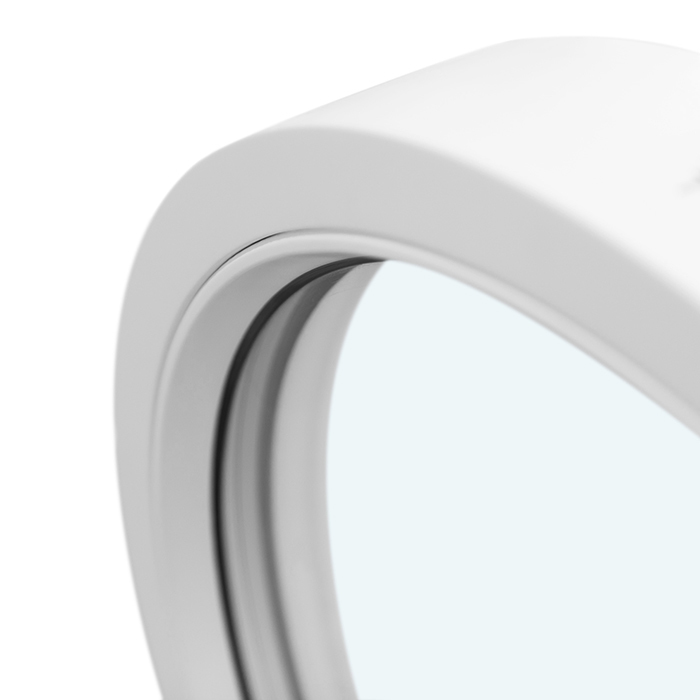
Separate unusual openings rather than hiding them inside a house-wide specification. A round fixed window, for example, introduces geometry and sightline questions that do not apply to a standard rectangular casement. Record whether surrounding finishes must remain, how the unit can reach the opening and which neighbouring windows it should visually match. Then ask which complete glazing build-ups are available for that particular shape and size. This prevents a preferred gas fill from being written into the brief before anyone has confirmed that the relevant unit can be made. It also gives the surveyor, supplier and installer the same reference when they discuss tolerances, access and final dimensions.
Understand where the gas sits
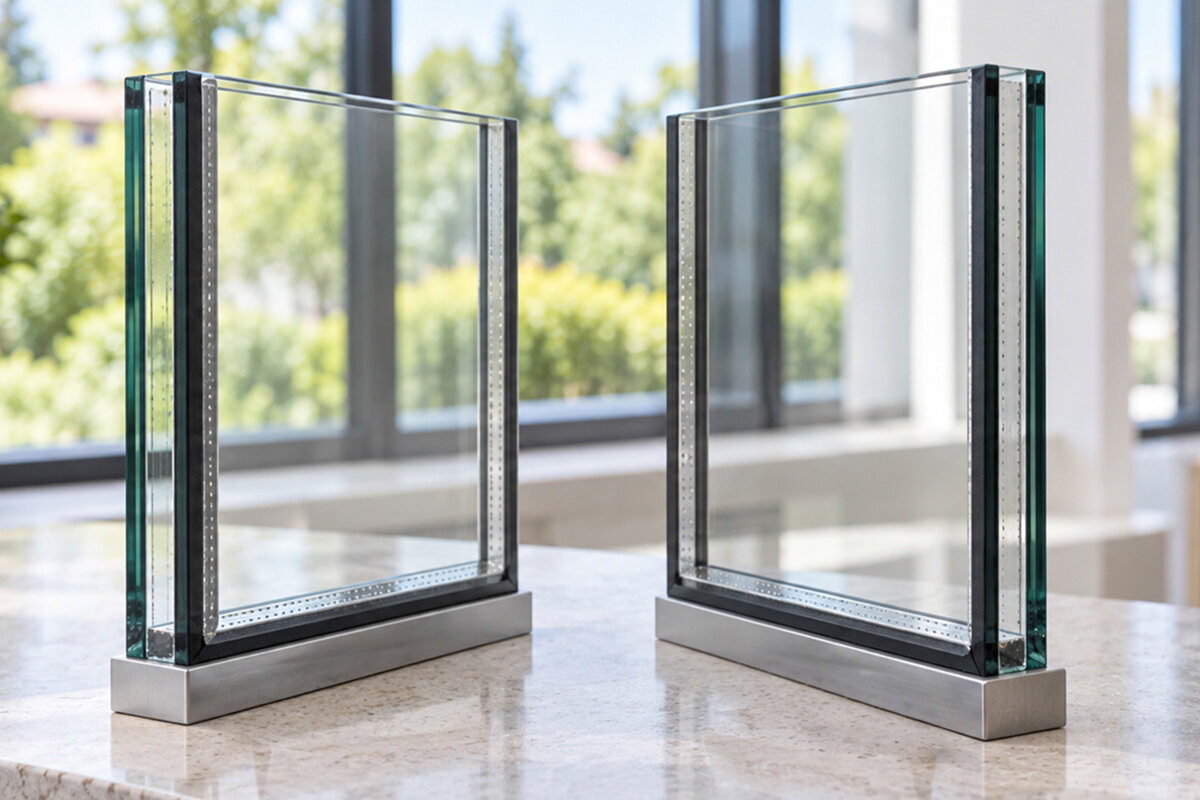
An insulating glass unit is a sealed glazed assembly made from two or more panes separated by one or more cavities. The perimeter spacer keeps the panes apart, and the sealed cavities can be filled with air or an inert gas. Argon and krypton belong in those cavities; they are not coatings applied to the pane, and they do not change the frame material or opening mechanism. Their purpose is to contribute to reduced heat transfer through the central glass area. The effect of a gas fill has to be considered alongside the width of the cavity, the glass itself and the rest of the finished window or door.
A quotation should make the glass construction legible. Ask how many panes are present, whether each cavity has the same fill, what separates the panes, and whether the quoted figures refer to centre-of-glass, the glazed unit or the complete product. These labels describe different things and should not be treated as interchangeable. Also ask whether the glass package changes visible appearance, daylight, solar gain, acoustic behaviour, weight or available size. A supplier can then compare alternatives that genuinely fit the selected opening rather than presenting a gas name as a general upgrade. If a figure is supplied, request the document and exact configuration to which it applies.
02 / Compare glass systems
Why cavity width makes the comparison specific
Gas does not perform in isolation from the distance between panes. The cavity is a designed part of the glazed unit, not empty space left over after glass selection. Argon and krypton have different thermal characteristics, so the appropriate fill can depend on the cavity arrangement achievable within a particular double- or triple-glazed build-up. That is why krypton is often discussed for narrower cavities or demanding designs, while argon may be considered for other arrangements. It does not follow that substituting krypton into any existing glass description will produce the same useful result, or that it is necessary for every project.
Do not select a gas before knowing the limits of the chosen product. A slim replacement frame, retained internal finishes, a shaped aperture or an existing façade rhythm may constrain the overall glazing thickness. Conversely, a new extension may allow a wider design discussion, but still needs a compatible frame and sash arrangement. Ask the manufacturer which complete glazed units are offered for the exact product, size and configuration. If two proposals have different pane counts, cavities or coatings, request a separate explanation of those changes before deciding that the gas fill is the reason for any stated difference.
Compare the whole window or door assembly
The glass is only one route through which heat can move. Frame profiles, the glass edge, seals, hardware zones and the junction between frame and surrounding wall all form part of the finished opening. A centre-pane value can be informative when comparing glass constructions, but it does not describe the complete window in a particular size. A very glass-dominant fixed unit and a small opening sash can have different balances between glass and frame. For this reason, a claim about argon-filled or krypton-filled glass is incomplete unless it is attached to a defined product and dimensions.
A broad uninterrupted view may lead you towards a fixed non-opening window, while separate opening lights manage ventilation nearby. That is a design decision first; only afterwards should you establish which glazing packages are available for the fixed unit and the opening lights. Request whole-product information on a like-for-like basis where it is available, and keep each opening type distinct in the schedule. Comparing one overall result for a fixed window against a glass-only result for an operable window creates a false ranking, even where both descriptions mention the same gas.
03 / Confirm the specification
Glass coatings may matter as much as fill
Modern insulating glass can include coatings chosen for particular thermal and solar roles. A coating can influence how heat transfer and sunlight are managed, while the gas fill works within the cavity. These elements should be assessed together rather than as competing upgrades. A south- or west-facing glazed area may prompt a different conversation from a shaded north-facing room, but orientation alone does not prescribe a glazing package. Room use, shading, overhangs, view, expected internal comfort and the size of the glazed area all belong in the brief.
Ask for a clear side-by-side table that keeps pane type, coatings, cavity dimensions, gas fill, spacer approach and stated performance measure visible. If the krypton option also changes the coating, glass thickness or number of panes, it is not an argon-versus-krypton comparison. It is a comparison of two glass systems. Ask what each change is intended to achieve and whether there are consequences for appearance, reflected light, daylight or the proposed opening size. This protects the buyer from paying attention to the most memorable label instead of the combination that actually suits the room.
Match glazing to operation and daily use
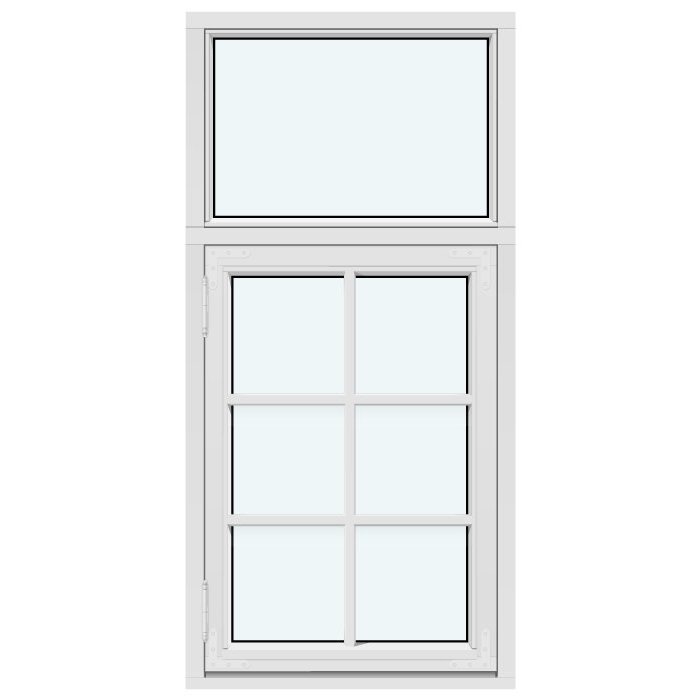
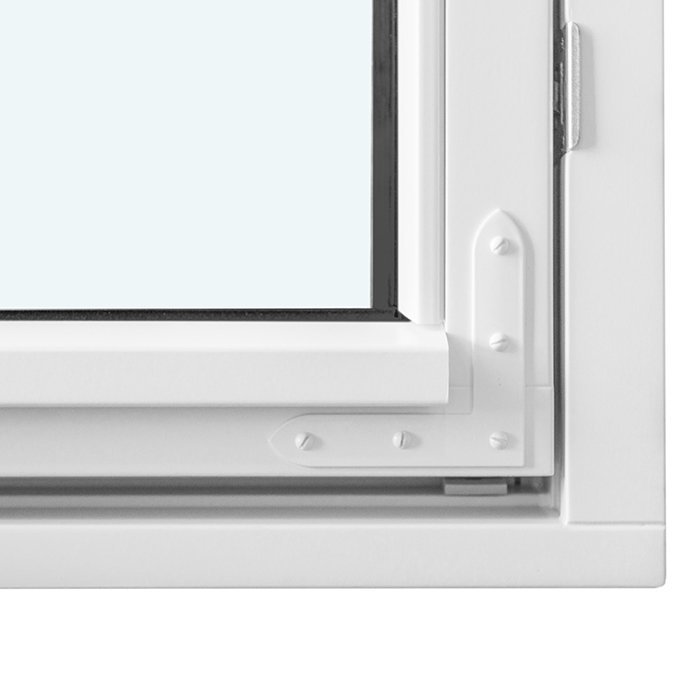
An opening window has requirements beyond its glazed unit. It must be comfortable to reach, practical to clean, clear furniture and work with normal ventilation habits. A single-sash outward-opening side-hung window illustrates the point: deciding where its sash should move is separate from deciding how its glass cavities are filled. Yet the decisions meet in the complete order because dimensions, sash weight and available configurations can influence which glazed units are offered. Where fixed and opening areas are needed together, a Kombi combination window provides another format to investigate. Confirm which parts open, their handing, the overall dimensions and the offered glazing before treating an argon or krypton option as available.
For doors, the practical discussion expands to circulation, threshold expectations, handle position and the number of moving leaves. A large glazed opening can make the garden feel closer to the room, but it should still be chosen for how it will be used in wet weather, while carrying items and when furniture is in place. Ask whether the proposed glazing construction is available for the selected door format and panel dimensions. Do not assume that a package shown on a window is transferable to a sliding, folding or hinged door without confirmation. If heavier glass changes handling or product limits, the supplier should explain the consequence for the quoted configuration.
04 / Arrange survey and fitting
Large panes change the buying questions
Large glazing can concentrate attention on thermal performance, but glass scale also changes visual and practical decisions. Consider view lines, the position of horizontal rails, cleaning access, reflections after dark and the relationship between opening leaves and fixed panes. A side-sliding patio door may provide a wide glazed connection while retaining a different movement pattern from hinged doors. Its glass specification should be confirmed for the actual panel sizes, not borrowed from a smaller sample or another product family. The gas fill remains one line in that specification rather than the basis of the whole choice.
For an extension, state early whether the priority is an uninterrupted outlook, regular ventilation, solar control, a particular external rhythm or all of these in balance. A fixed pane paired with smaller opening sections can produce a different result from several equal sashes, even with comparable glazing. Ask for drawings or an opening schedule that identifies which panels move and which remain fixed. Then compare the available insulating glass options panel by panel if necessary. This is more useful than imposing one gas choice on every glazed element simply because the products appear together on the elevation.
Do not overlook roof and shaped glazing
Roof windows and non-rectangular windows deserve their own conversation because their position, access and geometry affect the product decision. A pivot roof window is selected around reach, ventilation and cleaning behaviour before its gas-filled glazing is finalised. In a roof setting, the glass may also need to address the project’s wider daylight and solar-comfort brief. Ask which complete glazing variants are available for that roof-window configuration rather than assuming a wall-window build-up is identical. The same caution applies when comparing supplier documents: make sure dimensions, orientation and the basis of any stated performance are clear.
A fixed triangular or angled window can be an important architectural feature, yet its unusual form can limit the combinations offered. Confirm the visible dimensions, glazing lines and whether the proposed unit differs from adjacent rectangular windows. If appearance matters, ask how variations in panes, decorative bars or coatings will read across the façade. If a gas option cannot be supplied in a particular shaped unit, treat that as a product-availability question, not evidence that the entire scheme is unsuitable. A coordinated elevation may use related, but not identical, glass constructions where individual products require it.
05 / Check order details
Ask for an honest like-for-like quote
A strong quotation identifies the product, opening arrangement, size, glass make-up and inclusions for each line item. If you are offered argon and krypton alternatives, ask for two written configurations with every variable marked as unchanged or changed. Check pane count, cavity layout, coatings, decorative bars, spacer details, frame finish and the stated metric used for performance. Ask whether the comparison applies at your proposed dimensions and whether it includes all panels in a door set. Ambiguous phrases such as “upgraded glazing” are not enough to support a purchasing comparison.
Use the same discipline for installation scope. Establish who surveys the openings, what condition of the existing reveals is assumed, how temporary weather protection is addressed, and whether trims, making good, waste removal or access equipment are included or excluded. These are not gas-fill questions, but they can change the success of a retrofit far more than a vague glazing upgrade. Bloomcabin windows and doors have a 5-year warranty. Delivery is typically 4–6 weeks, subject to order confirmation; confirm the timing, survey sequence and final configuration for the particular order rather than planning works around a general estimate.
Choose a proportionate specification
The most suitable gas fill is the one within a complete glazing arrangement that answers the project brief without obscuring more important choices. For a modest replacement, a clear and compatible standard option may be preferable to a complicated specification whose benefits cannot be explained at the stated size. For a demanding renovation or new build, a more advanced combination may deserve investigation, provided it is compared as a whole product. An outward-opening passive house window with super-low Uw is an example of a product category where it is especially important to request the exact offered configuration rather than infer unseen details from its title.
Keep a decision record for every opening: room priority, product, dimensions, opening direction, glazing construction under consideration, information requested and final confirmed option. Include the gas in each cavity, pane count, coatings, colour, bar arrangement and any agreed variation from neighbouring units. This is valuable when several people are coordinating survey, design and installation. It also prevents a later substitution from being overlooked because both alternatives were described only as “triple glazing” or “krypton”. Before approving the order, reconcile the quotation, drawings and opening schedule line by line. A reliable purchase order records the assembly that has been reviewed, agreed and can be checked when delivered.
Frequently asked questions
Is krypton always better than argon?
No. Krypton is not a universally superior choice. Its usefulness depends on the cavity arrangement and the rest of the insulating glass design. An argon-filled unit may be appropriate for a particular product and size. Compare the complete quoted glazing construction and any stated whole-product result, not the gas label alone.
Can I add krypton to existing double glazing?
Gas fill is part of the manufacture of a sealed insulating glass unit. It is not normally a simple homeowner addition to a fitted unit. If an existing window needs attention, ask a glazing professional to assess the unit, frame and seals, then discuss replacement options appropriate to the opening.
Does triple glazing automatically mean krypton?
No. Triple glazing describes the number of panes, not the gas used in its cavities. A triple-glazed unit may be offered with different gas fills and glass constructions depending on the product. Request the full make-up, including each cavity and coating, rather than inferring the fill from pane count.
Will gas fill solve draughts around a window?
Gas fill works inside the sealed glazed unit and is not a remedy for draughts at opening joints, damaged seals, frame interfaces or surrounding reveals. First identify where air movement is occurring. A survey should distinguish a glazing issue from hardware adjustment, frame condition or work at the installation junction.
What should I send a supplier for a useful comparison?
Send approximate dimensions, photographs inside and out, room use, opening preference, orientation, whether the project is replacement or new build, and any appearance constraints. Ask for the exact products and glazing make-ups being compared. A subsequent site survey can confirm final measurements and feasible configurations.
What to do next
Argon and krypton are meaningful components of insulating glass, but they should never be selected as isolated badges of quality. Start with the opening’s role, then confirm the complete product, glazing build-up and installation plan. Cavity layout, coatings, pane count, spacer, frame, dimensions and operation can all alter the right comparison. For a UK retrofit, coordinate access, surveys and surrounding finishes early, especially where several window styles or large doors are involved. Ask for written, like-for-like alternatives and make sure the order records the actual glass configuration. That turns a technical choice into a specification you can review with confidence.
