
Bathroom Privacy Glass: Frosted, Obscure and Reflective Options Compared
UK bathroom window buying guide
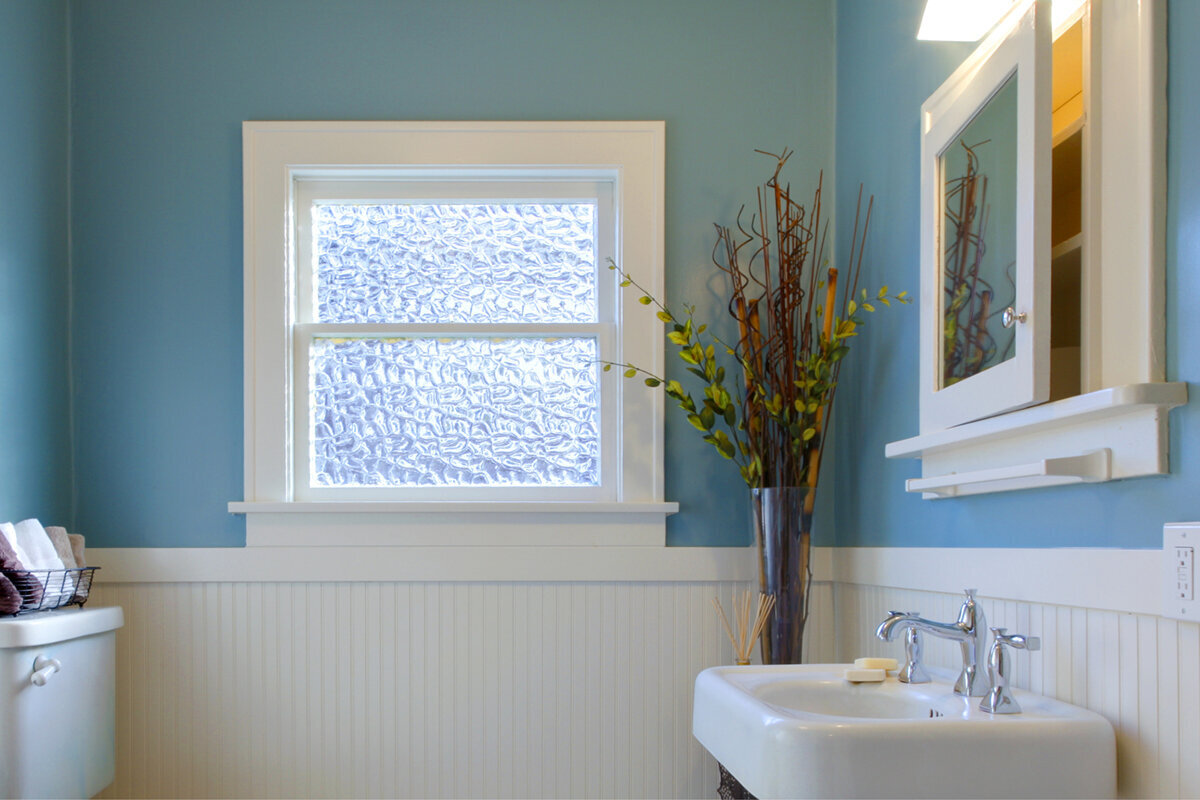
A bathroom window replacement is easiest to get wrong when privacy glass is chosen from a small swatch after the opening layout has already been fixed. In a retrofit, coordinate the existing reveal, tile edges, radiator or basin position, fitting access and ventilation plan first. Then assess privacy from the routes people actually use outside, not only from directly opposite the pane. Frosted, obscure and reflective glass can all change the view, but they behave differently in daylight, darkness and close proximity. A suitable choice can retain useful daylight without leaving occupants exposed. The practical comparison is therefore not which sample looks most private in a showroom, but which finish works at the proposed height, with the chosen opening type, under the bathroom’s real lighting conditions.
Begin with the room, not the glass sample
Treat the window as part of the bathroom plan rather than an isolated glazed panel. Record the finished floor level, sill height, visible glass area and positions of the shower, bath, WC and basin. Mark where someone stands or sits while using each fixture, then identify exterior viewpoints such as an upper neighbouring window, shared drive, footpath or garden seating area. A direct view may be harmless while a diagonal one is intrusive. This review shows whether the whole window needs privacy or only a lower pane, and stops an attractive finish leaving the critical sightline unresolved.
Decide whether this opening needs to open. A fixed non-opening window may suit a location intended mainly for daylight, provided the bathroom’s wider ventilation plan has been resolved. It has no sash swing or handle reach to conflict with a shower screen, tall tap or mirror. If regular opening is required, record the operation before choosing decorative glass. Privacy glazing cannot make an inaccessible handle convenient or prevent a sash striking a fitting. For a refurbishment, confirm final tile build-up, boxing-in and fixture projections before approving the opening direction and visible glass dimensions.
What frosted glass changes
Frosted glass diffuses the scene beyond it into a generally uniform blur. It can be a quiet visual choice where patterned tiles, strong colours or detailed fittings already compete for attention and the window should read as a soft light source. The trade-off is that the same diffusion also removes a clear outlook towards sky, planting or weather. Do not assume every finish sold as frosted gives the same result. The exact treatment, viewing distance and contrast between the two sides all affect what remains discernible, so ask to inspect the proposed finish rather than relying on a generic label.
Test a meaningful-sized sample against a recognisable setting. Place a person and familiar objects behind it at distances resembling the finished room and exterior approach, then check outlines, movement and colour contrast. Repeat the exercise with the bathroom side bright and dim, and look from standing and seated positions. A sample held against a showroom wall cannot reproduce a close diagonal view from outside. Record the precise finish and the panes receiving it in the quotation and approved drawing, so a later adjustment to sash layout does not accidentally alter the privacy specification.
How obscure patterned glass differs
Obscure glass uses texture or pattern to interrupt the view instead of producing only an even matt appearance. It can add character to a traditional bathroom, a period-inspired refurbishment or any scheme where the window is intended to be a visible feature. Its privacy effect is pattern-specific: one design may strongly scatter detail, while another may reveal more at close range or from certain angles. A product name, thumbnail or photograph does not demonstrate that difference. View the proposed pattern at a useful scale, in its intended orientation and with recognisable shapes behind it.
A pronounced pattern may create changing visual effects in strong daylight and become a focal point, while a subtler texture can sit more quietly behind fittings. If the window has several panes, matching every pane is not compulsory. A patterned lower pane might protect a direct view while clear glass above retains sight of sky, but every exterior approach still needs checking. There is no universal private height because ground levels, slopes, neighbouring windows and fixture positions vary. Base the division on a marked elevation and a full-height sightline review rather than applying a standard strip across the window.
Why reflective glass needs a cautious brief
Reflective glass can look more mirror-like when the exterior is brighter than the room behind it. That appearance may suit a contemporary elevation and can limit direct daytime views into the bathroom. Its key limitation is that the effect depends on lighting contrast. When daylight fades and bathroom lights are switched on, the balance can reverse and the interior may become more visible. Reflective glass should therefore be treated as an appearance option or one layer of the privacy design, not automatically as the bathroom’s only screen.
Test the room when it is likely to be occupied, not solely during a daytime survey. Stand outside with the main light and mirror lighting switched on, checking relevant routes and elevated viewpoints. Repeat the test from close and oblique positions. If the reflective appearance is preferred, plan an independent night-time measure, such as a suitable internal covering, and ensure it can operate around handles and the opening sash. The covering also needs a sensible position relative to splash zones and cleaning access. A convincing daytime reflection is not evidence of privacy after dark.
Set the privacy zone pane by pane
A bathroom window does not always need one treatment across its entire glazed area. A low opening beside an overlooked route may require obscuration over most of the pane, whereas a higher section may retain a clear view without exposing the occupant. Pane-by-pane planning is especially useful where different sashes face different approaches. Begin with the positions requiring protection and work outwards; do not start with a symmetrical design and assume it matches the sightlines. Mark finished floor level, fixture locations, visible glass and privacy zones on an elevation that the supplier and installer can follow.
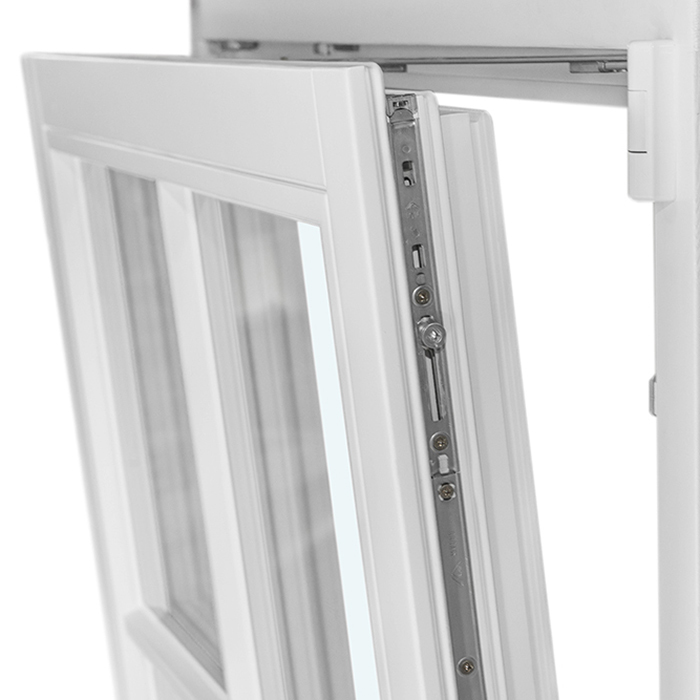
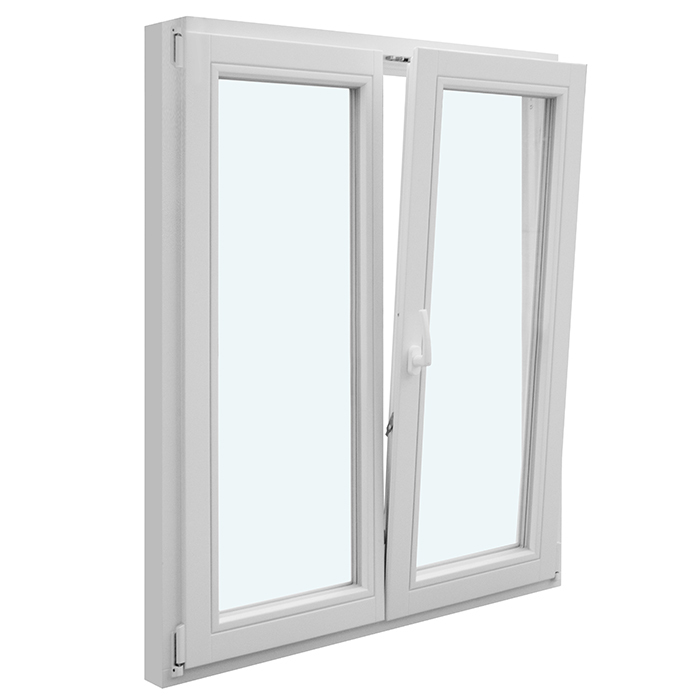
With a two-sash inward-opening window, the glass schedule can be defined separately for each sash while the opening arrangement remains clear on the drawing. This configuration is only an alternative: both leaves need internal clearance, reachable handles and a practical cleaning route. State which sash opens, where each clear or obscured pane sits and whether a patterned finish has a required orientation. Confirm how the arrangement should appear from indoors as well as outside. Approve the elevation before manufacture rather than relying on a phrase such as “privacy glass to bathroom”, which does not identify the finish or its location.
Keep daylight and outlook in the decision
Privacy does not have to make a bathroom dark or disconnected. Daylight can make a compact room easier to use and allows colours and finishes to be seen naturally. Frosted and obscure glass continue to admit light, but diffusion changes its character and removes visual detail outdoors. A narrow clear section may be valuable where it frames an unoverlooked area of sky; it adds less where it faces a close wall or busy route. Consider orientation, reveal depth and permanent external shading before deciding how much clear glazing is genuinely useful.
Window position and proportions matter as much as the finish. A high-level opening can bring in daylight above the main occupied sightline, but it must remain reachable if regular opening is expected. A top-hung outward-opening window is one configuration to discuss where internal clearance matters, although suitability depends on access, external space and the project design. Ask the supplier to show the handle, opening path and visible glazed area after frames and internal finishes are included. Do not choose an operation merely because privacy glass is specified; the finished window must still be convenient to use.
Plan ventilation separately from visibility
A private pane does not manage humid air by itself. Separate “can people see in?” from “how will the room be ventilated?” before choosing the window. In one bathroom the opening may be primarily for daylight, while another household expects to open it after every bath or shower. Those uses require different handle positions, opening paths and access. A sash behind a shower screen may technically move but be inconvenient enough that occupants rarely use it. A high latch also needs a safe, practical operating method rather than an assumed daily reach.
A single-sash inward-opening window may suit a clear internal zone where the glass and hardware need to be accessible from indoors. It is not a default: check for collisions with mirrors, cabinets, towel rails and people using the room. As an alternative, a two-sash outward-opening side-hung window keeps the sash movement outside but introduces different questions about external clearance and access to the outer faces. For any configuration, request the opening direction, hinge side, handle position and intended cleaning method on the drawing. Compare these details with the final bathroom layout before choosing the privacy finish.
Choose a finish that suits cleaning reality
Bathroom glazing encounters water droplets, soap residue, toothpaste spray and condensation, so cleaning belongs in the selection process. A relatively even frosted appearance and a pronounced obscure pattern may display marks differently or require different attention around seals and edges. Rather than assuming either is maintenance-free, ask for cleaning instructions for the exact glass treatment and frame combination. Confirm whether the treated surface is exposed and which cleaners or tools are unsuitable. This avoids choosing a finish whose appearance is difficult to maintain in the proposed location or damaging it through guesswork.
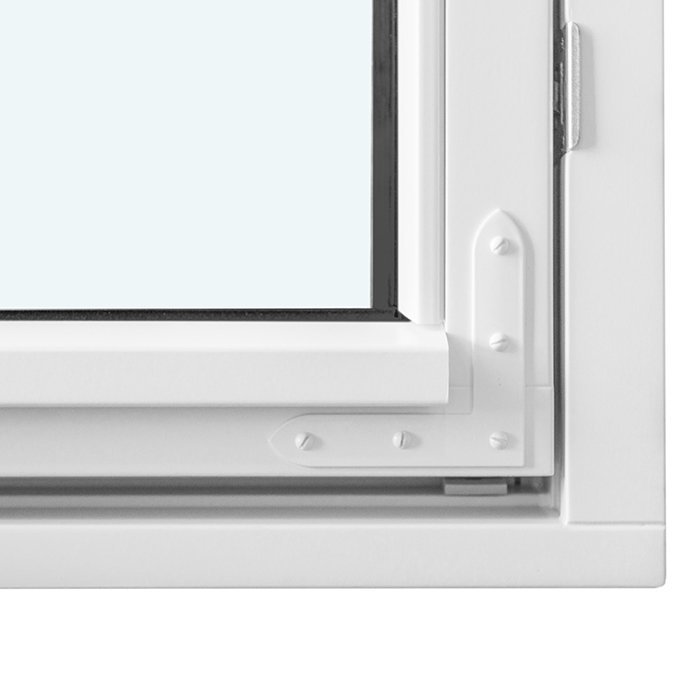
Access matters just as much as the surface. A pane above a bath may be awkward to reach from inside, while an upper external face can present a separate problem. outward-opening pivot window designs are an alternative to investigate where movement and access need particular consideration, but the exact pivot action, clearance and safe operating method must be confirmed for the selected unit. Do not assume every pivot arrangement offers identical access. Ask who will clean each face, from where, and whether the method remains practical after blinds, taps, bathroom furniture and external landscaping have been installed.
Coordinate glass with frames, bars and coverings
The finish should form part of the complete elevation rather than look like a late substitution. A broad frosted pane can appear deliberately simple, while patterned obscure glass may complement a traditional arrangement. If bars are wanted, distinguish decorative bars from glass-dividing bars when discussing the design. They can change the apparent scale of a pattern and frame smaller areas of glass, but they do not make clear panes private. A strong texture combined with prominent bars may also overwhelm a small opening. Request an elevation showing frame colour, pane divisions, bars and glazing treatment from both sides.
Internal coverings can provide adjustable privacy, particularly where reflective glass changes character after dark, but a wet room introduces practical constraints. Check the covering’s position relative to splashes, handles, opening movement and the cleaning route. It may work well at night yet become frustrating if it must be moved whenever the sash opens. Where a bathroom sits near a glazed entrance, single-panel door sidelights should receive a separate sightline assessment. Their viewing distances, users and required balance between privacy and visibility can differ from the bathroom window, so do not automatically repeat one glass specification across both elements.
Use samples, drawings and a final order check
Before ordering, assemble a concise decision pack: a room elevation, photographs from exterior approaches, visible glass dimensions, sample references and notes from day-and-night checks. Ask everyone who regularly uses the bathroom to view the samples, because comfort with silhouettes, movement and pattern is part of the brief. Compare the glass beside intended paint and tile samples where possible; surrounding colours can affect how the finish is perceived. For an unusually close or sensitive sightline, ask an appropriate qualified professional to coordinate the privacy requirement with the wider window and room design.
The final confirmation should name the configuration, opening direction, sash count, treatment for every pane, pattern orientation, any clear zones, bars and hardware positions. A Kombi combination window is an option where different opening functions are being explored within one arrangement, but it still needs a precise pane-by-pane glass schedule. Check the approved drawing against the final fixture plan and installation access before release. Bloomcabin windows and doors have a 5-year warranty. Delivery is typically 4–6 weeks, subject to order confirmation, so resolve privacy zones, sample references and access details before placing the order rather than leaving them for site interpretation.
Frequently asked questions
Is frosted glass better than obscure glass for a bathroom?
Neither is automatically better. Frosted glass generally creates a more even, restrained blur, while obscure glass provides a visible pattern whose effect depends on the chosen design. Test the exact options from relevant distances and angles, with the brighter side reversed, before deciding which gives the preferred balance of privacy and appearance.
Does reflective bathroom glass provide privacy at night?
Not reliably on its own. Its mirror-like appearance depends on lighting contrast. When the bathroom is illuminated and it is dark outside, that effect can weaken or reverse. If reflective glass is chosen for its daytime appearance, include an independent night-time privacy measure that remains compatible with the window’s handles and movement.
Can I have clear glass above privacy glass?
Yes, where the clear area has a genuinely private outlook and the lower treatment covers every relevant occupied sightline. Check from nearby ground, sloping approaches and upper neighbouring windows rather than assessing only straight ahead. Identify the exact pane or boundary on the approved elevation so the arrangement is not left open to interpretation.
Should a bathroom privacy window be fixed?
A fixed window removes sash clearance and handle-access questions, so it may suit an opening intended mainly for daylight. It is unsuitable as an automatic choice where occupants expect to use that window for ventilation. Establish the ventilation plan, cleaning access and room use before deciding whether a non-opening unit is practical.
What belongs in a bathroom window quotation?
Ask for dimensions, visible glass area, sash layout, opening and hinge directions, handle positions, the exact finish in every pane, pattern orientation, clear zones, frame colour and bar details. The documents should also identify fitting and cleaning access. Compare the final drawing with the completed fixture layout before confirming the order.
Next steps
Choose bathroom privacy glass by testing the actual view, not by relying on the words frosted, obscure or reflective. Frosted glass offers a relatively calm diffusion; obscure glass adds pattern and requires finish-specific assessment; reflective glass changes with lighting and needs separate night-time privacy planning. Coordinate the glazing with sash movement, ventilation use, fixture clearance, cleaning access and the panes that genuinely require protection. A marked elevation, sizeable samples and checks from realistic viewpoints in daylight and darkness create a clear order specification and reduce the risk of an attractive finish failing in everyday use.
