
Blinds Inside Double Glazing: Benefits, Limitations and Alternatives

UK window and door buying guide
A window replacement can become awkward when the glazing is ordered first and the blind decision is left until the fitter arrives. This is especially noticeable in a retrofit: an inward-opening sash needs room to swing, a patio door needs a clear route, and a deep internal reveal may make a conventional blind feel more prominent than expected. Blinds inside double glazing, often called integral blinds, place the blind within the sealed glazed unit instead of on the room side. That can be a neat answer, but it is not automatically the best answer for every opening. The sensible starting point is an opening-by-opening review. Consider who uses the room, whether privacy or glare matters more, how the window opens, where controls must be reached and how willing you are to keep the same treatment for the life of that glazed unit.
Buyer check 1
Treat the blind as part of the replacement-window decision
Integral blinds are best considered while the window or door is being specified, not as an accessory to add at the end. The glazing, blind arrangement and method of operation need to work together, so measure the opening and record how each sash moves before requesting a proposal. Include the depth of the reveal, position of handles, nearby radiators, worktops and furniture, plus any existing shutters, curtains or pelmets you plan to retain. A room-side blind can often be moved after installation; an enclosed blind cannot be repositioned independently of the glazed unit. That difference matters most on a retrofit where the new frame may sit differently from the old one.
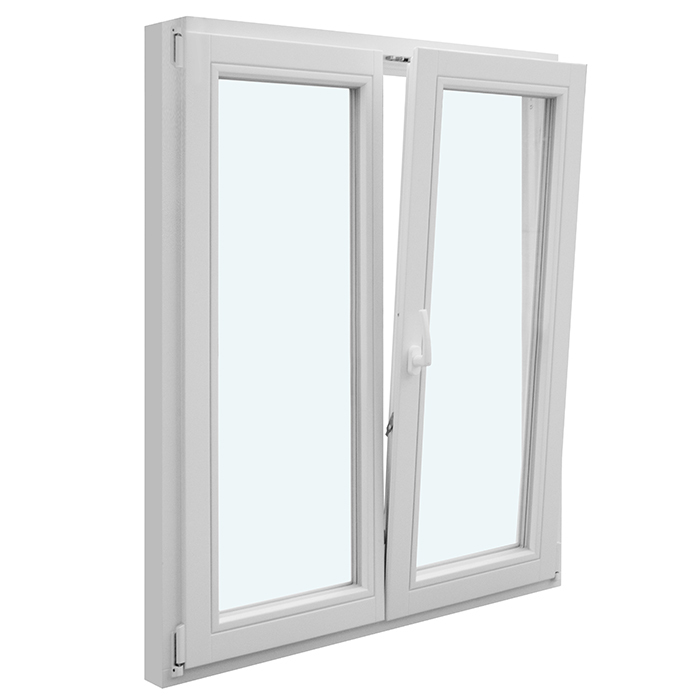
Start a simple schedule rather than choosing one treatment for the whole house by habit. Mark the main task at each opening: overlooking, low sun on a screen, sleeping, food preparation, a view to preserve, or a frequently used route outside. A study facing a neighbouring property may benefit from adjustable screening, whereas a dining-room fixed pane may need only occasional softening of daylight. For an inward-opening layout, examine a representative two-sash inward-opening window as an opening type, not as evidence that any blind is included. Confirm the proposed control location with the supplier against the actual order drawing and opening direction.
What the enclosed position genuinely improves
The central advantage is that the blind is protected behind the room-side glass surface. There are no exposed slats catching cooking residue, pet hair or dust, and no loose blind hanging in front of the sill. Wiping the accessible glass can therefore be more straightforward than cleaning a conventional Venetian blind one slat at a time. The result may also suit a pared-back room because the window reveal remains visually uncluttered when the blind is raised. In a compact kitchen or beside a desk, removing that extra layer from the room can make the opening easier to use.
Protection is not the same thing as maintenance-free ownership. Glass still needs cleaning, controls still need to be usable, and any concern about blind movement should be directed through the supplier’s agreed service route. The protected blind cannot be individually dusted, straightened, recoloured or replaced in the way a surface-mounted product can. Ask what information should be retained after installation, who should be contacted if operation changes, and whether the proposed glazing arrangement is appropriate for the size and use of that opening. Treat clear answers to those questions as part of the buying decision, rather than assuming the blind is a disposable furnishing.
Buyer check 2
Privacy, daylight and the limits of slat control
Tilting and raising a blind can help vary the balance between view, privacy and incoming daylight, but it does not create the same result as every other window treatment. Slats can direct or interrupt sightlines; they do not necessarily make a room fully dark, remove all glare, or give a fabric-like softness. At night, assess privacy with lights on inside, not only by looking at the window in daytime. During a consultation, describe what you want to prevent: direct overlooking from a pavement, a neighbour’s upper window, screen reflection, early-morning brightness or a strong beam across a table. Each aim points to a different covering strategy.
Look at the pane’s position as well as the blind. A broad uninterrupted view through a fixed window may be the feature you most value in a living space. An integral blind can remain raised for much of the day, yet its presence is still a permanent visual and specification choice. In that situation, curtains drawn in the evening or a separate discreet blind may better preserve the character of the glass by day. Conversely, a bathroom or ground-floor work area may value ready, repeatable privacy over the ability to change decorative treatments later. Decide which compromise the room makes most often.
Match controls to daily reach, not to a showroom demonstration
A blind is useful only if everyone who needs it can operate it comfortably. Stand where you will actually use it: beside a kitchen worktop, behind a sofa, at a child’s desk or from the approach to a patio door. Check whether an open sash, window handle, tap or curtain pole crowds the control position. Think about the full routine, including opening the window for ventilation, securing it afterwards and adjusting the blind without stretching across furniture. If a particular opening is rarely reached, a simple fixed privacy solution or a separate treatment may be more realistic than a sophisticated control that is seldom used.
The need for careful coordination is particularly clear with an single-sash inward-opening window. The sash comes into the room, so the clearance in front of it has a practical value every day. Integral blinds may reduce interference from a blind fitted on the reveal or face of the wall, but they do not reduce the sash’s own swing. Ask for the operational details applicable to the proposed unit, including the control position, and review them on the drawing before manufacture. Do not assume that a control arrangement seen on a sample will be repeated on every width, height or window style in your order.
Buyer check 3
Cleaning convenience versus the ability to refresh a room
For busy spaces, the smooth room-side surface is a persuasive reason to investigate blinds inside double glazing. There is no fabric collecting kitchen odours beside the hob, no chain or cord to move before wiping the sill, and no slat stack projecting into a narrow recess. This can also be appealing where a conventional blind would sit close to a basin, desk or bed. The visual line of the frame is kept clearer, which may suit a contemporary interior or a room where several openings should read as one calm elevation. These are everyday-use benefits, not a guarantee that enclosed blinds suit every style of home.
Against that convenience, consider how you normally update rooms. A change from warm timber tones to a cooler scheme, a new child’s room, or a desire for linen curtains can be handled quickly when the window covering is independent of the glazing. With integral blinds, the colour and appearance are tied more closely to the glass order. If you enjoy seasonal textiles or expect to redecorate frequently, use enclosed blinds only where their practical benefits are strongest. A conventional roller blind, curtain, shutter or externally fitted shading option can be an alternative, depending on the desired appearance and the opening’s geometry. Compare samples in the actual room light rather than deciding from a small online image.
Plan around opening hardware and ventilation habits
Blinds should never be assessed in isolation from handles, hinges and normal ventilation. Make a short video of the existing opening being used, then use it when discussing the replacement. Note whether the sash is opened fully, held partly open, or used mainly for brief purge ventilation. A covering that appears compact when the window is shut can become inconvenient if it obstructs the handle or creates an awkward sequence every time the opening is used. Likewise, curtains may billow into an open sash, while a room-side blind may need lifting before the window can be operated. Every approach has a different daily ritual.
For a single-sash outward-opening side-hung window, interior clearance is less about a sash entering the room and more about reaching the handle, cleaning approach and the chosen internal dressing. That can make a surface-mounted blind entirely workable where a deep reveal provides enough space. It may also leave integral blinds as a clean-looking option rather than a necessity. Ask the installer or qualified project professional to assess the complete window arrangement, including safe access for the location and your project’s requirements. The point is not to favour one solution universally, but to avoid discovering an operational conflict once the glazing is installed.
Buyer check 4
Patio doors need a traffic-first decision
A glazed door is different from a window because people, shopping, pets and furniture pass through it. Start with the route: which leaf moves, where people pause, whether the opening is used with hands full, and where curtains or a blind would gather when open. A room-side blind can be vulnerable to knocks or may need to be raised before repeated trips outside. Integral blinds can keep the internal face clear and provide privacy without another layer beside the route. Yet they also make the door glazing a more involved choice, so the service process and operation should be discussed before the door is committed to manufacture.
A Patio Life side-sliding patio door illustrates why door movement matters. Sliding panels do not sweep into the room, but the moving panel, meeting lines and usable passage still need careful review with the selected screening solution. Determine whether privacy is required across all glass or only at particular times, such as when lights are on after dark. Curtains may provide a softer, more decorative answer in a lounge; an integral blind may be attractive in a hard-working family room. Operate a comparable arrangement where possible, then check the exact configuration of your proposed door rather than relying on generic assumptions about sliding doors.
Large glazed openings make views and stacking more important
Wide garden openings invite a strong instinct to add privacy control everywhere, but a blanket choice can make a bright room feel over-specified. Divide the elevation into functions. Perhaps the panel closest to a neighbour needs frequent screening, while the central view is best left visually open. Consider where the sun is at breakfast, during computer use and in the evening, and whether you want to soften light or block it. A mixed treatment can be more effective than insisting that every pane has the same answer. It can also keep the budget and long-term maintenance commitment focused where the benefit is clearest.
With outward-opening bifold doors, ask how the leaves fold, where they stack and how the chosen blind arrangement affects the appearance when the doors are fully opened. Integral blinds can avoid fabric or slats moving in the doorway, but the glazed panels should still be assessed as a complete system. For some projects, a combination of separate curtains for atmosphere and another form of shading for peak sun may be preferable. Request a clear description of what each proposed option controls: privacy, direct sun, general brightness or decoration. No single covering necessarily performs all four tasks equally well.
Buyer check 5
Rooflights, high glass and unusual shapes may need another answer
Integral blinds are not automatically the sensible route for every glazed area. High-level windows and roof glazing introduce questions of reach, viewing angle, cleaning access and heat build-up that should be considered separately from a standard wall window. A treatment that works well at eye level may be difficult to use when placed above a stairwell or over a landing. For a pivot roof window, establish how the window itself pivots, how the chosen blind would be reached and whether the room needs light diffusion, privacy, glare reduction or a darker sleeping environment. Obtain advice specific to the intended configuration rather than transferring assumptions from vertical glazing.
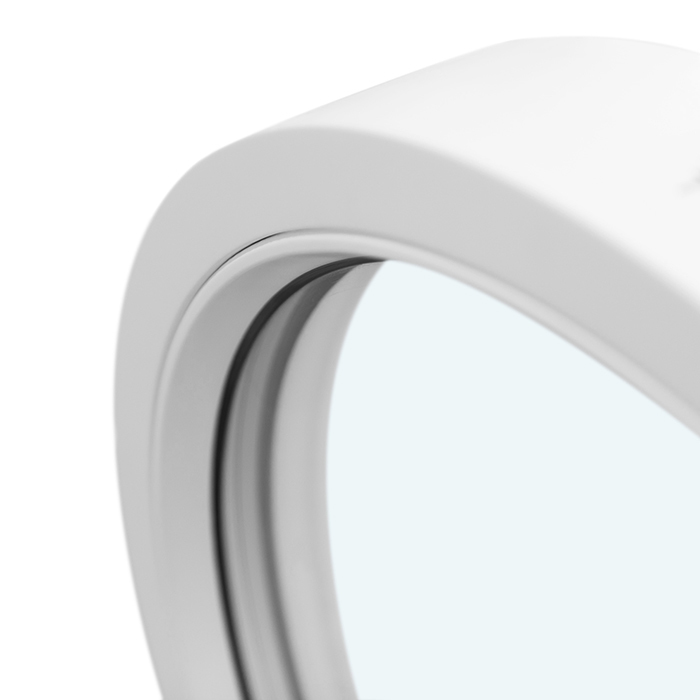
Shaped and feature windows deserve the same discipline. A round or triangular pane may be a focal point where a blind changes the design more than it improves daily comfort. It may be better to accept changing light, use curtains on adjacent standard windows, or select a treatment designed for that particular geometry where available. A blind inside a sealed unit can look especially tidy, but visual neatness alone is a weak reason for adding complexity to a rarely screened pane. Sketch the room elevation and mark which glazing genuinely needs adjustable coverage. This often reveals that one carefully chosen window treatment can do more than several indiscriminate ones.
Ask service questions before you sign off the glass order
Because the blind is connected to the glazing choice, future support needs more attention than with a blind bought from a furnishing retailer. Before placing an order, ask who is your first contact if the blind does not operate as expected, what order details you should keep, and how a concern is assessed. Ask whether the supplier needs photographs, a video or a site visit before advising next steps. Also confirm what is included in the written quotation: the relevant window or door configuration, glazing, blind arrangement, control method, finish and any installation scope. Vague descriptions create avoidable uncertainty later.
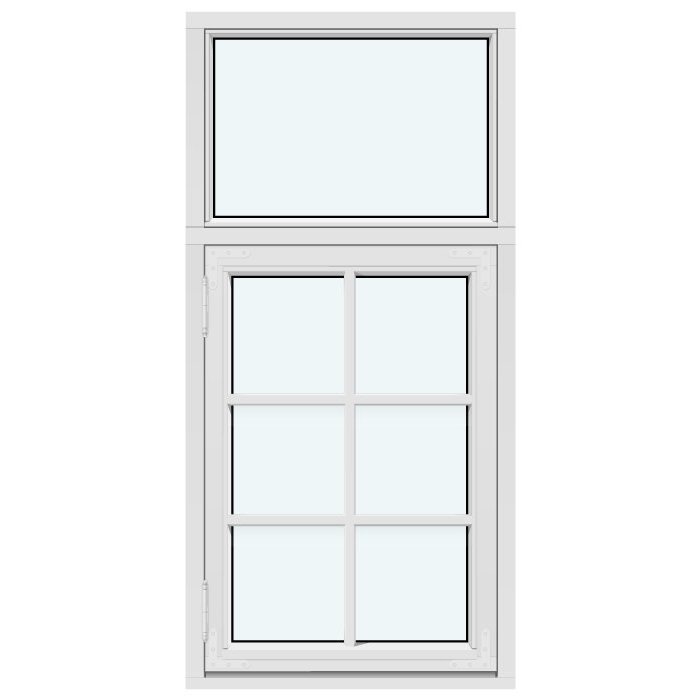
Use the same document check for combination units such as a Kombi combination window. Different sections can have different functions, and it is easy to assume that a blind position or control detail applies across the whole frame when it has not been confirmed. Review the elevation, identify each opening part and ask the supplier to correct any ambiguity before approval. Bloomcabin confirms a 5-year warranty for windows and doors; read the order documentation to understand the applicable scope rather than treating that statement as a substitute for the detailed product and installation terms. Keep approved drawings, order confirmation and care information together after completion.
Frequently asked questions
Are blinds inside double glazing a good choice for kitchens?
They can suit a kitchen where easy wiping of the room-side glass and a clear reveal are priorities. They are not automatically the best choice: consider reach from the worktop, the need to open the window, desired decorative softness and whether you may want a different look later. Compare a sample arrangement with a conventional blind.
Can integral blinds make a room completely dark?
Do not assume so. Their effect depends on the selected arrangement, the opening and the light entering elsewhere in the room. Explain whether your priority is reduced glare, daytime privacy, softer daylight or sleeping-room darkness. A qualified supplier can discuss the proposed option, while curtains or another treatment may be an alternative for a different result.
Can I add blinds inside double glazing to my existing windows?
In most cases, this is a glazing and window-configuration question rather than a simple room-side blind installation. Ask a supplier to assess the existing opening and explain the available routes. Do not assume an existing sealed unit can be altered in place. A separately fitted blind or curtain may be the more straightforward alternative.
Do integral blinds work with patio doors?
They may be useful where exposed coverings would interfere with a busy route, but the door type is crucial. Check the moving leaf, handle position, opening or sliding path, control access and your privacy needs after dark. Review the actual proposed door drawing and operating arrangement before deciding, rather than relying on a general product photograph.
When should I order windows with enclosed blinds?
Raise the requirement at the quotation stage, alongside sizes, opening directions, glazing and finish. This allows the supplier to confirm the proposed configuration before manufacture. Bloomcabin states delivery of 4–6 weeks, subject to order confirmation, so finalise drawings and blind details before confirmation rather than expecting a late change to be straightforward.
Next steps
Blinds inside double glazing are a practical, integrated option where protected slats, a clear room-side surface and adjustable privacy matter more than frequent restyling. Their main compromise is that the blind becomes part of the glazed-unit decision, with less freedom to alter or address it separately later. Make the choice per opening: map sash movement, door traffic, control reach, view, glare and night-time privacy. Then compare an enclosed blind with a conventional blind, curtain, shutter or no covering at all. A clear drawing review and written specification before order confirmation are more valuable than choosing solely by appearance.
