
Budget vs Premium Greenhouse: What Really Matters Over 10 Years?
Long-term ownership report
Budget vs premium greenhouse: what really shapes value over ten years?
The meaningful difference between a budget and premium greenhouse rarely appears on the day it is bought. Over a decade, the quality of the frame, glazing, fixings, ventilation and available support can affect how confidently you use, maintain and adapt the space.
The short answer
A premium greenhouse may cost more at the outset, yet its long-term value can lie in better detailing, a more composed structure and clearer routes for maintenance or replacement. Those advantages matter most when the greenhouse will be a permanent, frequently used part of the garden rather than an occasional seasonal shelter.
A budget greenhouse can still serve a well-defined purpose if the site is sheltered, expectations are realistic and the owner is willing to inspect and maintain it regularly. Compare like for like before deciding: dimensions, base requirements, glazing, doors, vents, fixings, supplied components and the availability of compatible replacements.
01
Start with the site
An exposed, uneven or awkward location places greater demands on any greenhouse, making sound foundations, secure installation and appropriate specification central to long-term ownership.
02
Inspect the details
Frame joints, glazing retention, door movement, guttering and ventilation arrangements influence everyday use far more than a single headline description or appealing product photograph.
03
Plan for repair
Ask how individual panes, seals, handles, fasteners and moving parts can be identified and replaced, particularly if the greenhouse is intended to stay for years.
A considered comparison of build, care, repairability and everyday use.
A greenhouse is a working garden structure, not simply an attractive enclosure. It experiences changing temperatures, wet weather, wind, soil, splashes from watering and regular opening and closing. Comparing initial quotations matters, but it should sit alongside a more practical question: which option is likely to remain enjoyable, serviceable and fit for your gardening plans through repeated seasons?
The budget vs premium greenhouse decision is therefore less about attaching a moral value to price and more about examining ownership. A modest model can be a sensible choice for a straightforward, short-term growing project. A more substantial model may suit a gardener who wants a permanent feature, expects frequent use, or values the ability to repair individual components rather than replace the whole structure.
This report focuses on the decisions that are easy to overlook at checkout: site preparation, material detailing, ventilation, cleaning, spare parts, adaptability and resale considerations. It does not assume that every household needs the same specification. Instead, it helps British homeowners identify where investment may reduce future compromise and where a simpler greenhouse can still be entirely appropriate.
Inspection 01 · Inspection sheet 01
Purchase price is only the opening figure
A low initial outlay can be compelling, particularly when a first greenhouse is being fitted into a newly planted garden. Yet the delivered product is only one part of the commitment. Groundworks, a suitable base, tools, installation time, ventilation accessories and later care may change the overall picture. A premium option is not automatically the right answer, but its specification should be assessed against the full project rather than a single invoice.
Think about the intended role before treating lower cost as a saving. A greenhouse used for a few trays of seedlings has different demands from one supporting extended growing, propagation and daily pottering. If the structure must look at home beside a terrace or remain accessible for years, proportions, finish and practical circulation become ownership considerations, not superficial extras.
- List every project element separately, including base preparation, installation help, accessories, routine cleaning materials and potential replacement components.
- Decide whether the greenhouse is a trial purchase, a seasonal workspace or a lasting garden feature before comparing quotations.
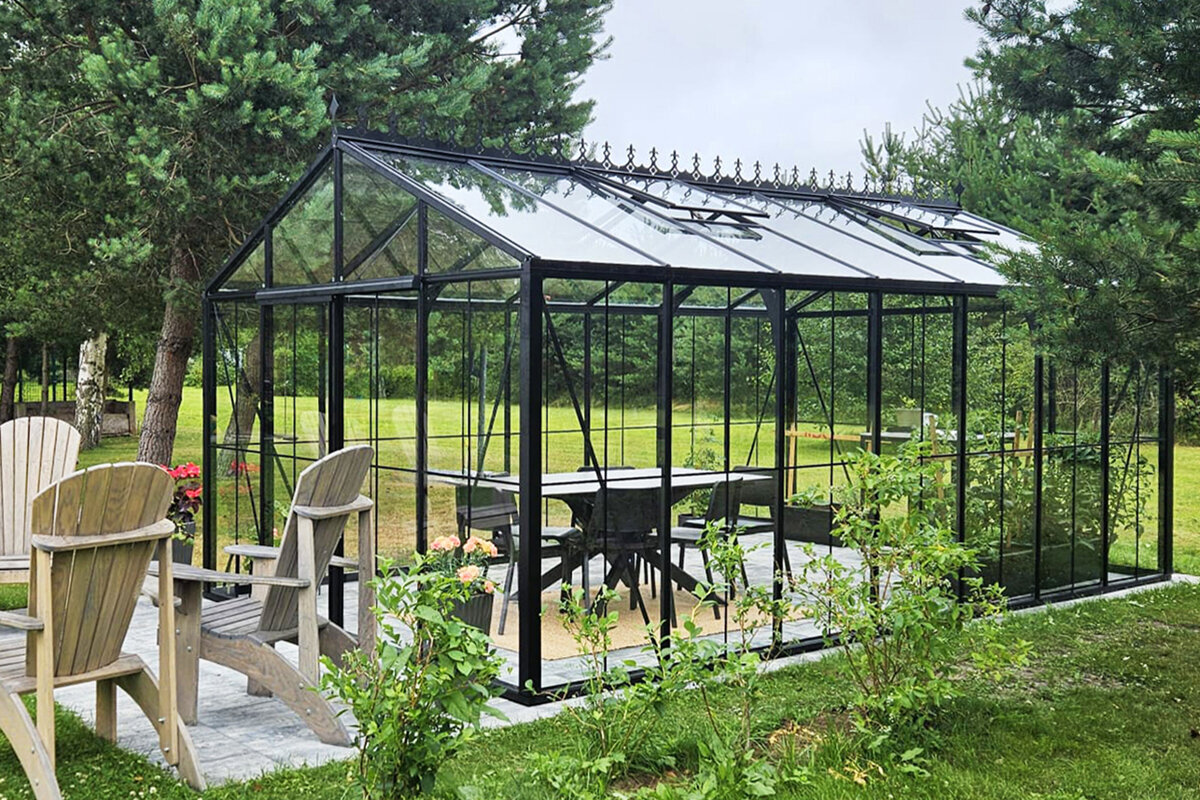
For a freestanding starting point, explore a standard Classic greenhouse with the footprint and everyday use in mind.
Inspection 02 · Inspection sheet 02
Structure and detailing carry the daily load
The distinction between greenhouse quality often becomes clearest in the least glamorous places: joints, corners, door tracks, glazing bars and the way components meet. A structure that feels orderly to assemble and use can make seasonal tasks easier, while poorly matched parts may invite recurring adjustment. Look closely at the product information, assembly approach and photographs rather than relying on broad labels such as heavy-duty or premium.
Material alone does not settle the comparison. Aluminium frames vary in profile, connection method, finish and the number of elements involved, while glazing systems depend on their support and retention. Consider how the roof, walls and openings work as a whole. A well-considered design should give you confidence to use doors and vents routinely, rather than encouraging careful avoidance of moving parts.
- Examine where frame sections join, how glazing is retained and whether door and vent components appear straightforward to access.
- Ask which components are supplied as standard, because apparently similar greenhouse packages can have very different practical starting points.
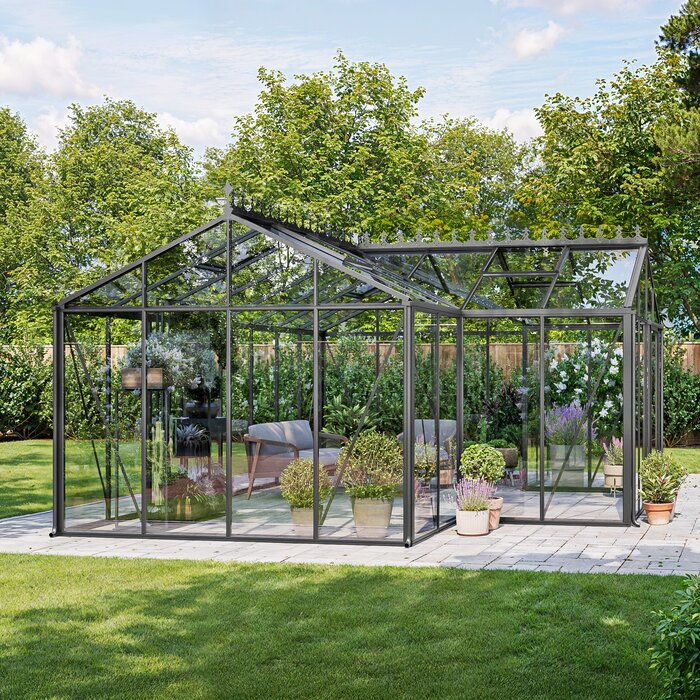
Where a wall can support the layout, consider a full-size regular Lean-To greenhouse as a purposeful alternative to a freestanding build.
Inspection 03 · Inspection sheet 03
The base determines more than level ground
A greenhouse needs a stable, level and properly prepared foundation suited to the selected model and its site. This is not merely an installation detail: it affects door alignment, glazing fit, drainage and the feel of the structure in use. Trying to economise on groundwork can create frustrations that are then mistakenly blamed on the greenhouse itself. Follow the relevant product guidance and seek suitable practical advice where the site is complex.
Premium ownership often begins with more deliberate planning, but that discipline benefits every budget. Measure access routes as well as the proposed footprint, note slopes and nearby trees, and think about where rainwater travels. A well-positioned greenhouse is easier to ventilate, clean and reach with compost or tools. It is also more likely to become part of the garden’s regular rhythm rather than an inconvenient destination.
- Check levels, drainage, access and clearances for doors before ordering, not once components have arrived in the garden.
- Allow enough surrounding space for cleaning glass, reaching gutters and safely carrying plants, pots and growing supplies.
A carefully planned plot can suit a standard Classic greenhouse for level gardens where freestanding access is useful.
Inspection 04 · Inspection sheet 04
Glazing choices shape care and comfort
Glazing influences light, privacy, weight, cleaning routines and the character of the greenhouse. The sensible choice depends on what you wish to grow, how visible the structure is, who uses the garden and how exposed the setting feels. Rather than assuming one glazing type is universally superior, compare the options offered for the actual model and understand the maintenance needs that come with each one.
Over ten years, the important issue is not only how glazing looks when new but how manageable it remains. Consider cleaning access, the ease of inspecting edges and fixings, and the process for replacing a damaged individual panel. A greenhouse that invites regular cleaning and inspection is more likely to receive it. This can help small issues be noticed before they become a disruptive repair project.
- Compare glazing by intended use, visibility, cleaning access and replacement process rather than treating transparency as the only decision.
- Keep planting benches and stored tools arranged so panels, vents and door areas remain reachable for seasonal inspection.
For garden rooms beside the house, view a full-size regular Lean-To greenhouse range alongside the available glazing and access choices.
Inspection 05 · Inspection sheet 05
Ventilation is a year-round ownership task
Ventilation is not an optional summer luxury. Fresh air management influences how the greenhouse feels during warm spells, how moisture disperses and how comfortably you can work among plants. The number and placement of openings should be considered in relation to the greenhouse size, orientation and expected use. A larger or more intensively used space may need a more deliberate ventilation plan than a compact seed-starting corner.
A budget model may be adequate if its ventilation arrangement fits modest needs and you are present to manage it. However, a premium greenhouse can justify its position when access, opening mechanisms and compatible accessories make routine climate management less awkward. Whichever route you choose, build a habit of adjusting ventilation with the season, monitoring plants and checking that openings operate smoothly and safely.
- Map likely sunny periods and prevailing weather before choosing roof vents, louvres or other ventilation additions for your greenhouse.
- Include ventilation checks in weekly garden routines, particularly after storms, cold snaps and periods of rapid plant growth.
For flexible freestanding growing space, a standard Classic greenhouse with ventilation options lets you plan the interior around your routine.
Inspection 06 · Inspection sheet 06
Maintenance reveals the true workload
Every greenhouse benefits from attention. Cleaning glass, clearing gutters, checking seals and fasteners, lubricating appropriate moving parts and removing debris are ordinary forms of care. The comparison is not between maintenance-free and high-maintenance ownership; it is between systems that make those jobs accessible and understandable, and systems that turn small tasks into inconvenient ones. Read the care instructions before purchase, not only after assembly.
A premium construction may use better-resolved components, but it still needs regular inspection. Conversely, a simpler greenhouse can serve well when an owner accepts the required routine and keeps ahead of wear. Create a seasonal schedule that suits the site: inspect after difficult weather, clean before the main growing period and look at doors, vents and drainage before they are heavily relied upon.
- Keep a small record of adjustments and replacement parts, including photographs, so future maintenance begins with accurate information.
- Use gentle cleaning methods appropriate to the stated materials; abrasive tools or unsuitable chemicals can create avoidable damage.
If the house wall informs your working route, a full-size regular Lean-To greenhouse layout can keep daily checks close to home.
Inspection 07 · Inspection sheet 07
Parts availability protects the investment
Long-term value is closely tied to repairability. A cracked pane, tired seal, lost clip or worn handle should not necessarily end the useful life of a greenhouse. Before purchase, ask how products are identified, whether component lists are available and how replacements are ordered. Clear documentation can be as valuable as a robust-looking frame because it gives an owner a practical path from fault to remedy.
It is worth distinguishing spare parts from generic substitutes. A component that appears similar may not fit correctly or may compromise the intended assembly. Retain your order information, model details and assembly documents in a dry, accessible place. When comparing budget vs premium greenhouse options, a transparent approach to parts and support may be a persuasive reason to spend more, especially for a long-term garden installation.
- Save assembly instructions, product identifiers and photographs of key fittings immediately after installation, before weathering obscures details.
- Ask about individual replaceable elements and their identification process instead of assuming every component can be matched later.
For owners who value a documented freestanding structure, consider a standard Classic greenhouse with replaceable components when reviewing long-term support.
Inspection 08 · Inspection sheet 08
Adaptability and appearance retain relevance
Gardens change. A greenhouse first used for tomatoes may later become a propagation area, a flower-growing workspace or a sheltered place for winter tasks. Consider whether the layout can accommodate shelving, staging, water collection or revised planting habits without becoming cramped. A premium purchase can be worthwhile when it supports these evolving uses, but only if those possibilities genuinely match how you expect to garden.
Appearance also has a long-term role. The greenhouse will be visible through seasons when little is growing, so scale, colour and relationship to nearby buildings matter. Choose a form that belongs in the setting rather than chasing a short-lived trend. If planning, boundary or appearance questions arise, check the position and proposal with the relevant local authority before committing to the project.
- Sketch present and likely future uses, including staging, potting space and circulation, before selecting a greenhouse footprint.
- Consider sightlines from the kitchen, patio and neighbouring properties so the finished structure feels considered in every season.
For a garden-to-house transition, a full-size regular Lean-To greenhouse for adaptable growing can make evolving routines easier to accommodate.
Comparison
Ten-year ownership comparison
The table below is a decision framework, not a claim that every budget or premium greenhouse performs in the same way. Compare the specific model, package and site conditions in front of you, then weigh each factor according to how long and how intensively you expect to use the greenhouse.
| Ownership factor | Budget greenhouse focus | Premium greenhouse focus |
|---|---|---|
| Initial scope | Confirm what the base package includes. | Assess specification beyond the headline purchase. |
| Site preparation | Avoid underestimating foundations and drainage. | Match a permanent installation to the site. |
| Frame and fittings | Inspect essential joints and moving components. | Look for carefully resolved access and detailing. |
| Glazing care | Understand cleaning and individual-panel replacement. | Review retention systems and maintenance access. |
| Ventilation | Check whether openings suit intended growing. | Plan an integrated, usable ventilation arrangement. |
A practical comparison process
Use the same questions for each greenhouse you shortlist. This prevents a polished finish or tempting starting figure from distracting from installation, ownership and repair considerations that may matter more over time.
01
Define the gardening brief
Write down what you will grow, when you will use the space and how many people need to move inside comfortably.
02
Survey the plot
Measure the available area, access route, levels, drainage and nearby obstructions. Note where the greenhouse will be seen from daily living spaces.
03
Compare complete packages
List dimensions, glazing, doors, ventilation, base requirements, accessories and assembly expectations. Ensure each quotation is being compared on a genuinely equivalent basis.
04
Test the maintenance story
Read care guidance and ask how panes, seals, clips and moving fittings are identified. Consider whether you can safely reach routine cleaning areas.
05
Keep a future file
Store drawings, model information, instructions and receipts together. This record supports maintenance, replacement-part enquiries and any future changes to the garden.
Buyer’s evidence checklist
Take this list into showroom discussions, product research and quotation reviews. It is designed to reveal long-term suitability without assuming that a higher-priced greenhouse is automatically the better fit.
01. The chosen footprint leaves safe access around the greenhouse for cleaning, gutter checks and carrying growing materials.
02. The proposed base is level, stable and appropriate to the manufacturer’s installation requirements and local ground conditions.
03. Doors, vents and glazing arrangements have been compared as working components, not just visual features.
04. The greenhouse position supports realistic ventilation, watering and daily access throughout the main growing season.
05. You understand what is included, what is optional and what additional work the full project requires.
06. Care instructions have been reviewed, including suitable cleaning methods and the routine checks expected from the owner.
07. Model details and spare-part identification arrangements are clear enough to support repairs years after installation.
08. Potential planning or boundary concerns have been checked with the relevant local authority before finalising the location.
Frequently asked questions
Is a premium greenhouse always better value?
Not necessarily. Value depends on your site, expected years of use, gardening habits and willingness to maintain the structure. A simpler greenhouse may be a sensible choice for limited seasonal use. A more substantial option can make sense where repairability, appearance, frequent access and long-term adaptability are priorities.
What should I compare beyond the purchase price?
Compare the complete project: base preparation, access, assembly, glazing, ventilation, doors, accessories, cleaning access and replacement-part arrangements. Also consider whether the size and layout will still work if your growing habits change. A lower initial figure is difficult to judge without this wider context.
Can a budget greenhouse last for many years?
It can, provided the model suits the location, is installed correctly and receives regular care. Longevity is affected by site exposure, foundations, use, cleaning and prompt attention to wear. Avoid treating price as a direct forecast of lifespan; inspect the actual design, guidance and support available.
Why do replacement parts matter so much?
Individual components are vulnerable to accidental damage and ordinary wear over time. If a pane, clip, seal or handle can be correctly identified and replaced, a small problem may remain a manageable repair. Keep paperwork and installation information so you can make accurate enquiries when needed.
Do I need planning permission for a greenhouse?
Requirements can depend on the property, location, dimensions, boundaries, listed status and other local considerations. Do not rely on a general rule or a neighbour’s project. Check the current position with the relevant local authority before ordering, particularly where the site has constraints or the greenhouse is prominent.
Should insurance influence my greenhouse choice?
It can be sensible to understand how a greenhouse may be treated under your own policy, but cover and conditions vary. Speak to your insurer about the planned structure, location and contents before installation. This is separate from choosing a robust, appropriate model and maintaining it properly.
Compare greenhouse options
Choose the ownership experience, not just the opening cost
The best budget vs premium greenhouse decision comes from matching the structure to the garden and the gardener. A low-cost option may be entirely sufficient where needs are modest and the owner is prepared for hands-on care. A premium option earns consideration when its detailing, repair path, usability and visual presence suit a longer-term plan.
Before choosing, make a side-by-side record of what each proposal includes and what your site demands. Give particular attention to the base, ventilation, maintenance access and parts support. With those foundations understood, Bloomcabin can be evaluated as a considered garden investment rather than simply another line in a shopping comparison.
Use your plot, growing plans and maintenance expectations to narrow the greenhouse style that will serve your garden well.
