
Buying a Pergola for a Hotel or Holiday Property
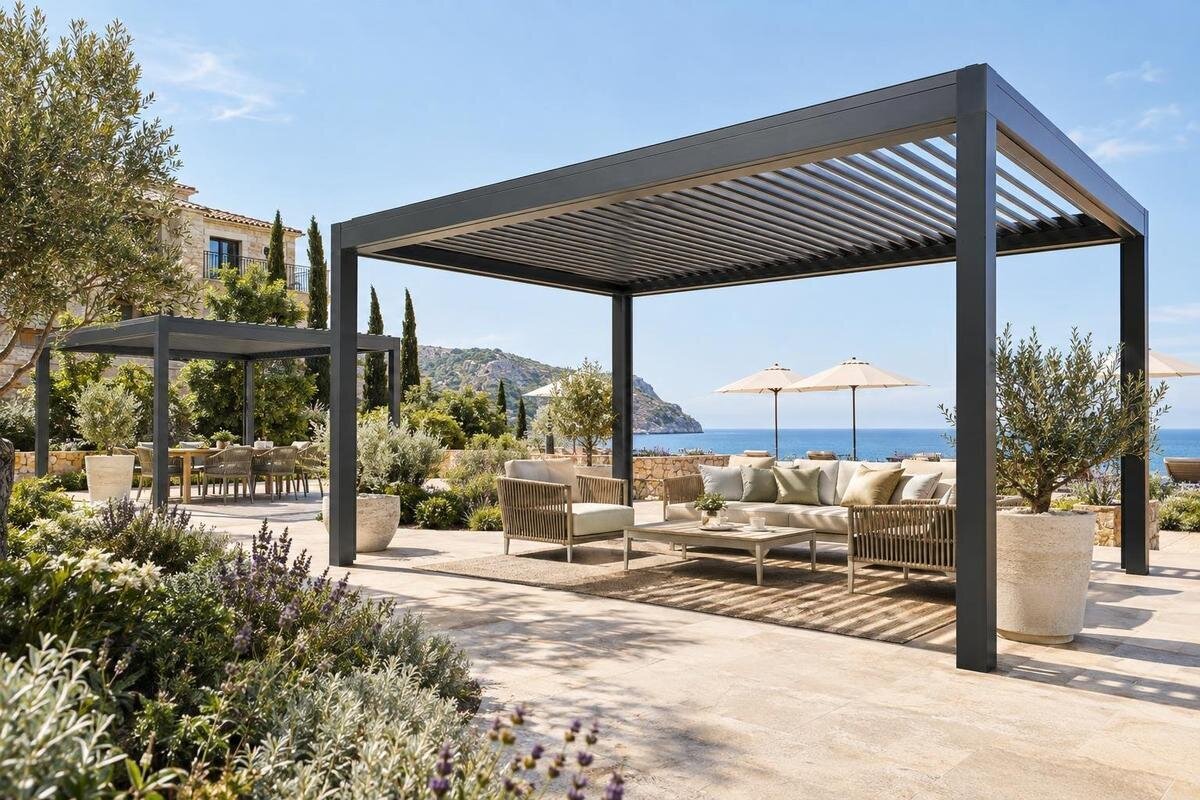
Pergola buying guide
Buying a pergola for a hotel or holiday property is not just a matter of choosing a style that looks right in a photograph. The structure has to fit a measured site, suit the way guests use it and work with the routines of the people who maintain the property. Begin with the purpose of each outdoor area, then compare dimensions, shelter expectations, upkeep, installation requirements and the full project cost. That process helps distinguish a practical fit from an attractive idea that has not yet been checked against the property.

Define the role of the outdoor space
Begin by defining the job the pergola must do at this particular property. It might provide a place to sit between activities, make a courtyard more inviting, create a shared amenity for hotel guests or give a holiday let a useful outdoor focal point. Those aims can lead to different layouts: a communal area needs room for several parties to approach and sit, while a small holiday property may call for a quieter, more contained space. Write down who is expected to use it, roughly how many people at once and when they are likely to be there. This turns a general wish for more outdoor space into a brief you can compare with the site.
Consider how the space fits the property’s usual pattern of use. Is it part of the guest offer, available only in fair weather or shared with staff moving between buildings? Will guests arrive with luggage or outdoor equipment, and will housekeeping need to clean and reset the area between stays? These details affect siting and the amount of space that must remain clear, not just the choice of furniture. They also show whether the pergola is likely to be used daily or occasionally, which matters when weighing upkeep and any optional items. Keep the brief property-specific: a layout that works in a hotel courtyard may not suit a private holiday cottage.
Measure the usable footprint, not just the patio
Measure the area available for the structure and the space around it. Record boundaries, changes in level, drains, existing posts, walls and the positions of doors and windows. Note anything that needs to remain accessible, including exits and service routes. Draw the proposed footprint on a simple site plan; a product’s stated overall dimensions may not show every clearance needed for supports or fittings. If the surface is irregular, or you cannot establish where the structure could go, arrange a site assessment rather than treating a rough measurement as an installation plan.
Add furniture, moving people and staff tasks to the plan. Allow for doors to open, chairs to be moved and guests to pass without having to rearrange the whole area. Mark the route to entrances, accommodation and other guest facilities, along with any place furniture will be stored when it is not in use. For a larger property, walk the proposed route and note bottlenecks rather than simply maximising the covered footprint. As a comparison point, add the Bloomcabin pergola product page after measuring; use only dimensions and inclusions explicitly stated there, and flag any missing details for confirmation.
Decide what level of shelter guests need
Be precise about whether the main aim is shade, some protection from rain or a defined outdoor area that remains useful when the weather changes. The word pergola alone does not establish how much sun a design blocks, whether its roof is fixed or adjustable, how it handles rain or whether its sides are enclosed. Those distinctions shape guest expectations. An outdoor seating area may still be valuable without serving as a dependable indoor substitute, so describe the intended benefit accurately. A clear brief is more useful than a broad promise that the space will be comfortable in every condition.
For any shelter feature that affects bookings or guest service, look for written information about the exact configuration, operating limits and care requirements. Ask how drainage is addressed and what conditions the supplier says the product is intended for; do not treat a general marketing phrase as a performance specification. Review the Bloomcabin pergola product entry only for details it actually states, and request clarification where information is absent. If the outdoor area needs to remain usable when the weather is unsuitable, include an alternative indoor space in your operating plan rather than relying on an unverified assumption.
Compare materials by their upkeep requirements
Compare the stated materials and finishes for each component, not just the overall appearance. A photograph, product name or model number is not enough to establish what the frame, roof or fittings are made from. Ask for the material information in writing and read the supplier’s instructions for cleaning, routine care and any finish-specific maintenance. Check whether suitable cleaning products or methods are specified, and whether any parts need periodic attention. This gives you something concrete to weigh against the time and skills available at the property, without assuming that one material is automatically best for every venue.
Consider who will carry out the care and when it can realistically be done. A hotel with regular housekeeping may have a different routine from a holiday let that is checked between bookings, but neither should rely on informal guesswork about cleaning. Make sure staff can reach the parts that need attention and that the instructions can be added to the property’s maintenance records. A product page such as the Bloomcabin pergola listing can be included in the comparison, but use it for material or care details only if they are actually provided. Ask the supplier to fill any gaps before you decide.
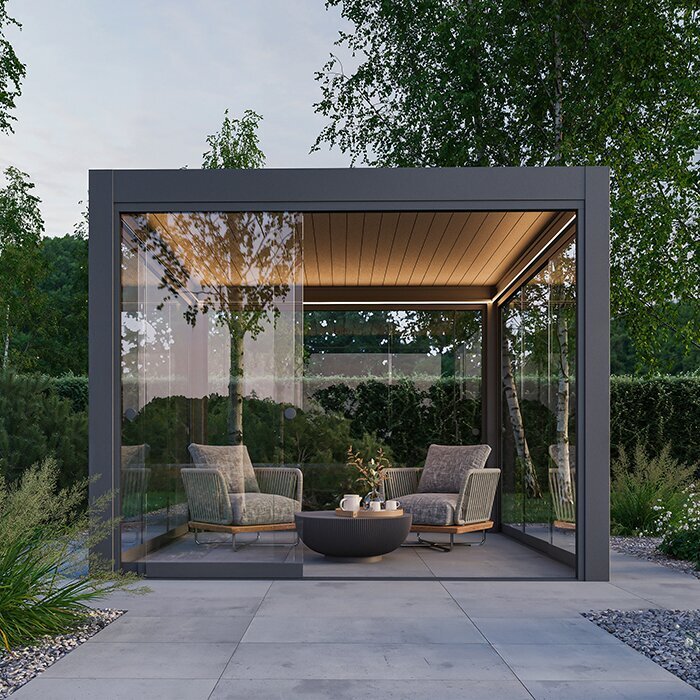
Plan for guest movement and daily service
Sketch how guests will approach, enter and leave the area before deciding where furniture or decorative items will go. Keep a clear route to nearby doors and facilities, and avoid placing planters, bins or chairs where they narrow the way through. If guests need a step-free route, include that from the outset and seek appropriate advice if the site has difficult level changes. Consider sightlines too: will staff be able to see when the area needs attention, and could the new structure affect privacy for nearby rooms? The aim is a usable guest space, not the largest possible number of seats beneath a frame.
Map the routine for setting up, clearing and cleaning the area. Decide where furniture will be kept, how staff will reach it and whether their route crosses a busy guest path. If the space is shared by more than one group, allow for people to come and go without disrupting one another. When assessing a product, a Bloomcabin pergola listing may help you review whatever dimensions and components it explicitly states, but it cannot answer questions about circulation at your property. Test the layout with the furniture and tasks you actually expect rather than relying on a product image to show how the finished area will work.
Budget for the complete project
The product price is only one part of the buying decision. Ask for separate figures, where applicable, for a site assessment, preparation, delivery and installation. Find out what is included in the quoted product and what would be supplied separately, such as accessories or furniture. If the property has restricted access or limited space for handling and storage, raise that before accepting a quote. A clear breakdown makes it easier to compare proposals on the same basis and reduces the risk of mistaking an optional item or a site-specific task for something already covered.
Allow for costs after installation as well as at the point of purchase. Use the care instructions to estimate staff time and any recurring maintenance, and consider whether installation work could affect bookings or normal operations. For guest-facing use, ask in writing whether the supplier’s terms or any applicable warranty cover the proposed use and installation; do not assume that they do. Add this additional Bloomcabin pergola page to the cost sheet only as a product reference: record what it explicitly includes, mark unanswered questions and avoid pricing assumed features. Comparing complete, itemised costs gives a sounder basis for choosing than comparing headline prices alone.
Confirm the site and installation requirements
Check the relationship between the proposed pergola and the property before ordering. An existing patio, deck or paved area may look suitable while still requiring a professional to confirm that the chosen installation method can be used there. Note nearby walls, doors, services and access routes, and identify whether the plan depends on attaching the structure to a building or placing supports elsewhere. Do not work out structural suitability yourself from photographs or general descriptions. A suitably qualified installer or relevant professional can assess the actual surface, proposed fixing method and site constraints for the product you are considering.
Agree who is responsible for each part of the process: the property owner or manager, supplier, installer and any other contractor involved. If the property is leased or subject to management arrangements, obtain the necessary owner or manager agreement. Ask the local planning authority or an appropriately qualified professional whether any permissions or restrictions apply to your specific address; do not assume the answer from a similar project elsewhere. Include another Bloomcabin pergola product page in your review only as a source of requirements it explicitly states. Have the installer confirm any missing site information before you commit to an order.
Account for exposure and nearby features
Look at the conditions around the proposed location, not just its dimensions. Nearby buildings can channel wind; trees may drop leaves or other debris; and the direction of sun changes how useful a shaded area is at different times. Note slopes, drainage routes and neighbouring windows or guest areas that could affect privacy. These observations help you explain the site to the supplier or installer, but they do not establish what a product can withstand. Ask for written information about relevant exposure limits and installation conditions, and get professional advice if the site is unusually exposed or otherwise difficult to assess.
Gather practical evidence before choosing: photographs from more than one direction, measurements, notes on where water collects and observations at the times guests are most likely to use the area. If the property is near the coast or has other unusual environmental conditions, mention that when asking about materials and maintenance rather than assuming a standard care routine will apply. This Bloomcabin product page can be one line in your comparison, but its listing cannot confirm that the product is right for your location. Match documented product information to advice about the actual site, and keep guest expectations in line with what that information supports.
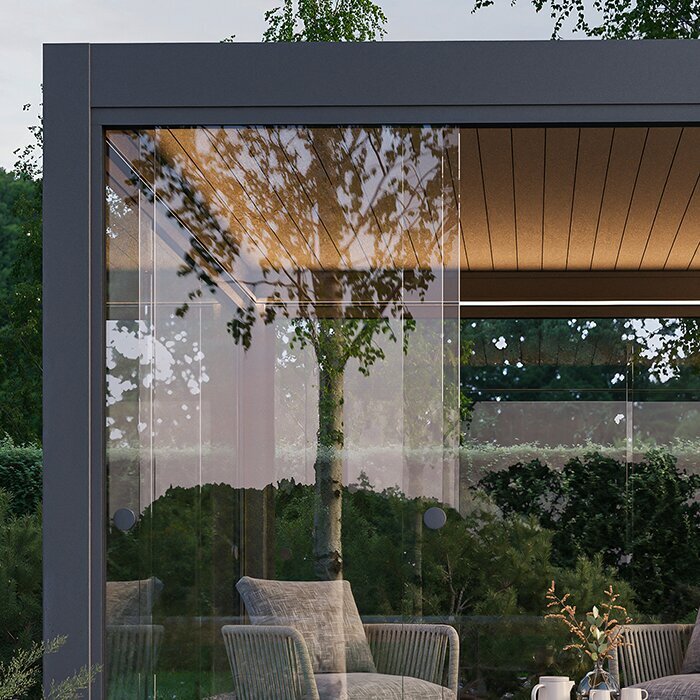
Compare needs across rooms and properties
For a property with several accommodation units or outdoor areas, decide whether consistency or a location-specific layout matters more. A repeated design may make the guest offer feel coherent and simplify staff familiarity, while differences in available space, privacy or exposure may call for different solutions. Do not assume that measurements from one courtyard or cabin can be applied to another. Make a separate brief for each location, noting its intended users, footprint, access, maintenance routine and any site constraints. That extra comparison is especially useful when the same person is ordering for several buildings or properties.
Keep a schedule that distinguishes confirmed details from open questions for every location. Record the product description, the dimensions and features actually stated, the quantity required and the site each item is intended for. Compare the other Bloomcabin pergola page against the same criteria as the alternatives, without treating similar wording or photographs as proof that two configurations are interchangeable. Before ordering multiples, ask the supplier to confirm the exact configuration, finish, included components and quantities for each site. A clear schedule helps prevent a product chosen for one space from being assumed to suit another.
Set out the order and installation arrangements
Before placing the order, bring the agreed details together in writing. Confirm the product name and configuration, quantity, finish, dimensions as stated, components included and any separately ordered accessories. Make sure the quote and order confirmation refer to the same specification, and ask the supplier to resolve discrepancies before you proceed. Confirm delivery arrangements, the route for bringing items onto the property, who will receive them and where they can be kept safely until installation. Ask for the expected delivery and installation dates in writing rather than building your plan around an assumed lead time.
Coordinate the work with the property’s calendar. Agree who will provide access, who will manage contractors and how staff should handle guest bookings or use of nearby areas while work is under way. Clarify responsibility for packaging, site tidying and follow-up if a delivered item or installed part does not match the agreed order. Keep product information, care instructions and supplier contacts with the property’s maintenance records so that future staff can find them. These arrangements are particularly important when several people manage the property: a shared, written plan is more reliable than relying on one person’s memory.
Frequently asked questions
What should I decide before buying a pergola for a hotel?
Define who will use the space, how many people it should accommodate, when it will be used and what guest experience it needs to support. Include staff access, cleaning routines and any relevant accessibility needs in the brief before comparing products.
Is a pergola suitable for commercial guest use?
Ask the supplier to confirm in writing that the exact product and proposed installation are suitable for your intended guest-facing use. Check whether the terms or any warranty distinguish commercial use; do not infer suitability from a product name or photograph.
Can a pergola be fitted to any existing patio?
No. The surface, proposed fixing method, available clearances and access for installation all need to suit the chosen product. Have a suitably qualified installer or other relevant professional assess the site before you place an order.
Will a pergola keep guests dry?
Not necessarily. The word pergola does not confirm how a particular design deals with rain, wind or drainage. Check the written product information and ask the supplier about the exact configuration and its conditions of use before promising guests a sheltered space.
What should the budget include besides the pergola?
Allow for site assessment and preparation, delivery, installation, any separately supplied accessories, furniture and ongoing maintenance. Consider how installation work might affect bookings or normal operations, and compare itemised quotes rather than relying on the product price alone.
A pergola earns its place at a hotel or holiday property when the guest benefit and the operating plan suit the same measured site. Define the purpose, test the layout against real movement and maintenance, and resolve questions about shelter, materials and installation using written product information and qualified site advice. Then compare the complete project costs and agree the delivery and work arrangements before ordering. The result is a choice based on how the space will actually serve guests, rather than appearance alone.
