
Buying a Pergola for a Snowy Climate: What to Check
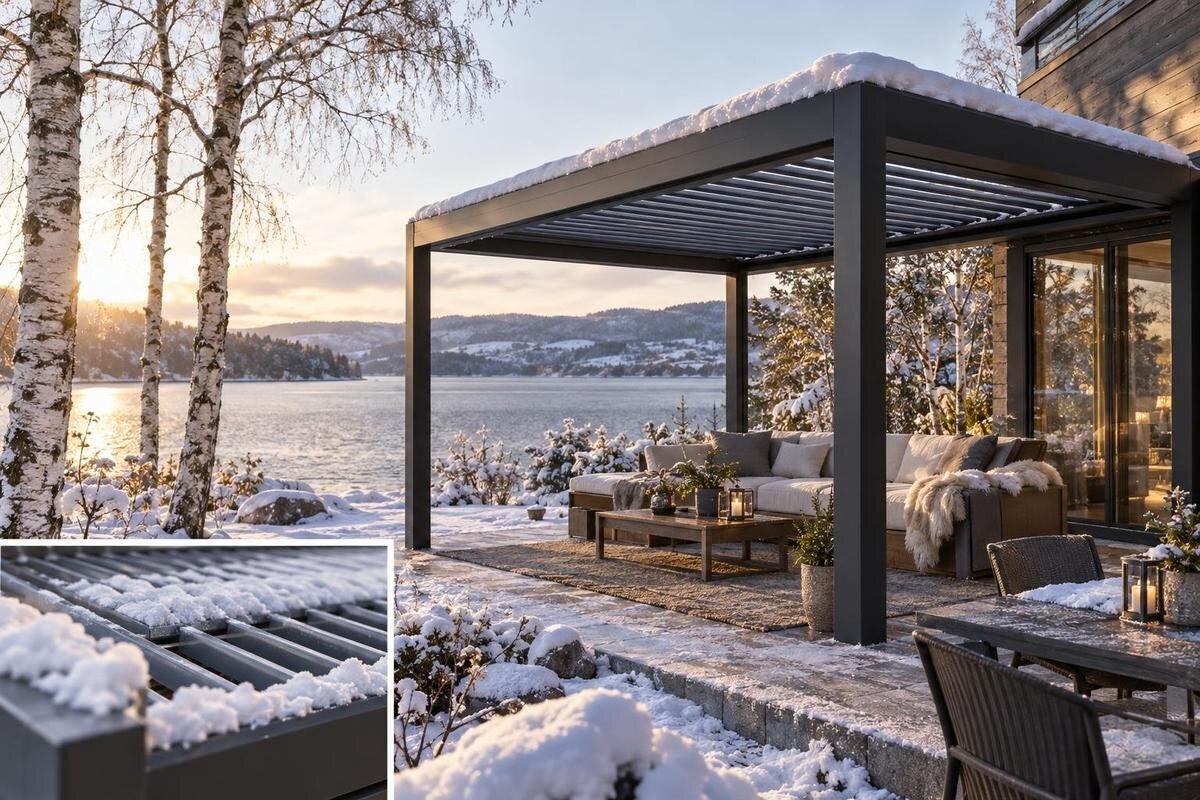
Pergola buying guide
Snow puts more emphasis on evidence than appearance when you buy a pergola. A structure that looks substantial may have no published snow capacity, while a rating is useful only if it covers the exact size, roof and installation you intend to order. This guide explains what to request, how roof design and materials affect the comparison, and when to have the site or fixing requirements assessed.
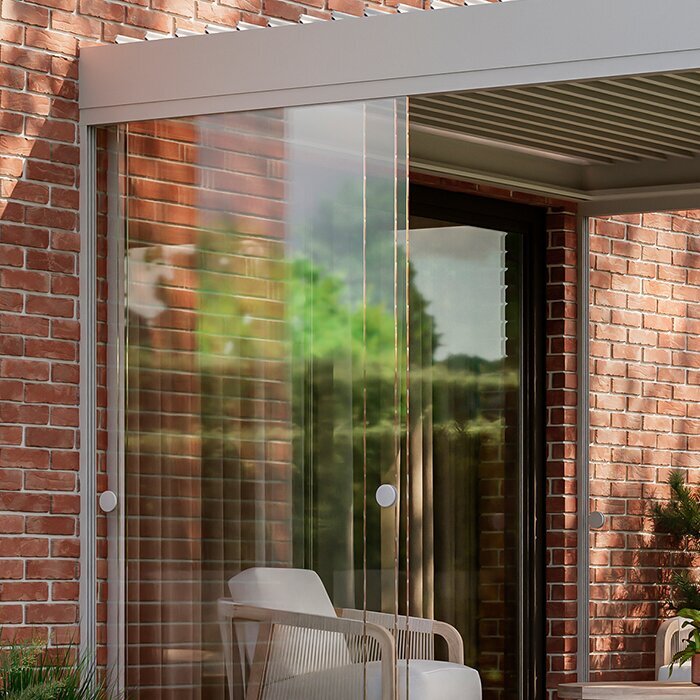
Snow-load capacity for the exact pergola model
In a snowy climate, the first useful figure is the manufacturer’s declared snow-load capacity for the exact pergola model and size you plan to order. Look for a value in technical documentation, not an assurance such as “winter-ready” or “robust”. Ask whether it applies to the complete assembled pergola, including the roof, frame and supports, or only to a particular component. A general statement that a product is suitable for outdoor use says nothing about how much accumulated snow it can carry. If a rating is missing, treat that as an unanswered buying question, not an invitation to estimate from a photograph or the apparent thickness of a beam.
Compare ratings only when their units, measurement basis and covered configurations are clear. The same roof style may be offered in different sizes or layouts, and a capacity stated for one span or post arrangement does not automatically cover another. Ask the seller to identify the manufacturer’s document and the relevant model code in writing. You can use the Bloomcabin pergola listing as a product page to inspect, but its name and imagery do not establish a snow-load figure. Rely on a published specification or written answer tied to the exact item, and keep it with your quote so you can compare options on the same basis.
What a snow-load figure covers
A rating is meaningful only when you know what it represents. Ask whether it describes an evenly distributed load on the roof, how the value is expressed, and whether it applies to the complete pergola as supplied. Snow is not always a uniform blanket: drifting, partial thaw and refreezing, or snow falling from a neighbouring roof can create conditions unlike an even layer. Do not turn a manufacturer’s figure into an on-site calculation yourself, or assume a broad regional description reflects your particular garden. If the site is prone to unusual accumulation, or you cannot interpret the rating, take the documentation to an appropriately qualified building professional and ask what performance is relevant there.
Ask what the rating excludes and what assumptions sit behind it. It may depend on a defined roof position, span, post arrangement, bracing or anchoring method; check whether roof components and connectors are covered as well as the frame. If the supplier refers to a test or design assessment, request the document and confirm that it applies to the exact option on offer. When reviewing a Bloomcabin pergola product page, look for model-specific technical information rather than inferring a load value from the title or image. A figure with clear conditions is useful when those conditions match the planned installation; without that match, it is not a blanket assurance. Verify that the information covers the configuration you intend to order.
Roof design and winter operating rules
Roof style affects both the shelter you get and the winter instructions you need. An open or slatted design may let some snow pass through, so it may not give continuous shelter underneath; that does not prove its supporting frame is safe for snow. A solid roof can retain an accumulation, but its shape alone cannot tell you the capacity or whether snow is intended to slide off. For either design, compare the snow-load rating for the exact roof, span and support arrangement, and ask whether the manufacturer permits it to remain in place over winter. Avoid treating a steep-looking roof, wide gaps or heavy-looking panels as a substitute for an explicit specification.
With adjustable louvres, a retractable cover or another movable roof, check which position is allowed during snowfall and whether it must be secured or changed seasonally. Do not assume the mechanism can be operated while carrying snow, or that opening the roof removes every load from the frame. Ask what to do if snow or ice is already present before changing its position, and whether instructions differ in freezing conditions. For example, the listing for this Bloomcabin pergola is only an entry point to model-specific guidance; the product label alone does not establish winter suitability. Treat the permitted operating position as part of the specification, not an optional detail.
How materials affect snow-load performance
Material is one comparison point, not a snow-load rating. Timber, aluminium and steel structures can differ in profile, grade, section size, joint design and span; the material name alone cannot show how the completed pergola performs. A thicker-looking post or heavier frame is not evidence that the roof has been rated for the snow likely at your site. Compare the stated capacity and its assessment conditions for the whole assembly, then check that the exact finish and component option match the supporting document. If a page uses broad material language but offers no structural data, ask for the technical information rather than ranking materials by appearance.
Winter ownership also involves moisture, finishes and upkeep. Check what surface care and inspection the manufacturer recommends, particularly for roof fittings and joints that may be difficult to see from the ground. Ask whether any coating or treatment needs renewal, which cleaning products are permitted and whether a particular care routine is required. These details do not certify the structure for snow, but they help you compare the work involved after purchase. If you inspect this Bloomcabin pergola product page, use it to identify the item, then verify any stated material and care requirements against the documents for the exact configuration rather than guessing from a photograph.
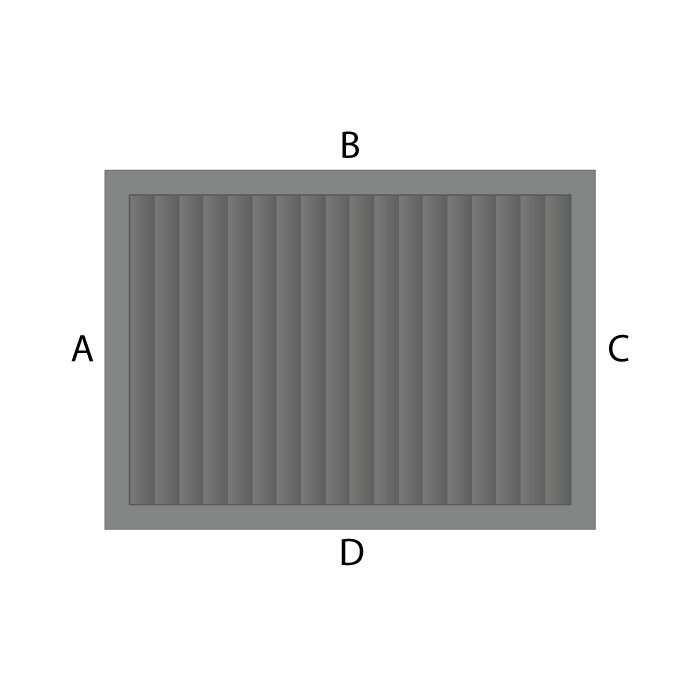
Frame connections and assembly details
Snow load travels from the roof through its supporting members and posts to the base and the ground. For a purchase comparison, check that the manufacturer’s rated configuration includes the connectors, brackets and bracing that will actually be supplied, and that the assembly instructions identify the required parts. Ask where fixings go and whether alternative brackets, extra holes or changes to member spacing are permitted. Do not assume that adding a post, using a larger fixing or improvising reinforcement makes an unverified design safe; a change can alter the structural arrangement and fall outside the maker’s instructions. Any proposed alteration should be assessed professionally, not tried as a shortcut.
Check the quality of the assembly information as well as its length. A clear parts list, labelled components and instructions for the exact model help confirm that the finished pergola matches the rated configuration; missing connectors or a changed layout can undermine that match. Ask whether the stated capacity depends on professional installation, and who should confirm that the completed structure follows the approved arrangement. The Bloomcabin pergola page can help identify the item, but it cannot by itself establish the performance of its joints or frame. Request assembly documents that name the same model and size as the listing, quote and any snow-load information.
Foundations, anchors and site installation
Do not separate the roof rating from anchoring and the supporting surface. The manufacturer should state the approved base and fixing arrangement, the surfaces the design may be installed on, and any limits on attaching it to a wall or another structure. A patio, deck or paved area is not automatically suitable just because it appears level; the support underneath and the specified anchors matter too. Snow loads the complete assembly, so a sound-looking roof cannot compensate for an unsuitable base. Ask an installer or appropriately qualified professional to check the actual site and foundation requirements against the instructions, especially where the ground or existing hardstanding has an unknown construction.
Before ordering, establish whether anchors, posts, brackets and any foundation components are included or need to be selected separately. Ask for written details or drawings that show the required fixing locations and installation conditions, and confirm whether the pergola must be assembled in a particular orientation. If the chosen arrangement connects to a building, check who will assess the wall and connection for that exact setup; do not rely on a generic fixing claim. The listed Bloomcabin pergola can identify the product, but suitability depends on matching its installation instructions to the actual supporting surface. Do not substitute a convenient fixing method for the one specified.
Snow build-up around the proposed position
Garden position can change what reaches the pergola roof. If it sits below a house or outbuilding roof, snow or ice shed from above may land in a concentrated area; a general snow-load statement may not cover that situation. Trees can also drop accumulated snow or ice, while nearby boundaries and structures may affect where snow settles. Walk the proposed footprint with these sources in mind and ask the manufacturer whether its rating covers the conditions you expect, rather than interpreting the value yourself. For unusual overhead exposure or a history of heavy local build-up, get site-specific advice before choosing a design or fixing points.
Think about where cleared snow could be placed and whether it would block access, doors, paths, drains or equipment. Snow dropping from a roof edge can also create a recurring pile beside posts, even if the garden looked clear when you measured it in summer. If you can choose the position, avoid an area where routine winter clearing would push snow against the structure, and check that the drainage route remains usable. The aim is not to calculate a load yourself, but to give the seller or installer a realistic picture of the setting. A photograph and a simple plan of nearby roof edges can help clarify a site question.
Winter care and snow-clearing instructions
Ask for the manufacturer’s winter care and snow-clearing instructions before choosing a roof that may be difficult to reach. The guidance should explain whether snow must be cleared, when it can be left, which access methods and tools are permitted, and what to do if ice or a frozen mechanism is present. Do not climb onto the roof or improvise a clearing method based on general advice; the appropriate approach depends on the product and its instructions. If the manufacturer gives no guidance, request a written answer and consider whether you can maintain the structure as intended before buying.
Include inspection and repair in your ownership comparison. Find out what should be checked after winter, how to spot a loose connection or damaged roof component, and whether moving parts need seasonal servicing. Ask how to obtain replacement components and whether repairs need to be handled by an installer; do not assume parts will be available or a repair will be straightforward. A page such as the Bloomcabin pergola product entry can help identify the model, but request its winter-care guidance and spare-parts information for the exact configuration. Clear instructions are especially useful if you cannot routinely reach the roof from ground level.
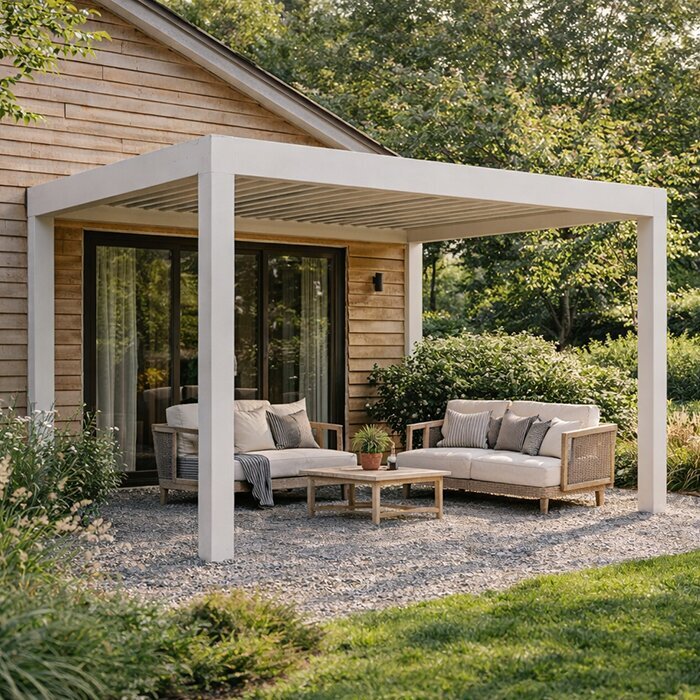
Pergola size, layout and winter access
Check dimensions and configuration alongside the snow documentation. A load figure for a shorter span or a different post layout may not apply to the size you need, so confirm the rating against the actual width, projection, height and roof arrangement selected. Measure the garden for post positions, eaves and door clearances, allowing room to open or operate the roof as instructed. If the roof must be set differently for winter, check that it can reach the required position without obstruction from walls, branches or nearby structures. A pergola that fits the patio on paper may still be awkward to inspect or maintain.
Consider how the space will be used when snow is present: where people enter, where meltwater might run, and whether snow shed from the roof could fall onto a frequently used path. If outdoor seating is the main purpose, the roof’s permitted winter position matters as well as its summer arrangement. If it must be altered or protected seasonally, decide whether that routine suits you. When assessing a Bloomcabin pergola option, check whether the exact listing states its dimensions and permitted roof positions; do not assume a photograph shows the full operating clearance.
Documents to request before ordering
Put the outstanding questions into one enquiry rather than relying on several generic assurances. Include the exact model and size, the site’s snow exposure, the roof configuration, the proposed base and any nearby roof from which snow may fall. Request the snow-load value with its units, what it covers, the conditions needed for that value, and the matching installation and winter-care instructions. Also ask whether the stated capacity applies to the configuration offered and whether the relevant components are included in the order. A written reply tied to your model makes it easier to compare options and avoids misreading a figure intended for another size or setup.
Set aside a product if the seller cannot identify a model-specific rating or says only that it is strong, weatherproof or suitable for year-round use. Do not fill gaps with figures for a similar pergola, estimates from an online discussion or calculations based on the apparent frame size. If the supplier can provide documents but you cannot judge whether their conditions fit your garden, ask a qualified professional or installer to review them before ordering. This is a proportionate buying check, not a test you need to perform yourself. Base the decision on evidence that can be traced to the actual item and installation.
Frequently asked questions
Is there one snow-load rating that every pergola should meet?
No single figure suits every site and pergola. The relevant performance depends on the conditions at your garden and the exact size, roof and installation. Ask the manufacturer for the model-specific rating, then get qualified advice if you need help deciding whether it suits your site.
Does an open or slatted roof remove snow-load concerns?
No. Gaps may let some snow pass through, but that does not establish how the frame and supports perform. An open roof may also provide less continuous shelter below. Check the manufacturer’s guidance for the exact roof and pergola configuration.
Can I judge winter strength from the pergola’s material?
Not reliably. Material names do not describe the whole structure’s profile, dimensions, joints, roof or rated capacity. Compare the manufacturer’s snow-load information for the complete assembly rather than judging strength by appearance or material alone.
Should an adjustable roof be left open or closed over winter?
Follow the instructions for the exact model. The permitted position may depend on its design, and you should not assume the roof can be moved while carrying snow or ice. Ask the manufacturer how to manage it during snowfall and freezing conditions.
What should I request before placing an order?
Request the snow-load rating and its conditions, matched to the exact model and size, plus the installation, anchoring and winter-care instructions. Clarify which parts are included. If you are unsure whether the stated conditions fit your garden, ask a qualified professional to review them.
For a snowy garden, base your choice on model-specific evidence rather than visual heft or a general all-weather claim. The important comparison is whether a documented snow-load rating covers the exact roof, size, connectors and fixing arrangement, and whether its stated conditions fit your site. Pair that information with clear installation, foundation and winter-care instructions. If the supplier cannot resolve an important gap, compare another pergola with clearer documentation; if your site raises questions, have the instructions reviewed by an appropriately qualified professional.
