
Buying a pergola for a swimming pool terrace
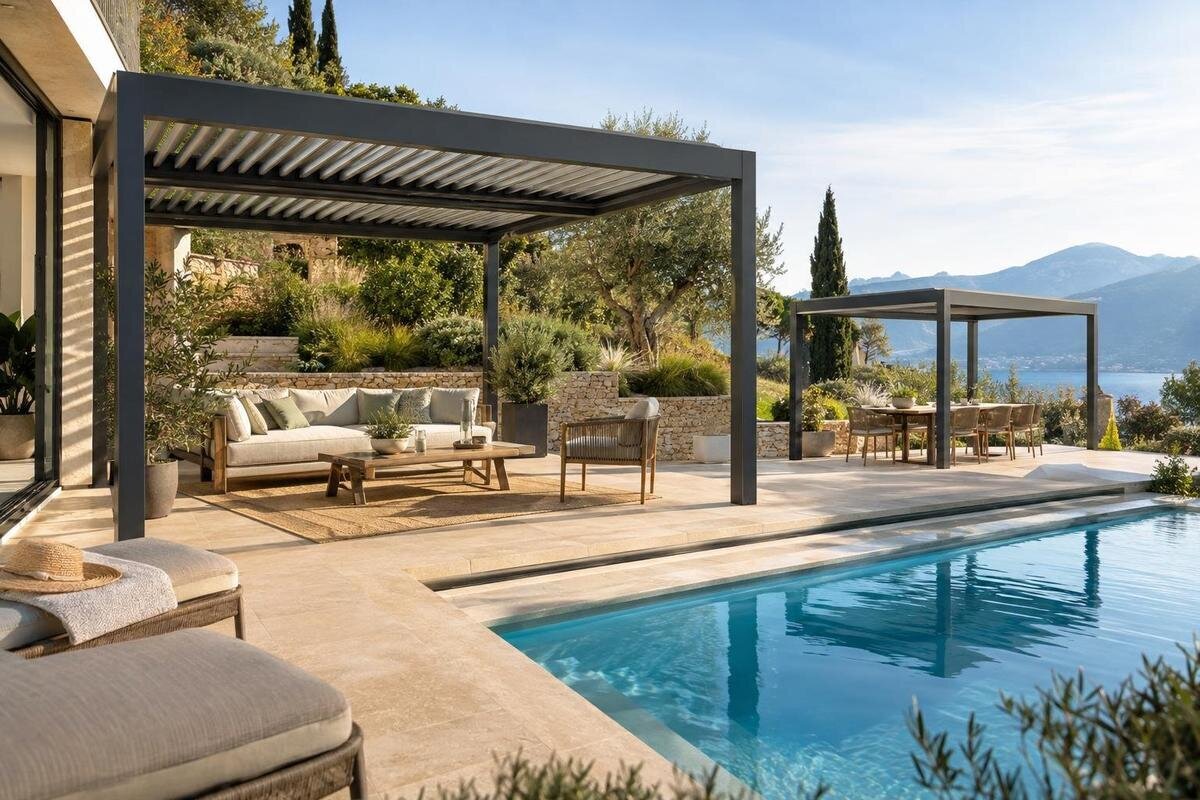
Swimming-pool terrace
Choosing a pergola for a swimming pool terrace is a layout decision as much as a style choice. The structure can affect where shade falls, how people move between the house and water, and access to pool equipment. Before comparing products, mark the main activities on the terrace, measure the available area and decide what kind of shelter you actually expect. Then check the exact product information for dimensions, roof behaviour, materials and installation requirements. A pergola’s name or photograph cannot establish that it will shade the right area, suit a poolside environment or fit your site.
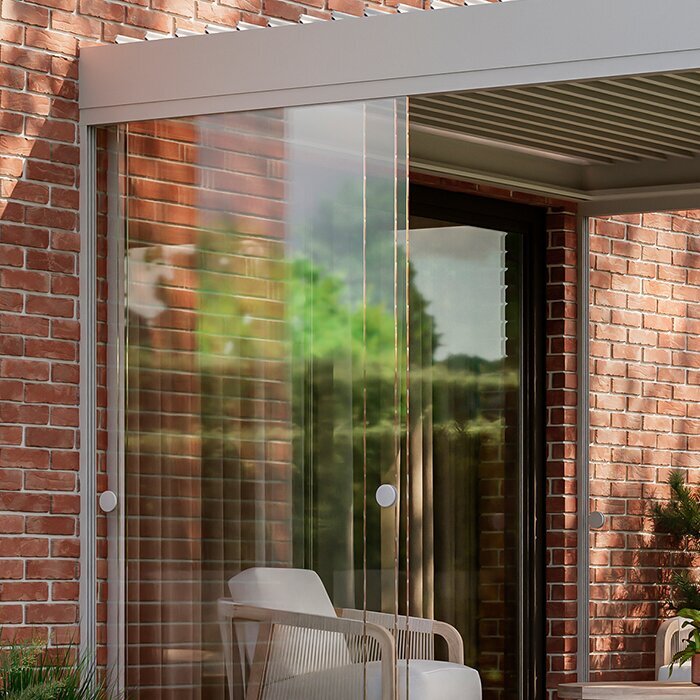
Plan around swimming, lounging and supervision
List the jobs the pergola needs to support before looking at shapes. On a pool terrace, that might mean shade over seating, a place to pause between swims, or a comfortable spot for someone watching the water. Those aims do not automatically call for a structure over the pool itself. Mark the entry and exit points, the main lounging area and any dining or seating zone on a simple plan. Decide which matters most if one structure cannot cover them all. Treat the Bloomcabin pergola listing as an item to assess against that plan, not as evidence that its footprint or shade will meet your needs.
Map the routes between those zones as well. Include the way from the house or garden to the pool, the path to steps or a ladder, and space for people carrying towels or moving chairs. A position that seems clear on an empty terrace may become an obstacle once loungers are occupied. Test the layout with furniture in its intended places, including room to pull out chairs, recline loungers and pass without squeezing between supports. This turns a general idea into a useful buying brief: the pergola needs to fit how the pool terrace is used, not just occupy a corner that looks free.
Measure the terrace and the full footprint
Measure the terrace and the pool separately, then note the space that remains for a structure. Record boundaries, changes in level, walls, door swings, steps, drains and fixed equipment, and mark the routes that must stay open. For each candidate, compare the complete external dimensions with that plan rather than relying on a broad size label or a product photograph. Check whether the published measurements distinguish roof edges from post positions, and note any projections and required headroom stated for the exact configuration. Before comparing your plan with this Bloomcabin pergola product page, decide which measurements are essential for the site and verify them in the product information.
A rough rectangle is not always enough: posts may sit inside the roof outline, leaving less clear space than the overall width suggests, while a roof edge may extend beyond the supports. Mark both outlines if the documentation provides them, and plot each support against the pool route, furniture and nearby walls. Include the fitting clearance specified by the manufacturer or installer instead of inventing an allowance from a photograph. If there is no clear dimensioned drawing, request the relevant information before ordering. A sketch showing the pool, house, terrace edge and fixed obstructions lets you compare products consistently and catch conflicts while changing the plan is still straightforward.
Keep pool access and service areas clear
Poolside clearance affects day-to-day use and safety; it is not spare space to fill. Keep the natural route to the water, steps or ladder and any gates unobstructed, and preserve a view across the pool from places where people supervise or relax. Think about pool covers, cleaning equipment, storage, drainage grates and access to plant or service areas, too. A support placed beside one of these can make the terrace awkward to use or maintain. Suitable spacing depends on the pool, site and structure, so avoid relying on a guessed universal distance. Plan around the actual equipment and the way people move through the area.
Fixing conditions require a separate check from the plan view. A paved terrace, raised deck or area close to a pool edge may have different construction below the surface, while pipes, cables or waterproofing can affect where installation is possible. Do not assume a surface can support or anchor a pergola because it looks solid. Ask a competent installer to assess the substrate, intended fixing approach and nearby services; product instructions cannot inspect the site for you. Consider the listed Bloomcabin pergola only after its installation requirements have been compared with the terrace by the appropriate professional. Resolve any uncertainty before ordering, rather than after components arrive.
Work out where shade will fall
Think of shade as something that moves through the day. The side of the pool that is comfortable in the morning may receive direct sun later, and nearby walls, trees or buildings can alter the pattern. Note when the seating and poolside area are normally used, then observe where shade falls at those times. If you are planning from a drawing, use the site’s orientation and surrounding obstacles as prompts for checking rather than assuming that a pergola centred on the terrace will shade the desired place. This matters particularly if the main aim is a shaded dining or lounging area rather than a visual feature.
Separate the shade you want from the roof action you need. Pergolas differ: some designs have a fixed open structure, while others may include a more enclosing or adjustable cover, but a category name does not establish how a particular roof works. Check the exact product description, diagrams and operating guidance to find out whether the roof is open, closed, adjustable or otherwise covered, and what area it shades in different positions. Ask for clarification if the wording is unclear. Do not assume that a pergola will shade the full pool, remain shaded throughout the day or protect the terrace from rain.
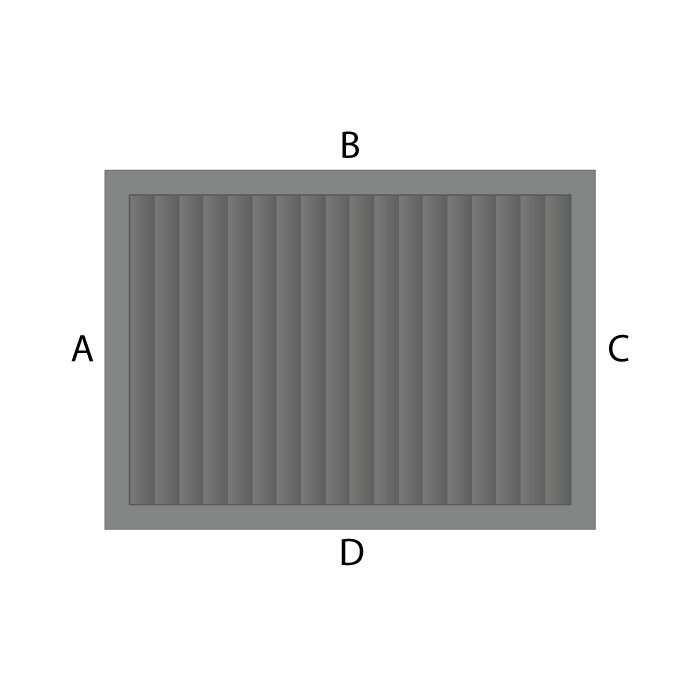
Choose a layout that suits the building
Where the pergola sits in relation to the house affects circulation and appearance. A freestanding arrangement may suit a position away from the wall, but its supports still need space and suitable fixing locations. A wall-adjacent or attached layout may keep the terrace connected to a doorway, yet it depends on the building and the particular product’s design. Do not treat a roof line or exterior wall as automatically suitable for attachment. Compare the layouts against doors, windows, gutters and routes between indoors and outdoors, and establish the intended installation type from the product documentation.
Check what happens at the junction between the structure and the house: whether a door can open fully, whether rainwater from existing gutters has a clear path, and whether the pergola would obscure a window or access point. A freestanding option also needs planned positions for all its supports; an attached option calls for a suitable wall and compatible fixing approach. These are not details to settle from a lifestyle photograph. Compare the pergola product page with your preferred layout, then have a qualified installer confirm the building and fixing conditions for the specific design before placing an order.
Check what the roof does in rain and wind
Decide what shelter you expect rather than reading the word pergola as a promise of protection. If shade alone is the aim, an open or partly covered design may have a different effect from a roof intended to close. If keeping a sitting area dry matters, look for explicit information about the covering, rain management and the route water takes off the roof. A roof that sheds rain may still direct runoff towards a walkway or pool equipment, so consider the drainage arrangement before deciding that the placement works. Compare the stated roof function with how you intend to use the terrace.
Wind suitability, operation and maintenance also need product-specific answers. Check the manufacturer’s stated conditions for any adjustable parts and for use in exposed weather; do not assume that a movable roof can remain in any position during a storm or that every design is intended for year-round exposure. If relevant to the design, ask whether it needs to be opened, closed or secured in particular conditions, and follow the supplied instructions. For this particular Bloomcabin pergola listing, verify the roof construction and performance information against the shelter you expect. The listing’s name and image are not enough to establish rain or wind protection.
Check materials and maintenance near pool water
Water splashes, damp surfaces and pool-treatment products make maintenance an important buying question, but they do not make every material unsuitable or suitable. Materials, coatings and fixings vary, so check the exact product information for its stated environment, cleaning method and restrictions. If the supplier does not explain whether an item can be used near a pool, ask before ordering rather than assuming that an outdoor product is appropriate for every poolside position. Consider the type of pool-water treatment used on site when asking about compatibility. Read any care or warranty terms as written, particularly those relating to moisture, chemicals or frequent cleaning.
Think about access to clean and inspect the structure, too. A roof or support placed over seating may be harder to reach than one with clear access around it, while nearby planting or furniture can collect debris against posts. Consider whether the maintenance routine suits the time and access available, and whether specified cleaning products or replacement components can be obtained; confirm these details instead of assuming them. The Bloomcabin pergola entry is one item whose supplied material and care information would need to be checked for your poolside environment; its name alone makes no statement about finish, durability or chemical resistance.
Make space for furniture and preserve sightlines
Once the practical position is clear, consider how the pergola will sit visually beside the water and the home. A structure can feel disproportionate if its frame crowds a compact terrace, or visually slight if it is overwhelmed by a large seating area; the actual dimensions matter more than the apparent size in a photograph. Compare the proposed height, width and roof outline with the house, boundary and pool shape. If colour or finish is important, use only details stated for the exact product and remember that screens and lighting can affect how a colour appears in its setting.
Test the arrangement with the furnishings you plan to keep: a table, loungers, side tables and storage all compete for floor space. Leave room to pull chairs out and walk past them, and preserve an unobstructed view of the pool where supervision matters. An overhead structure should not block useful sightlines from the house or seating, nor force furniture into the route to the water. Use the Bloomcabin pergola page as one entry on your shortlist, comparing its published appearance and specifications with the setting; a photograph cannot establish the finished fit or shade pattern.
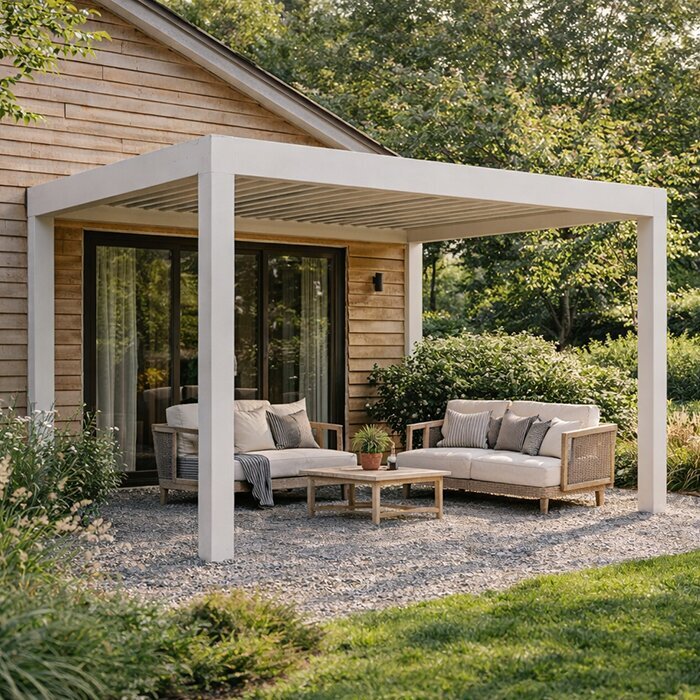
Confirm site and ordering requirements before purchase
Before committing, confirm what ordering and installation involve for the model and site. Check the stated dimensions and configuration, what components are included, what is excluded, and whether assembly, anchoring or site preparation requires a professional. Ask for installation instructions and the exact requirements before arranging work, rather than assuming that fixings, a base or optional parts are supplied. If information is incomplete, request it from the seller or manufacturer and keep the response with your quote; this makes it easier to compare products on the same basis and identify unanswered questions.
Plan how the product and installers would reach the terrace. Narrow side passages, steps, doors, overhead obstructions or a route through the home may affect access; poolside surfaces may also need protection during work. Confirm delivery terms and access requirements with the seller, without assuming a particular method or timing. Have the installer identify possible conflicts with utilities, drainage or pool systems before the order becomes difficult to change. For the specific pergola listing, check the product-specific installation information and ask which site details must be confirmed before purchase. The aim is to understand what the order commits you to, not to plan technical work yourself.
Compare the complete product and installation costs
Price comparison is meaningful only when the products and scope match. Put the stated configuration, dimensions, roof functions, materials, included components, delivery terms and installation responsibilities side by side. Where a quote leaves out site preparation, professional installation, a base or related work, record that separately rather than treating the headline price as the full project cost. Check any warranty, exclusions and after-sales terms in the documents for the actual item; do not assume that similar-looking structures carry identical cover. A lower price is not useful if a missing detail changes whether the pergola fits or can be installed.
Set a clear order of importance before making the final comparison: fit around the water and access routes, suitable shade, appropriate roof behaviour, site compatibility, manageable upkeep and appearance. Treat unknowns as questions to resolve, not as favourable assumptions. If two options remain, compare their exact specifications and installation conditions, then choose the one that meets the poolside essentials with the fewest compromises. This is more reliable than selecting by shape alone, because the right purchase is the one that works with the measured terrace and the way it is actually used.
Frequently asked questions
Can any pergola be installed beside a swimming pool?
No. A product name or photograph does not confirm that a particular pergola is suitable for the poolside environment, the terrace surface or the way you plan to use the space. Check the product-specific material and installation guidance, and ask a qualified installer to assess the site, including access routes and nearby services.
How close should a pergola be to a swimming pool?
There is no single spacing that suits every terrace. The position needs to account for entry and exit, steps or a ladder, furniture, pool covers, maintenance access and the structure’s installation requirements. Mark these routes on your plan, then confirm the product requirements and obtain appropriate site advice before settling on a position.
Will a pergola keep a pool terrace dry?
Not necessarily. Pergolas vary in roof design, and shade alone does not mean a structure will manage rain. Check whether the exact product is intended to provide rain protection, how water is directed and any stated limitations. Consider where runoff would go, too, so it does not create a problem on a walkway or near equipment.
Will a pergola shade the swimming pool all day?
Do not assume so. Shade changes with the sun, nearby buildings or trees, the pergola’s dimensions and its roof design. Decide whether shade is needed over seating, a path or the water itself; observe the site at the times you expect to use it, then compare the pattern with the product’s stated coverage.
Can I attach a pergola to the house beside a pool?
Only if the specific pergola is designed for that arrangement and the building and fixing conditions are suitable. Check the product documentation and consider doors, windows, gutters and services. A qualified installer can assess the wall and site. Do not assume that an exterior wall is suitable or that a photograph shows the intended mounting method.
A well-chosen poolside pergola begins with a site plan, not a product photograph. When the measured footprint leaves clear access to the water, the shade falls where it is needed, and product-specific information supports the installation and upkeep you expect, the shortlist becomes much easier to judge. Keep those practical requirements ahead of decorative details and the final choice is more likely to suit both the terrace and everyday pool use.
