
Buying a Pergola With Side Screens: Privacy and Weather
Pergolas
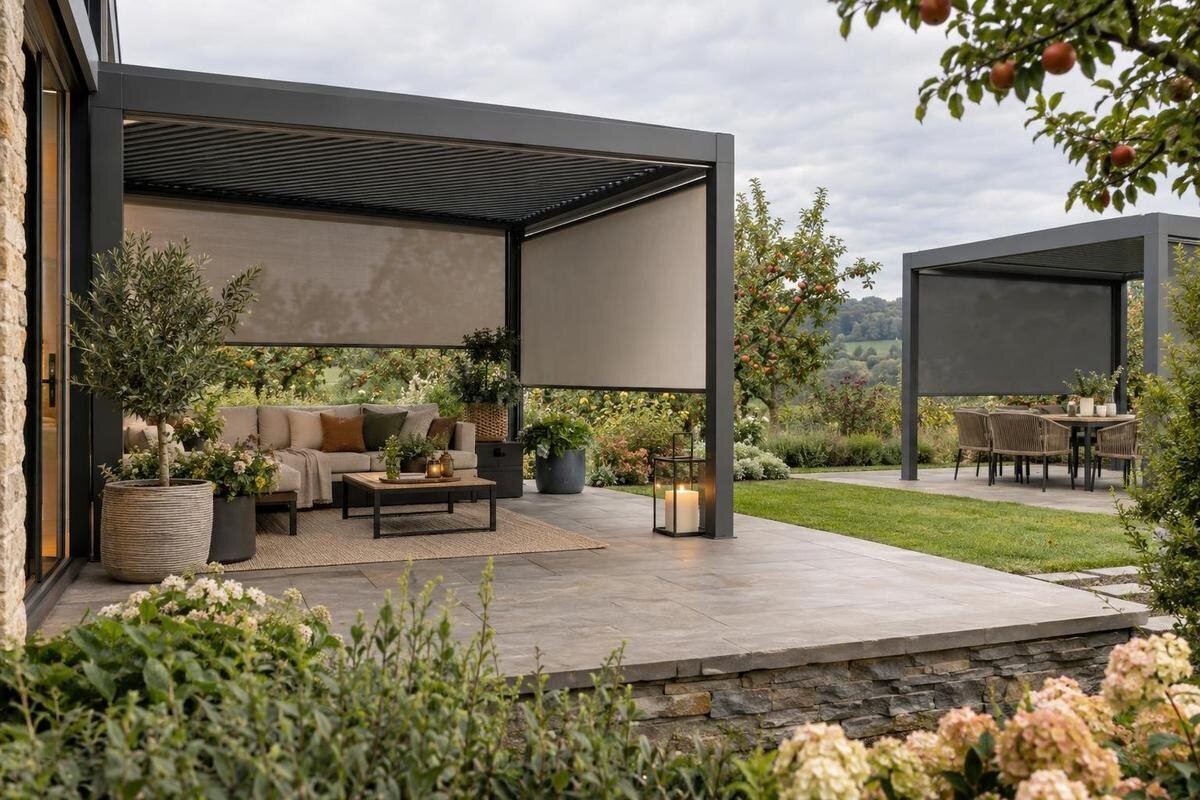
Side screens can make a pergola feel more private and sheltered, but they also change how the structure interacts with wind and rain. The best setup depends on which views you want to block, how much of each side needs covering and whether you need the panels open or closed in different conditions. Before you buy, compare the screen layout, material, operation and stated weather guidance, then confirm what the chosen product package actually contains. A photograph or pergola name alone is not proof that a screen is included or compatible.
Set a clear privacy and shelter priority
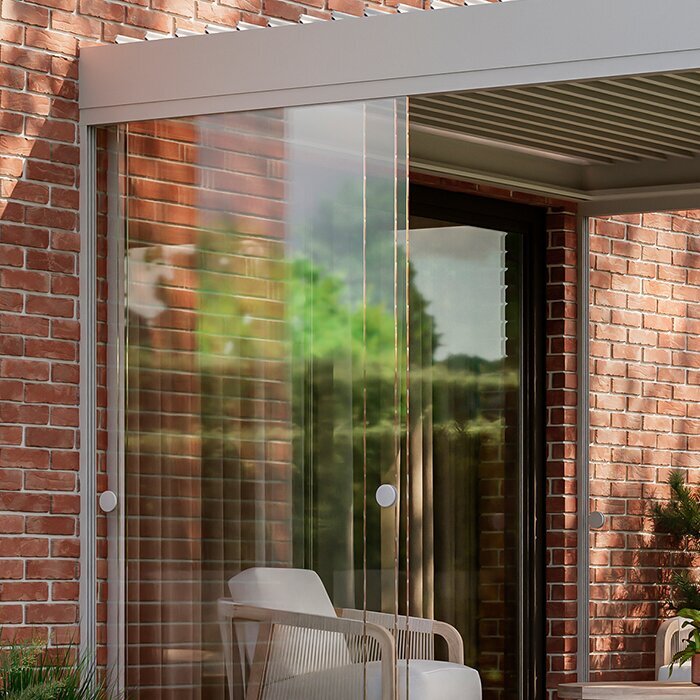
Before comparing pergolas, identify the main reason for adding a screen. You may want to block a direct view from a neighbouring window, give a seating area more privacy from a path, soften low sun or reduce a draught across one edge. These aims call for different coverage and can favour different screen types. Note the position of the seats and entrances, the views you want to interrupt and the times when the garden is used. Also consider whether privacy is needed all day or only while eating, relaxing or entertaining. A specific brief, such as screening a table from one sightline while keeping the garden view open, is more useful than simply asking for as many panels as possible.
Separate privacy from weather protection. An opaque panel may obscure a direct view, but it does not enclose the pergola or guarantee privacy from every direction or upper window. A more open screen may preserve light and outlook, yet leave some views visible. Similarly, a panel chosen to reduce a draught is not automatically suitable for rain or strong wind. Rank your priorities before shopping, such as privacy first, followed by airflow and outlook, so you can judge trade-offs consistently. If you are trying to solve two different problems, decide which matters more when the conditions conflict.
Check sightlines and screen coverage
Privacy depends on sightlines, not only on the pergola’s footprint. Look from the seats you plan to use and from standing height, then consider views from nearby doors, paths, neighbouring windows and seating areas. A screen that blocks a direct view at eye level may leave a higher window or diagonal angle uncovered. Check at different times of day if changing light affects how visible the space feels. Seasonal changes can matter too: a view that is softened by foliage in summer may be more exposed when branches are bare. A simple garden sketch with the pergola, seating and neighbouring viewpoints marked can help reveal which side needs coverage and whether one panel is likely to meet your aim.
Match those sightlines to the stated screen height, width and position. Check whether measurements describe the panel, the opening or the complete frame, and look for gaps at corners or beside an entrance. A single screened side may not block a diagonal view through an adjoining opening. For the Bloomcabin pergola listing, check the written details for any stated screen coverage and accessories; do not infer them from the product name or a styled image. If a dimension or screen option that matters to your plan is unclear, ask before treating the pergola as a privacy solution.
Choose between open and more opaque screens
Screen designs may include fixed panels, sliding sections, drop-down or roller screens, mesh, fabric and slatted panels. Availability and fit vary, so treat these as types to compare rather than options guaranteed with every pergola. A more open weave or slat arrangement may preserve some outlook and airflow, but it can leave more of the view visible. A close, opaque panel may obscure more direct views while making the space feel less open or reducing daylight. The effect can vary across a single screen, particularly near edges and joins. Consider what you want to see from inside the pergola as well as what you want others to see from outside.
Do not rely on a photograph alone to judge opacity. Check how the screen is described, whether it has openings and whether the viewing angle affects what can be seen through it. Be cautious about claims of one-way visibility unless the product information explains the conditions; light levels and viewing position can change the result. For a second pergola product page, look for a stated screen type and finish rather than inferring them from the pergola’s name. If a sample or more detailed specification is available, compare it with the privacy level you actually need.
Plan the screens around access and furniture
Mark the pergola footprint and the intended screen positions on a sketch of the garden. Add the route between the house and garden, doors that need to open, and the furniture you plan to use. This helps identify whether a panel would cover a useful entrance or make a regular route awkward. Think about where chairs will be pulled out, where serving food or carrying items through the space will happen, and whether a screen handle, guide or other moving part could be difficult to reach once the space is furnished. A screen layout should support how you use the area, not just look balanced from the garden.
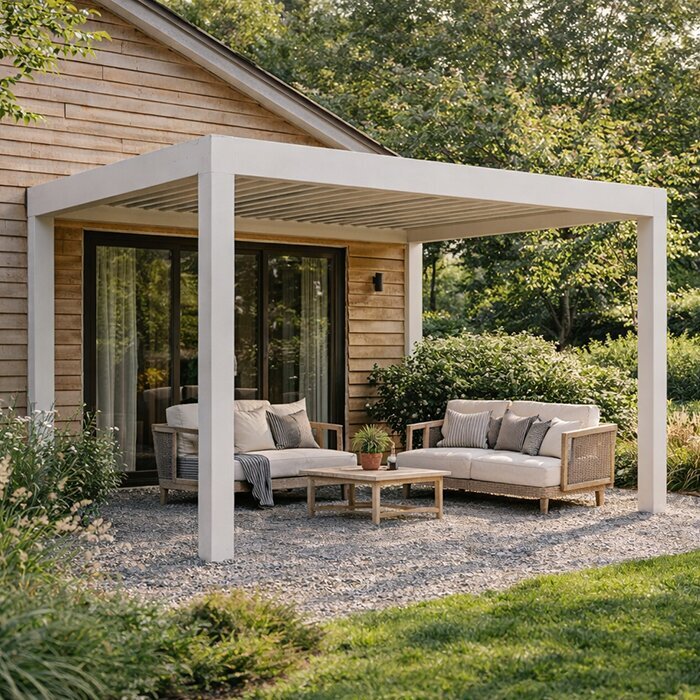
Allow for the screen when it is open as well as when it is closed: a panel may slide, roll or gather in a different position, depending on its design. Check that the proposed configuration leaves access to the sides you use and does not conflict with the wall or approach. For a lean-to setup, include the wall-side edge in that assessment. The lean-to pergola product page identifies a pergola format, but that alone does not confirm whether a particular screen fits or how it operates.
Check wind guidance for the complete setup
A side screen changes how air moves through the pergola. A broad panel can present a surface to the wind, and the effect may differ when it is open, partly open or closed. The conditions at your site also matter: a sheltered corner and a more exposed position are not equivalent. Nearby buildings, boundary walls and open approaches can alter the direction and force of gusts. Do not assume that a screen makes a pergola more secure, or that a retractable screen can safely remain in any position whenever the weather changes. Treat screen position as part of the product’s intended use.
Look for weather and operating instructions that apply to the complete pergola-and-screen configuration, rather than guidance for the frame alone. Check whether the manufacturer specifies when screens should be retracted, secured or not used, and what limits apply. When reading this Bloomcabin pergola page, look for screen-use instructions; if they are not stated, ask for clarification before ordering. If the site exposure or fixing arrangement raises questions, seek advice from a qualified installer rather than trying to estimate structural performance yourself.
Consider rain, sun and damp
A side screen may intercept some wind-driven rain on the edge it covers, but the result depends on its design, position and any gaps. It does not turn an open pergola into a sealed room, and it says nothing by itself about the roof’s rain performance. Water can still enter through uncovered sides or openings at the screen edges. If keeping a seating area drier is important, check how the side screen and roof are each intended to perform. Consider where rain approaches from at your site, while avoiding the assumption that one covered side will protect the whole area.
Sun exposure is another reason to compare placement and screen openness. A panel that helps at one time of day may not address glare or direct sun at another angle. Ask whether the screen material has stated guidance for outdoor sun exposure, cleaning and drying, and follow the care instructions in wet weather. On the pergola detail page, look for specific information about screen material and care if it is provided; do not infer either from the pergola’s name. If the details are missing, establish them before choosing based on expected shade or weather resistance.
Make sure the operating method suits daily use
Compare how each screen is opened, closed and held in position. A manual panel, sliding section or roller screen will involve a different movement and may need a reachable handle or clear route. Think about whether you will adjust it often, whether furniture could obstruct access and whether you need to leave an entrance open while other sides are screened. Consider who will normally operate it and whether that person can reach the relevant parts without moving heavy furniture. If possible, try the operating method in person or ask for clear product information rather than judging ease of use from a photograph.
Check what happens at the positions you are likely to use: whether the panel can be partly open, how it is secured and whether it needs to be stowed in certain conditions. If a powered screen option is offered, confirm the controls and any power or installation requirements stated for that option; do not assume they are included with the pergola. For this lean-to pergola listing, as with any candidate, check whether the written details describe screen operation and compatibility before deciding that the setup will suit your routine.
Verify compatibility and what the package includes
Check the exact pergola model, configuration and size against the screen option you intend to buy. A screen may be part of a package, an optional accessory or not listed for that configuration. Confirm the number of panels, which sides they cover and whether rails, fittings and operating parts are included. Establish whether the quoted configuration includes every component needed for the screen to function as described. Product photographs can show accessories or arrangements that are not part of the package, so use the written contents rather than the image to establish what you will receive.
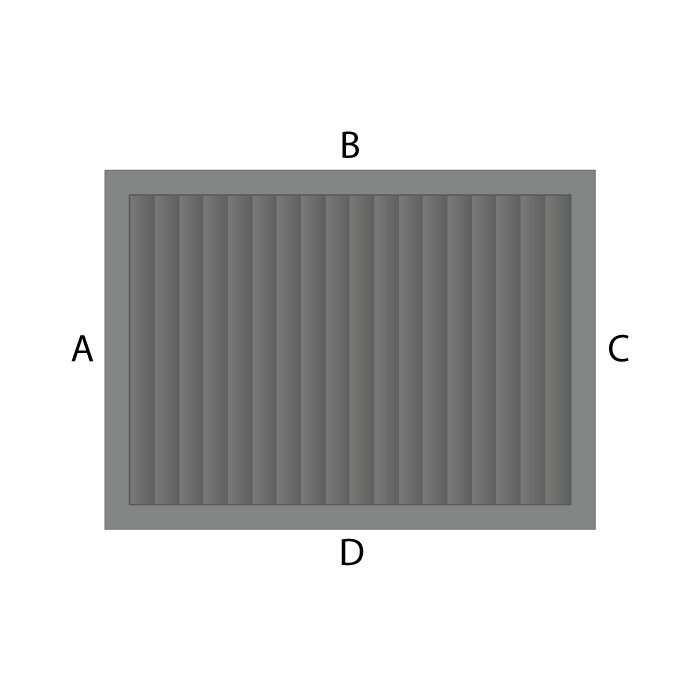
Look for explicit compatibility information for the chosen pergola and screen combination, including any stated orientation or fitting requirements. Do not assume that a screen designed for one frame size will fit another, or that an unlisted third-party panel is approved. Compare the exact configuration shown in the Bloomcabin product details with the screen kit you intend to order. If wall attachment, clearances or the site’s fixing conditions are uncertain, check with the manufacturer or a qualified installer before purchasing.
Match materials and care to the site
Compare the screen material separately from the pergola frame: they may have different care needs and weather guidance. Check what the screen is made from, how its surface is finished and whether the manufacturer gives information relevant to the conditions where you plan to use it. If the site is exposed to frequent rain, strong sun or salty air, look for stated suitability rather than assuming that every outdoor finish will behave the same way. The aim is to compare documented information with the actual exposure at your home.
Read the care instructions before choosing, especially if the screen will be left in place for long periods. Check how it should be cleaned, whether it needs to be dry before being retracted or stored, and whether replacement panels or parts are described. Ask how dirt, pollen and garden debris should be removed without damaging the material or mechanism. These details affect the effort of keeping the setup usable over time. In this pergola product listing, look for specific screen material and care information if available; the product name alone does not establish either. Choose a finish and maintenance routine you are prepared to follow.
Compare complete configurations before ordering
Compare like with like: the number of sides screened, the coverage on each side, the screen type, its operating method and any stated weather guidance. Record these points for each option so that a difference in package contents is not overlooked. Then compare the full cost of the configuration you want, including any separately listed screens, fittings or installation services. A lower price for a pergola without the required screens is not the same offer as a complete setup. Keep optional accessories distinct from included items, and do not assume that a screen shown in a photograph is part of the order.
Before placing the order, check the exact model and configuration, the orientation of the screens, the package contents and any compatibility details you need for installation planning. Read the current ordering information for delivery, returns and any arrangements you must make yourself; these details can depend on the seller and product. If a privacy, weather or fitting requirement remains unanswered, pause and resolve that specific point rather than relying on an image or a general description. A clear comparison makes it easier to choose a setup that fits both the garden and the way you intend to use it.
Frequently asked questions
Will side screens make a pergola completely private?
Not necessarily. Privacy depends on which sides are covered, the screen’s opacity and height, any gaps, and the angle of the view. Mesh or slatted panels may obscure a direct sightline without blocking every view. Check from your intended seating positions and consider nearby upper windows rather than relying on a product image.
Do pergola side screens stop rain?
A screen may intercept some wind-driven rain on the side it covers, but the result depends on its design, gaps and exposure. Side screens do not by themselves make the whole pergola waterproof or enclosed. Check the guidance for the screen and roof separately.
Can I leave a side screen down in strong wind?
Follow the instructions for the exact pergola and screen combination. An extended panel can change how wind acts on the structure, so do not assume it is safe to leave in position in adverse conditions. Check whether the guidance requires the screen to be retracted or secured.
Are side screens included with a pergola?
Not necessarily. A listing or photograph may show a configuration that differs from the package being sold. Confirm whether screens are included, optional or unavailable, and check the number of panels, their positions and whether the necessary fittings are part of the order.
How do I choose a screen material?
Consider the privacy and outlook you want, the screen’s exposure to sun and rain, and how you will clean or store it. Ask for the stated material, care instructions and any relevant weather guidance. Do not assume the screen material from the pergola frame or product name.
The right pergola with side screens is the one whose coverage addresses your actual sightlines while its operating method and weather guidance suit the site. Map the views first, decide how much openness you want, then check screen compatibility, package contents and care requirements. That order keeps privacy, weather protection and access in perspective: no single screen configuration can be assumed to provide all three in every garden. When the written details do not answer a point that matters to your choice, get that information before committing to the configuration.
