
Buying the Right Summer House for a Hobby Room
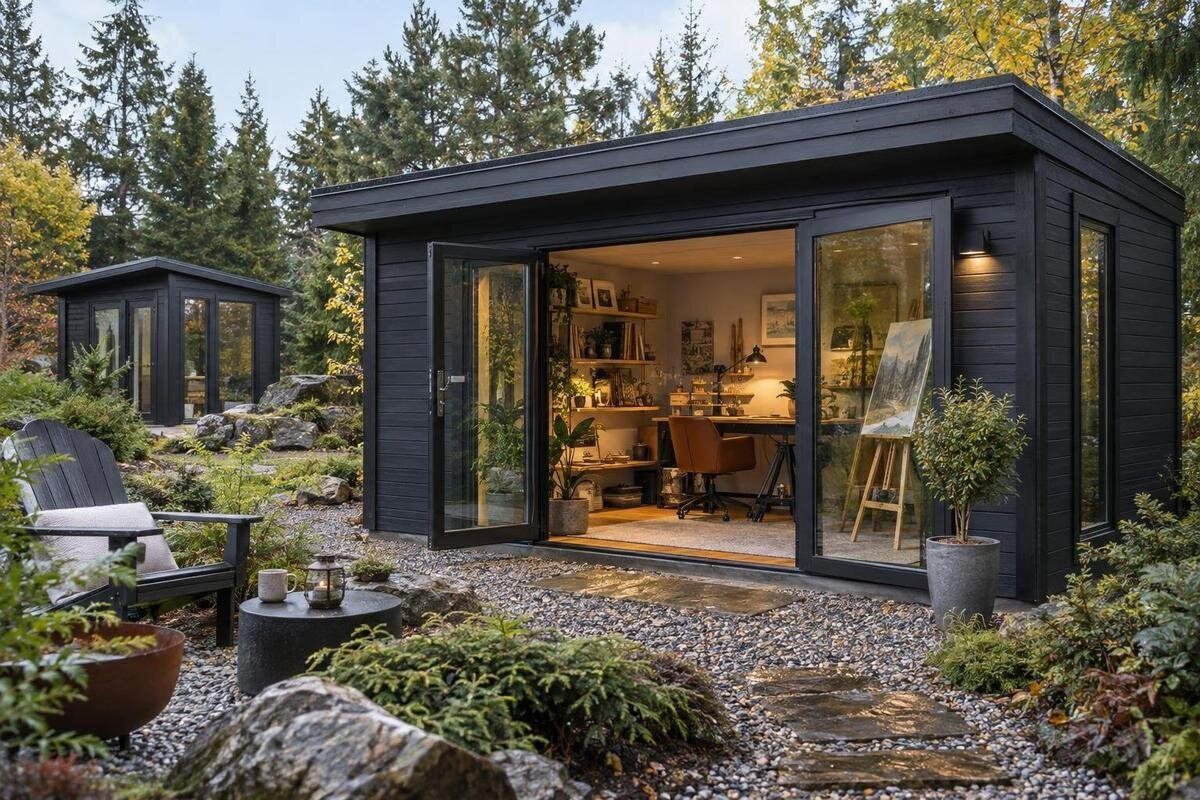
Summer house buying guide
Buying a summer house for a hobby room begins with the work you want to do inside it, not simply the spare space available in the garden. A summer house may give you a place to make, repair, practise or organise a collection, but each activity brings its own needs for equipment, materials and movement. Before comparing designs, define the tasks the room must support, measure the working area and consider access, light, storage and seasonal conditions. This guide turns those needs into buying checks, so you can compare garden houses on how well they fit your hobby rather than on appearance alone.
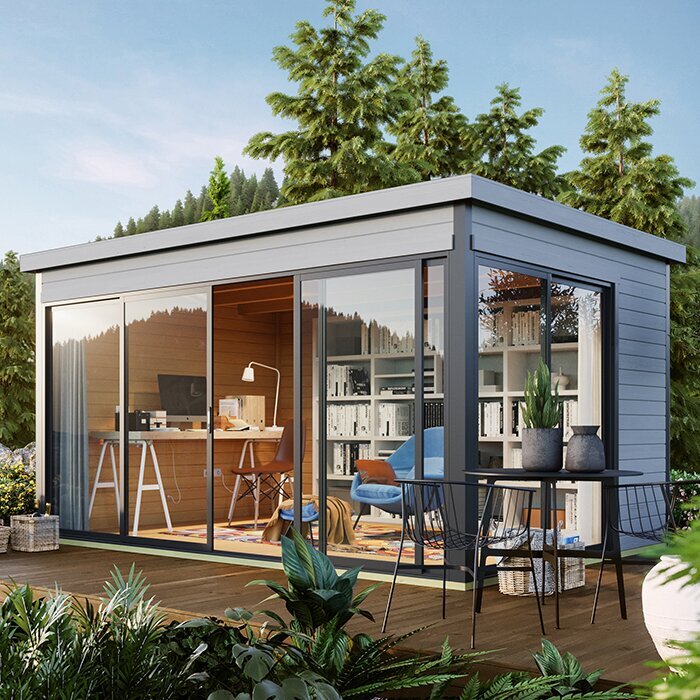
Before you buy 1
Define the hobby before choosing a building
List the tasks you actually want to carry out, rather than describing the room simply as a place for hobbies. Sewing may call for a machine, a cutting surface and space to handle long pieces of fabric; model-making may need a bench for detailed work and organised storage for small parts; a collection may use more shelving and less open floor. If several activities will share the room, note which one needs a permanent set-up and which can be packed away. Also record whether you expect to work alone or alongside someone else. Consider the full sequence of a typical session, from bringing materials in to putting work away. This can reveal needs that are easily missed, such as a surface for sorting, a place to dry or store a project, or clear space beside a chair. These choices affect both the building size and where fixed furniture can go.
Make an inventory of the items that need to stay there: equipment, supplies, unfinished projects and protective covers. Note whether a process creates dust, odours, heat, moisture or noise; these can affect whether a standard garden building is a suitable setting and what additional measures might be needed. Consult the equipment maker’s instructions and seek qualified advice for specialist processes instead of assuming an ordinary summer house can accommodate them. Decide how often you expect to use the room, who will use it, and whether projects need to remain undisturbed between sessions. Those answers form a more useful brief than a style preference alone.
Measure usable space for your work
Measure the footprint of every main item and draw the room to scale before comparing buildings. Include the space needed to sit, stand, open drawers, operate a machine and handle a workpiece, not only the item’s outline. If a chair needs to pull back or a long piece needs room to turn, mark that working area too. Paper cut-outs are a simple way to move equipment around on the plan and spot blocked routes early. Use the same scale for doors, windows and any furniture that cannot be moved, so that the plan shows where a bench or cabinet would genuinely fit. Allow for the practical reality of using the room: a clear route to a cupboard, somewhere to put down materials while unpacking, and enough room for another person to pass if that matters. Keep a clear path from the door to the work position; a layout that technically fits can still feel cramped if every task means shifting a box or stool.
Compare your plan with the internal floor dimensions, distinguishing them from the building’s external footprint. Walls, corners and storage can all reduce the usable area. Height also matters if you will store tall materials or work on upright pieces, so check internal measurements and the roof shape in the product information rather than judging from a photograph. For the Verdana 1 garden house or any other candidate, consult the model-specific plan or ask for one if the internal measurements are unclear. Leave some room to adapt the layout later instead of filling every available part of the floor on paper.
Before you buy 2
Arrange the room around the way you work
Plan the main work areas in the order you use them: where materials arrive, where you prepare them, where the main task happens and where unfinished work can be set aside. Keep frequently used tools close to the bench, but consider placing reserve supplies elsewhere so they do not crowd the work surface. If your hobby has both clean and messy stages, think about whether separating them would help protect materials or completed pieces. The goal is a layout that suits your routine, not a fixed workshop formula.
Decide which pieces of furniture must stay in place and which can be moved between activities. A dedicated bench can make sense when equipment is awkward to clear away; a flexible table may suit a room used for several smaller projects. Mark the furniture and its working space on your plan, including any storage you hope to add. When assessing the Verdana 2 garden house, use information for that exact model to check how your layout would fit; do not infer internal space from the way a building is framed in a photograph.
Check openings and access for equipment
Consider how people, tools and unfinished projects will get into and out of the room. Measure bulky equipment, furniture or workpieces before checking the clear width and height of the proposed opening. The outside dimensions of a building do not tell you what will pass through its entrance. Think about the route from the garden entrance as well: a piece may fit through the summer house door but be difficult to carry along a narrow path or around a tight corner.
Door arrangements can affect the space available inside, so check which way an opening moves and whether it takes up room when in use. A threshold may also matter if you need to move wheeled equipment or carry a large project. For the Durano garden house and any alternative, confirm the actual opening details and entrance layout for the exact model rather than relying on a product image. If an item would have to be assembled inside, check that the room has space for the assembly process as well as for its final position.
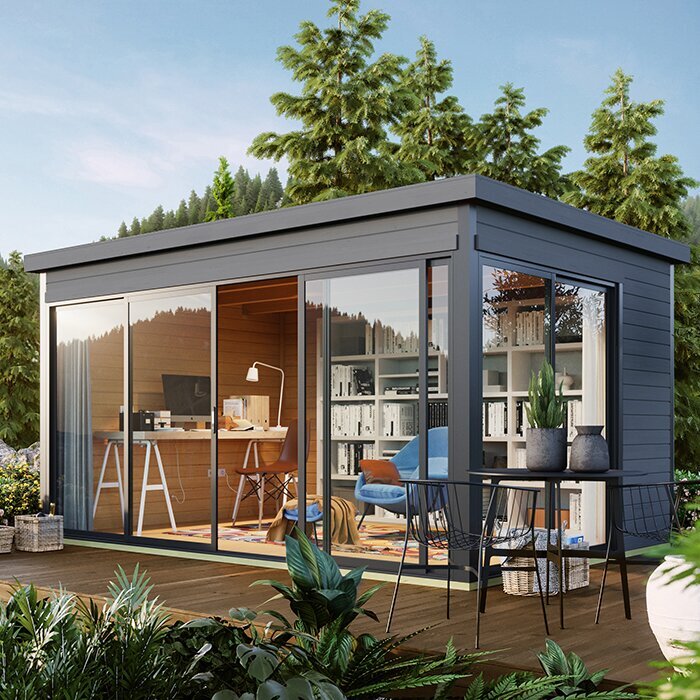
Before you buy 3
Choose natural and task lighting deliberately
The right light depends on the work. Detailed drawing, sewing or model-making may be easier when the work surface is bright and shadows are limited, while some activities benefit from being able to control glare or direct sunlight. Consider where you would put the main bench and how daylight would reach it at different times of day. A spot that looks bright during a viewing may be shaded at another time, so observe the garden rather than basing the decision on one photograph. Notice nearby trees, fences and buildings as well as the direction of the building, since their effect can change with the season. Think about whether a screen, blind or a different work-surface position would be needed when the sun is low, and keep this in mind when comparing layouts rather than treating window area alone as a measure of usable light.
Check the position, size and opening details of any windows in the specification for the exact model; photographs do not confirm these details, and glazing alone does not tell you whether a window opens. When comparing the Veltor 1 garden house, for example, check the listed details rather than assuming a particular arrangement. You may also need task lighting for close work or darker months. If colour accuracy or light-sensitive materials matter to your hobby, plan how to control daylight as well as how to illuminate the work surface.
Consider temperature, damp and seasonal use
Do not assume that a summer house is insulated, heated or suitable for regular use in every season. Check the specification for the walls, floor, glazing and weather protection, and confirm which items are included. Temperature changes and damp can affect comfort and some hobby materials, so consider the conditions your work requires, not just whether the building provides shelter. Paper, textiles, finishes and equipment may each have different storage needs; keep any manufacturer guidance for materials or tools in mind.
If you intend to use the room frequently in colder months, or store supplies that need more stable conditions, make those requirements part of your buying brief. Ask the supplier what the listed construction is intended to support and what, if anything, would need to be added. Do not assume that insulation, heating or ventilation can be fitted later without checking compatibility. Apply the same questions to the Orello 1 garden house as to other options, and get advice from the manufacturer or a qualified installer before relying on an adaptation.
Before you buy 4
Plan for dust, noise and clean-up
Some hobbies create dust, fumes or strong odours through sanding, painting, adhesives or other processes. Before buying, check the instructions for the tools and materials you plan to use and find out what conditions they require. Do not assume that opening a door or window will provide suitable ventilation for every activity. If a process calls for extraction or other specialist measures, seek qualified advice and make sure the building and its intended location can accommodate them before you commit.
Think about what clean-up involves: where used materials will be kept temporarily, whether you need to carry waste back indoors, and whether a surface supplied with the building is suitable for your work. Confirm what flooring or other finishes are included rather than planning around an unverified detail. If your hobby makes noise, consider how it may affect people in the house or nearby at the times you expect to work; a garden building should not be assumed to provide sound isolation. For the Modano garden house, as with any candidate, check the exact specification against these practical needs.
Check power and storage requirements
List any powered tools, charging needs, task lights or other equipment you expect to use, then check whether the building specification includes any services. Do not presume that an electrical supply is included. If you need power, discuss the proposed location, equipment and supply with a qualified electrician before ordering; this helps you understand whether the plan is practical without making assumptions about installation. If your hobby depends on a stable internet connection or other services, check availability at the garden location too.
Plan storage with the equipment you own, not a vague estimate of how much shelving might fit. Separate frequently used supplies from items that can be kept in boxes, and check whether proposed shelving or wall-mounted storage is suitable for the building’s construction and fixings. Do not assume that a wall can support any fitting you choose. On a listing such as the Veltor 2 garden house, check what is included and ask the supplier or installer about any storage you want to attach. Freestanding cabinets are another option, but include their footprint in your layout.
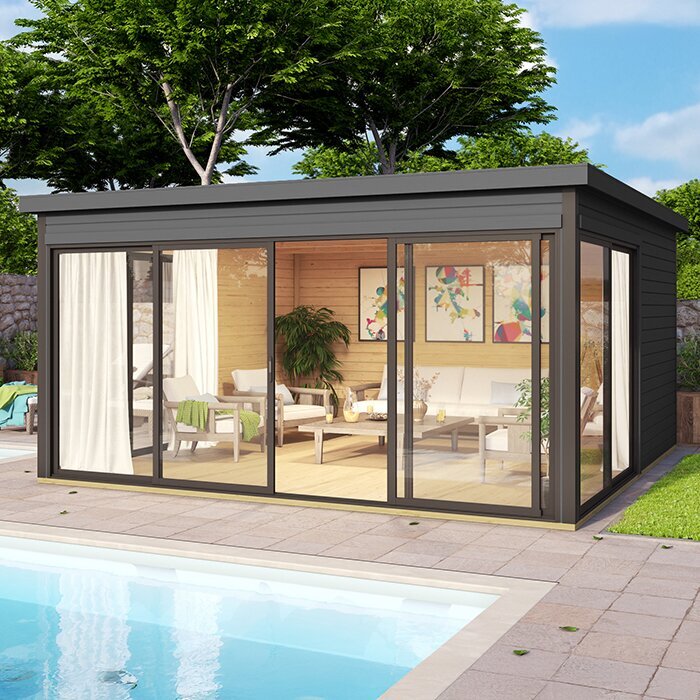
Before you buy 5
Assess the site, base and delivery route
Measure the space available in the garden against the building’s outside dimensions, allowing for the entrance and for access around it where needed. Check gates, paths and tight turns on the route to the intended position, and note obstacles such as overhanging branches or nearby structures. Consider how the chosen position will affect the hobby room in everyday use: a route that is easy in dry weather may be less convenient when carrying materials in rain, and nearby planting may limit light or future access for maintenance. If the ground is uneven or sloping, tell the supplier or installer and ask what the specified base and site preparation require; there is no single base arrangement that suits every site. Think about where you will approach and use the building, not only where it fits on a plan.
Before placing an order, confirm how the building will be delivered and assembled, what access is required and whether unloading or installation needs to be arranged separately. Ask for the manufacturer’s base requirements and follow model-specific guidance rather than guessing. For the Veltor 3 garden house or another option, clarify these points for the exact model and your site. If property or planning restrictions may apply, check with the relevant local authority or a suitably qualified professional before committing to a purchase.
Compare full specifications before ordering
Compare the written details for each exact model and version, not just the main product image or a broad category description. Check internal and external dimensions, openings, floor and roof details, glazing, finish and any stated maintenance requirements. Confirm which components and fittings are included, and whether the building is supplied ready for assembly or requires additional work. If a detail matters to your hobby but is missing or unclear, ask the seller to confirm it in writing before you make a decision.
Build a realistic view of the purchase by accounting for the base, delivery, assembly, any finishing specified by the manufacturer, and the services or storage your room needs. These items may not all be part of the building price, so check what the order includes and what must be arranged separately. Compare like with like, including the same version and configuration, and read the relevant delivery and purchase terms. Once you have ruled out options that do not meet your space, site or activity requirements, appearance can help you decide between the remaining suitable choices.
Frequently asked questions
How do I work out the right size for a hobby room?
Measure the equipment and furniture, then add the space needed to use them, move around and handle projects. Include storage and the route from the door to your work area. Compare this plan with the building’s internal dimensions, not just its outside footprint.
Can a summer house be used all year?
That depends on the building’s specification and the conditions your hobby requires. Check what insulation, flooring and weather protection are included, and whether the structure is suitable for your intended use. Ask the supplier and a qualified professional about any adaptations before relying on them.
Are windows enough for ventilation?
Not necessarily. Check whether windows open and consider the needs of your particular activity. If your work creates dust or fumes, follow the equipment and materials manufacturers’ instructions and seek qualified advice; do not assume an open window will be sufficient.
Can I use powered hobby equipment in a summer house?
List the equipment and lighting you expect to use, then check what the building includes. If you need an electrical supply, discuss the proposed location and requirements with a qualified electrician before ordering. Do not assume that power is included or straightforward to add.
Can I add shelves after buying?
Possibly, but check the building information and ask the supplier or installer whether the walls and intended fixings are suitable. Include shelving in your layout from the outset: it takes up usable space and can affect where benches, equipment and routes through the room fit.
A dedicated hobby room earns its space when you can begin a session without clearing a path, unloading every tool or exposing work to conditions the building cannot manage. Use your activity list and layout to rule out unsuitable options first; then compare the remaining summer houses against the garden site and the conditions your work requires. The right choice is the one whose usable space and verified details support your routine, not simply the one that looks spacious in a photograph.
