
Greenhouse Insurance: Questions to Ask About Storms and Glass
Garden buying guide
The short answer on greenhouse insurance
Do not assume a greenhouse is insured simply because it is in the garden. Ask whether it counts as a building, garden structure or outbuilding under your policy, whether accidental damage is optional, and whether glass, frames, foundations and stored equipment are treated differently.
For storms, hail and breakage, ask what evidence is needed, which exclusions apply and whether repair or replacement is considered. For liability, ask whether an injury or neighbouring damage connected with the greenhouse could fall within personal liability cover. Only your insurer can confirm how its policy responds.
01
Describe it precisely
Give the insurer the greenhouse type, dimensions, materials, location, fixing method and whether it is freestanding or connected to the home.
02
Separate the risks
Ask independently about wind, hail, impact, broken panes, water ingress, theft and accidental damage, because policy treatment can differ markedly.
03
Keep proof ready
Save purchase documents, installation information, photographs and maintenance records so you can explain the structure’s condition before any incident.
Greenhouse insurance: the questions worth asking before the weather turns
Greenhouse insurance is not a single, standard product promise. Cover may sit within buildings insurance, contents insurance, an outbuilding provision or a specialist arrangement, and definitions vary between insurers. The useful starting point is to describe the greenhouse accurately: where it stands, whether it is freestanding or attached, what it is made from and how it is fixed down.
British weather brings varied risks rather than one simple ‘bad weather’ scenario. Strong winds can loosen fittings or move garden items; hail can damage glazing; falling branches can cause impact damage; and heavy rain can expose drainage or base problems. Asking about each event separately is more productive than relying on a broad assumption that storm damage is automatically covered.
This guide is designed to help you prepare for a conversation with your insurer or broker, not to interpret a policy or promise an outcome. Keep the current policy schedule, wording and photographs to hand, then ask for answers in writing where possible. A careful record before any loss is often just as useful as the question you ask afterwards.
01 · Policy definitions
Find out how your greenhouse is classified
The first question is deceptively simple: what does your policy call a greenhouse? Some wordings group garden structures with sheds, fences or greenhouses, while others focus on permanent buildings or outbuildings. A freestanding structure may be treated differently from one positioned against the home. Ask the insurer to identify the relevant policy section and the definition it is applying, rather than accepting a general reassurance over the phone.
Classification can affect more than the maximum payable amount. It may influence whether a base and anchoring are expected, whether the greenhouse must be declared, and whether cover follows buildings or contents terms. Tell the insurer about any integral storage area, electrical supply, heating equipment or unusual site conditions. These details can change the questions it needs answered and help avoid a mismatch between description and reality.
Ask whether the greenhouse is included automatically, needs to be specified, or is excluded unless separately declared.
Request the exact policy term covering garden structures and note any stated limits, conditions or excesses.
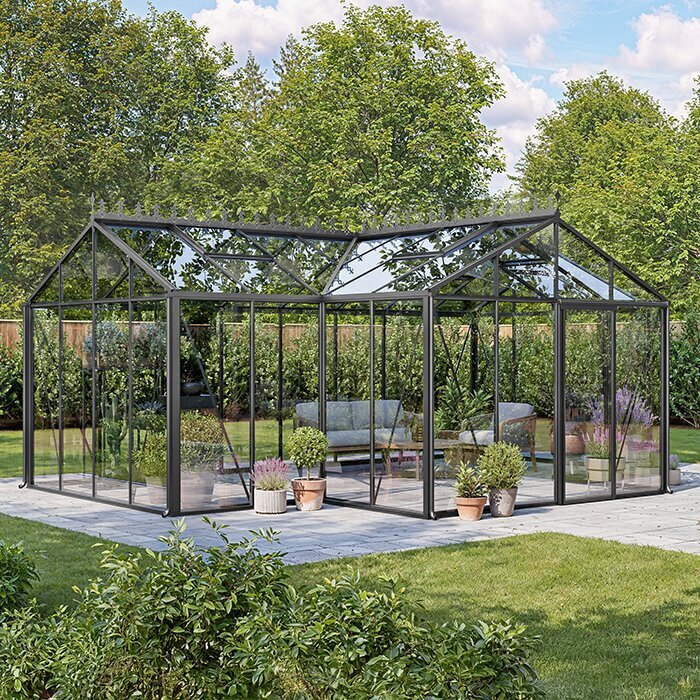
When describing a freestanding model, use the product details for a standard Classic greenhouse to make the conversation with the insurer precise.
02 · Storm preparation
Ask what counts as storm damage
‘Storm’ may have a defined meaning in policy wording, and an insurer may consider the weather evidence alongside the pattern of damage. Ask how it assesses a claim involving wind, falling branches, displaced garden furniture or damage caused after a roof panel comes loose. It is also sensible to ask whether gradual wear, poor maintenance or an inadequately secured structure could affect a storm-related claim, even when severe weather occurred.
Your own evidence can make the event easier to explain. Take dated photographs of the greenhouse, glazing, doors, vents, base and surrounding trees before winter. After an incident, photograph the scene safely before clearing debris, keep any damaged parts if practical, and record the date and local conditions. Do not undertake risky temporary repairs; instead, ask the insurer what immediate steps it expects to prevent further damage.
Ask whether wind-driven damage and impact from a fallen branch are assessed under the same section.
Confirm what emergency protection is reasonable before approval, particularly where an opening leaves plants or contents exposed.
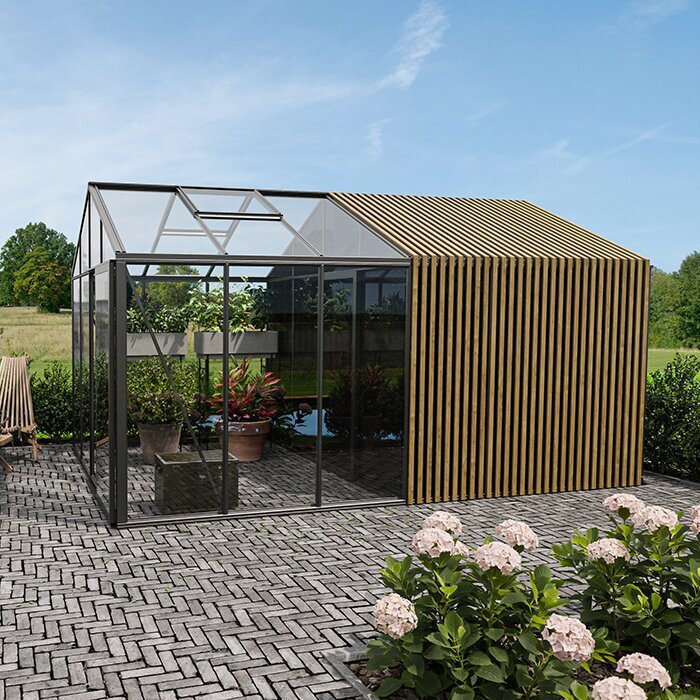
If your garden layout includes a structure beside the house, identify it as a wall-attached regular Lean-To greenhouse rather than using an imprecise description.
03 · Hail and impact
Treat hail as a separate insurance question
Hail can leave visible breakage, but it may also affect panels, seals and fittings in ways that are not immediately obvious. Ask whether hail is named within the insured events, whether glazing is treated differently from the frame, and how the insurer distinguishes direct hail damage from pre-existing deterioration. If the policy uses an exclusion for fragile items or glass, ask exactly how that wording applies to a greenhouse rather than assuming an answer.
Impact is broader than hail. A branch, ball, wheelie bin or unsecured garden object can strike glazing during a storm, and each scenario may be viewed differently. Ask whether accidental impact is included, whether the cause matters, and whether you should report suspected damage even if a pane has not completely failed. Prompt reporting can allow you to understand the claims process before minor damage becomes a larger weatherproofing problem.
Photograph both close-up damage and wider views showing the greenhouse location, nearby trees and any fallen objects.
Ask whether inspection costs, temporary protection and matching replacement panels are considered within the policy response.
For a clear product record, retain the specification for your standard Classic greenhouse model with purchase and installation documents.
04 · Glass breakage
Do not assume broken glass is automatically covered
Broken greenhouse glass is one of the clearest losses to see, but it is not necessarily the simplest insurance question. Ask whether glass is covered only when broken by an insured event, whether accidental breakage is an optional extension, and whether replacement glazing, seals and labour are handled together. Clarify how an excess applies: a small repair may fall below it, while wider storm damage could involve a different assessment.
The cause and timing matter. A crack that develops after a branch strike is not the same conversation as a pane damaged during routine cleaning, an incident involving a child’s football or breakage linked to movement in the base. Give a factual account without guessing at causes. Keep photographs, safely retain a sample only if appropriate, and ask whether the insurer wants to appoint a supplier or approve an estimate first.
Ask whether fragile-material exclusions apply to greenhouse glazing, and whether accidental-damage cover changes that position.
Check whether replacement means like-for-like materials, a cash settlement, an approved repairer, or another arrangement under the policy.
When requesting a like-for-like discussion, provide details of the full-size Lean-To greenhouse model including its glazing and frame configuration.
05 · Installation and upkeep
Understand conditions around the base and maintenance
Insurance is usually concerned with the condition of property at the time of loss, so installation and maintenance deserve practical attention. Ask whether the policy sets expectations for a stable base, anchoring, drainage or reasonable upkeep of seals and doors. An insurer may not prescribe a particular construction method, but it can still ask whether damage arose from an insured event or from a defect, wear or neglected repair. Written clarification is valuable.
A seasonal check gives you a useful record and may reveal issues before bad weather. Look for loose fixings, damaged seals, obstructed gutters, sticking doors, compromised panels and overhanging branches. Keep notes and photographs after meaningful work, particularly if you replace glazing or alter the base. This is not about proving perfection; it is about being able to show a sensible, factual history if you later need to explain the greenhouse’s condition.
Ask whether self-installation, professional installation or later alterations need to be notified under your current policy.
Record maintenance dates, but avoid stating that a repair solved a problem unless you can support that conclusion.
A maintenance file can sit alongside the product information for a standard Classic greenhouse purchase and any subsequent repairs or alterations.
06 · What is inside
Separate the structure from greenhouse contents
The greenhouse frame and glazing may be considered separately from the items kept inside it. Pots, tools, shelving, irrigation equipment, heaters, seedlings and personal garden equipment can each raise different questions under buildings, contents or garden-cover sections. Ask whether contents stored in the greenhouse are included, whether an individual-item limit applies, and whether theft cover depends on forced entry, locks or other stated conditions.
Avoid overvaluing from memory after a loss. Make a simple inventory of more valuable items, with photographs, receipts where available and a note of where they are normally kept. Plants can be particularly difficult to value, and policy wording may place limits on living things, stock or business-related items. If you sell plants or use the greenhouse for work, tell the insurer, as domestic cover may not be designed for that activity.
Ask whether tools and equipment are covered while stored in the greenhouse, rather than only while inside the home.
Clarify the treatment of plants, seedlings and produce; do not assume they are valued like ordinary household contents.
For contents questions, describe whether your regular Lean-To greenhouse by the house is used solely for domestic growing and garden storage.
07 · Liability
Raise neighbour and visitor liability scenarios
Liability is about potential injury or damage to another person or their property, not the cost of repairing your own greenhouse. Ask whether personal liability cover could be relevant if a panel, roof component or unsecured item from your garden causes harm or damages a neighbour’s property. The insurer will need the circumstances, so explain the location relative to paths, boundaries, children’s play areas and neighbouring gardens without assuming responsibility or cover.
Prevention remains the most useful first step. Maintain the greenhouse, keep loose items secure before forecast high winds and avoid inviting people into an unsafe structure. If an incident occurs, make the area safe where possible, seek urgent help if anyone is injured and notify the insurer promptly. Do not admit legal liability or agree payment before taking advice from the insurer, as this can complicate its handling of the matter.
Ask whether personal liability extends to garden structures and damage crossing a boundary during severe weather.
Check how the insurer wants you to respond if a visitor is injured by broken glass or a damaged door.
Site photographs should show the position of your standard Classic greenhouse in the garden in relation to boundaries and commonly used routes.
08 · Renewal and claims
Prepare questions before renewal or a claim
Renewal is an ideal time to check that an older description still matches the greenhouse you own. Tell the insurer about replacement, enlargement, relocation, major repairs or new electrical equipment, and ask whether the sum insured or policy section needs reviewing. If you are comparing policies, compare definitions, exclusions, excesses and claim procedures, not just the headline wording. The right question is whether the policy fits your particular garden arrangement.
After damage, safety comes before documentation. Keep people away from shattered glazing, isolate electrical equipment if it is safe to do so, and take photographs without climbing on or entering an unstable greenhouse. Contact the insurer or its claims service, explain the immediate risk and ask what it wants you to do next. Retain correspondence, estimates and receipts for agreed emergency measures, but check authorisation requirements before arranging extensive work.
At renewal, ask if changes to location, dimensions, attachments or use require an update to your policy details.
During a claim, request confirmation of next steps, evidence requirements, excess and whether repairs need approval beforehand.
Keep a current record for the full-size regular Lean-To garden greenhouse alongside its photographs, invoices and any insurer correspondence.
Questions to put to an insurer by risk type
Use this comparison as a call checklist rather than a statement of cover. The policy schedule and full wording determine the answer, and the same insurer may treat structures, contents and optional extensions differently. Ask for the relevant clause or a written confirmation of what has been explained.
Storm damage
What weather-related events qualify, and which exclusions could apply?
Dated photos, weather date, damage images and repair notes.
Hail or impact
Is direct hail or falling-object damage treated differently from accidental breakage?
Close-ups, wider site views and details of the object.
Broken glass
Is glazing covered only after an insured event or through optional cover?
Photos, original specification and any approved repair estimate.
Structure and base
Is the greenhouse included as a garden structure, and are conditions stated?
Purchase record, installation details and maintenance history.
Contents
Which tools, equipment or plants are included while kept inside?
Inventory, receipts, photographs and notes on domestic use.
A practical way to prepare for the insurance conversation
A short, organised call is more likely to produce useful answers than a vague question about whether ‘everything is covered’. Gather documents first, describe the greenhouse accurately and make a note of the wording or policy section discussed.
01
Locate the current documents
Have the policy schedule, full wording and renewal notice ready. Check whether buildings, contents, garden structures and personal liability are shown separately.
02
Write a factual description
Note the greenhouse location, construction, approximate dimensions, base, anchoring and any connection to the house. Include storage, electricity or heating where relevant.
03
List realistic risks
Prepare separate questions about high winds, hail, falling branches, broken glazing, water entry, theft and accidental damage. Do not combine them into one broad question.
04
Ask about conditions
Request details of exclusions, excesses, notification requirements and expectations for maintenance or emergency protection. Ask where those conditions appear in the wording.
05
Record the answer
Write down the date, contact and policy reference. Follow up important points in writing, especially before making a purchase or changing the greenhouse.
Greenhouse insurance checklist for UK homeowners
Work through these points before renewal, after installing a greenhouse or when comparing policies. They are prompts for an insurer conversation, not confirmation that a particular loss will be paid.
01. Find the policy definition for greenhouses, garden structures, outbuildings and any attached structures before calling the insurer.
02. Confirm whether the greenhouse must be declared, specified individually or included within a wider buildings limit.
03. Ask how storm damage is defined and whether wind, falling branches and displaced objects are considered separately.
04. Check whether hail damage and glass breakage have special exclusions, limits or optional accidental-damage conditions.
05. Ask whether the base, anchoring and routine maintenance affect eligibility for a claim following weather damage.
06. List greenhouse contents and ask about tools, equipment, plants and business-related use individually where relevant.
07. Discuss personal liability for possible visitor injury or damage to a neighbour’s property from the structure.
08. Keep photographs, invoices, installation records, maintenance notes and written insurer responses together in an accessible file.
Frequently asked questions about greenhouse insurance
Is a greenhouse normally covered by home insurance?
It may be, but there is no universal answer. Policies can categorise a greenhouse as a garden structure, an outbuilding, part of buildings cover or something requiring disclosure. Ask your insurer to identify the relevant section, any limits and whether the structure’s construction, location or fixing method affects its answer.
Does home insurance cover storm damage to a greenhouse?
A policy may include certain storm losses, but the definition of storm, exclusions and evidence requirements matter. Ask how it handles wind damage, falling branches and damage following water entry. Photograph the greenhouse before severe weather when possible, then contact the insurer promptly after an incident for its specific claims instructions.
Will an insurer pay for broken greenhouse glass?
That depends on why the glass broke and on the wording. Some policies may distinguish damage caused by an insured event from accidental breakage or fragile-material exclusions. Ask whether glazing, seals, labour and temporary protection are considered together, and whether an excess or prior approval applies to repair work.
Are plants and gardening equipment covered inside a greenhouse?
They may be treated as contents, garden equipment, living things or excluded property, depending on the policy. Make an inventory and ask about each category rather than relying on one answer. If the greenhouse supports sales, work or another commercial activity, declare this because domestic cover may have limitations.
Could I be liable if my greenhouse damages a neighbour’s property?
Potential liability depends on the event, the circumstances and the policy’s personal-liability terms. Ask whether garden-structure incidents are within scope and what you should do if damage crosses a boundary. Maintain the structure, secure loose objects and report an incident promptly without admitting liability before speaking with the insurer.
What should I do immediately after greenhouse damage?
Prioritise safety: keep people away from broken glass and do not enter an unstable structure. Take photographs from a safe position, reduce further damage only where sensible, and contact the insurer for instructions. Keep receipts for agreed emergency steps and ask before authorising substantial repair or replacement work.
Plan with confidence
Make insurance questions part of greenhouse planning
A greenhouse deserves the same careful insurance conversation as other valuable garden structures. The most useful approach is specific: identify the structure, separate storm, hail, glass and liability questions, and ask how the wording applies to your own circumstances. A clear written record helps you make informed decisions without assuming a policy will respond in a particular way.
Before you buy, renew or alter a greenhouse, review the current policy and speak with the insurer or broker if anything is unclear. Bloomcabin product information can help you describe the structure accurately, while the insurer remains the right source for confirmation of cover, exclusions, conditions and the claims process.
Explore greenhouse options with the product details you need for a clearer insurer conversation.
