
Greenhouse vs Cold Frame: What’s the Difference and Which Do You Need?
Bloomcabin field guide / protected growing
Greenhouse vs Cold Frame: What’s the Difference and Which Do You Need?
One catches a small pocket of daylight close to the soil. The other gives you a roomful of moderated weather. The useful question is not which is better, but how much season, crop capacity and working space you want to create in your garden.
Cold frameLow solar pocket
GreenhouseWalk-in growing volume
The real questionHow much season?
01 / The opening proposition
Decide how much atmosphere you need.
A cold frame and a greenhouse are both glazed shelters, but neither is a weatherproof promise. Each can capture solar energy, reduce wind exposure and soften the transition between protected and outdoor conditions. Their scale changes almost everything: how quickly they warm, how they cool after sunset, what crops fit, how you gain access and how closely ventilation must be managed.
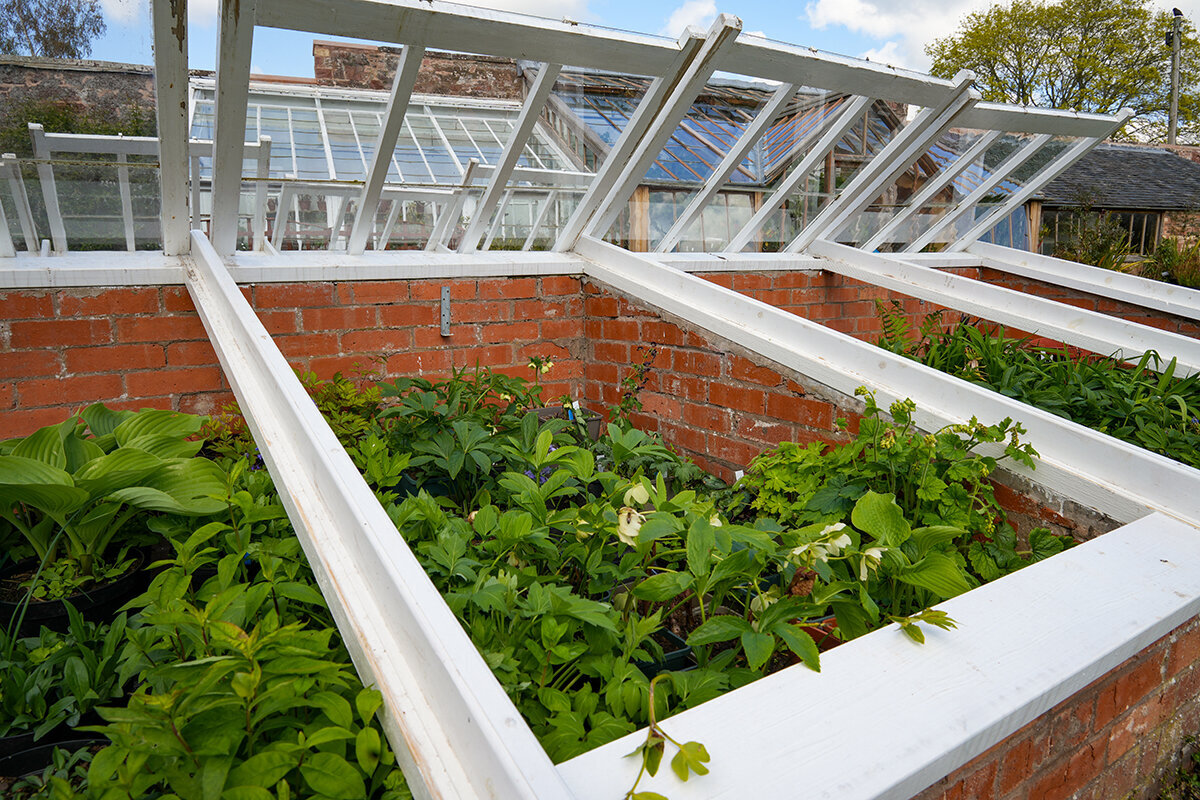
Think of a cold frame as a transparent lid over a precise part of the garden. It sits close to soil, pots or trays, is usually unheated and is managed from outside. A greenhouse is a structure you enter. Its greater height and volume provide room for staging, shelving, paths, taller crops, tools and a more deliberate routine of propagation and growing-on.
For hardening off a few trays, raising hardy annuals or protecting salads through an unsettled shoulder season, a cold frame can be wonderfully exact. For gardeners handling repeated sowings, tending tomatoes or cucumbers, overwintering selected plants or wanting to pot on at standing height, a greenhouse becomes a lasting piece of garden infrastructure.
Greenhouse / the tall definition
A glazed structure tall enough to become a working growing environment.
A home greenhouse is an enclosed growing space with transparent glazing, a door and provision for ventilation, commonly through roof vents. It may be unheated, insulated or supplied with appropriate seasonal heating. The defining quality is usable interior volume: room for warm air to rise, for the gardener to move and for benches, shelves, watering arrangements and taller crops to function together.
Cold frame / the low definition
A shallow enclosure with a transparent, usually hinged cover.
Cold frames may be made with timber, masonry or durable framed sides and glazed with glass or rigid transparent panels. They commonly sit directly over soil or hold trays and pots. Usually unheated, they are opened by lifting or propping the lid as sunlight raises the temperature. The RHS describes them as small, box-like structures useful for hardening seedlings and growing cuttings.Read the RHS cold-frame guidance for practical descriptions of siting, access and ventilation.
Terminology can blur at the edges. Mini greenhouses, cloches, low tunnels and cold frames may overlap in purpose, yet their access, anchoring and ventilation arrangements differ. Some frames are set over beds; others are portable containers for pots. For a practical comparison, use the clearest test: do you lift a cover and work from outside, or open a door and work within the structure?
Do not confuse enclosed with frost-free. An unheated greenhouse and a cold frame both depend on sunlight, stored warmth, insulation, ventilation, wind and the severity of the night. Neither should be assumed to keep tender crops safe during frost without monitoring and suitable additional protection.
02 / Cold-frame climate
LOW
Warmth held close to the soil.
A cold frame is closely connected to the bed or hard surface beneath it. Sun enters through the cover and warms the enclosed air, plants, pots and soil, while the sides reduce exposure to cold wind. Because its air volume is small, conditions change quickly: a bright April morning may demand ventilation, while a clear evening can remove the limited stored warmth rapidly.
Where a cold frame is at its best
It excels when asked to do a few focused jobs. Use it to raise hardy annuals and salads, protect a small collection from wind and heavy rain, hold cuttings or move indoor-raised seedlings gradually towards outdoor light and temperature changes. Plants can grow in the soil beneath the frame or remain in trays and pots, but the cover must be opened or propped on mild, sunny days.See the RHS ventilation guidance for advice on monitoring heat, airflow and shading in glazed growing spaces.
- Good fit Lettuce, herbs, hardy annuals, brassica seedlings, cuttings, young vegetable plants and trays being hardened off before planting out.
- Daily ritual Read the forecast, prop the lid before heat builds, check compost moisture and close the frame before temperatures fall in the evening.
- Physical limit Crop height and reach are restricted. Plants requiring supports, vertical growth or frequent access can quickly outgrow the frame’s useful dimensions.
- Design value A well-composed frame can sit quietly beside a raised bed without claiming the visual or physical territory of another garden building.
03 / Greenhouse climate
A greenhouse provides more usable air for plants and gardeners.
Height is not merely an architectural luxury. It gives warm air somewhere to rise, separates foliage from the roof and creates room for a cultivation system. Staging can hold seed trays at a practical height, shelves can organise supplies, a central path supports movement, and canes or other supports can carry taller crops. A door also allows compost, pots, watering cans and harvests to move comfortably.
That does not make a greenhouse effortless. Its larger glazed envelope can gain considerable heat on a bright day and lose warmth after sunset. Ventilation, shading, watering, cleaning and seasonal reorganisation become part of ownership. Even in cool British weather, a closed greenhouse may overheat in sunshine, so airflow and temperature checks are active-season requirements rather than optional refinements.Read the RHS frost guidance for information about frost pockets, plant damage and appropriate protection measures.
For serious home gardeners, the return is capacity. A well-sited greenhouse can support early propagation, young plants during unsettled spring weather, taller summer crops with attentive ventilation, and selected herbs, salads or containers later in the season. The Classic Aluminium Greenhouse offers a configurable starting point for gardeners who want that working room expressed through durable aluminium framing and a composed, permanent garden structure.
04 / Thermal behaviour without false certainty
Both collect sunlight. They manage it differently.
The useful comparison is not a promised temperature increase. It is the route that sunlight, air, soil, moisture and ventilation take through each structure, and how quickly those conditions alter when cloud, wind or night arrives.
Cold frame
Solar pocket at ground level
Greenhouse
Inhabitable volume above the garden
Sun entersSoil storesLid vents
Sun entersAir risesRoof vents
Cold-frame behaviour
Light passes through a compact transparent cover and warms the air, plants, pots and soil beneath it. Much of the useful warmth remains close to the bed. Lifting or propping the lid releases heat, although the change can be abrupt and requires attention. The small air volume can also cool quickly after sunset. Soil and other thermal mass may moderate the swing, but they cannot remove the possibility of damaging cold.
Greenhouse behaviour
Light enters through a larger glazed envelope and warms plants, staging, paths, soil and air. Warm air rises, while the greater interior volume permits more circulation and crop spacing. Roof vents, doors and shading help control excess heat. Stored daytime warmth still diminishes overnight, however, so an unheated greenhouse provides shelter rather than a guaranteed temperature suitable for every plant, season or part of the UK.
Read the crop-level climate Place a reliable thermometer near the plants rather than relying on how the enclosure feels when you enter or lift the lid. Crops may suffer from excess heat, chilling, high humidity or drying compost before a quick inspection reveals the full pattern. Observe conditions at different times of day, ventilate responsively and adjust watering to the plants rather than to a fixed schedule.Explore the RHS seasonal greenhouse advice for timely reminders about ventilation, shading, watering and hardening off.
05 / Crops and duration
Choose according to what you want to grow, and for how long.
A cold frame favours low crops and short transitions. A greenhouse earns its footprint when crop height, quantity, successive sowing or season length becomes the governing concern. Neither replaces outdoor beds; each helps plants use those beds more successfully.
- — Cold frame: a dependable station for salads, hardy annuals, herbs, vegetable seedlings and trays moving gradually from indoor shelter to the open garden.
- — Cold frame: a useful way to finish established leafy crops or provide short protection, rather than forcing major growth through the darkest winter weeks.
- — Greenhouse: a propagation room for several trays, where sowing, labelling, pricking out, potting on and watering can happen at staging height.
- — Greenhouse: a clearer fit for trained tomatoes, cucumbers, taller ornamentals and selected tender containers, provided their light, warmth, watering and ventilation requirements are met.
- — Either: a protected place to help seedlings adjust before planting out into the variable conditions of a British spring.
- — Neither alone: a substitute for suitable varieties, sound plant care and timing informed by your local weather.Planning Portal guidance for outbuildings helps England-based gardeners begin checking whether conditions and limits affect a proposed greenhouse.
06 / Access changes the habit
The daily choreography is markedly different.
Cold frames ask you to bend or kneel, lift or prop a low lid and reach towards the back. With a compact bed and occasional use, that closeness can be part of their appeal. It becomes more consequential when mobility, back comfort, safe lifting or daily tray work influence the decision. A glazed lid may be heavy, awkward in wind and difficult to handle if the frame is poorly positioned.
A greenhouse generally favours standing work. Staging reduces repeated bending, while a clear central path makes it easier to carry watering cans, compost and trays. Roof vents and doors support broader ventilation control. The trade-off is a fuller routine: opening and closing, checking water, managing shade, cleaning glazing and watching for pests or disease among a larger enclosed plant collection.
↘EnterWalk in or work outside.
↑ReachStaging height or back edge.
⌒VentRoof opening or lifted lid.
≋WaterBroad routine or close check.
□ResetRoom care or bed care.
Practical implication: A greenhouse can be planned around standing, carrying, staging and turning with a tray in hand. A cold frame benefits from a depth that lets you reach its centre comfortably, a secure lid stay and enough clearance to open fully. If repeated kneeling, reaching or lifting is difficult, this operational distinction may matter more than initial cost or nominal floor area.
07 / Footprint, wind, anchoring, permanence
Site for useful light, safe access and the weather your garden receives.
A cold frame can sit beside the kitchen garden, over a soil bed or at the edge of a patio. It needs useful sunlight during the season in which it will operate, a stable and reasonably level position, good drainage and enough clearance for the lid. Observe nearby walls, fences, hedges and trees across a full day: a seemingly sunny corner may be shaded precisely when low spring or autumn light is most valuable.
A greenhouse deserves a slower reading of the plot. Measure the footprint, but also consider door clearance, paths, water access, roof runoff, nearby trees, later-season shade and the view from the house. In exposed British gardens, prevailing wind affects heat loss, doors, vents and anchoring. Avoid a known frost pocket at the bottom of a slope, and do not exchange all airflow and light for shelter against dense hedging or walls.
For a permanent premium structure, choose a size, base and anchoring approach appropriate to the site, then follow the manufacturer’s installation requirements and check any relevant local restrictions. Bloomcabin’s Classic Aluminium Greenhouse provides a useful starting point for considering proportions, circulation, glazing and a long-term relationship with the garden.
08 / One year, locally observed
A seasonal relay, not a promise of year-round tomatoes.
Timing varies substantially from Cornwall to the Highlands, between coastal and inland gardens, and even across one town. Treat this as a sequence of roles rather than a rigid sowing calendar, then adjust it using local forecasts, your garden’s frost pattern, available light and the plants you intend to grow.
Late winterStart and shelter
Early springHarden and vent
Late springMove and manage
SummerShade and irrigate
Autumn / early winterFinish and protect
In late winter, a greenhouse can organise propagation where light and any necessary warmth are sufficient, while a cold frame may shelter hardy starts in suitable weather. In early spring, use the frame to harden seedlings gradually and vent it generously in sunshine. Meanwhile, the greenhouse can support pricking out, potting on and protection through unsettled nights, always with attention to forecasts and crop-level temperatures.
By summer, a cold frame may function as an open bed or temporary nursery, while a greenhouse demands close attention to airflow, shading and consistent watering. In autumn, the frame can finish leafy crops and protect hardy plants during chilly intervals. A greenhouse may extend selected herbs and salads or shelter suitable containers. The most productive pairing is sequential: raise plants in the greenhouse, acclimatise them in the frame, plant out, then reuse the freed staging.
09 / Cost is only one commitment
Ownership effort belongs in the budget.
A cold frame can be a modest, highly useful addition with a small footprint and limited visual presence. Its real cost is concentrated attention whenever the weather changes rapidly. During a bright spring week, the gardener who remembers to prop the lid, check moisture and close it before a cold evening has a far more effective frame than the gardener who treats it as passive storage.
A greenhouse requires greater planning and investment, but concentrates a considerable amount of gardening activity in one place. Accessories and long-term maintenance become more relevant: staging, shelving, vent mechanisms, gutters where fitted, shading, watering arrangements, glazing care and, if appropriate, carefully considered heating or air circulation.
- Cold-frame maintenance Inspect hinges, stays, glazing and framing; remove leaves and spent compost; keep the lid moving safely; and clear diseased plant material between uses.
- Greenhouse maintenance Clean glazing and gutters where relevant, inspect seals and moving parts, maintain doors and vents, manage condensation, keep paths usable and remove plant debris between crop cycles.
- Energy expectation An unheated greenhouse is not equivalent to a heated winter glasshouse. If heating is intended, consider the operating implications and plant requirements before selecting equipment or crops.
- Expansion potential Cold frames can be added near individual beds. A greenhouse can evolve internally with more staging, shelves, shading and a better-organised propagation and watering workflow.
10 / The decision tribunal
Choose the structure that matches your gardening life, not an abstract ideal.
Use the comparison as a decision tool rather than a scorecard. A cold frame is not an inferior greenhouse; it is a precise response to a compact task. A greenhouse is not automatically the more serious answer; it is appropriate when standing-height work, crop range, capacity and repeated use justify a permanent walk-in growing environment.
| Decision factor | Cold frame is usually stronger when… | Greenhouse is usually stronger when… |
|---|---|---|
| Crop ambition | You want hardy crops, protected seedlings and a compact hardening-off station. | You want propagation capacity, taller crops, successive batches or longer protected use. |
| Available space | You have a sunny bed edge or patio zone, but limited room. | You can accommodate a permanent structure, access, clearance and a proper base. |
| Access and posture | Bending, reaching and lid lifting are comfortable, and visits remain brief. | You value standing work, staging height, tray carrying and sheltered potting. |
| Climate management | You prefer a close, lid-managed routine for a small group of plants. | You are ready to monitor ventilation, watering and heat throughout a larger growing space. |
| Permanence | You want a low-profile garden element that can serve a focused seasonal purpose. | You want a durable visual anchor supporting a long-term cultivation system. |
| Future growth | You may add protected capacity gradually as individual beds require it. | You expect under-cover growing to become central and want room to organise it. |
Choose a cold frame
When protection is targeted.
Choose it for a low-footprint buffer between indoor starts and outdoor beds, or for salads, cuttings and short periods of close seasonal protection.
Choose a greenhouse
When the growing room becomes part of the pleasure.
Choose it for standing access, greater propagation capacity, taller crops and an organised environment able to evolve with serious home gardening. Explore the Classic Aluminium Greenhouse as a refined, configurable walk-in starting point.
Choose both
When each shelter can do its own job.
Use the greenhouse for propagation, potting on and taller crops; use the cold frame for hardening off, temporary protection and freeing valuable staging space.
11 / Frequently asked questions
Small questions with substantial seasonal consequences.
Is a cold frame simply a small greenhouse?
In everyday conversation, it may be described that way because both use transparent surfaces to collect solar warmth. In practical garden planning, the distinction matters. A cold frame is shallow, low and operated from outside by lifting a cover. A greenhouse is a walk-in growing space with considerably more air volume, crop height, circulation potential and capacity for an organised workflow.
Will a cold frame keep plants alive during a frost?
It can reduce exposure to cold, wind and wet weather, but it does not guarantee frost-free conditions. Results depend on the plant, lid fit, daytime sunshine, wind, soil and compost moisture, overnight temperature and any additional protection. Monitor the forecast and temperature, and remember to ventilate the frame during bright weather to prevent overheating.
Does an unheated greenhouse extend the growing season?
Yes. It can make spring starts less precarious, offer useful shoulder-season shelter and provide an organised propagation space. It still follows outdoor weather and available daylight, however. Tender plants may require appropriate insulation or heating when frost is forecast, together with ventilation and a realistic understanding of seasonal limits and running costs.
What is the best first use for a cold frame?
Hardening off seedlings is one of its clearest and most useful roles. Introduce plants gradually to outdoor light, airflow and temperature changes, rather than moving them directly from warm shelter into a border. Begin with a manageable number of trays, use a thermometer and learn how quickly the enclosure responds to sunshine, cloud and wind.
What should I prioritise when choosing a greenhouse?
Begin with the site and intended crops, then allow enough room for staging, a clear path, watering and effective ventilation. Look beyond nominal floor area: door clearance, roof vents, glazing, base preparation, anchoring, drainage, nearby shade and your willingness to visit regularly all shape long-term satisfaction. A well-proportioned Classic Aluminium Greenhouse can provide the permanent walk-in capacity that distinguishes a greenhouse from a low, task-specific cold frame.
Sources & further reading
UK garden guidance worth keeping close.
These UK-focused resources informed the practical distinctions in this article. Use them with the instructions for your chosen structure, the requirements of your plants and a reliable local weather forecast.
More from Bloomcabin: UK greenhouse gardening beginner’s guide · greenhouse design options for British gardens · guide to buying a greenhouse in the UK
- Royal Horticultural Society — Greenhouses in school grounds
- Royal Horticultural Society — Greenhouse ventilation and shading
- Royal Horticultural Society — Frost damage and plant protection
- Royal Horticultural Society — May greenhouse and conservatory jobs
- Planning Portal — Outbuildings guidance for England
- Planning Portal — Building regulations and outbuildings
Classic Aluminium GreenhouseClassic Aluminium Greenhouse
Classic Aluminium GreenhouseClassic Aluminium Greenhouse
Bloomcabin / plan with intent
Choose how much season you want to step into.
Compare structure size, site conditions, access and intended crops before deciding. The best protected space is the one you will ventilate, water, maintain and enjoy.
