
Hail-Resistant Greenhouses: Comparing Glazing Options
Greenhouse buyer’s guide
The short answer
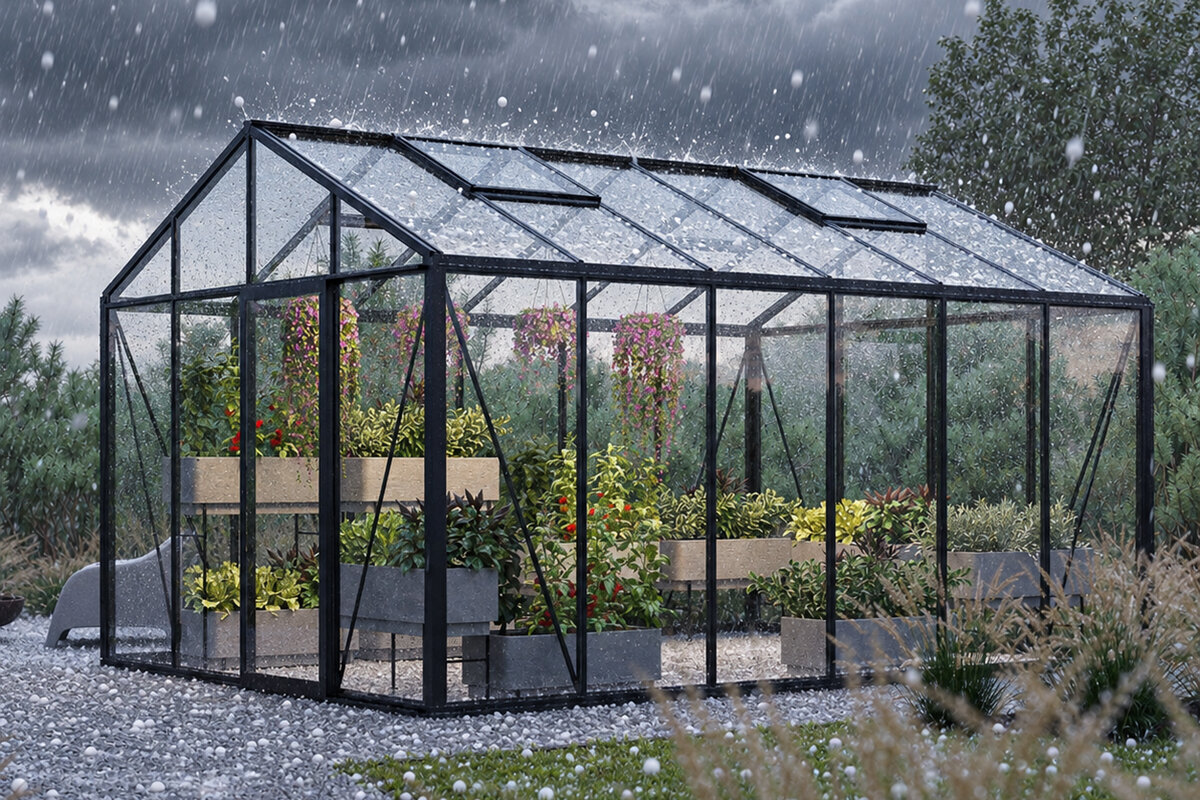
Polycarbonate is often the practical starting point where concern about impact from hail is high, because its construction and material properties differ from glass. It can also offer a more diffused light inside the greenhouse. Its suitability still depends on the particular panel, frame system, fixing method and site exposure rather than a broad “hail-proof” label.
Tempered glass remains a strong choice for gardeners who value clear views, crisp light and an enduring traditional appearance. It should be assessed as part of the complete glazed structure, not in isolation. Ask for the exact glazing specification, understand replacement arrangements, and consider how exposed your garden is before deciding.
01
For exposed gardens
Prioritise a clear discussion of impact considerations, panel retention, frame support and professional installation rather than relying on material names alone.
02
For light and appearance
Glass offers transparent views and a classic greenhouse character, while polycarbonate typically softens and diffuses incoming light for a different growing environment.
03
For informed buying
Compare like with like: panel type, thickness, fixing details, roof geometry, access for maintenance and the supplier’s written product information all matter.
Hail-resistant greenhouse glazing: choose protection with clear eyes
A greenhouse is more than its frame: the glazing determines light quality, day-to-day feel, cleaning routines and the way the structure may respond when hard weather arrives. For British homeowners, hail-resistant greenhouse glazing is therefore not a single feature to tick off. It is a decision about material, panel construction, exposure and the level of uncertainty you are comfortable managing.
Hailstones vary enormously in size, density, speed and direction. A sheltered urban plot and an open, elevated garden can face very different conditions, even within the same county. No sensible buyer should expect glazing alone to remove every weather risk. Instead, compare the realistic strengths and trade-offs of each option, then match them to your garden and the way you want to use the space.
This guide separates the useful questions from the reassuring but vague claims. It explains tempered glass and polycarbonate, outlines what to inspect in a product specification, and shows why installation, maintenance and insurer conversations matter. The aim is not to declare one material universally superior, but to help you make a confident, proportionate choice for your greenhouse.
01 · Start with the weather
Hail risk is specific to your plot
Begin with your location rather than a dramatic weather headline. Think about whether the greenhouse will stand on an exposed slope, beside open fields, near mature trees or behind a house wall. Local topography can influence wind-driven rain and hail, while nearby buildings and planting may offer some shelter. Shelter is not a substitute for proper design, but it helps establish the risk context for your glazing decision.
Also consider the roof, which receives a different angle of impact from vertical sides. A greenhouse facing a prevailing weather direction may experience harsher conditions on particular elevations. Note access routes too: after a storm, you need to be able to inspect the roofline safely from ground level and deal promptly with any loose debris. A well-considered position supports both resilience and practical ownership.
When comparing glass options, ask how replacement panels are identified and ordered if needed. Keeping the model and glazing details with your household records can make a future conversation clearer.
Walk the proposed site in different weather and identify open approaches where storms could arrive with little interruption.
Avoid placing the greenhouse beneath branches that could shed twigs or heavier debris during a severe storm.
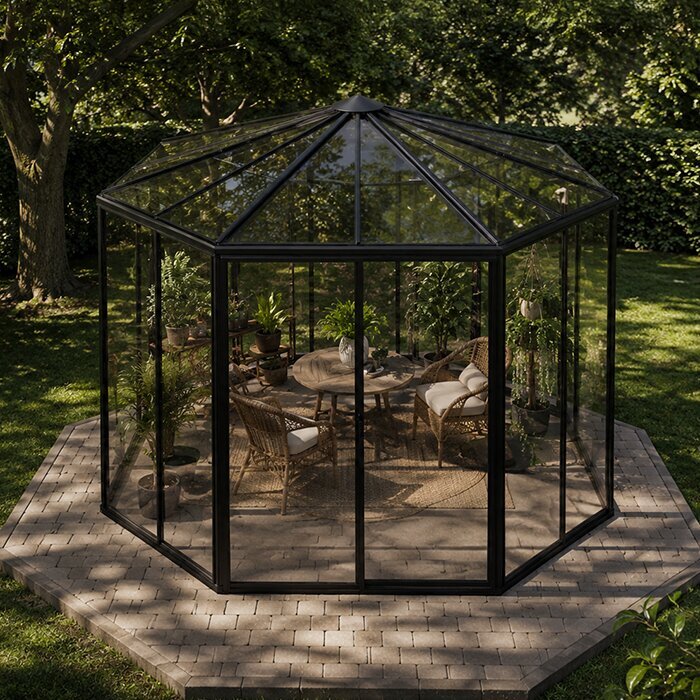
For a freestanding garden focal point, explore a standard Classic greenhouse for open gardens and assess its glazing options against your site survey.
02 · Material comparison
What tempered glass brings to the decision
Glass is valued for its clean, transparent appearance and direct views of plants, shelves and the garden beyond. It gives a traditional greenhouse an architectural clarity that many homeowners prefer, particularly close to patios or formal borders. Tempered glass is designed to behave differently from ordinary glass, yet it remains important to avoid assuming that any glass installation is invulnerable to exceptional hail or other impacts.
Ask how the glass is held within the aluminium frame and whether the system provides consistent support around each pane. Bloomcabin greenhouse glass is 4 mm tempered glass. That stated material detail is useful, but it should sit alongside questions about the full assembly, the roof layout, the intended installation and replacement planning. Clear glazing also makes dirt and storm marks visible sooner, which may influence your maintenance routine.
Choose glass when unobstructed garden views and a traditional, sharply defined greenhouse appearance are central to the brief.
Request written clarification of pane specification, retention details and the sensible process should a damaged panel require replacement.
If transparent glazing suits your planting space, consider a full-size regular Lean-To greenhouse where the house-side setting is also part of the siting assessment.
03 · Material comparison
How polycarbonate changes the equation
Polycarbonate glazing is often selected by buyers seeking a different response to impact concerns and a lighter visual effect. Depending on its construction, it can diffuse daylight, reducing sharp shadows and giving plants a more even-looking illumination. That character is not automatically better for every crop or gardener, but it is a meaningful difference from clear glass when you are shaping the environment inside the greenhouse.
Specification matters just as much here. Bloomcabin greenhouse polycarbonate is 6 mm. Rather than treating that figure as a standalone promise, ask how panels are supported, sealed and accommodated within the frame. Check how the surface should be cleaned, whether the panel layout suits your preferred view, and how you would recognise wear. A careful comparison addresses impact considerations without overlooking light transmission and upkeep.
Good drainage also helps keep seals and frame channels easier to inspect. During routine checks, remove trapped leaves and soil carefully so water can follow the intended route away.
Consider polycarbonate if softened daylight and a material commonly chosen for impact-conscious projects suit your growing priorities.
Use only gentle, compatible cleaning methods; abrasive tools can mark surfaces and make the greenhouse look duller over time.
To compare a more traditional glazed format, view a standard Classic greenhouse with glass options alongside the polycarbonate specification that interests you.
04 · Beyond the pane
The frame and fixings share the load
Hail resistance is never solely a question of what a pane is made from. Aluminium profiles, glazing bars, seals, clips and the way each panel is seated all contribute to how a greenhouse performs as an assembled structure. A panel that is well supported within a correctly installed system is a different proposition from a sheet considered on its own. This is why product comparison should move beyond a single material label.
Look closely at junctions: roof-to-wall transitions, ridge areas, corners, doors and vents. These are places where alignment, drainage and secure fitting deserve attention. If you are comparing quotations or product pages, ask the same questions of each supplier. It is easier to identify meaningful differences before ordering than after installation, when access and remedial work may be more complicated.
Ask whether glazing retention components are included in the stated configuration and how they are intended to be fitted.
Review roof joints and opening elements carefully, as their detailing affects weather management and ongoing inspection.
Where a building wall shapes the installation, a full-size regular Lean-To greenhouse system deserves particular attention at its roof and wall junction.
05 · Garden setting
Siting can reduce avoidable exposure
The best location balances sunlight, convenience and reasonable shelter. Do not push a greenhouse into the most exposed corner simply to preserve lawn space. Observe where rain strikes during a blustery shower, where wind funnels between buildings and whether fence panels create turbulence. A position with a little protection from the house or established planting can be preferable, provided it does not compromise light or create falling-branch hazards.
Base preparation belongs in the same conversation. A level, appropriate foundation gives the greenhouse a sound starting point and helps installers achieve accurate alignment. Poor preparation can affect doors, glazing fit and water run-off, none of which is helpful in difficult weather. Follow the product’s installation requirements and seek suitable professional advice where ground conditions, drainage or existing structures make the project less straightforward.
Before fitting begins, confirm who will check the prepared base and how any site-specific concerns will be addressed. Clear responsibilities reduce uncertainty where access, drainage or existing walls complicate the work.
Leave practical clearance for cleaning, inspecting panels and removing leaf litter around the greenhouse after unsettled weather.
Check that rainwater has a route away from the base rather than pooling beside the frame or nearby wall.
For a visible centrepiece with room around it, a standard Classic greenhouse layout can make inspection and seasonal maintenance easier to plan.
06 · Before you buy
Ask precise specification questions
A useful supplier conversation starts with your garden, not simply the product name. Describe exposure, nearby trees, intended crops and whether the greenhouse will be regularly occupied or mainly used for propagation. Then ask which glazing choices are available for the configuration you are considering. Request written details rather than relying on a broad verbal description of durability, and keep those details with your project records.
It is equally reasonable to ask about fitting guidance, care instructions and replacement components. A greenhouse is a long-term garden structure, and the owner’s ability to inspect and maintain it is part of its real-world resilience. If an answer is unclear, ask for clarification before committing. Careful questions protect your decision-making without turning ordinary weather risk into an expectation of intended protection.
Compare written specifications for the exact configuration, rather than assuming every size or roof form uses identical glazing details.
Keep installation guidance, order records and photographs of the completed greenhouse in an accessible household project file.
If your available footprint sits alongside the home, examine a full-size regular Lean-To greenhouse option with the same level of specification detail as a freestanding model.
07 · Care after storms
Inspect calmly and maintain regularly
After hail or a particularly violent downpour, begin with a visual check from a safe position. Look for obvious cracks, displaced glazing, damaged seals, blocked gutters and fallen debris nearby. Do not climb onto the roof or lean ladders against glazed areas. If you see a concern, prevent children and pets from entering, take clear photographs from a safe distance, and seek appropriately qualified help for any repair work.
Routine care is less dramatic but just as useful. Clean glazing according to the relevant care guidance, clear leaves before they build up, and periodically check accessible clips, seals and door operation. Avoid forcing stiff openings or attempting improvised repairs that could worsen a problem. Early attention to minor movement or drainage issues can help keep the greenhouse orderly and easier to assess when severe weather does occur.
It can help to revisit your priorities after viewing glazing samples in natural daylight. The look from indoors, the level of privacy and the practical cleaning routine may influence the final choice.
Carry out a visual exterior check after storms, especially around roof edges, openings and areas beneath overhanging vegetation.
Record any damage promptly and consult your insurer about their evidence requirements before arranging substantial remedial work.
For straightforward access around all sides during checks, choose a standard Classic greenhouse for easy inspection where the proposed garden layout allows it.
08 · Value over time
Choose the glazing you will live with
The right glazing is the one that makes sense across ordinary days as well as rare storms. Consider what you will see from the kitchen, how much direct versus diffused light you want, who will clean the panels, and whether a future replacement would be manageable. A material chosen only for one alarming weather scenario may prove less satisfying if it does not suit your daily gardening habits.
Budget discussions should remain configuration-specific. Prices can vary with size, glazing selection, access, foundations, installation and accessories, so request a current quotation for the exact greenhouse you have in mind. If hail damage is a central concern, speak with your insurer before purchase or installation to understand the policy terms, exclusions, evidence expectations and any steps they may require.
Balance visual preference, growing conditions, cleaning habits and site exposure rather than allowing one factor to decide everything.
Review current quotations and written insurance terms for your own circumstances; neither should be inferred from a general guide.
For an integrated garden-room feel beside the house, a full-size regular Lean-To greenhouse design may be worth comparing carefully with a freestanding alternative.
Glass and polycarbonate at a glance
Both materials can be appropriate, but they create different priorities. Use this comparison as a prompt for better questions, not as a substitute for checking the specification of the exact greenhouse, its installation requirements and your particular site.
Appearance
Clear, classic views of plants and garden.
Often a softer, less transparent visual finish.
Light character
Direct daylight with crisp visibility through panes.
Typically diffuses daylight across the growing space.
Impact discussion
Assess pane retention and full system detailing.
Often considered where impact concerns influence selection.
Cleaning
Marks are visible; clean with suitable non-abrasive methods.
Use compatible gentle methods to avoid surface scratching.
Buyer focus
Ideal where traditional character and clear views lead.
Useful where diffused light and material choice lead.
A practical route to the right glazing
Work through these decisions before requesting a final configuration. The sequence keeps the discussion rooted in your garden and avoids comparing incomplete or mismatched product information.
01
Read the garden
Observe exposure, surrounding trees, drainage, sunlight and access. Note which side faces the most unsettled weather and where debris may collect.
02
Set your priorities
Rank clear views, daylight character, impact concerns, maintenance tolerance and architectural style. This prevents a single feature from dominating an otherwise unsuitable choice.
03
Compare complete systems
Review glazing together with frame support, panel retention, roof form and opening elements. Ask for written information for the exact model and configuration.
04
Plan the base and fitting
Confirm a suitable level foundation, safe access and the installation approach. Follow the applicable product guidance rather than improvising structural details on site.
05
Prepare for ownership
Create a simple maintenance plan, retain documents and decide how you will inspect the greenhouse after severe weather without taking unnecessary risks.
Greenhouse glazing buying checklist
Take this list to a showroom discussion, design appointment or quotation review. It helps turn a broad wish for hail resistance into practical, comparable decisions.
01. Describe your site exposure, including slopes, open boundaries, nearby buildings and overhanging trees.
02. Decide whether clear garden views or diffused daylight better suits your planting and living space.
03. Request glazing information for the exact greenhouse configuration, not a generic material summary.
04. Ask how panes or panels are supported, retained and accommodated within the frame.
05. Check proposed roof geometry, vents, doors and junctions for accessible future inspection.
06. Confirm base preparation, drainage and installation responsibilities before finalising the project scope.
07. Read cleaning and maintenance guidance for the selected glazing material before purchase.
08. Review your current home insurance wording and ask the insurer about relevant questions for your circumstances.
Frequently asked questions
Is polycarbonate always better for hail?
Not automatically. Polycarbonate is often explored by buyers with impact concerns, but “better” depends on the specific panel, support system, exposure and your priorities for light and appearance. Compare the complete greenhouse, ask for written specification details and avoid treating any glazing option as certain protection against every possible storm.
Can tempered glass be suitable in a British garden?
Yes, tempered glass can be a considered choice for many gardens, especially where clear views and traditional character matter. Evaluate the exact system, its pane retention and the level of exposure on your plot. If severe hail is a particular concern, discuss it openly with the supplier before selecting a configuration.
Does thicker glazing settle the question?
Thickness is relevant, but it is only one part of the picture. Material construction, panel size, frame support, fixings, roof form and installation all affect the assembled greenhouse. Use thickness as a specification detail to compare, then ask how that glazing is intended to work within the particular structure.
Should I place my greenhouse beside the house?
A house-side location may offer convenience and some shelter, but it also introduces wall junctions, roof run-off, access and shading considerations. Assess the proposed position as a whole. Ensure suitable foundations, drainage and installation arrangements, and do not assume proximity to a building eliminates weather exposure.
What should I do after visible hail damage?
Keep people away from damaged glazing, inspect only from a safe position and photograph what you can see. Avoid climbing onto the greenhouse or carrying out makeshift repairs. Contact an appropriately qualified repair professional and, where relevant, ask your insurer what information they need before authorising significant work.
Will insurance cover hail damage to a greenhouse?
Cover depends on your own policy, the greenhouse’s status within it, exclusions, excesses and the insurer’s conditions. Do not assume cover applies simply because the structure is in your garden. Check the current policy wording and speak to the insurer before purchase if insurance treatment is important to your decision.
Explore greenhouse options
Make a glazing choice that fits your garden
A resilient greenhouse decision begins with an honest view of the site and continues through a close reading of the complete glazing system. Tempered glass and polycarbonate each bring worthwhile qualities. The more useful question is which combination of light, appearance, maintenance and impact considerations fits your garden without relying on unrealistic promises.
Take your shortlist, your site observations and your questions into the next conversation. Compare exact configurations, confirm installation and care requirements, and obtain a current quotation that reflects the project you actually intend to build. With the right preparation, a greenhouse can become a well-judged part of the garden.
Compare glazing-led greenhouse designs with your garden setting, preferred light and practical maintenance needs in mind.
