
How Long Do Aluminium Windows Last and What Affects Lifespan?
Aluminium window buying guide
A retrofit often begins with a practical problem rather than a date on a window schedule: scaffolding is already planned, internal finishes are being renewed, or a hard-to-reach upper-floor window has become awkward to close. That is the right moment to assess aluminium windows as complete openings, not simply as frames. Their useful service life cannot be reduced to one dependable number. It is shaped by the quality and condition of the frame finish, drainage routes, glazing seals, hinges, locking hardware, installation details and the exposure of each elevation. A window that still looks smart may need attention at its seals or hardware; one with surface wear may remain structurally sound. This guide sets out a disciplined way to inspect existing aluminium windows, coordinate decisions with a wider refurbishment, and specify replacements when repair is no longer the sensible route.
Assess the opening before planning a replacement
Inspect every opening before ordering, particularly when access, decorating or insulation work is being coordinated. Open, close and lock each sash, noting rubbing, excessive handle force, uneven gaps, loose hinges, damaged gaskets or draughts. Photograph each fault and record its room, elevation and weather conditions. This separates an isolated adjustment issue from a pattern that may involve exposure, age or installation.
The operating style also affects what can be inspected and serviced safely. If a replacement is under consideration, keep the daily routine in view: furniture clearance, where the sash projects, ventilation habits, cleaning access and whether the opening is used in poor weather. A single-sash inward-opening window is an inward-opening configuration, so its practical suitability should be checked against the room layout rather than selected solely for its appearance. Ask an installer or surveyor to identify what is causing a poor close before assuming that the complete unit has failed. The answer may lie in the sash, the frame, the glazed unit, the surrounding reveal or a combination of these parts.
The frame is only one part of the lifespan question
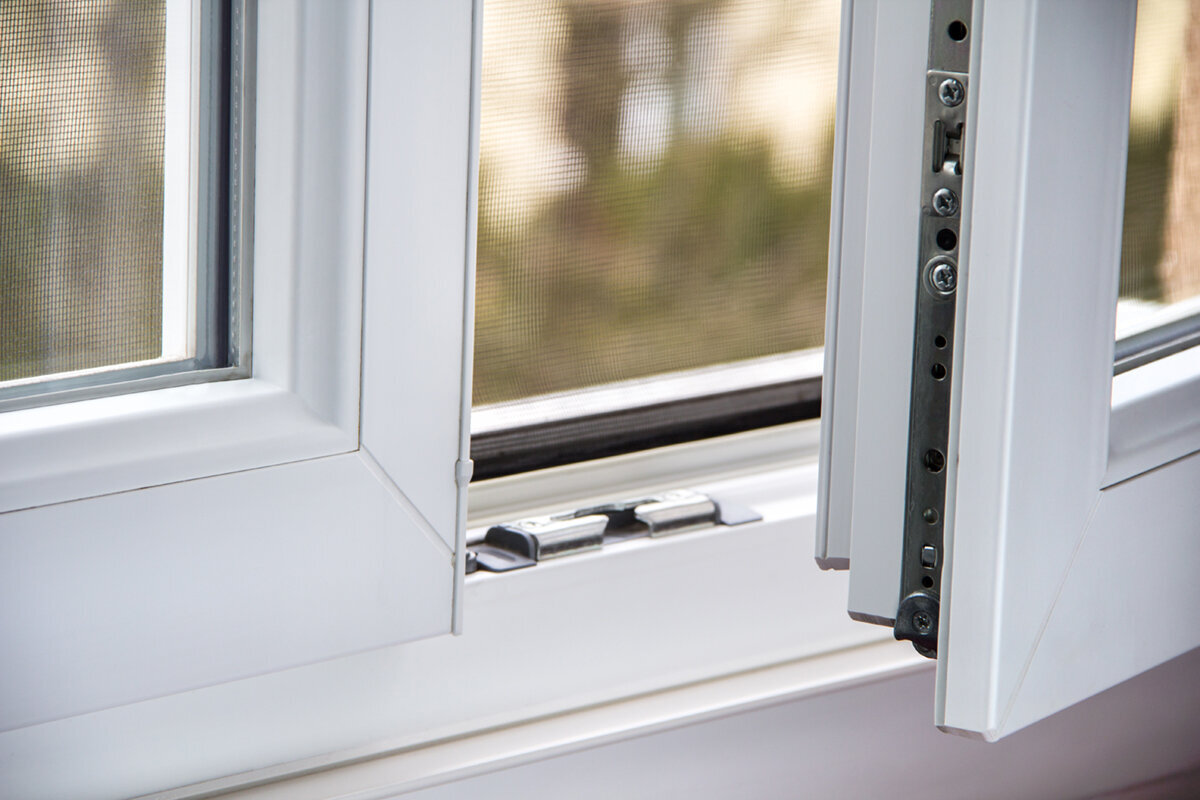
Aluminium provides stiffness and allows relatively slim profiles, but the visible metal is only one part of the assembly. Corners, glazing beads, gaskets, fasteners, seals, hinges, handles, locking points and any thermal breaks have separate functions and wear patterns. A frame face can look intact while drainage slots are blocked or a gasket no longer makes even contact. Conversely, a dull finish alone does not prove that the window has ceased to function. Inspect operation, joints and the complete perimeter rather than judging condition from the pavement or one close-up image.
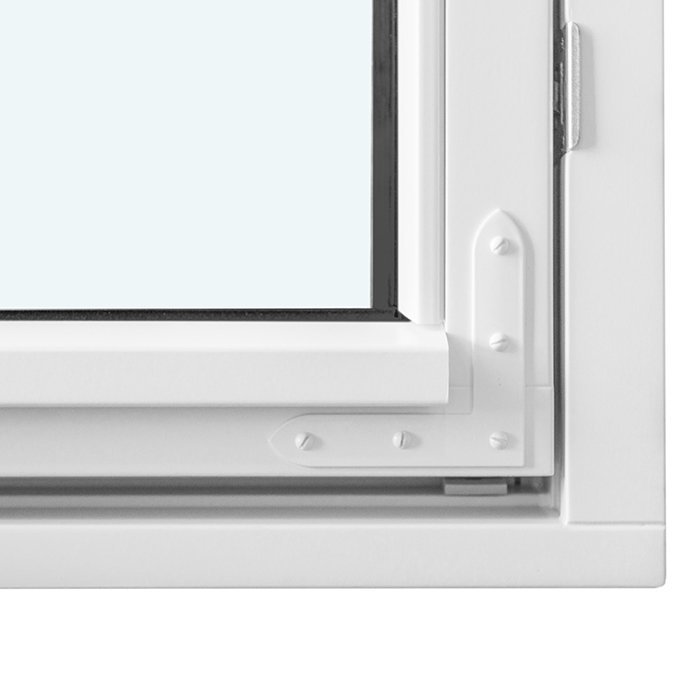
Pay particular attention to change concentrated at a corner, lower rail, fixing location or junction with another material. Pitting, white deposits, lifting coating, blisters or staining deserve investigation, especially where rainwater repeatedly collects. Their cause cannot be confirmed from appearance alone: retained moisture, finish damage, incompatible contact materials or a detail outside the frame may all be relevant. Do not aggressively scrape or abrade an affected area in an attempt to diagnose it. Instead, ask for a condition assessment that distinguishes surface deterioration from a problem affecting the assembly. It should also identify whether a local repair would leave the rest of the opening dependable and visually acceptable.
Exposure changes from elevation to elevation
Windows on one house can age differently. Wind-driven rain may repeatedly wet joints on an exposed side, while a shaded opening may dry slowly. Trees, overflows, sheltered recesses and neighbouring structures can alter dirt and moisture patterns. Coastal, roadside or industrial deposits may justify closer observation and cleaning, but setting alone does not prove failure. Check where residue or water collects and whether the opening drains and dries as intended.
Map symptoms by elevation before deciding on a whole-house programme. For example, identical windows may work well at the front while two exposed rear openings have recurring staining and stiff hardware. That pattern directs attention to rain exposure, local drainage and external details before it supports a conclusion about every frame. For a new outward-opening arrangement, consider the effects of wind on day-to-day use, external obstructions and safe access for cleaning. A single-sash outward-opening side-hung window identifies the opening configuration, but it does not answer those project-specific questions on its own. A measured survey should establish the practical clearances and interface with the existing wall.
Finish condition needs a proportionate response
A durable-looking colour finish still benefits from routine care. Wash accessible frame faces with clean water and a mild, non-abrasive cleaner suitable for the surface, following the product care guidance where available. Rinse away residue and avoid solvents, scouring pads, blades or harsh alkaline products unless the manufacturer specifically permits them. These can scratch, dull or undermine a coating that is otherwise performing well. Keep paint, plaster, sealant smears and building debris from accumulating around drainage paths and moving joints. Cleaning is not cosmetic housekeeping alone; it makes scratches, localised corrosion, damaged sealant and blocked outlets easier to spot before they become hidden behind dirt.
During refurbishment, do not leave cement dust, metal filings or adhesive residue on frames. Ask how damage will be inspected and whether any proposed touch-up is suitable for the finish. If a different arrangement is wanted, a Kombi combination window can be discussed alongside measured sightlines, room use, detailing and future cleaning access rather than chosen from an indoor colour sample alone.
Drainage and the wall connection deserve equal attention
Water marks at an internal reveal, a damp sill area or staining below an opening do not automatically identify a failed window. Water can travel from a roof edge, cladding junction, render crack, failed sealant line or cavity detail before becoming visible indoors. Conversely, blocked frame drainage or a deteriorated glazing interface can contribute to a similar symptom. The correct response is to establish the route of water, ideally with an inspection during or after the conditions that trigger it, rather than simply applying more sealant over the visible edge. Surface sealant can conceal a path temporarily while trapping water or preventing an intended drainage route from working.
Define the work boundary before repair or replacement. Confirm who removes the unit, records hidden defects and makes good the sill, reveals and external finish. State which interfaces belong to the installer and which need another qualified trade, especially when access equipment is shared. Survey records should include dimensions, photographs, substrate observations and anything that cannot be confirmed until removal.
Glazing symptoms are not frame symptoms
Glazing has a separate condition story from the aluminium around it. Persistent condensation on the room side can reflect indoor humidity, ventilation and surface temperatures; it should not be used on its own to declare a sealed unit defective. Moisture, haze or deposits between panes point to a different issue and merit professional review. Cracked glass, loose beads, damaged gaskets or movement at the glass edge should also be assessed promptly. Note exactly where the symptom appears and whether it changes with the season. This helps distinguish room-air condensation from a problem within the glazed unit or at the glazing interface, without making a diagnosis from one cold morning.
If only the glazed unit is compromised and the frame, hardware and seals are otherwise sound, targeted glazing work may be an option. It is not automatically suitable: compatibility with the existing system, bead arrangement, sash condition and safe handling all need checking. When a wider replacement is justified, do not assume that a performance label should settle every choice. An outward-opening passive house window with super-low Uw is a named product configuration; ask for the proposed opening’s documented build-up and ensure the installer explains how the chosen unit relates to the wall, reveals and ventilation strategy. Whole-opening results depend on more than the central glass area.
Hardware often signals service needs first
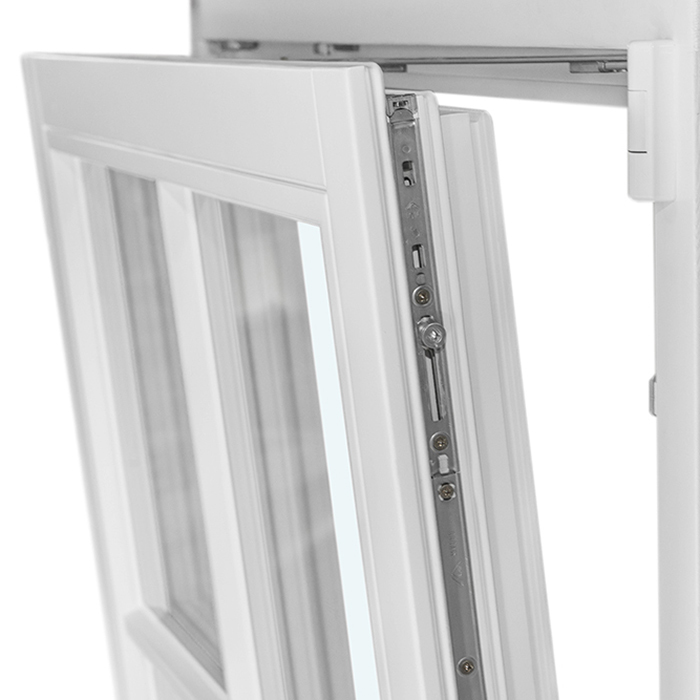
Handles, hinges, stays, friction mechanisms and locking points experience repeated movement, so they may show wear before the frame does. A sash that drops slightly, catches at one corner or needs lifting to lock can indicate adjustment, worn components, loose fixings or distortion that needs investigation. Avoid forcing the handle or slamming the sash: that can turn a manageable fault into damaged hardware or glass. Check whether keys work smoothly, restrictors engage as intended and the sash remains stable in its normal open positions. Record the sequence of the fault, because ‘it sticks’ is less useful to a service professional than a description of exactly when and where resistance occurs.
Ask whether original or compatible replacement parts remain available, what other components should be inspected at the same visit, and whether the repair includes adjustment and testing after work. For upper openings, cleaning and maintenance access should be planned before the product is selected. An outward-opening top-hung window is an outward-opening top-hung configuration, which may suit some ventilation patterns but still requires consideration of external clearance and safe access. Do not lubricate every visible part indiscriminately; unsuitable products can attract grit or affect seals. Follow the system’s care instructions, or obtain advice from a competent window service professional where the original information is unavailable.
Decide between repair, refurbishment and replacement
Repair is worth exploring when the problem is isolated and the principal parts of the opening remain sound. Examples may include a damaged handle, an adjustment issue, a local gasket concern or a glazed-unit problem that can be addressed compatibly. Refurbishment may be considered where several serviceable windows need coordinated hardware, seal and finish attention. Replacement becomes more persuasive when recurring water-related symptoms, severe local frame deterioration, unreliable locking, multiple failed components or unsuitable operation occur together. The decision should also consider access costs, disruption to finishes, future planned works and whether maintaining a consistent appearance across the property matters. None of these routes is inherently best without a condition-led scope.
Obtain comparable proposals by giving each provider the same schedule: opening reference, measured size, desired operation, glazing requirement to be confirmed, colour, decorative bars if relevant, access constraints and the extent of making-good expected. For a room that does not need ventilation through that opening, a fixed window is a non-opening configuration to compare with an operable alternative. It removes moving-sash considerations but does not remove the need for suitable glazing, drainage, installation detailing and cleaning planning. Ask each supplier to state what is excluded, how existing finishes are protected, and what happens if the substrate needs remedial work once the old frame is out.
Specify a replacement around use, access and appearance
A replacement window should solve the practical limitations of the old one, not merely copy its dimensions. Establish who opens it, what furniture or worktop lies nearby, whether it serves routine ventilation, how it is cleaned and whether an outward sash conflicts with paths, planting or nearby doors. Decide early whether glazing bars are decorative bars or glass-dividing bars, because the visual effect and construction are not interchangeable. On a period-style elevation, proportions, sightlines and the relationship to neighbouring openings can be as important to the finished result as the frame colour. Bring photographs of the façade and the internal room to the survey, rather than relying on a verbal description.
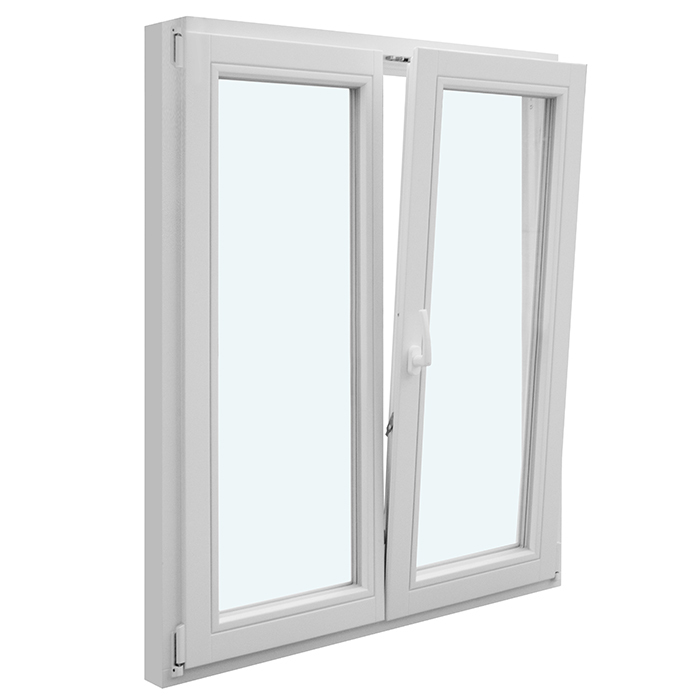
Where a two-part arrangement suits room use, a two-sash inward-opening window is a named inward-opening configuration to assess against clear space inside the room. Confirm which sash opens, the opening sequence, handle position, cleaning method and any restriction requirements for the particular project. For unusual shapes, do not assume a standard rectangular solution can simply be adapted: measured drawings should show the masonry opening, finished internal line, external weathering details and surrounding cladding or render. Good specification is specific enough to prevent assumptions but leaves technical compatibility and project compliance to the appropriate qualified professionals. It also gives every tendering supplier the same basis for comparison.
Use survey questions that reveal the real scope
A focused survey conversation is more valuable than asking how many years a window should last. Ask what condition has been observed in the frame, corners, glazing, gaskets, hardware and drainage routes; which findings are confirmed and which require opening-up; and whether symptoms may originate outside the window. Ask how the proposed frame will be fixed, how the perimeter will be weathered and insulated as applicable, and who is responsible for internal and external making-good. Request clear information about access, removal, disposal, protection of rooms, sequencing and handover checks. If several elevations differ, ask whether the proposal explains why the same remedy is, or is not, being recommended everywhere.
Keep the order record with survey drawings, product description, colour reference, opening direction, glass layout, visible hardware, agreed exclusions and photographs of pre-existing conditions. Bloomcabin windows and doors have a 5-year warranty. Delivery is typically 4–6 weeks, subject to order confirmation, so confirm the applicable timing and coordinate it with access and follow-on works before committing other trades. An outward-opening pivot window is a pivot configuration to discuss where its operation and cleaning implications suit the opening. It should be selected after, not before, the survey confirms clearances, room use and the complete installation scope.
Frequently asked questions
Is faded colour enough reason to replace an aluminium window?
Not necessarily. Fading, chalking or surface marks should be examined alongside drainage, corrosion, glazing, seals and operation. Cleaning may reveal that a change is superficial, while blistering or localised deterioration near joints needs closer assessment. Replacement is a broader decision when several important functions are declining together.
Why does one aluminium window stick while the others work normally?
A local issue may involve hinge adjustment, hardware wear, loose fixings, debris, sash alignment or conditions around that individual opening. Note when the sticking occurs and whether weather affects it. Do not force the handle. A window service professional can inspect the moving parts and frame relationship before replacement is considered.
Can water around a reveal prove that the window has failed?
No. Water can reach an internal reveal from several routes, including adjacent external details, roof drainage, render or the window perimeter. The source needs investigation before a repair is chosen. Ask for the suspected route, supporting observations and the proposed scope, rather than accepting a surface sealant application as a diagnosis.
Should all windows be replaced if one sealed unit has failed?
Not automatically. A failed glazed unit may be an isolated issue if the frame, gaskets, beads and hardware remain suitable. Compatibility and safe replacement need checking. A whole-house replacement may be considered for wider operational, condition, appearance or refurbishment reasons, but it should not be assumed from one glazing symptom.
What should I prepare before asking for an aluminium window survey?
Prepare photographs inside and outside, approximate opening sizes, a list of faults, the room use, preferred opening direction and any access limitations. Mention planned decorating, insulation, roof or façade works. Ask the surveyor to document the wall interface, drainage, glazing, operation, making-good and exclusions so different proposals can be compared properly.
Next steps
Aluminium window lifespan is best judged as a condition and context question, not by a calendar alone. Start with how each opening operates, then inspect finish condition, drainage, glazing, seals and the surrounding wall connection. Track patterns by elevation and investigate water symptoms before assigning blame to the frame. Targeted repair can be sensible for isolated faults, while a cluster of recurring defects may justify refurbishment or replacement. If new windows are planned, coordinate survey, access, finishes and operating requirements early. A clear scope, measured drawings and documented choices give you a more useful outcome than any generic lifespan estimate.
