
How to Grow Aubergines in a Greenhouse
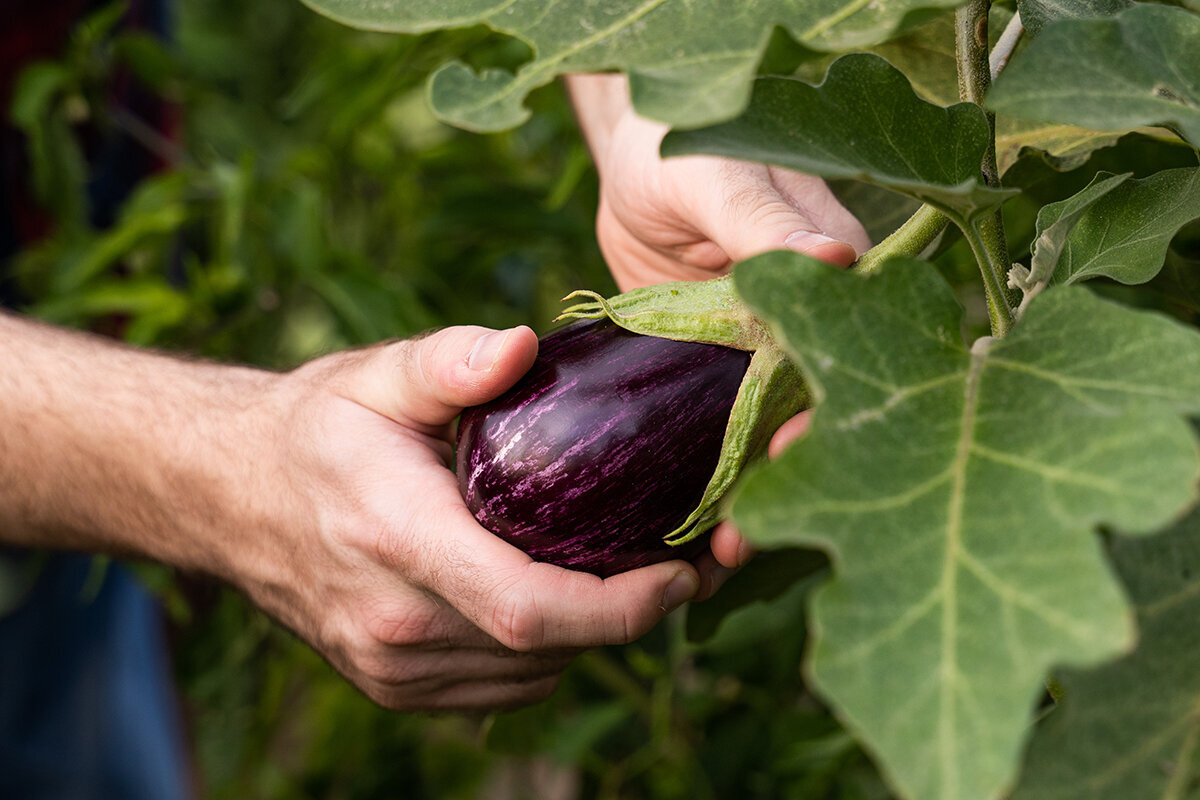
Greenhouse crop study 02 / United Kingdom
How to Grow Aubergines in a Greenhouse
Glossy fruit is the visible result of an invisible discipline: stored warmth, steady roots, moving air and flowers given every chance to set.
In the British garden, aubergines reward a greenhouse that behaves less like a shelter and more like a carefully managed warm room. Under glass, roots remain steadier, leaves avoid damaging weather, and fruit can continue developing when outdoor plants are still negotiating cold nights, wind or sudden rain.
First principle / climate before cultivar
Do not merely shelter aubergines.
Give them a warmer room.Consistency, rather than intermittent heat, is the crop’s real luxury.
Give them a warmer room.Consistency, rather than intermittent heat, is the crop’s real luxury.
A greenhouse suits aubergines because warmth is a working material.
Aubergines are long-season crops with little tolerance for a chilly start. In much of the UK, they are demanding not because they are exceptionally delicate, but because cool spells interrupt growth and leave too little time to recover before autumn light fades. A sunny greenhouse makes warmth more dependable, helping plants build leaves, retain flowers and fill their fruit through an otherwise uncertain British summer.
The aim is not tropical excess. It is a balanced, bright growing room with responsive ventilation. Cold compost, a container standing in runoff, prolonged shade or a greenhouse sealed on a humid day can each slow the plant differently. Healthy plants look composed: upright leaves, measured new growth, retained flowers and fruit enlarging without repeated swings between saturated and dust-dry compost.
Plan the greenhouse as a working room rather than a weatherproof enclosure. Arrange the route from water source to pots, preserve access to doors and roof vents, and keep every plant easy to inspect. The wider Classic Aluminium Greenhouse provides a useful starting point when considering growing height, ventilation, staging, paths and container positions as one coherent system.
The thermal orbit
Warm, but never airless.
Use a thermometer at plant height and treat its reading as practical information, not decoration. Teagasc recommends 21–25°C for seed raising, while established plants need reliably warm, bright conditions for active growth. Yet a greenhouse can overshoot quickly in strong sun. Opening roof vents and doors before heat accumulates, then shading judiciously when required, is kinder than trying to rescue wilted plants late in the afternoon.
21–25°Cseed raising
Warm startReliable setVent earlyShade peaks
Germination
Start seed with dependable bottom heat at around 21–25°C to support even emergence and compact early growth.
Growth
Warm, bright days build useful leaf area and sturdy stems without encouraging pale, stretched seedlings.
Fruit set
Protect flowering plants from cold nights, stagnant humidity, dry compost and prolonged excessive daytime heat.
Stress zone
Chilly nights, overheated pots and a sealed greenhouse can all interrupt flowering and slow developing fruit.
Practical rhythm: protect plants before a cold night, open vents before solar heat accumulates, and let gentle airflow refresh the canopy without placing plants in a harsh draught.
Cultivar selection
Choose a form that suits the room, the pot and the plate.
There is no single ideal aubergine. A compact plant with smaller fruit may be more convincing in a UK greenhouse than a glamorous giant requiring a longer, hotter summer. Consider plant habit, days to maturity, support needs and usable path width—not simply the most impressive-looking fruit on the packet.
Compact
‘Galine’ AGM
Compact growth with small, highly glossy, egg-shaped fruit. Its scale suits a substantial pot on a warm bench or in a bright floor position.
Container-bred
‘Kaberi’ AGM
Thornless, compact and developed with container growing in mind. It is useful where access is tight and a neat, manageable plant matters.
Classic oval
‘Bonica’ AGM
An early-cropping selection with large, glossy black fruit. Give it generous root volume, robust support and enough room for a limited but worthwhile crop.
Distinctive
‘Clara’ AGM
Medium, oval, lightly ribbed white fruit that matures early. The pale skin makes the change in surface gloss particularly easy to observe.
If the greenhouse must also work as a carefully composed garden room, consult the Bloomcabin greenhouse while deciding how much growing height, circulation space, staging and accessible floor area the crop deserves.
Propagation protocol
Start deliberately enough to start strong.
UK growers gain useful time by raising plants before an unheated greenhouse has fully warmed. Sow in late winter or early spring only if you can provide bottom heat and strong light. An early calendar date offers no advantage when seedlings become pale, drawn or checked by cold before their final position is ready.
A well-grown young plant has a sturdy stem, closely spaced leaves and roots that hold the compost together without circling densely. Buying healthy plants is a sound shortcut where warm, bright propagation space is unavailable. The objective is rapid establishment, not a long recovery from cold, crowding, dryness or root disturbance.
- 01
Sow with warmth and light
Use fresh seed compost and dependable bottom heat. Maintain even moisture without saturating the cells; warm compost can dry quickly, but waterlogging reduces the air available to young roots.
- 02
Pot on without interruption
After true leaves develop, move seedlings into individual pots and provide strong overhead light. Step them into larger pots before the roots begin circling densely.
- 03
Wait for settled conditions
Introduce plants gradually to greenhouse conditions. Move them permanently only after frost risk has passed and overnight temperatures in an unheated structure are reliably mild.
- 04
Support at planting time
Install the cane or vertical string when the plant enters its final pot or border. Adding support later disturbs roots and risks damaging stems already carrying flowers.
The root room
Use enough compost to create a steady reservoir.
Containers: volume moderates climate.
Aubergines grow well in containers, but a small pot makes watering, feeding and root temperature fluctuate too quickly. Use a substantial container—around 30cm across for one plant is a practical minimum—and fill it with good-quality peat-free potting compost. A little loam-based compost can add body and water-holding capacity. Keep drainage holes open and raise pots slightly wherever runoff might collect beneath them.
Dark containers may warm sooner in spring, but they can also become hot during intense summer sunshine. Keep the root zone away from fiercely reflected heat and shade the pot itself if necessary. The objective is warm, aerated compost that remains evenly moist, not a root ball repeatedly driven from saturation to drought.
Borders: depth with breathing space.
In a greenhouse border, incorporate mature garden compost where drainage is already sound. Avoid creating a rich, wet pocket that produces abundant leaves but unreliable flowers. Space plants according to cultivar habit, allowing sufficient room for airflow, tying-in and inspection. A few accessible plants generally crop more convincingly than a dense row with humid, shaded foliage.
Plant at the same level the aubergine occupied in its previous pot, water in carefully and keep damp material away from the stem base. In permanent borders, maintain clean cultivation and rotate away from related crops where practical; aubergines, tomatoes, peppers and potatoes can share several pests and disease concerns.
Vertical discipline
Train for access, airflow and fruit the branches can hold.
Plant elevation / stems, ties and fruit load
Support the framework before it carries weight.
Aubergine branches can appear sturdy until fruit begins to swell. A strong cane or vertical string system works well in a home greenhouse. Once a plant reaches roughly 30cm, pinching out the main growing tip can encourage side-shoots and a bushier framework. Adapt the final structure to the cultivar rather than following a rigid formula.
Retain a manageable number of well-spaced branches and remove weak, inward-growing, damaged or ground-touching growth gradually. Do not strip a healthy plant all at once. Tie stems loosely with soft material that cannot cut into swelling tissue. Preserve enough leaf area to feed and shade the developing fruit, and remove spent petals where they remain trapped in damp crevices.
Large-fruited plants benefit from a controlled load. After five or six fruits have set, remove later flowers so the existing crop can fill well; small-fruited cultivars can carry more. This measured approach improves access, reduces breakage and makes pests easier to spot.
Flowering intervention
The flower can set fruit; the greenhouse must still help it perform.
Aubergine flowers can set fruit, but a closed greenhouse may offer little insect activity or air movement. On warm flowering days, open doors and vents to admit pollinators. Where set remains poor, a small amount of deliberate vibration or careful brushing can help pollen move. The aim is occasional assistance, not constant handling.
Airflow
Regular venting or a gentle circulating fan moves flowers modestly and prevents humid stillness around a dense canopy.
Vibration
Around midday on a warm, dry day, lightly tap the supporting cane or flower truss. Alternatively, use a small, clean paintbrush to transfer pollen gently between open flowers.
Humidity
Persistent humidity can hinder pollen movement and encourage grey mould. Ventilate and water the root zone rather than routinely soaking foliage.
Temperature
When flowers drop, inspect the climate record first. A cold night, dry pot or overheated sealed greenhouse is often more revealing than the fertiliser bottle.
Not every flower needs to become a fruit. Look instead for a continuing sequence of retained blossoms and steadily enlarging aubergines. If flower drop becomes a pattern, check overnight lows, midday heat, root-zone moisture, airflow and pollinator access. A stressed plant should not be burdened with stronger feeding until the underlying condition has been corrected.
Input / response ledger
Water and feed for continuity, not drama.
Aubergines need a steady moisture supply, particularly in containers. During hot weather this may require daily checking and sometimes daily watering. The important distinction is between a measured drink at the root zone and a panicked flood after compost has dried hard. Irregular moisture is associated with blossom-end rot, while permanently wet compost compromises root health and creates different symptoms.
Water input
Deep, measured watering
Water at the base until the full root ball is moist, then check conditions before watering again. Examine several pots rather than assuming they dry equally; a sunny doorway position may use water much faster than a shaded rear corner.
Water at the base until the full root ball is moist, then check conditions before watering again. Examine several pots rather than assuming they dry equally; a sunny doorway position may use water much faster than a shaded rear corner.
Plant response
Firm leaves, measured growth and fruit enlarging without repeated wilting are more useful indicators than an inflexible daily timetable.
Firm leaves, measured growth and fruit enlarging without repeated wilting are more useful indicators than an inflexible daily timetable.
Feed input
Potassium after flowering
Once the first flowers appear, use a high-potassium liquid feed at the label rate. Feeding every two weeks is a useful guide for container plants, adjusted to product directions and plant response.
Once the first flowers appear, use a high-potassium liquid feed at the label rate. Feeding every two weeks is a useful guide for container plants, adjusted to product directions and plant response.
Watch the canopy
Aubergines grow more slowly than tomatoes and need less overall feed. Excess nitrogen may produce impressive foliage at the expense of flowers; first rule out cold, darkness or waterlogged roots.
Aubergines grow more slowly than tomatoes and need less overall feed. Excess nitrogen may produce impressive foliage at the expense of flowers; first rule out cold, darkness or waterlogged roots.
Drainage output
Water must leave
Never leave a pot standing in runoff. In borders, investigate slow drainage before responding with additional fertiliser or repeated watering.
Never leave a pot standing in runoff. In borders, investigate slow drainage before responding with additional fertiliser or repeated watering.
Root message
Wilting in wet compost, yellowing and stalled growth suggest a root problem rather than thirst. Correct drainage and aeration before expecting recovery.
Wilting in wet compost, yellowing and stalled growth suggest a root problem rather than thirst. Correct drainage and aeration before expecting recovery.
A drip line or timed irrigation system can provide useful reliability, but only after several cycles have been observed. Adjust it through the season: a dull spring day, a July heatwave and a heavily fruiting plant do not use water at the same rate. Automation supports attentive growing; it does not replace it.
British weather adaptation
In summer, release heat before the crop begins to suffer.
Aubergines enjoy warmth, but a closed greenhouse in full sun can become hostile faster than plants can use the accumulated heat. British weather also changes quickly: a cool morning may produce intense heat by lunch, followed by damp, still air after a shower. Ventilation must therefore manage excess temperature, condensation and stagnant corners rather than respond only to the forecast.
Begin with an opening ritual: roof vents early on bright mornings, followed by the door to establish gentle crossflow. A small circulating fan can clear humid pockets but should not blast one plant continuously. During genuinely hot spells, shade material can soften the fiercest sunshine without blacking out the crop for the remainder of the season.
Watch the fruit as well as the leaves. In hot, dry conditions, exposed aubergines may lose quality if foliage is stripped away. Avoid severe pruning when a heatwave arrives; healthy leaves contribute shade, photosynthesis and the plant’s protective architecture.
Quiet diagnosis
Read the symptom, then correct the condition.
Flowers open, then drop
Likely causes include cool nights, severe daytime heat, dry roots, stagnant air or incomplete pollination. A small or stressed plant may also prioritise survival over fruit.
Pale mottling, bronzing or fine webbing
Red spider mite thrives in hot, dry greenhouse conditions. Inspect leaf undersides early; damage is easier to contain before leaves become extensively mottled or bronzed.
Sticky growth or distorted tips
Aphids and whitefly gather beneath leaves and around soft new growth. Check regularly because glasshouse populations can increase quickly and spread between closely spaced plants.
Dark flower-end patch
Blossom-end rot is commonly associated with uneven water uptake. Existing damage cannot be reversed, so stabilise moisture, preserve open drainage and avoid extreme dry-to-wet cycles.
Corrective rail
First take readings: compost moisture, minimum and maximum temperatures, ventilation and the condition of leaf undersides. This prevents a watering problem being treated as a feeding deficiency, or a pest issue being answered with additional humidity.
For pests
Isolate badly affected material where practical, remove the most damaged leaves and wash away small infestations where appropriate. Use only controls suitable for edible crops and follow their labels. Avoid broad, repeated spraying that also disrupts beneficial insects and pollinators.
For environmental disorders
Review the previous week rather than the previous hour. Overnight chills, afternoon heat, watering gaps, blocked drainage and recent feeding changes provide more useful evidence than one isolated symptom.
For mould risk
Remove faded petals, spent fruit and leaf debris, improve circulation, avoid late-day misting and keep the canopy open enough to dry without sacrificing healthy leaf area.
For broader information on shelving, watering systems, automatic openers and climate sensors, consult Bloomcabin’s aluminium greenhouse information. Greenhouse systems are most valuable when they make climate and plant care easier to observe and manage, rather than easier to ignore.
The gloss test
Pick at the height of reflection.
In a UK greenhouse, aubergines are generally ready from August onwards, but maturity is best judged by the fruit rather than the calendar. Pick when it is full-sized for the cultivar, firm, richly coloured and unmistakably glossy. As fruit becomes over-ripe, the skin dulls, seeds mature and the flesh can turn pithy or bitter. Cut with secateurs, leaving a short stalk; never twist fruit from the plant.
Too youngReadyToo late
The skin may already shine, but the fruit remains undersized and has not developed its cultivar’s characteristic shape. Let it broaden or lengthen a little further.
Look for firm fruit, taut glossy skin, full colour and a fresh-looking calyx. This is usually the point of clearest texture and flavour.
When the reflection fades and seeds become conspicuous, the texture turns spongier. Pick the fruit, then shorten the interval before checking the plant again.
Use aubergines soon after picking for their best texture and flavour. Refrigeration is suitable for a brief hold, but prolonged very cold storage is unhelpful. Their ideal next destination is the kitchen: grilled, roasted, charred, layered into a bake or folded into a warm late-summer supper.
Questions from the greenhouse path
Aubergine FAQ
Can aubergines grow in an unheated greenhouse?
Yes. An unheated greenhouse is usually the most dependable UK setting, provided it is sunny, ventilated and warm enough when plants are introduced. Watch overnight temperatures rather than relying on the date. In cooler regions, choose compact or early cultivars and delay permanent planting rather than putting tender roots into cold compost.
How many plants fit in a small greenhouse?
Fewer than many gardeners expect. Reserve space to water, pollinate, tie stems, open vents and inspect leaf undersides. A few well-spaced plants in substantial pots can outperform a crowded collection that remains shaded, humid and difficult to reach.
Why are my aubergine flowers falling off?
Inspect the climate first. Low night temperatures, excessive midday heat, dry compost, stagnant humidity and limited pollination can all disrupt fruit set. Open vents and doors, maintain stable moisture and gently tap the support on a warm day. Do not assume extra feed will correct a stressed root zone or unsuitable temperature.
Should I prune greenhouse aubergines?
Prune with a clear purpose. Pinch the main tip at around 30cm where suitable, remove damaged leaves and reduce shoots that make the centre congested. Keep enough healthy foliage to feed and protect the crop. Large-fruited plants may be limited to five or six fruits; smaller-fruited cultivars can generally carry more.
How often should I water container aubergines?
There is no useful universal schedule. Check moisture beneath the surface and water the whole root ball when required. Fruiting plants in hot weather may need daily attention, whereas cool, cloudy conditions greatly reduce use. Avoid token splashes, prolonged drought and leaving containers in standing water.
When are aubergines ready to harvest?
Pick when fruit has reached the cultivar’s expected size and remains firm, richly coloured and glossy. Dull skin suggests it has stayed on the plant too long. Use secateurs, take care around any spines, leave a short stalk and harvest regularly so energy moves into the remaining fruit.
Gallery catalogue / sources and further reading
Research behind the growing room.
- Royal Horticultural Society —How to grow aubergines— warm greenhouse cultivation, training, feeding, fruit-load and harvest guidance for UK gardeners.
- Royal Horticultural Society —Aubergine AGM list— recognised cultivars, including ‘Bonica’, ‘Galine’, ‘Kaberi’ and ‘Clara’.
- Royal Horticultural Society —Positioning vegetables for successful growth— practical guidance on selecting productive, appropriately sheltered positions for vegetable crops.
- Garden Organic —How to grow aubergines— organic cultivation, harvesting and common greenhouse problem guidance.
- Teagasc —Aubergines: greenhouse salad crops— propagation temperatures, nutrition, pollination and regular glasshouse pest inspection.
Adapt recommendations to the cultivar, local weather, greenhouse construction and product labels. The Defra Plant Health Portal offers further official pest information, including its melon thrips factsheet. Where a serious pest or disease is suspected, seek advice from an appropriate UK horticultural or plant-health professional.
A longer season, properly composed
Build a warmer room for longer-season crops.
A handsome greenhouse becomes especially valuable when planned as a productive climate room: usable height for tied-in plants, ventilation for releasing heat, staging for propagation and a clear route for daily observation. For aubergines, those details separate a plant that merely survives summer from one that carries glossy, well-filled fruit through it.
Classic Aluminium GreenhouseSee how the Classic Aluminium Greenhouse can provide an elegant, adaptable foundation for deep pots, trained crops, pollinator-friendly open doors and the everyday climate control that aubergines require.
