
How to Grow Basil in a Greenhouse | UK Planting & Harvest Guide
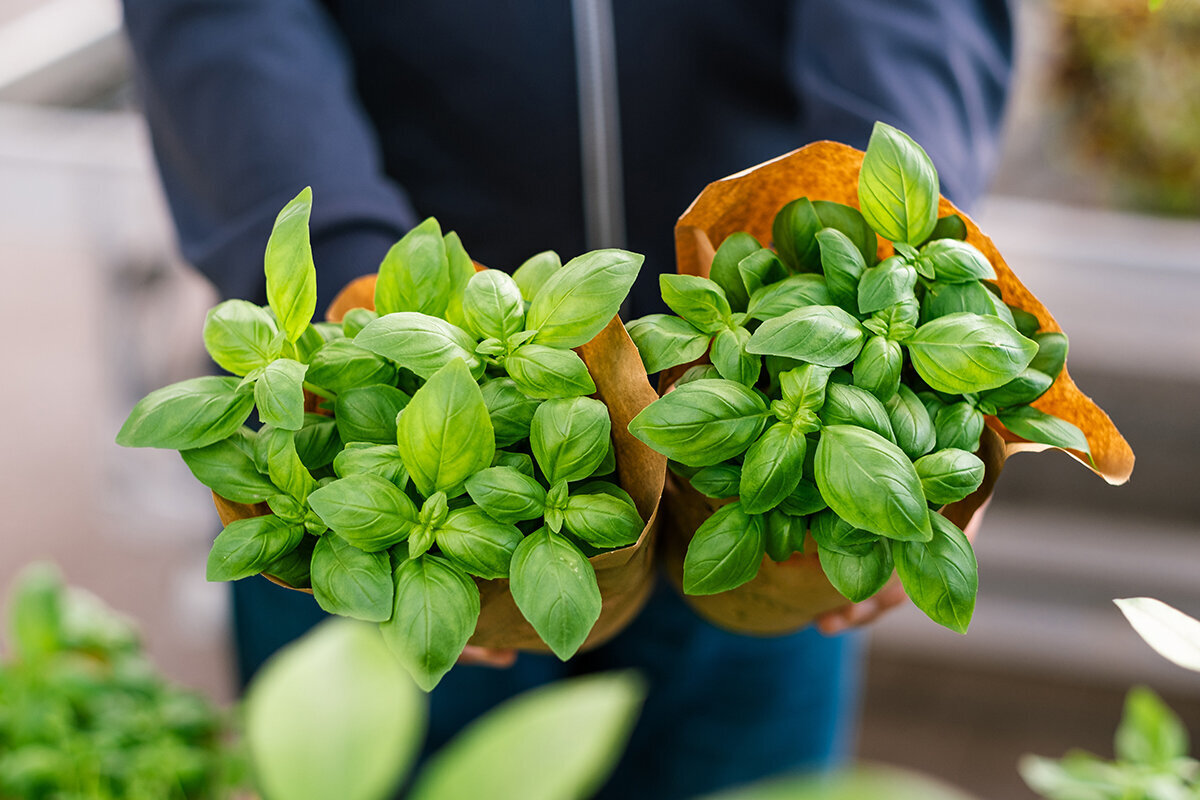
Bloomcabin UK • Greenhouse Growing Guide
How to Grow Basil in a Greenhouse: UK Planting, Care & Harvest Guide
Basil loves warmth but dislikes cold, wet stagnation – a combination that makes the greenhouse especially useful in the UK. The best results come from balancing useful heat with strong light, ventilation, even moisture and frequent harvesting.
In Britain, the greenhouse does not simply make basil warmer; it makes its short warm-weather window much easier to control.
The Royal Horticultural Society describes basil as tender in the UK and specifically notes that it performs well in a greenhouse. That protection matters because a sequence of cool nights can stall an otherwise healthy plant even when daytime weather feels summery.
The British challenge changes through the year. In April and May, the priority is enough warmth and light. In humid, cloudy periods the priority becomes airflow and keeping leaves dry. During a strong July heatwave, an unventilated glasshouse can become too hot within a surprisingly short time.
A good UK basil system therefore has five priorities: warm roots, the brightest practical position, morning watering, active ventilation and regular cutting above leaf nodes.
Greenhouse basil essentials
Light: 6+ hours direct sun
Temperature: roughly 21–32°C for strong growth
Growing medium: fertile and free draining
Moisture: even, never waterlogged
Main disease risk: downy mildew in humid conditions
01
01 — Protected growing
Why basil is particularly well suited to a UK greenhouse
Basil is a warm-season annual that can grow beautifully outdoors in a good British summer, but its season is vulnerable at both ends. Cold spring nights delay establishment, while autumn temperatures can end production quickly. A greenhouse gives the crop a protected period that is long enough for repeated cutting rather than one short flush.
The advantage is predictability rather than simply maximum temperature. Seedlings avoid cold rain and wind, watering can be directed to the compost, and foliage is not repeatedly soaked by showers. This is especially valuable in wetter western areas and during unsettled summers.
The greenhouse also makes succession sowing straightforward. Raise a small batch every few weeks, so younger plants are ready when older plants become woody or persistently try to flower. This produces better leaves than trying to keep one ageing plant productive indefinitely.
In southern England, overheating can become the main summer risk; in Scotland and exposed northern sites, maintaining useful warmth and light for longer may remain the larger advantage. The same crop therefore teaches the gardener to manage the actual site rather than follow one national schedule.
02 — Cultivar choice
The best basil varieties for greenhouse growing
Sweet or Genovese basil is the standard choice for pesto, tomato dishes and large aromatic leaves. Thai basil offers a firmer texture and anise character, while lemon basil contributes citrus notes. Compact Greek types work particularly well in containers where space is tight.
Downy mildew resistance deserves serious attention. The disease has become one of basil’s most important problems, and a resistant cultivar can provide a valuable extra layer of protection when combined with good hygiene and ventilation.
For a home greenhouse, a useful combination is one dependable Genovese cultivar for volume, one speciality cultivar for flavour and one compact plant for pots. The mix also reveals which type performs best in the greenhouse’s specific light and humidity.
Avoid assuming supermarket basil is one mature plant. Pots are usually crowded with many seedlings. Dividing them or potting sections into larger containers can greatly improve airflow and root volume.
03 — Seed to transplant
How to grow basil from seed in a UK greenhouse
Sow into clean seed compost in modules, trays or small pots. Keep the compost evenly moist and warm. Basil seed does not need to be buried deeply; a light covering is enough. Germination is usually quick when temperature is steady.
After emergence, light becomes critical. A warm but gloomy windowsill or greenhouse produces stretched seedlings. Give young plants the brightest safe position and avoid starting so early that there is not enough natural light to support compact growth.
Move plants to larger pots once they have several true leaves and a useful root system. Plant at roughly the same depth they were growing previously and water them in thoroughly, allowing excess moisture to drain.
Final spacing should prioritise air movement. Crowded plants create a humid canopy and stay wet longer after watering. A little extra space is generally better than squeezing in the maximum number of pots.
For continuous harvests, sow smaller batches in succession. In the UK this is especially useful because an early spring batch, a main summer batch and a late replacement batch face quite different light and temperature conditions.
04 — The glasshouse climate
Temperature and light: the two conditions basil cannot negotiate
Basil grows most strongly in warm conditions; roughly 21–32°C is a practical greenhouse range for active growth. The important point is to avoid prolonged chilling. A plant that repeatedly sits in cold conditions may stop growing long before obvious frost damage occurs.
Aim for at least six hours of direct sunlight where possible. British spring and autumn light can be limiting, particularly in shaded gardens and in the north. Clean glazing and careful siting matter more for basil than gardeners sometimes expect.
RHS greenhouse guidance stresses ventilation in warm weather. This is essential for basil too. On a sunny day the greenhouse temperature can climb far above outdoor air temperature; roof vents and doors should be opened before plants visibly wilt.
Humidity must be managed at the same time. Wet leaves and still air are a poor combination. Water in the morning, allow surfaces to dry and keep enough spacing for air to move through the canopy.
In a UK greenhouse, the goal is not tropical heat all day. It is a stable, bright growing environment: retain warmth during cool spells, release excess solar gain during hot spells and finish the day with dry foliage.
05 — Root-zone quality
Soil, containers and feeding basil
Basil needs a growing medium that holds useful moisture without becoming airless. In beds, mature compost can improve structure; in pots, use a quality peat-free or conventional potting compost that drains freely.
Give container plants more root room than a supermarket herb pot provides. Larger pots buffer both temperature and moisture, reducing the cycle of severe drying followed by heavy watering.
Because basil is harvested for leaves, steady nutrition supports regrowth after cutting. However, excessive feeding can produce very soft growth. A balanced feed used according to the compost and plant stage is preferable to frequent high-strength applications.
Permanent greenhouse beds should occasionally be tested or refreshed. Protected soil does not receive normal rainfall, so soluble salts can accumulate over several seasons.
06 — Moisture without disease
How often should you water basil in a greenhouse?
There is no reliable every-two-days rule. A small pot may need daily attention in a July heatwave but remain moist for several days in April. Check the root zone rather than the calendar.
Morning watering is the safest routine. Apply water to the compost rather than over the foliage, and let excess drain freely. This gives plants the day to use moisture and allows accidentally wet leaves to dry before the cool night period.
Ventilate after watering when humidity rises. Downy mildew is favoured by prolonged leaf wetness and high humidity, so irrigation technique is part of disease prevention rather than a separate task.
Large pots, mulched beds and drip irrigation can all make moisture more consistent. The aim is not dryness; basil dislikes repeated wilting too. The aim is steady moisture with oxygen still present around the roots.
A useful rule
Keep the roots evenly moist and the foliage as dry as practical. That one principle improves growth, water efficiency and disease management at the same time.
07 — Shape through harvest
How to prune basil so it becomes bushier
Do not build your harvest around removing the biggest bottom leaves one by one. Instead, cut a growing stem just above a healthy pair of leaves.
Two new shoots can develop from the leaf axils below the cut. Repeating this process turns one upright stem into a branching plant with far more harvest points.
Begin pinching while plants are young. Once established, harvest often but always leave enough healthy leaf area for rapid regrowth. Severe stripping slows recovery and makes the plant less useful.
Remove flower buds if leaf production is the priority. Flowering is not harmful and can feed pollinators, but the plant gradually shifts energy toward reproduction and away from producing the softest leaves.
08 — Companion greenhouse crops
Can basil and tomatoes grow together in a greenhouse?
Yes. Both enjoy warmth, bright light and consistent watering, so they fit naturally into the same protected space. Basil can use pot positions and bed edges beneath the taller tomato crop.
The main issue is light and airflow. A mature tomato canopy can shade basil heavily. If basil becomes pale, stretched or stays damp for long periods, move it toward the brighter edge of the bed.
Avoid treating companion planting claims as a substitute for practical crop management. The biggest benefits are efficient space use and similar climate preferences, not a guarantee that one plant will solve the other’s pest problems.
Drip irrigation works well for both crops. Where feeding differs, separate basil pots make nutrient management easier than forcing both crops to receive exactly the same solution.
09 — Diagnose before treating
The most common greenhouse basil problems
Yellow leaves
Possible causes include excessive water, nutrient imbalance, chilling or disease. Downy mildew often begins with pale or yellow areas, so inspect the underside before assuming the plant needs feed.
Basil downy mildew
This is one of the crop’s most serious diseases. Resistant cultivars, generous spacing, dry foliage and active ventilation are the foundation of prevention.
Wilting in wet compost
A wilted plant is not always thirsty. Saturated compost can deprive roots of oxygen. Check drainage and root condition before adding more water.
Leggy growth
Long internodes usually indicate insufficient light, crowding or delayed pruning. Improve light and begin cutting above leaf pairs to encourage branching.
Aphids, whitefly and mites
Inspect shoot tips and leaf undersides regularly. Small pest populations are far easier to manage than established infestations; quarantine new bought-in plants before placing them among clean crops.
10 — Extending the season
Can you grow basil in a greenhouse through a UK winter?
An unheated greenhouse is not a reliable winter environment for basil in Britain. Even when a sunny January afternoon feels pleasant under glass, night temperatures can fall close to outdoor levels.
For active winter growth, supplemental heat is generally required, and natural light may also be insufficient during the shortest days. Heating without enough light often produces soft, weak plants rather than productive basil.
For many home growers the efficient strategy is season extension rather than true year-round production: start early under warm conditions, grow strongly through summer, continue well into autumn and sow again toward the end of winter.
A heated greenhouse with efficient lighting can produce basil year-round, but the economics and energy use should be considered. The crop’s high warmth requirement means winter basil is fundamentally different from hardy salads and overwintering herbs.
11 — Cutting for regrowth
How and when to harvest greenhouse basil
Begin harvesting once plants are well established with several strong stems. Cut shoot tips above a leaf pair so the remaining buds create the next branching points.
Frequent moderate harvests are better than allowing plants to become enormous and then cutting them almost bare. Always leave enough foliage for photosynthesis and rapid recovery.
Harvest during a cooler part of the day when possible and handle leaves gently. Basil bruises easily. Use it fresh for maximum fragrance; freezing usually preserves a fresher character than prolonged air drying.
When an older plant becomes woody, flowers constantly or loses quality, replace it with a younger succession plant. A greenhouse makes this rotation easy because several crop ages can be maintained at the same time.
12 — A practical UK rhythm
A simple UK greenhouse basil calendar
Late winter to early spring: sow the first batch with reliable warmth and strong light; an unheated greenhouse is usually too cold for young plants.
Spring: pot on and move plants into the greenhouse as nights become reliably mild; begin pinching early.
Early summer: harvest frequently, sow the next batch and increase ventilation as solar gain rises.
High summer: manage heat and humidity, water at root level and inspect plants regularly for disease and pests.
Late summer to early autumn: keep cutting, establish replacement plants and remove declining or infected material promptly.
Autumn into winter: decide whether heat and light justify continuing; otherwise clean the greenhouse and plan the next sowing cycle.
Frequently asked questions
Greenhouse basil FAQ
What temperature is best for greenhouse basil?
Roughly 21–32°C is a useful active-growth range. Avoid prolonged chilling and ventilate before strong sunshine pushes temperatures excessively high.
How much sun does basil need?
Aim for at least six hours of direct sun. Supplemental lighting may be useful in dark winter conditions.
Should basil be grown in pots or beds?
Both work. Beds are more stable; pots provide flexibility but need closer watering.
Why is my basil turning yellow?
Overwatering, nutrient imbalance, cold stress and downy mildew are all possibilities. Inspect both sides of the leaf before treating.
How do I stop basil flowering?
Pinch flower buds early and harvest shoot tips regularly to keep plants branching.
Can basil share a greenhouse with tomatoes?
Yes, provided it still receives enough light and airflow beneath the taller tomato canopy.
Can an unheated greenhouse grow basil in winter?
Usually not actively through the whole British winter. Heat and often supplemental light are needed for reliable growth.
The Bloomcabin perspective
A small crop that teaches serious greenhouse skills
Basil is one of the best crops for learning greenhouse management because it responds quickly. Weak light, poor pruning and excess humidity become visible fast; good care produces compact plants, clean leaves and repeated harvests.
The same observations transfer directly to tomatoes, peppers, cucumbers and many other greenhouse crops. Learning to read basil is also learning to read the greenhouse itself.
A well-planned greenhouse gives you the framework: useful light, controllable ventilation, easy access to irrigation and enough space for crops at different stages. The gardener then turns that structure into a productive growing climate.
Explore Bloomcabin greenhousesSources & further reading
- Royal Horticultural Society – How to grow basil
- RHS – Growing vegetables in greenhouses
- Rutgers U.S. Basil Consortium – Growing Basil
- Cornell – Managing Basil Downy Mildew in the Greenhouse
- University of Minnesota Extension – Growing Basil
Growing conditions vary substantially across the UK. Use this guide as a greenhouse framework and adjust sowing dates, ventilation, shading, heating and watering to your region, site and greenhouse type.
