
How to Grow Peppers & Chillies in a Greenhouse | UK Guide
United Kingdom • Greenhouse Guide • Bloomcabin Journal
How to Grow Peppers & Chillies in a Greenhouse
A British greenhouse guide to sweet peppers, bell peppers and chillies: early sowing, summer ventilation, fruit set, pests, harvesting and season extension.
Why grow peppers under glass?
In Britain, a greenhouse turns peppers from a weather gamble into a much more dependable crop.
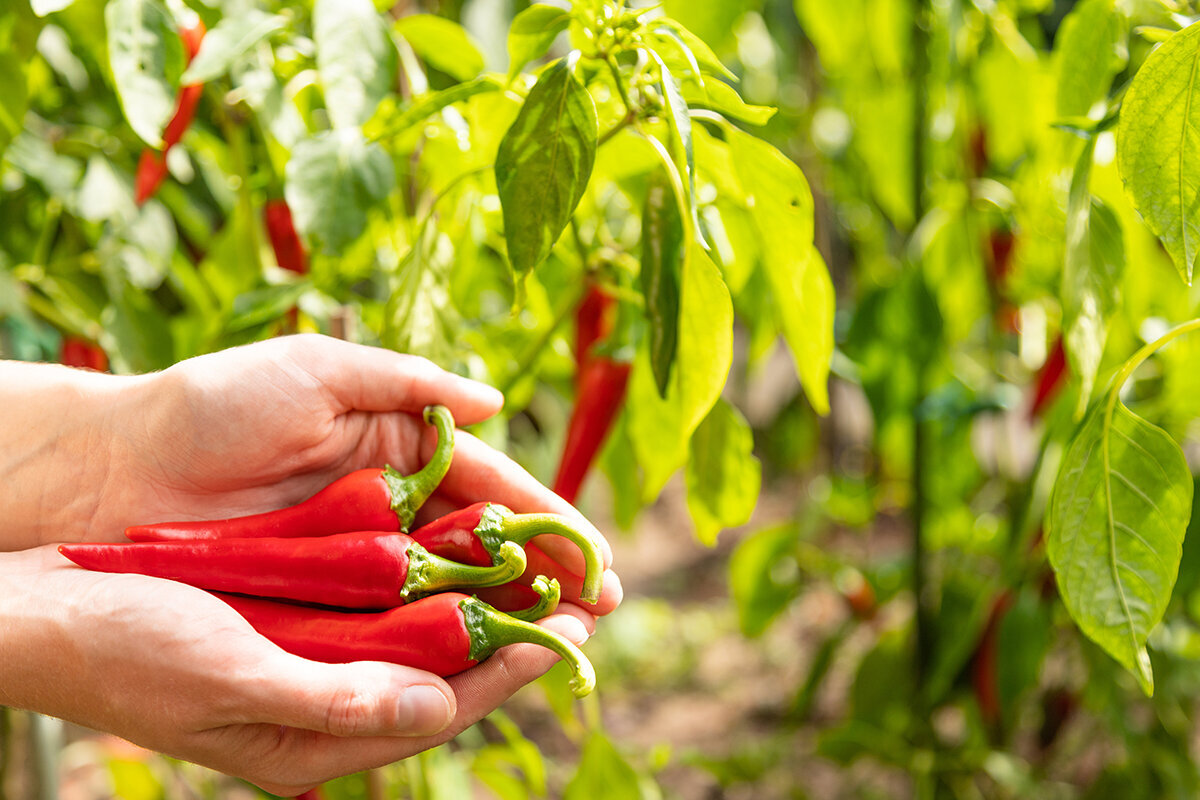
Peppers and chillies are tender crops that need sustained warmth, sunshine and time. That combination is not guaranteed outdoors in every British summer. Under glass, plants can establish earlier, stay warmer through cool nights and continue ripening later into autumn.
The RHS describes sweet peppers as crops usually grown under cover in the UK and recommends greenhouse or polytunnel conditions for the most reliable chilli harvests. That is a strong clue about how naturally the crop fits protected growing.
The challenge is not merely keeping peppers warm. British greenhouses can become very hot on sunny days and excessively humid during wet periods. The best crop therefore comes from balancing warmth, ventilation, steady water and enough space between plants.
Chapter 01
Choosing peppers and chillies for a British greenhouse
Sweet peppers and chillies are ideal protected crops in Britain because the outdoor season is often marginal for reliable ripening. Bell peppers need the longest runway: the plant must build a large fruit and then, if you want a red, yellow or orange harvest, hold that fruit long enough to finish colouring. Pointed peppers, mini sweets and smaller chillies usually finish more quickly.
The RHS notes that sweet peppers are generally best grown under cover in the UK, while chillies also crop most reliably in a greenhouse, polytunnel or sunny conservatory. That makes variety choice less about whether peppers can grow at all and more about matching fruit size and maturity time to your available greenhouse season.
For a first crop, combine one dependable sweet pepper with one medium-heat chilli such as jalapeño or serrano. Once you understand how your greenhouse behaves in May, July and September, you can add slower habaneros or larger fruiting types.
Compact chillies are particularly useful in small British greenhouses because they fit well into containers and staging. Larger sweet peppers deserve deeper pots, more root space and stronger support once fruit begins to load the branches.
Chapter 02
Sowing early without creating weak seedlings
British pepper success begins before the plants reach the greenhouse. RHS guidance recommends sowing chillies and sweet peppers in warmth from late winter to early spring. Chillies in particular benefit from an early start because many cultivars need a long growing season.
Germination needs warmth, but seedlings need bright light immediately afterwards. A heated propagator can make emergence much more reliable, yet keeping the young plants too warm on a dim windowsill produces stretched growth. Once seedlings emerge, aim for bright overhead light and a slightly cooler but still comfortable growing environment.
Pot young peppers on before roots become congested. Handle the root ball gently, because peppers dislike harsh transplant shock. The goal for greenhouse planting is a compact plant with a thick stem, healthy leaves and an actively growing root system.
For an unheated greenhouse, late May is often a practical transition point, though actual night temperature matters more than the calendar. RHS guidance notes that chillies can cope with around 12°C at night but perform better above about 15°C. A greenhouse thermometer is therefore essential.
Chapter 03
British greenhouse climate: warmth is useful until it becomes too much
Protected growing is valuable in Britain because peppers need warmth, sun and a long season. The RHS notes that sweet peppers and chillies can tolerate minimum night temperatures around 12°C but grow better above 15°C. That explains why a cold greenhouse can outperform the open garden, especially in northern Britain or during cool summers.
However, temperatures over about 30°C can reduce fruiting. This is the classic British greenhouse paradox: gardeners worry all spring about warmth, then suddenly need to remove heat in June or July. Open roof vents and doors early on sunny days rather than waiting for plants to wilt.
Regional differences matter. Southern England can have long hot spells in which shading and aggressive ventilation are useful. Scotland, northern England and exposed coastal gardens may gain more from the greenhouse's stored warmth and wind protection. In all cases, the actual greenhouse temperature should drive decisions.
Humidity is another British issue. Cool wet weather outside can translate into stagnant moisture inside. The RHS specifically warns that overcrowding chillies raises humidity and can encourage fruit rots such as botrytis. Space plants generously and keep air moving.
Chapter 04
Compost, feeding and watering for container-grown peppers
British greenhouse peppers are often grown in large pots or growing bags, although border soil works well too. Containers need free drainage and enough volume to buffer hot days. A small pot may be manageable in May and become a daily emergency in July.
Peppers need steady nutrition once flowering begins. RHS guidance recommends a high-potassium liquid feed for container peppers as flowering starts. The important word is steady: too much nitrogen encourages lush leaves at the expense of fruiting.
Water should be equally consistent. Flower buds may drop if the compost gets too dry, while chronic saturation reduces root oxygen. Check pots daily during hot spells, but always feel the compost rather than watering by routine alone.
Morning watering is practical because plants can use the moisture during the day and the greenhouse has time to dry before night. Mulching greenhouse borders or using larger containers also reduces rapid moisture fluctuations.
Chapter 05
Pollination, flower drop and fruit set
Pepper flowers are self-fertile, but successful fruit set still depends on a healthy flower and suitable temperature. Gentle air movement and insect activity can improve pollen transfer. In a closed greenhouse, tapping a support cane or gently shaking the plant can help when flowering is heavy.
If flowers are dropping, check temperature first. Excessive daytime heat, cold nights or very warm nights can all cause poor set. Then check the other common triggers: dry compost, excessive feeding, dense shade and a plant carrying too much fruit too early.
British growers should pay special attention during short heatwaves because glasshouses can rise above useful temperatures very quickly. Fruit set may pause even if the plants look healthy. Once the weather moderates, healthy plants often resume flowering.
Do not confuse a lot of foliage with a productive plant. A dark green pepper with huge leaves and little fruit may simply be overfed with nitrogen or standing in too much shade.
Chapter 06
Spacing, support and sharing the greenhouse
Peppers need more room than they appear to need at planting time. By midsummer a bell pepper can form a wide, brittle framework carrying heavy fruit. Give enough space for light to reach inner leaves and for air to pass through the canopy.
Support is worthwhile. Canes, strings or cages prevent loaded branches from breaking and keep fruit clear of damp soil. RHS guidance notes that larger chilli plants may need several canes because the stems can be brittle.
Tomatoes and peppers are natural greenhouse companions because both enjoy warmth and strong light. Keep peppers out of deep tomato shade, though, and remember that both crops share pests and diseases.
Cucumbers can also share the greenhouse, but humidity becomes more difficult to manage. The best solution is zoning: use the brightest, airiest position for peppers and place the more humidity-tolerant crop where its dense foliage will not trap moisture around the Capsicum canopy.
Chapter 07
Problems to watch for under glass
Aphids are one of the classic greenhouse pepper pests. Check shoot tips and leaf undersides frequently because a small colony is much easier to control than a population spread through every plant. Whitefly, thrips and mites can also become persistent under cover.
Blossom-end rot appears as a dark sunken patch on the fruit end and is usually linked to uneven calcium movement within the plant, often triggered by inconsistent moisture. Stable watering is the main preventive strategy.
Grey mould and fruit rots become more likely when plants are crowded and humidity remains high. This is why ventilation and spacing are disease-management tools, not just temperature tools.
Sunscald can occur even in Britain during strong greenhouse sunshine, especially if pruning suddenly exposes fruit. Keep enough foliage to shade developing peppers and avoid drastic defoliation before a hot spell.
Chapter 08
Harvesting coloured peppers and overwintering favourite chillies
Green sweet peppers can be harvested before full ripeness, while leaving them on the plant allows them to turn red, yellow, orange or another mature colour. Fully ripened peppers are often sweeter, but they occupy the plant for longer and can reduce the speed of later fruit production.
Chillies can be harvested green or mature depending on flavour preference. RHS guidance notes that early picking can maximise total crop, while leaving fruits to colour produces richer flavour and, in many cultivars, greater heat.
A greenhouse lets British growers keep harvesting well into autumn. As daylight declines, reduce watering to match slower growth and prioritise ripening the best remaining fruits.
Favourite chilli plants can be overwintered frost-free. Reduce watering, remove pests carefully and provide as much light as possible. It is often easier to overwinter compact chillies than large sweet peppers, but both are biologically capable of living beyond one season.
Season calendar — United Kingdom
A month-by-month pepper rhythm for the UK greenhouse
January–February
Start slow hot chillies under strong grow lights if you want maximum season length. Sweet peppers can usually wait a little longer.
Keep germination warm, but move seedlings into strong light immediately after emergence.
March–April
Main sowing and potting-on period. Avoid letting plants become root-bound before greenhouse conditions are ready.
Use warm days for acclimatisation but keep plants away from cold greenhouse nights.
May–June
Move into the unheated greenhouse once nights are suitable. Space plants properly from the beginning and install supports.
Begin feeding as flowering starts and ventilate proactively on bright days.
July–August
Watch for heat spikes, aphids, whitefly and grey mould. Check containers daily in hot weather.
Harvest regularly. Decide whether to pick sweet peppers green for turnover or allow selected fruit to colour fully.
September–October
Reduce watering as light levels fall and use greenhouse warmth to finish existing fruits.
Remove tiny late flowers if they are unlikely to mature. Keep ventilation going on mild days to reduce humidity.
November–December
Clear spent plants and sanitise supports. Overwinter only healthy favourite chillies with good light and pest control.
Review which cultivars actually ripened well in your region; that is the best guide for next year's seed order.
Local depth — United Kingdom
UK season strategy: getting peppers through a cool spring, variable summer and long autumn finish
01
Spring: warmth matters more than the date
A bright April greenhouse can feel convincing while night temperatures remain too low for active pepper growth. Young plants held cold and wet often pause for weeks. Keep them indoors, in a heated propagating area or in movable pots until minimum temperatures are consistently suitable.
In northern England, Scotland and exposed sites, that may mean a later greenhouse move than in London or the South East. A strong plant moved later often overtakes a stressed early transplant.
02
Summer: the British greenhouse can still become too hot
Even in a moderate outdoor climate, a small greenhouse can exceed 30°C rapidly under clear sun. Automatic vents are valuable, but doors may still need opening during hot spells to create real cross-ventilation.
Do not wait for obvious wilting. By then flowers may already be under heat stress. Pepper fruit set is often better when ventilation is proactive rather than reactive.
03
Humidity after rain is a hidden British challenge
Long wet spells can keep relative humidity high even with some ventilation. Dense pepper and tomato foliage then creates a damp interior canopy where botrytis and sap-feeding pests become harder to manage.
Space plants properly, water the root zone in the morning and keep the greenhouse tidy. Removing dead leaves and fallen petals is especially useful later in summer when cool nights return.
04
Autumn is where the greenhouse earns its keep
British outdoor peppers often run out of time just as fruits are sizing or changing colour. Under glass, September warmth can add several useful weeks. Protect that advantage by reducing watering as light falls and keeping the canopy healthy.
Prioritise mature-sized fruits. Very late flowers are unlikely to produce worthwhile peppers and can be removed so the plant focuses on existing crop.
05
Overwintering chillies is possible, but pest management is critical
Compact chilli plants can be kept frost-free through winter if they receive reasonable light. Reduce watering sharply because growth slows.
Before bringing plants into a warmer protected area, inspect for aphids, whitefly and mites. Overwintering a pest infestation is much easier than overwintering a healthy pepper, so cleanliness matters.
FAQ
Greenhouse pepper & chilli FAQ
When should I sow peppers in the UK?
Late winter to early spring. Chillies and slow sweet peppers benefit from the earliest start if you can provide warmth and strong light.
Can peppers grow in an unheated greenhouse?
Yes. Once nights are reliably mild, an unheated greenhouse is ideal for summer production in much of the UK.
What temperature is too hot?
RHS guidance notes that temperatures above about 30°C can reduce fruiting, so ventilation and shading matter during hot spells.
Do chillies need pinching out?
Usually not. RHS notes that chillies naturally branch, although pinching can be used to create more smaller fruits and may delay cropping.
Can peppers share a greenhouse with tomatoes?
Yes, provided peppers receive enough light and airflow. The two crops do share several pests and diseases.
Final thought
Peppers are one of the best reasons to own a greenhouse in the UK
Few crops demonstrate season extension as clearly. Under glass, peppers start earlier, experience fewer cold setbacks and have more time to ripen into full colour.
The best pepper greenhouse is not the hottest one. It is the one you can ventilate, water and work in comfortably throughout the season.
Explore Bloomcabin UKSources & Further Reading
- Oregon State University Extension — Grow your own peppers
- University of Minnesota Extension — Growing peppers
- UMass Extension — Pepper fact sheet
- University of Maryland Extension — Poor blossom and fruit set
- Royal Horticultural Society — How to grow sweet peppers
- Royal Horticultural Society — How to grow chilli peppers
- RHS — Greenhouse growing and planting out tender crops
Exact sowing, planting and harvest timing varies with UK region, greenhouse exposure, cultivar and year-to-year weather. Use greenhouse temperatures rather than calendar dates alone.
