
Is a Greenhouse Worth Buying for a Shaded Garden?
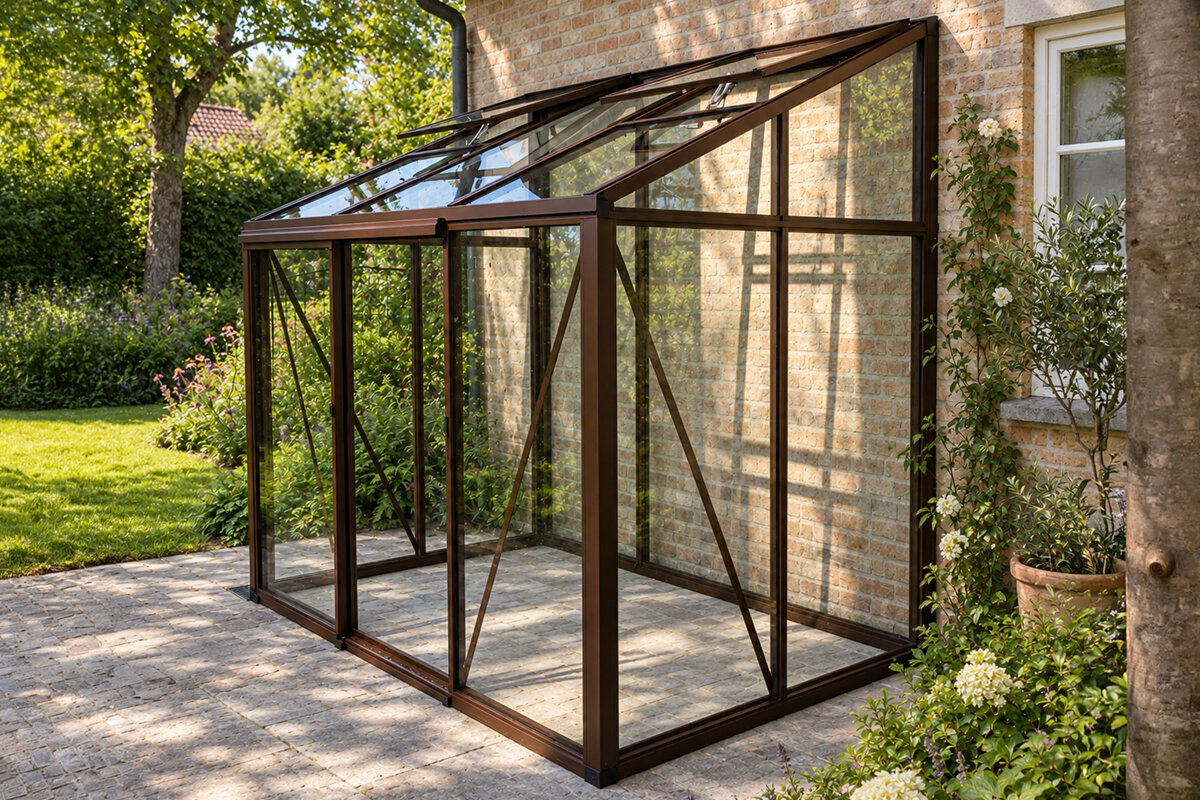
Greenhouse site assessment
A shaded garden can still make room for a greenhouse with a clear purpose.
A greenhouse in a shaded garden is not automatically a poor purchase. The worthwhile choice depends on when light reaches the site, how deeply surrounding features shade it, and whether your intended crops suit a calmer, cooler growing environment.
Quick verdict for a shaded plot
A greenhouse can be worth buying in part shade when it receives dependable daylight and has a realistic job: protected propagation, leafy crops, herbs, overwintering tender plants or an enjoyable place to work among plants. The strongest prospects are sites with open sky above and regular light during the growing season.
It is less convincing where buildings, dense evergreens or high walls block daylight for most of the day and throughout the year. In that setting, a greenhouse may remain pleasant but its productive range narrows. Map the light first, then choose a size and position that serves the garden you actually have.
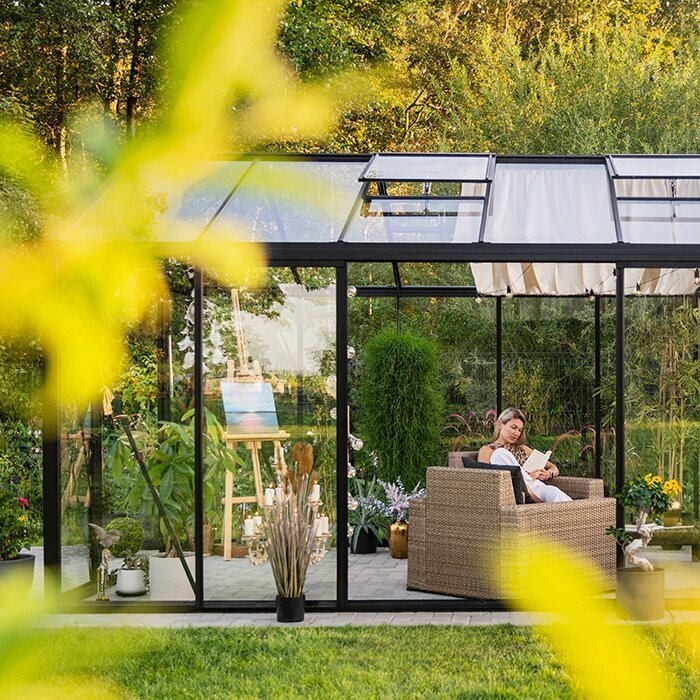
01
Usually promising
Bright part shade with an open aspect can support flexible, lower-light greenhouse uses, especially when direct light arrives early or around the middle of the day.
02
Proceed carefully
Intermittent shade from deciduous trees changes dramatically between seasons and brings practical issues, including falling debris, roots and restricted working space.
03
Often unsuitable
Permanent, dense shade beside tall structures or evergreen screening limits warming, slows drying and may make ambitious fruiting-crop plans disappointing.
Assess light before choosing the structure, position and planting plan.
Shade is rarely uniform. A plot that appears gloomy from the house may receive useful morning light, a bright interval around midday, or a surprisingly open patch once the summer sun is higher. Conversely, a site bright in late spring can be heavily overshadowed during the low-light months. Looking across the seasons is more informative than judging one afternoon.
The question is not simply whether a greenhouse needs full sun. It is whether the available light supports the way you want to use it. Raising hardy seedlings, sheltering shade-tolerant edibles and enjoying a garden workspace ask less of the site than growing heat-loving fruit through a British summer. Expectations should shape the purchase, not the other way round.
Before comparing styles, inspect the garden’s light, access, ground and nearby vegetation. A well-chosen greenhouse can make a partly shaded garden more usable, but it cannot turn persistent deep shade into a suntrap. This report helps you decide whether to proceed, adjust the brief, or reserve the space for another garden feature.
Inspection 01 · Inspection one
Read the light before you buy
Start with observation rather than assumptions. On a clear day, note when direct light reaches each candidate area, when it leaves, and what causes the shade. Repeat this in a different season if possible. A neighbouring roof, mature conifer and garden wall create different patterns, so the source of shade matters as much as the apparent number of bright hours.
Also look upwards. A position can have no direct sun for part of the day yet still receive broad, usable daylight from an open sky. By contrast, a narrow strip between fences or walls may feel bright at ground level while offering little sky exposure. Photographing the same view at intervals can make subtle obstructions much easier to identify. Keep a short light diary rather than relying on a single impression. Note cloud cover as well as direct sun, since an open site can remain useful on bright overcast days.
- Mark candidate positions at breakfast, midday and late afternoon, recording both direct light and the direction of shadows.
- Check winter as well as summer conditions, because lower sun angles can reveal obstruction hidden by leafy seasonal growth.
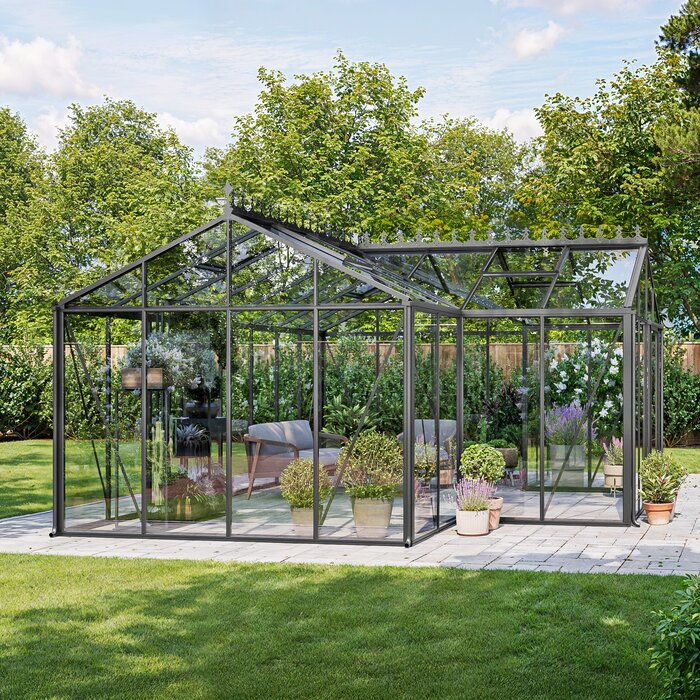
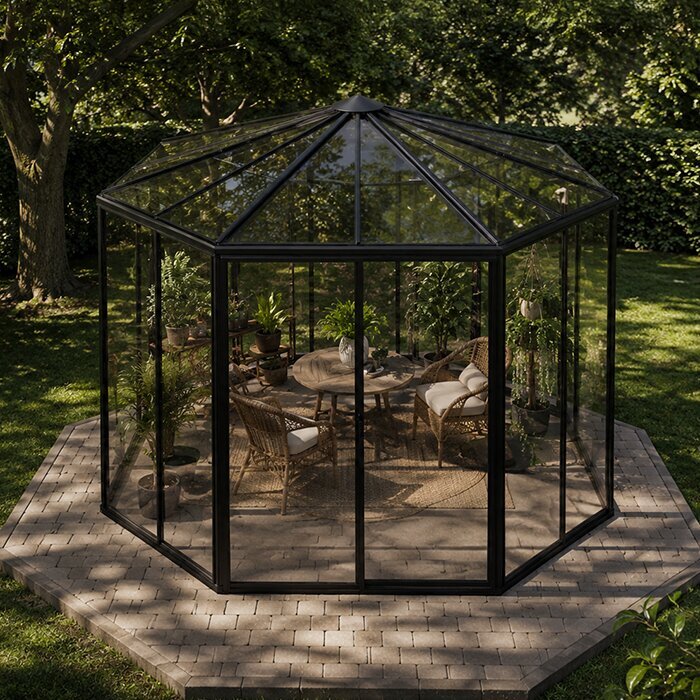
For a freestanding starting point, consider a standard Classic greenhouse where the garden offers the clearest all-round sky view.
Inspection 02 · Inspection two
Separate part shade from deep shade
Part shade is not a fixed measurement; it describes a changing balance of direct sun and diffuse daylight. A greenhouse in a bright, open garden that is shaded for part of the afternoon can behave very differently from one that sits beneath an evergreen canopy. The first may stay serviceable for many crops, while the second is likely to remain cool and damp for longer.
Deep shade deserves an honest appraisal. If direct light seldom reaches the proposed footprint and the surrounding surfaces are close, glass alone will not create the energy that plants need. It may still be useful for storing tools, displaying plants or taking shelter while gardening, but that is a different purchasing decision from planning a highly productive growing space.
- Treat shade cast by deciduous trees differently from year-round shade created by dense hedging, buildings or evergreen foliage.
- Notice whether rainwater and morning moisture linger; slow drying is a practical clue that the site receives limited warming sunlight.
Against a sound existing wall, a full-size regular Lean-To greenhouse can suit a bright sheltered edge, provided the wall does not dominate the light.
Inspection 03 · Inspection three
Choose the brightest workable position
The best location is often a compromise between light, convenience and the shape of the garden. Prioritise the clearest available area, but do not choose an isolated corner that makes watering, checking plants and bringing in compost tiresome. A greenhouse that is easy to reach is more likely to be ventilated, kept tidy and used throughout the year.
Avoid placing the structure directly where the garden’s longest shadow settles. Look for a position that receives light before strong afternoon obstruction develops, or one set out from a fence line so daylight can reach the sides. Leave enough circulation space around it for cleaning, maintenance and access to nearby planting without creating another shaded pinch point. If two positions seem similar, favour the one with clearer access to the open garden. It is easier to manage plants when doors, vents and glazing are not hemmed in.
- Walk the route from house to proposed site carrying a watering can; awkward access can undermine an otherwise attractive position.
- Keep clearance from hedges and boundaries where possible, allowing air movement and practical access around the greenhouse exterior.
A standard Classic greenhouse for open positions gives you freedom to orient a freestanding structure around the garden’s best light.
Inspection 04 · Inspection four
Use walls without losing daylight
A wall can offer shelter, retained warmth and a convenient location close to the house, but it can also become the reason a greenhouse feels dim. Study which way the wall faces and whether it is shaded by eaves, adjacent buildings or climbing plants. The brightest wall is not automatically useful if its surroundings confine the roofline or block the low sun.
Wall-adjacent growing works best when the glazed face looks towards open garden rather than into a tight passage. Consider reflected light from pale paving or masonry as a modest bonus, not a substitute for daylight. Check downpipes, drainage, opening doors and the route for cleaning glass; a constrained service area can make an apparently neat solution harder to live with.
- Observe the wall’s shadow length in the cooler months, when low sun may leave a narrow garden strip shaded for much longer.
- Check that nearby doors, gutters and climbing plants will not obstruct access, cast extra shade or complicate routine cleaning.
Where a brighter house wall is available, explore a full-size regular Lean-To greenhouse for wall-side growing with its glazed side facing the open garden.
Inspection 05 · Inspection five
Match crops to the available light
Crop selection is where a shaded-garden greenhouse becomes either satisfying or frustrating. Salad leaves, many herbs, young plants and foliage-focused displays can make good use of bright, indirect conditions. They still need attentive watering and airflow, but they do not depend on the prolonged warmth sought by tomatoes, peppers and other fruiting crops. Plan a mix that suits the site rather than chasing a catalogue-perfect harvest.
Light affects timing as well as crop choice. Seedlings may grow more slowly in a dim period, so sowing dates and potting-on plans need flexibility. Use the greenhouse as part of the garden’s wider system: start suitable plants under cover, move them to brighter outdoor beds when conditions improve, and reserve protected space for those that genuinely benefit from it. Use a hygrometer alongside a thermometer if dampness seems persistent. Recording both readings after watering and overnight can reveal whether ventilation habits need adjustment for the particular site.
- Build the first season around leafy crops, herbs and propagation, then expand only after observing how the greenhouse performs.
- Place taller plants so they do not shade smaller trays, especially when the site already receives limited directional light.
For flexible bench layouts and mixed planting, a standard Classic greenhouse for part-shade crops can support a measured first-season trial.
Inspection 06 · Inspection six
Manage moisture, temperature and airflow
Shade changes the daily rhythm inside a greenhouse. It may reduce overheating on bright summer days, yet it can also leave surfaces damp after rain or overnight condensation. Ventilation and sensible spacing are therefore central, not optional finishing details. Open when conditions allow, avoid packing plants tightly together, and remove spent leaves promptly so humid corners do not become the default environment.
Do not assume a shaded greenhouse will be cold at every moment. Solar gain can still be noticeable when direct light arrives, particularly in a sheltered spot. The aim is responsive management: monitor how conditions feel at different times, shade only when genuinely necessary, and protect vulnerable plants according to the forecast. A thermometer can help turn impressions into better routines.
- Create clear gaps between pots and trays so air can circulate around foliage and damp surfaces can dry more readily.
- Review ventilation after watering, rainfall and warm spells instead of relying on one routine for every changing weather pattern.
A full-size regular Lean-To greenhouse near daily access can make quick ventilation checks easier when the garden’s moisture levels vary.
Inspection 07 · Inspection seven
Look beyond the glass footprint
Trees and shrubs near a greenhouse bring more than shade. Their roots may compete for moisture, branches can drop leaves and twigs, and a future growth spurt can alter the site entirely. Consider the maintenance burden from the outset. Keeping glazing clear matters more where daylight is already limited, and a position beneath constant debris may demand attention that outweighs the convenience of its shelter.
Ground conditions deserve equal attention. Check for a level, stable area, a sensible route for water and enough room to work without trampling borders. Think about where rain runs after heavy weather and whether nearby hard landscaping reflects glare or channels puddles. A thoughtful base and surrounding path make ordinary gardening safer, cleaner and more enjoyable in every season. A visit at different times of day can also test how the proposed position feels in practice. Consider carrying pots, opening doors and reaching the glazing before making a final choice.
- Assess nearby trees at their mature spread, not merely their present size, and consider who will maintain overhanging growth.
- Plan a firm approach and clear drainage route so wet shade does not turn routine greenhouse visits into muddy work.
In a garden with a clear central plot, a standard Classic greenhouse away from trees helps preserve light and simplifies seasonal cleaning.
Inspection 08 · Inspection eight
Decide whether the purchase fits
A greenhouse is worth buying when its proposed role aligns with the site and your gardening habits. It need not produce every sun-loving crop to earn its place. If it extends your propagation season, gives cherished plants sheltered space during unsettled weather, supports useful low-light crops and gives you a pleasant reason to be outside, it can be a thoughtful addition to a partly shaded garden.
Pause before committing when the only available site is permanently dark, hard to access or dependent on removing healthy mature planting that you value. Consider whether a smaller growing area, raised beds in the brightest patch, or a different garden project would serve you better. Request current product information and assess the chosen configuration against your measured site, base and access needs.
- Write a short success brief before purchasing: preferred crops, seasonal use, access needs and the minimum light conditions you observed.
- Ask your local authority about any relevant requirements and check boundary, installation and insurance questions with the appropriate professionals.
If the house-side site passes your inspection, a full-size regular Lean-To greenhouse for a sheltered garden may offer a practical, close-to-home growing space.
Comparison
Shade suitability: practical site comparison
Use this comparison to distinguish a workable compromise from a position likely to limit enjoyment. It is a decision aid, not a promise of crop performance: actual results depend on weather, maintenance, planting choices and the particular surroundings of your garden.
| Site condition | What it can support | Main concern |
|---|---|---|
| Open garden with afternoon shade | Propagation, herbs and leafy crops | Monitor warmth during shorter bright periods |
| Bright wall-side position | Convenient protected growing and seasonal displays | Confirm wall orientation and open-sky exposure |
| Deciduous tree nearby | Flexible use outside leaf-heavy months | Debris, roots and changing summer shade |
| Narrow space between structures | Occasional sheltered plant care | Restricted daylight, access and air movement |
| Dense evergreen or building shade | Limited non-growing use only | Persistent dimness and slow surface drying |
A five-step shaded garden assessment
Complete this small survey before choosing a model or finalising a base. It focuses on the practical evidence that affects whether a greenhouse will earn regular use in a garden where direct sun is limited.
01
Map the daylight
Mark the proposed footprint and record light at several points through a clear day. Include the cause of every shadow, not just its duration.
02
Review the seasons
Return to the site in another season, or use photographs and observation to understand how leaf cover and lower sun angles alter conditions.
03
Set a realistic growing brief
List the plants and tasks you expect to prioritise. Separate shade-tolerant uses from ambitions that depend on prolonged warmth and strong direct light.
04
Test the practical route
Check access from the house, water source, compost storage and working area. Confirm that doors, paths and surrounding beds will remain comfortable to use.
05
Choose after measuring
Compare the clearest viable position with the greenhouse style that fits it. Seek current technical details and professional advice where ground or installation questions arise.
Pre-purchase checklist for shaded gardens
Use this checklist to turn a general impression of shade into a clear brief for your greenhouse decision. Tick each point only after viewing the intended site rather than relying on memory.
01. I have observed direct and indirect light across the proposed site at more than one time of day.
02. I know whether the main shade comes from buildings, evergreen planting, deciduous trees, fences or my own house.
03. I have considered lower winter sun and summer leaf cover, rather than judging the site in one season.
04. I have selected crops and tasks that genuinely suit the garden’s likely light and temperature pattern.
05. I have checked clearance for cleaning, ventilation, paths, doors and access around the completed greenhouse.
06. I have assessed drainage, ground stability and the effect of surrounding roots, overhanging branches and falling debris.
07. I have considered whether a wall-side or freestanding position offers the more open and convenient growing environment.
08. I will check relevant local authority guidance, installation requirements and insurer expectations before work begins.
Questions British homeowners often ask
Can a greenhouse work with no direct sun?
It can still function as a sheltered space for certain plants, storage-related gardening tasks or display, but its growing potential will be limited. Without direct sun, expect less warming and slower growth. Assess whether those reduced uses justify the space and effort, rather than buying for heat-loving crops that the location cannot realistically support.
Is morning sun better than late-day sun for a shaded greenhouse?
Either can be useful, but regular morning sun often helps remove overnight damp and begins warming earlier. Late-day light may still support plants, especially in an otherwise open site. What matters most is the reliability of the pattern, the amount of open sky and whether the proposed crops fit the resulting conditions.
Will a greenhouse make a dark corner brighter?
Glazing can create a protected environment, but it does not generate daylight. In a genuinely dark corner, the interior may still be dim and slow to dry. Before deciding, compare that corner with a slightly less obvious location that receives better sky exposure; a modest shift can make a meaningful practical difference.
What grows well in a partly shaded greenhouse?
Start with leafy salads, herbs chosen for gentler light, young plants and foliage-led displays. Their suitability still varies with season and local conditions, so observe results rather than assuming any list will suit every site. Fruiting crops may be possible in favourable periods, but they usually make greater demands on warmth and light.
Should I cut back trees to improve the light?
Only make changes that are appropriate for the tree, the garden and any relevant local considerations. Professional arboricultural advice can be sensible for mature trees or work near boundaries. First establish how much extra light careful pruning would actually create; removing valued planting may not solve a fundamentally unsuitable position.
Do I need permission for a greenhouse in my garden?
Requirements can depend on the property, dimensions, location, boundaries, conservation considerations and other circumstances. Do not assume one garden’s outcome applies to another. Check current guidance with the relevant local authority before proceeding, and clarify any ownership, covenant or insurer questions that could affect your installation.
Plan from the light you have
A clear-eyed decision brings better growing
For a greenhouse in a shaded garden, the right answer comes from observation rather than optimism. Bright part shade, an open sky and a purpose built around suitable plants can create a rewarding garden room. The key is choosing the clearest practical position and accepting that its strengths may differ from those of a fully exposed plot.
Take your light notes, growing list and access measurements into the selection process. Bloomcabin can help you explore greenhouse styles that suit your preferred layout, while you retain the final judgement on site conditions, current product details and any local checks needed before installation.
Compare your brightest workable positions, then choose a greenhouse with a role that fits your garden.
