
Low-E Glass Explained: Coatings and Supplier Questions
UK window and door buying guide
Replacing windows during a refurbishment often involves more than choosing a frame colour and an opening style. Access for removal, the sequence of plastering and decorating, external shading, furniture positions and the way each room is used all affect the right glazing brief. Low-E glass is frequently included in a quotation, yet the phrase alone does not tell you how a particular window or door will handle heat, daylight or solar gain. The useful question is not simply whether the glass is Low-E, but which complete glazing unit is proposed for each opening and why. Start by making an opening-by-opening schedule, then ask suppliers to state the glass build-up, the reported values and any alternatives. That makes it easier to compare quotations before dimensions, sightlines, decorative bars and installation details are fixed.
Begin with the opening schedule, not the coating name
A glazing decision is easier when every opening has a clear job. List the room, dimensions, orientation, whether it opens, nearby obstructions and the concern that prompted replacement. A large fixed living-room window facing a garden may be primarily about view and daylight. A kitchen window above a worktop may be more about convenient ventilation and cleaning access. A patio door needs to work with circulation, threshold details and the usable space outside. These differences change the glass area, sash proportions and exposure to sun. They can also justify asking for different glazing options rather than accepting one generic description across a whole house. Record existing issues too, such as afternoon glare, a cold-feeling seating area or fading near a bright opening.
Treat the schedule as the document that connects design to the quotation. For a room that needs a broad uninterrupted view, a fixed window without an opening sash may have a different glass-to-frame balance from an adjacent opening window. That does not automatically make either choice better; it gives the supplier a reason to identify the exact glass proposed in each. Mark external features that may affect the experience of sunlight, including overhangs, trees, blinds and neighbouring buildings. Also note access constraints for survey and installation, especially on upper floors or where internal finishes are being retained. A supplier can then respond to an actual project brief rather than to the isolated request for “Low-E glass”.
What low emissivity means in glass
Emissivity describes how readily a surface emits radiant heat. Low-E, short for low emissivity, refers to a microscopically thin coating designed to alter that radiative exchange. In a sealed multiple-pane glazing unit, the coating is generally placed on a protected internal-facing surface, rather than a surface exposed to weather or routine cleaning. Its role is therefore part of the glass unit’s overall thermal behaviour. It is not a tint, a film applied after installation, or a guarantee that every window carrying the label will have the same result. The panes, cavity arrangement, spacer, any specified gas filling, frame, edge detail and installed size all contribute to the performance of the finished product.
It helps to separate two questions that are often combined. One is how the assembly resists heat flow between indoors and outdoors. The other is how much energy from sunshine enters the room. A Low-E coating can influence both, but coatings are not all intended to strike the same balance. A room with strong low-angle afternoon sun may lead you to discuss solar control, while a dim room with little direct sun may make daylight admission a higher priority. Ask the supplier to explain the proposed choice in plain language: what is it intended to do, what trade-off does it introduce, and what alternative would they suggest if the room’s priority changed?
Soft coat, hard coat and coating position
Suppliers may refer to soft-coat and hard-coat Low-E glass. These terms describe broad families of coating technology, not a shortcut to a final buying decision. Coatings may differ in their thermal and solar behaviour, visual appearance and the way they are incorporated into a glazing unit. The protected surface on which a coating sits also matters because glass surfaces are counted from outside to inside across the assembly. A meaningful specification should identify the actual glass make-up and the relevant coating surface, rather than merely stating “Low-E double glazing”. If the quotation is unclear, ask for a written glazing schedule for every window and door type before you approve the order.
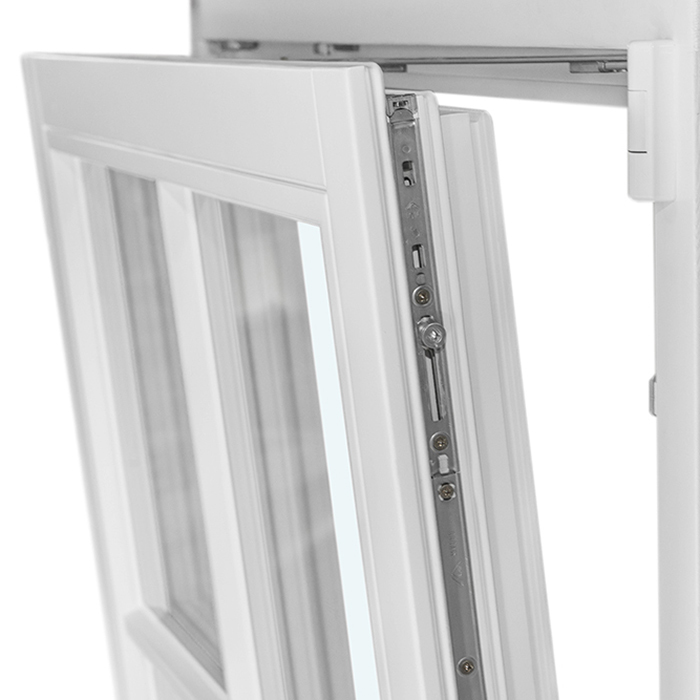
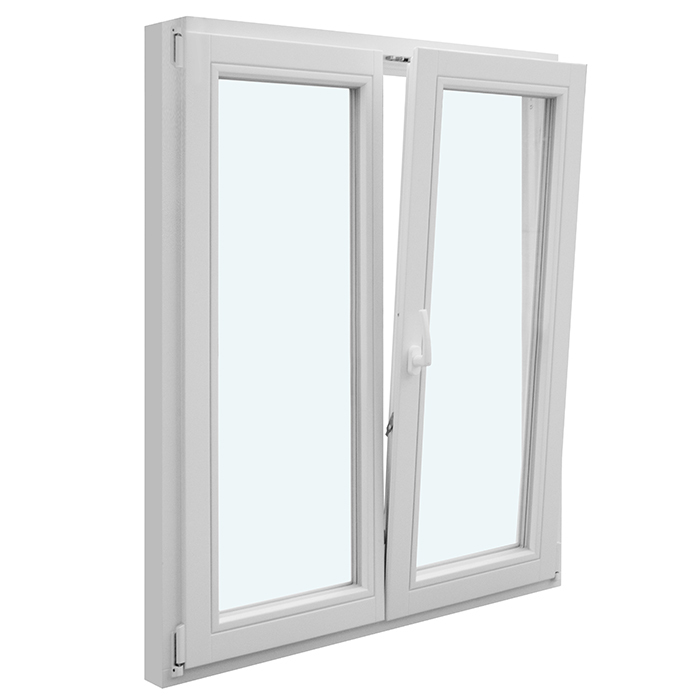
Do not assume that a product label reveals the glazing package. An single-sash inward-opening window describes an opening configuration, not unseen pane thicknesses, coating type or performance values. The same principle applies to a door set, roof window or shaped fixed light. Ask whether every unit uses one package or whether larger panes, safety-related requirements, decorative details or exposure produce variations. Where a supplier offers an alternative, request both schedules in the same format. You should be able to see which panes, coatings and cavities change, then compare the reported outcomes rather than trying to interpret marketing terms. A drawing annotated with the glass reference is particularly helpful at final order review.
Read thermal values in the right scope
A thermal value is only useful when its scope is stated. Glass-only information describes the centre portion of the glazing, while a value for a complete window or door assembly also reflects frame and edge effects. Neither should be casually substituted for the other. Ask what is being measured, which unit it applies to and whether the stated result relates to the actual proposed dimensions. A small opening, a large glazed door and a multi-sash arrangement can have differing proportions of glass and frame. Comparing one quotation’s glass figure with another quotation’s whole-unit figure does not give a sound basis for a decision.
Request a consistent table for the configurations you are genuinely considering: reference, overall dimensions, opening arrangement, glazing make-up and the stated thermal value with its basis. For a side-sliding patio door, also ask whether the information applies to the complete sliding-door configuration rather than to a separate pane of glass. This is not an exercise in chasing a single number. It lets you see whether an apparent improvement comes from glass, frame, configuration or a changed comparison basis. If a number is provisional because sizes have not been surveyed, ask what will be checked after measurement and which document will record the confirmed specification.
Solar gain, glare and visible light are separate choices
Solar heat gain describes the portion of solar energy that enters through glazing; visible light transmission concerns daylight reaching the room. A coating selected to reduce solar gain can affect the amount and character of light, although the outcome depends on the complete glass package. This is why broad statements such as “better glass” are not enough for a bright room. Think through the room at the difficult time of day. Is the main problem dazzling reflections on a screen, overheating near a sofa, loss of privacy when lights are on, or simply a preference for gentler light? Each may lead to a different conversation, and some may be better addressed with shading or layout rather than glazing alone.
Orientation is a useful starting point, not a complete answer. A south-facing room may be shaded by a deep overhang, whereas a west-facing room can receive troublesome lower sun under an overhang. A neighbouring reflective façade can also change the experience. For a broad opening such as outward-opening bifold doors, ask for the visible-light and solar-gain information for the proposed door glazing, then consider the practical shading plan when the doors are closed. Compare samples outdoors where possible, because indoor showroom lighting is a poor guide to subtle reflection or colour. Keep your chosen priority in the order notes so it is not lost when finishes are confirmed.
Appearance should be reviewed as carefully as performance
Low-E coatings can have an effect on reflectance or colour rendition that becomes more noticeable in certain light, particularly when comparing a new unit beside retained glazing. The effect may be modest, but it matters on a prominent façade, a long run of doors or a project where only part of the property is being upgraded. Ask to see a representative sample and ask which side of the unit its appearance is intended to resemble. If you are matching an existing window, take photographs in daylight and explain what must remain visually consistent. A sample cannot reproduce every surrounding condition, but it is more informative than choosing from a coating description alone.
Decorative choices need the same discipline. Decorative bars can divide the view visually, while glass-dividing bars change the physical glass arrangement; neither term tells you what Low-E glass is included. If you are considering a historic-style kombi outward-opening side-hung window, request an elevation showing the bar layout and a glazing schedule that identifies each relevant pane. Ask whether the intended glass package is available throughout the design and whether any small or shaped sections require an alternative. This avoids discovering late in the process that a visual detail and a preferred glazing option do not combine in the way you expected.
Doors need a whole-assembly conversation
Glazed doors are often judged by their view, but their everyday use adds other considerations: opening direction, handle clearance, tracks or thresholds, furniture routes and how often the door will be opened. A large door may have multiple glazed areas and different panel sizes, so “the Low-E glass” does not capture the complete proposal. Ask for a door drawing, the glass schedule and the whole-door performance information reported by the supplier. Clarify which elements are fixed, which move and whether the quote includes any sidelights or adjoining fixed lights. This makes it possible to compare alternatives with broadly similar sizes and functions rather than comparing a single headline feature.
An outward-opening double-leaf patio door is one example where a glazing discussion must sit alongside operation and external space. Consider where each leaf will rest when open, whether wind exposure affects everyday use and how curtains or blinds will operate behind it. Ask whether the glass specification is identical in both leaves and any adjoining panels, and whether the supplier recommends another package for a particularly exposed elevation. Do not treat a solar-control option as a replacement for privacy, security or a considered shading arrangement. It is one component in a coordinated door specification that should be checked before order confirmation.
Large, shaped and roof glazing need precise documents
The larger or more unusual a glazed unit becomes, the more important it is to avoid generalised assumptions. Pane size, shape, location and intended use can affect the available glazing options and the way performance is reported. A round or angled fixed light may not share the same construction as a standard rectangular window even if it is next to one. Supply the architectural drawing or accurate survey dimensions early, and ask the supplier to identify each distinctive unit separately. Do not accept a single performance statement for a whole elevation if it leaves unclear whether it covers shaped elements, opening sashes and fixed units alike.
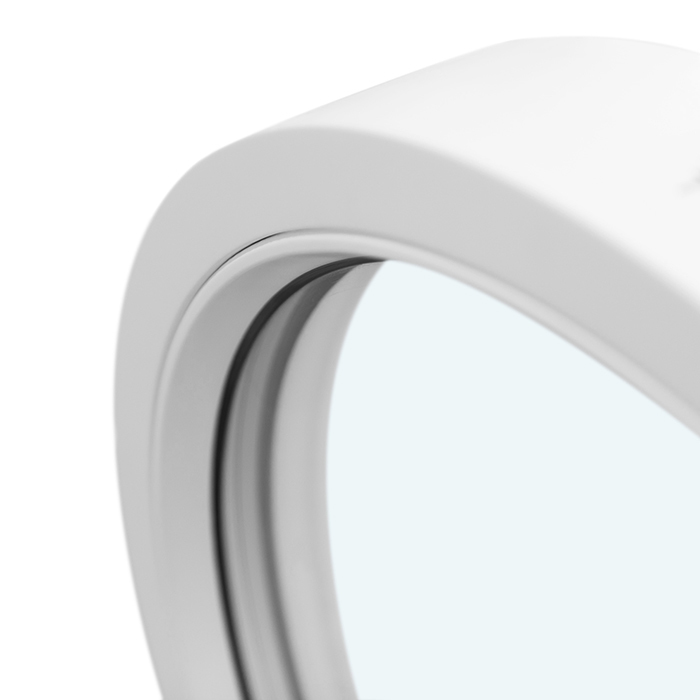
A round fixed window should be discussed as its own configuration, with its diameter, position and intended appearance recorded. Ask for confirmation of the glass make-up proposed for that unit and whether it differs from the adjacent rectangular windows. The same care applies to roof glazing, where the angle of the glass changes its relationship with sky, sun and views from nearby rooms. A coating choice that sounds suitable in a general conversation may deserve a second look once the exact orientation and surrounding shading are known. Ask for revised documents after any design change, rather than assuming the original glazing note still applies.
Make quotes comparable before choosing a supplier
A useful quotation lets you compare proposals without decoding them. Build a simple comparison sheet with rows for each opening and columns for configuration, dimensions, frame finish, glass build-up, coating reference, stated thermal basis, solar-gain information, visible-light information, decorative bars, opening direction and exclusions. Use the supplier’s terms exactly where possible. Then identify blanks rather than filling them with assumptions. If one supplier has supplied more detail than another, ask the less detailed supplier for equivalent information. This does not mean every project needs an elaborate technical report; it means the evidence supporting a choice should be sufficiently specific to review.
Be particularly alert when an alternative is described as an upgrade without explaining what changes. Ask: compared with what base glass package? Is the alternative available in every size and configuration? What visible difference might I see? Which published values change, and are they glass-only or whole-unit? A passive house window with super-low Uw is a named product configuration, but the supplier should still identify the actual proposed glazing and the scope of every reported value. Keep revisions dated. When there are several conversations, a version-controlled schedule is more reliable than relying on recollection of a showroom discussion.
Questions to ask at survey, order and handover
At survey, ask the supplier to confirm the final opening sizes, reveal conditions, retained finishes and anything that limits the chosen configuration. Ask which glass package is proposed in each location, where the Low-E coating sits, whether there are alternatives, and which reported values apply to the complete item. Ask how any external shading, internal blinds, furniture or ventilation needs influenced their recommendation. At order stage, check that the quotation, drawings and order acknowledgement use the same references. Read descriptive phrases such as “or similar” carefully and ask for them to be replaced with a defined specification where the glass choice matters to you.
At handover, retain the final drawings, glazing schedule, care information and warranty documents with your property records. Bloomcabin windows and doors have a 5-year warranty. Delivery is typically 4–6 weeks, subject to order confirmation; establish the confirmed timing for your own order and coordinate removal, access and follow-on trades around it. Before placing an order, ask what information will be supplied if a pane later needs identifying or replacing. The strongest outcome is not a coating selected by name, but a documented solution that matches the room, the opening configuration and the expectations you have recorded.
Common questions
Does Low-E glass make a room dark?
Not necessarily. Low-E is a coating category, and complete glazing packages can differ in visible light transmission and reflectance. Ask for the reported visible-light information for the exact proposed unit, then view a representative sample if appearance is important. Compare it with the room’s shading, orientation and existing glass rather than judging from the label alone.
Is Low-E glass the same as solar-control glass?
No. Low-E refers to low emissivity and its effect on radiant heat. Some Low-E glazing packages also place greater emphasis on limiting solar heat gain, but that should not be assumed. Ask the supplier to state the solar-gain information, visible-light information and intended use of the specific glass package offered.
Should every window in the house have identical glass?
A single package can simplify a project, but it is not automatically the best solution. Rooms can have different daylight, glare, privacy and solar-exposure priorities. Ask for one consistent proposal first, then request clearly documented alternatives only where an opening has a distinct role. Compare the changes on the same reporting basis.
What should be written on my order?
Include the window or door configuration, dimensions, finish, opening direction, decorative-bar arrangement where relevant, and a glazing reference or full glass make-up for each item. Keep any stated performance values with their scope. Confirm that drawings, quotation and order acknowledgement match, and ask for written clarification of any undefined substitutions or alternatives.
Can I judge Low-E glass from a showroom sample?
A sample is useful for checking colour and reflection, but it cannot reproduce your room’s orientation, surrounding buildings, shading or pane size. Use it alongside written data for the proposed glazing package. Photograph your existing glazing in daylight and explain the visual result you are trying to retain or change.
Next steps
Low-E glass is best treated as a component of a complete glazing decision, not as a tick-box feature. Map each opening before discussing coatings, then request a written package that identifies the panes, coating, reported thermal basis, solar behaviour and visible-light information. Compare like with like, particularly when a quote includes large doors, shaped glass, decorative bars or several opening types. Ask suppliers to explain the purpose of any alternative and record the chosen specification in the final order documents. That approach keeps the discussion focused on how your rooms will look and feel in use, while giving you a practical record for survey, installation and future reference.
