
Patio Door Maintenance: Tracks, Rollers, Hinges and Seals
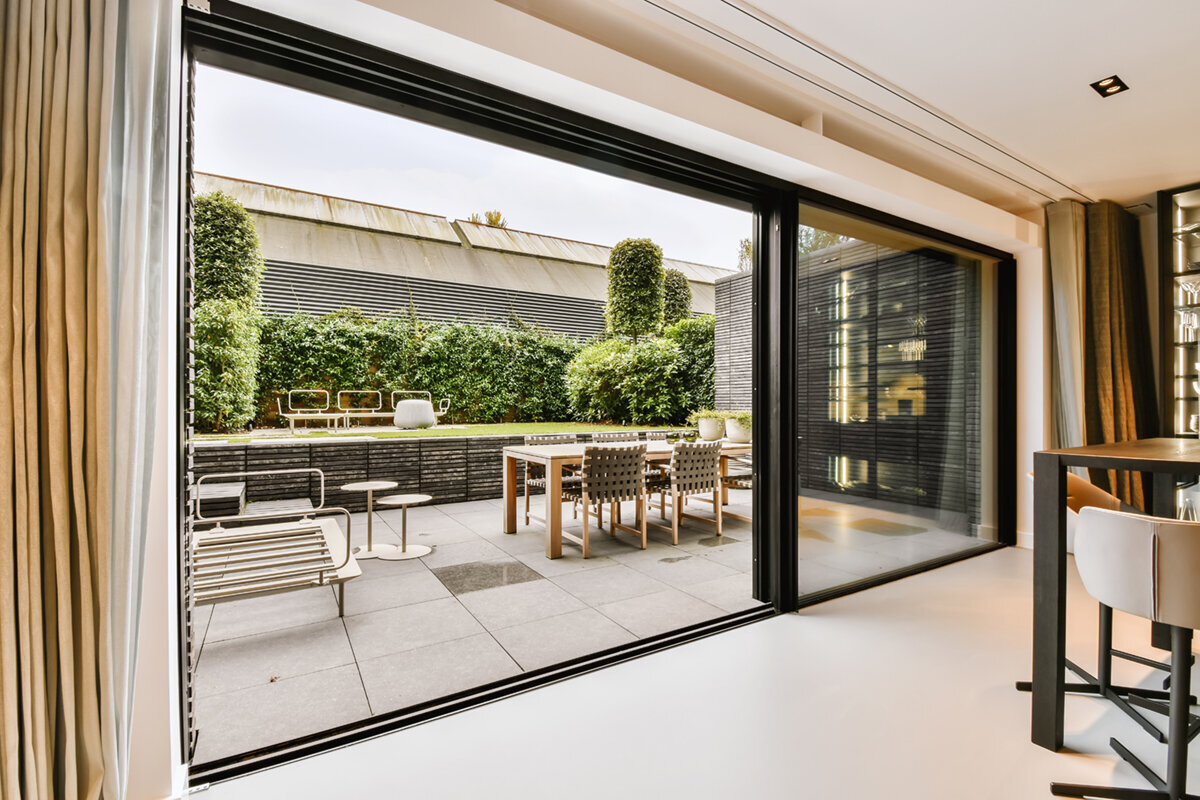
UK patio door care guide
A patio door rarely becomes difficult without leaving clues. A sliding panel may need a harder push after dusty building work, an opening leaf may catch once new flooring is fitted, or a closed door may feel draughty at one corner. The useful first move is not to tighten every visible screw. It is to separate surface dirt from a change in support, alignment, sealing or the surrounding opening. That distinction matters during retrofit work, when plaster dust, altered patio levels and restricted access can disguise the real cause. A careful inspection before ordering parts or considering replacement protects the door, glazing and people handling it. This guide explains how to check tracks, rollers, hinges and perimeter seals, which maintenance tasks are reasonable, and when a suitably qualified door professional should take over.
Begin with the route, not the remedy
Clear the area and operate the door slowly in daylight. On a slider, establish whether it feels heavy throughout its travel, jolts at one point or resists only near the closing jamb. On a hinged leaf, watch the clearance around the frame and note whether rubbing begins at the hinge side, latch side, head or threshold. Test movement and locking separately: a door can travel freely yet need lifting or pushing before the latch engages. Record whether the change followed decorating, landscaping, an impact or gradual use. Photographs of the closed door, corners, threshold and hardware provide a useful baseline before anything is cleaned or adjusted.
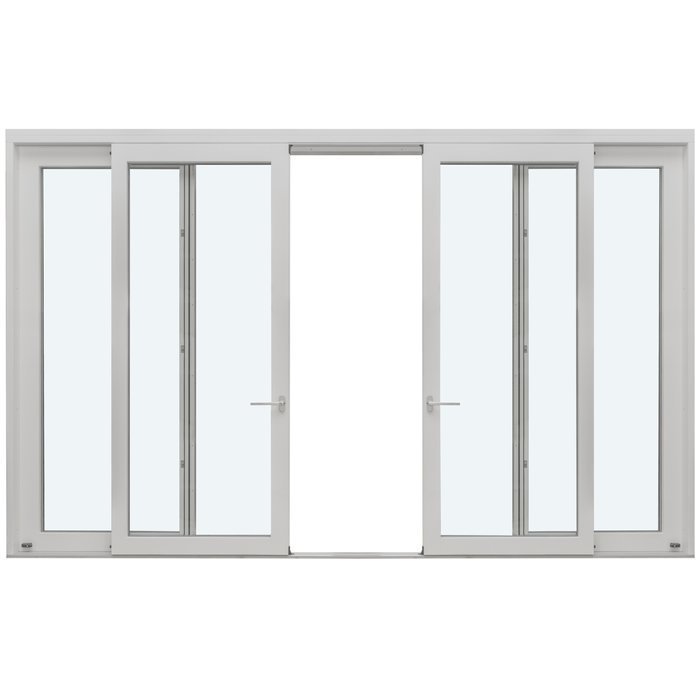
Plan safe access before starting. A full-height glazed leaf can be awkward to support where furniture, steps, wind or uneven paving restrict movement. Keep children and pets away, and do not remove or restrain a heavy panel beyond your capability. During refurbishment, protect tracks and thresholds from plaster, grout, sanding dust and wet finishes. If replacement is being discussed, consider how the doorway is actually used: Patio Life side-sliding patio doors follow a side-to-side arrangement, whereas a hinged leaf needs a clear swing area. Choose operation around room layout, terrace access and everyday circulation rather than merely copying the existing configuration.
Clean a sliding track as a diagnostic step
Begin with dry removal. Vacuum grit, leaves, hair and insect debris from the full visible track, sill corners and accessible channels, using a soft brush for compacted dirt. Follow with a soft cloth and mild soapy water where necessary, then remove residue and dry the running surface. Clean the closing end as carefully as the main entrance because debris often accumulates beside the jamb. Avoid wire brushes, abrasive pads, knives and improvised scrapers, which can damage a finish or create a continuing rough spot. Use water sparingly enough to observe where it travels rather than washing dirt into concealed parts.
Retest before applying any care product. A clear improvement shows that contamination contributed, but it does not prove the rollers or alignment are sound. If the same bump remains, inspect for an obstruction, loose part, raised edge or visible damage. Do not hammer the track or flood it with lubricant to mask resistance. Systems differ, so follow maintenance instructions confirmed for the relevant hardware and finish. When comparing new sliding doors, ask how the complete track can be reached, which areas collect debris and which cleaning products are approved. Practical service access is more informative than assuming every low-threshold design is maintained identically.
Read roller symptoms without dismantling the panel
Rollers support and guide a sliding leaf, but handle resistance alone cannot identify their condition. Consistently heavy travel after cleaning may justify investigation of support or adjustment. A repeating thump may relate to wheel rotation, whereas a catch at one fixed point may come from the track. A leaf that sits lower on one side, scrapes the sill or locks only when lifted may have changed position. Compare the gaps around the closed panel and use earlier photographs if available. Dirt, track damage, lock-side misalignment and movement elsewhere can imitate roller wear, so avoid ordering parts from one symptom.
Adjustment points are not universal, and a screw near the bottom may serve another purpose. Check the door or hardware instructions before turning anything. Do not remove covers, glazing beads or panel-retaining parts simply to investigate. If an authenticated procedure allows adjustment, make small recorded changes and test the entire travel, closure and lock after each one. Stop if security, seal contact or movement worsens. A useful service report states the opening type, resistance location, effect of cleaning and whether the leaf must be lifted to lock. That allows the track, rollers and alignment to be assessed together rather than treating one component as the presumed culprit.
Keep thresholds and drainage routes visible
A threshold is both a traffic surface and part of the doorway’s water-management arrangement. Sweep away leaves, soil and loose material, particularly after gardening or severe weather. Inspect visible slots and channels without inserting wire, screwdrivers, foam or sealant. An insignificant-looking opening may have a drainage or ventilation function. Consider what repeatedly brings debris towards the door, such as loose gravel, compost, crumbling pointing or a shedding mat. Indoors, avoid placing rugs where they trap moisture against the threshold or conceal a developing problem. Keeping the area visible makes changes in water behaviour easier to identify.
Water beside a door can come from several routes: material carried indoors, water retained in a track, incomplete closure, poor seal contact, or an issue involving the frame or adjacent finishes. Record the weather, exact location and whether water appears while the door is closed, after opening, or following cleaning. Do not apply caulk indiscriminately; it can obstruct intended routes and hide evidence. Repeated internal water, staining, soft finishes or moisture that remains after ordinary cleaning merits professional investigation. The objective is to identify the route and affected part of the installation, not merely to make the visible water disappear.
Inspect hinges on opening patio doors
With a hinged leaf closed, inspect the reveal around all four sides. A tight gap at one corner and a wider one elsewhere is useful evidence. Open the door slowly and note where any scrape, click or strain begins. Look for loose hinge parts, damaged covers, missing fasteners and marks where the leaf has contacted the threshold. Check straightforward external causes as well: a mat, altered floor covering, swollen trim or planter in the swing path can imitate misalignment. Do not lift the leaf forcefully by its handle or test it repeatedly against a hard obstruction.
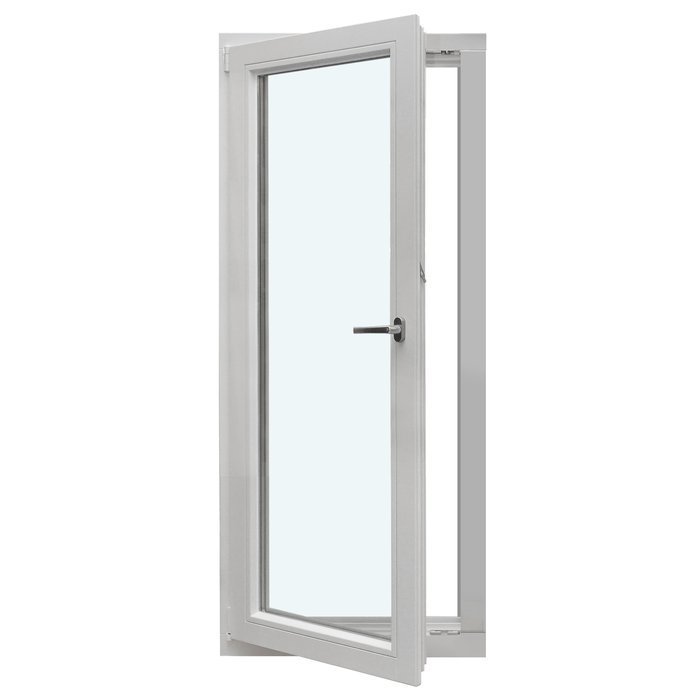
Avoid applying an unverified household oil to hinges or locking points. Some products attract grit, migrate into unsuitable areas or affect finishes. Use the manufacturer’s care instructions where available; otherwise, visible cleaning and professional assessment are safer than experimentation. Opening direction also changes maintenance access. Single-leaf patio doors – outward opening require clear exterior swing space and accessible weather-exposed hardware, while inward-opening alternatives need sufficient room indoors. For replacement, ask where hinges and adjustment points will sit, how the threshold will be cleaned and which care information will be supplied for the selected configuration.
Check the latch side before blaming hinges
If a door needs pushing, pulling or lifting to lock, inspect it closed rather than forcing the handle. Check whether the latch-side gap is even and the leaf meets the frame squarely. Rubbing marks, a heavily compressed seal at one corner or a misaligned strike area can help explain resistance. Operate the handle only through its normal sequence; it should not be used as a lever to draw a displaced leaf into position. Repeated force can damage handles, keeps, lock components or the frame. If secure, repeatable locking is no longer possible, prioritise professional attention over lubrication or speculative adjustment.
On double doors, identify the everyday active leaf and check that the other leaf is secured in its intended position before assessing the meeting line. Movement at the meeting stile can resemble a hinge fault. Double-leaf patio doors – inward opening demonstrate why operating order, furniture clearance and the central meeting arrangement should be considered together when choosing a replacement. Ask the supplier or installer to demonstrate the correct locking sequence and identify accessible maintenance points for the ordered configuration. Do not infer unseen hardware from a product title. The aim is smooth, repeatable closure without manually supporting the leaf or applying abnormal pressure.
Assess seals by contact and condition
Inspect perimeter seals for embedded dirt, tears, flattening, brittleness, loose sections and gaps at corners. Wipe accessible surfaces gently with a soft damp cloth, dry them and close the door normally. Compare contact around the whole frame instead of judging one corner alone. A local draught may come from a displaced seal, but it may also occur because the leaf no longer meets the frame evenly. Replacing the gasket without correcting alignment can therefore leave the original cause unresolved. Do not stretch, trim or glue unidentified seal material as an initial repair, because the correct profile and fitting method depend on the door.
Condensation on glazing does not by itself prove that a perimeter seal has failed. Record observable details instead: where the draught or moisture occurs, the weather, whether the door was fully latched and whether cleaning altered the symptom. If replacement is under consideration, include appearance and operation in the same brief. Heritage-style double-leaf patio doors – outward opening are an alternative where visual character, two-leaf operation and exterior swing space may shape the decision. The title does not establish seal, glazing or hardware details, so request project-specific specifications rather than assuming performance from style.
Know when maintenance becomes a service call
Stop DIY work if glazing is cracked, loose or damaged; a hinge or handle is unstable; the panel appears unsupported; a slider jumps or derails; water repeatedly reaches the interior; the frame visibly moves; or the door cannot be secured. Do not use force, temporary wedges or repeated adjustments in these situations. A professional can distinguish a fault in the moving leaf or hardware from one involving glazing, the frame, threshold or surrounding construction. An assessment is especially sensible after an impact, adjacent building work or a sudden operational change. Keep the access route clear and retain photographs taken before the symptom was disturbed.
Describe facts rather than supplying a guessed diagnosis. For example, report that a slider catches about 300 mm from the closing side after vacuuming, or that a hinge-side corner touches the threshold before the latch meets its keep. Give the opening direction, approximate dimensions if known, when the behaviour began and whether wind or rain affects it. State whether the main concern is travel, closure, locking, water or draughts. A precise brief helps a technician prepare relevant checks. Never remove a glazed sliding panel or opening leaf merely to inspect concealed components unless the approved procedure, handling equipment and competent assistance are established.
Use maintenance findings to shape replacement
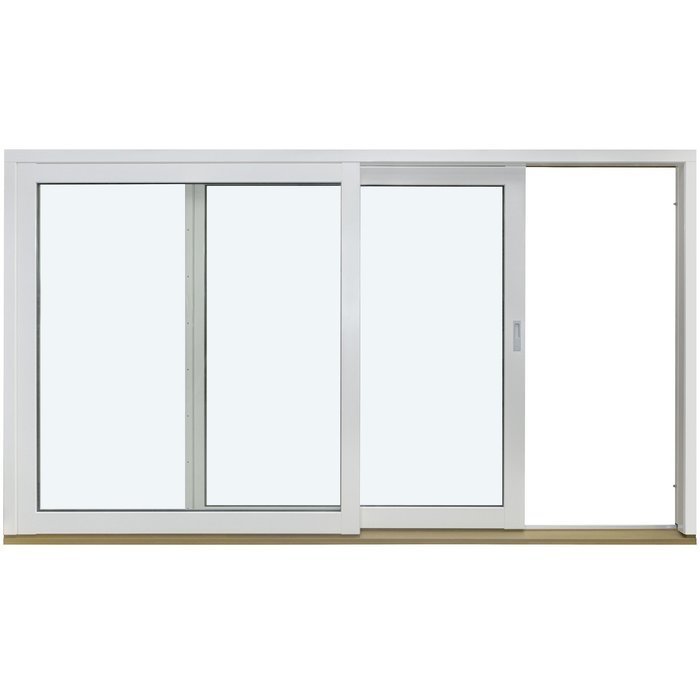
Replacement is not the automatic answer to a dirty track or damaged seal, but recurring problems can improve the next specification. If debris repeatedly reaches a slider, ask how the proposed sill and track are cleaned, where water travels and how exterior surfaces meet the threshold. If household members struggle with a moving panel, discuss panel arrangement, useful opening width, handle position and everyday operating effort. Siegenia sliding doors offer one alternative route for a sliding-door project, but order-specific configuration, hardware and installation scope must be confirmed. Maintenance evidence should inform the brief rather than becoming a purely cosmetic preference.
Coordinate the door with surrounding works. Decking, paving, tile build-up, internal flooring, drainage changes and render repairs can affect clearance, access and the movement of dirt or water near a threshold. Bring the door installer and adjacent trades together before final measurement. Ask which side opens, what area must stay clear, who prepares the opening, how the threshold will be protected and which maintenance points remain accessible. If another operation would suit the space, outward-opening bifold doors are an alternative to discuss where sufficient exterior opening space can be planned. The right choice depends on the whole layout, not on one maintenance symptom.
Build a calm, repeatable care routine
Use a seasonal and event-led routine rather than dismantling the door unnecessarily. Check visible tracks, thresholds and seals after leaf fall, gardening, dusty work, severe weather or a long period of little use. Operate the door through its full range, close it normally and note new resistance before it becomes severe. Keep a record of professional adjustments and products used. A different sound alone is not a reason to alter hardware; compare it with travel, latch engagement, gap consistency and seal contact. Regular observation makes gradual change easier to recognise while keeping routine care proportionate.
For a new door, make maintenance guidance part of handover. Ask for the approved cleaning method, accessible drainage locations, operating sequence, suitable care products and signs that call for service. Confirm responsibility for protecting the unit while surrounding construction continues. Bloomcabin windows and doors have a 5-year warranty, and delivery is typically 4–6 weeks subject to order confirmation; still check the order-specific scope, measurements and care information. Single-leaf patio doors – inward opening may be a relevant hinged alternative where indoor swing space is deliberately reserved. A door that remains accessible for cleaning, inspection and normal closure is easier to maintain responsibly.
Common questions
Can I use lubricant to fix a stiff sliding patio door?
Do not use lubricant as the first response. Vacuum and clean the visible track, then retest so that the effect of debris is clear. Apply a product only if the door or hardware manufacturer confirms its suitability. An unsuitable lubricant can collect grit or conceal a roller, track or alignment problem.
Why does my patio door lock only when I lift it?
Lifting may indicate that the leaf’s position relative to the latch has changed, but it does not establish the cause. Check for rubbing, uneven gaps and obvious obstruction without forcing the handle. If the door cannot close and lock normally, arrange an assessment of its hinges or rollers, alignment and locking components.
Should I clear water from threshold channels?
Gently remove loose, visible debris and keep accessible channels clear. Do not probe unidentified openings with wire or fill them with cloth, foam or sealant. If water repeatedly enters the room, leaves staining or remains after ordinary cleaning, photograph the conditions and have the door, threshold and surrounding installation assessed.
Can a damaged seal be replaced on its own?
Sometimes, but first establish whether the seal is damaged or uneven alignment is preventing contact. Record tears, loose corners, flattening and the precise draught location. The correct profile and fitting method depend on the particular door. Avoid cutting, stretching or gluing substitute gasket material without confirmed product guidance.
What should I prepare before booking a service visit?
Provide photographs of the closed door, threshold, gaps and affected hardware. Explain where resistance occurs, whether the issue involves sliding, swinging, locking, water or draughts, when it began and what cleaning has been tried. Keep the access route clear, retain available order information and do not remove glazed panels beforehand.
Next steps
Effective patio-door maintenance starts with observation, gentle cleaning and a clear limit on safe adjustment. A clean track helps reveal whether sliding resistance remains; consistent gaps and reliable latching clarify hinged-door issues; and inspection of seal contact reduces guesswork about draughts. Keep thresholds clear, preserve visible drainage routes and record changes before attempting a remedy. Stop when glazing, support, security, persistent water or frame movement is involved. If replacement becomes appropriate, turn the maintenance history into better questions about operation, access, adjacent finishes, hardware servicing and future care. The objective is dependable movement and closure, not a temporary improvement achieved by force.
