
Pergola Insurance: Information to Prepare for Your Insurer
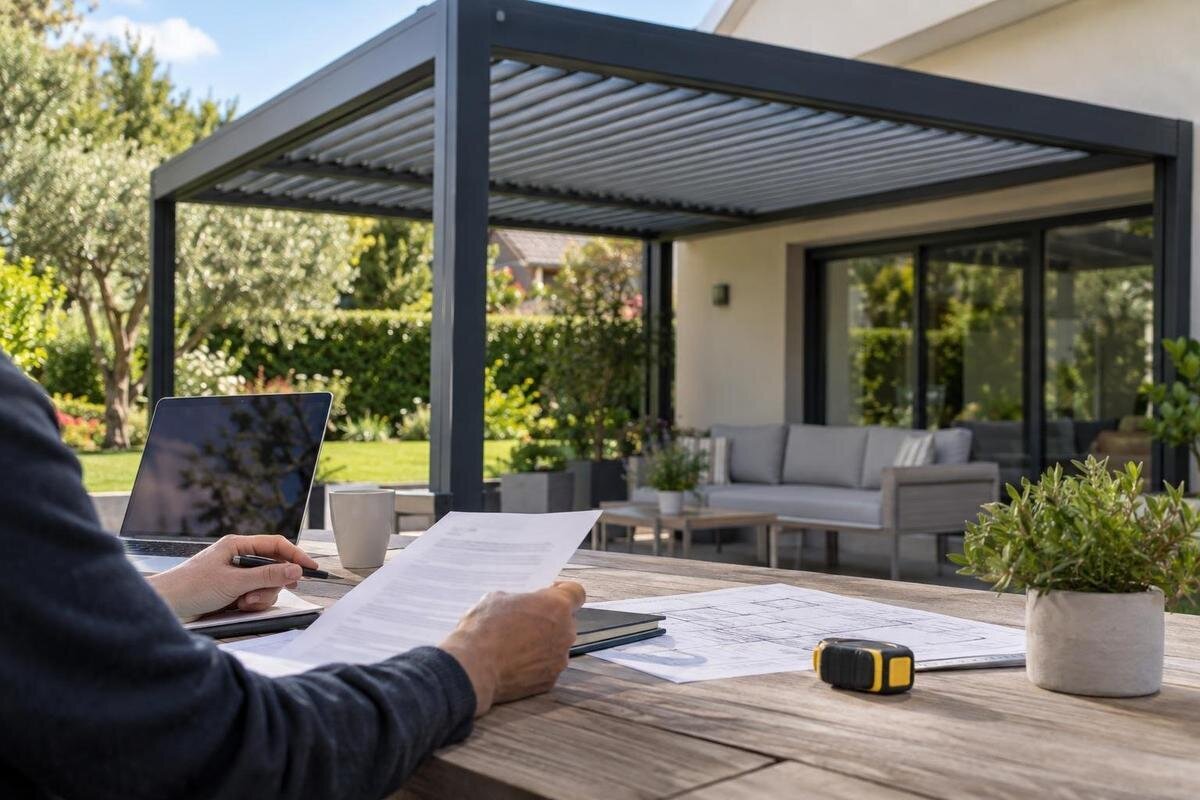
Pergola insurance guide
Do not assume a pergola is automatically included in your home insurance. Gather accurate information about the structure you are buying or have installed, then ask your insurer how it will be treated under your policy. The useful details include the model, dimensions, location, roof and accessories, fixing arrangement, installation records, value and intended use.

01
Tell the insurer what is being added and when
Have your policy schedule, policy number and the property’s address to hand. Say whether the pergola is still being considered, ordered, being installed or complete, and give the relevant dates. Ask when the insurer wants the information: before purchase, before installation, on completion or at another point in its process. Do not assume that waiting for renewal is enough, or that a phone conversation automatically changes the policy. Ask how to submit supporting documents and what acknowledgement to expect. If options remain undecided, label them as proposed rather than describing them as part of the finished structure. Mention agreed dates, while distinguishing them from estimates.
State who holds the policy and who owns or is commissioning the pergola. If a landlord, tenant, leaseholder, property manager or contractor is involved, explain their role and ask whose policy information needs updating. Do not assume that telling the installer or supplier also tells the home insurer, or that a contractor’s own insurance updates your household policy. The insurer can explain which policyholder should make contact. Keep a note of the call date, the person you spoke to, any reference number and the documents requested. File any written reply with the policy paperwork so the decision and the information it was based on can be found later.
Identify the pergola by model and dimensions
Use the exact manufacturer or product name shown on the quotation or order, then describe the structure in plain terms: for example, whether it is freestanding or attached to the house. Include the overall width, projection and height, and the area shown on the final drawing if available. The Bloomcabin Lean-To Pergola name can identify a model in your notes, but it does not establish the dimensions or options selected for your particular project. If the drawing has a reference, revision or date, copy that too. This helps the insurer distinguish the agreed configuration from a general product description or an early estimate.
Give the pergola’s position on the property as well as its measurements. A simple site sketch can show which side of the house it is on and how it relates to other structures; an annotated photograph may be clearer where a plan is not available. Keep the measurement source with the drawing, and make clear whether dimensions describe the proposed order or the finished installation. If the design changes after you first contact the insurer, do not leave the earlier measurements on file as though they were final. Ask which revised drawing or details they want, and send the version that matches what is being built.
02
Describe the roof and every fitted extra
Explain what the roof is like in the configuration you have chosen: for example, whether it is fixed, retractable or made up of adjustable elements, if those descriptions apply. Note any side panels, screens, blinds or other enclosure elements that are actually included. If you are considering the Bloomcabin Bioclimatic Aluminum Pergola, request a specification for your selected configuration to support this description. Use the final specification or drawing to distinguish the roof from optional additions. Describe any changes agreed after the initial quotation, so the insurer receives an accurate account of the roof and sides rather than a description of an earlier design.
Record the roof and enclosure components separately where the order provides that detail. For screens, blinds or panels, note which sides they occupy and whether they are fixed, movable or removable, using the supplier’s description. Explain whether each component is included in the main order or supplied separately, and retain the relevant invoice or specification. If an enclosure is only planned for a later stage, distinguish it from what will be installed now. This gives the insurer a clear description of the physical structure; keep the details of motors, lighting and other powered equipment in a separate inventory.
Explain how the structure is supported and attached
Tell the insurer how the pergola meets the house or ground, using facts from the project documents rather than your own technical interpretation. State whether it is attached to a wall or stands independently, and identify the surface or structure it is fixed to where known. For a project involving the Bloomcabin wall-mounted pergola, obtain the installation drawing or written work description that explains the proposed connection to your property. If the installer’s description uses different terms from your quotation, keep both and ask the installer to clarify the final arrangement instead of choosing a term that may be misleading.
Photographs can make this information easier to understand, especially if fixings will be hidden once the work is finished. Where practical, keep dated images of the location before work, the relevant stages and the completed structure; ask the installer which views are useful. Do not try to assess structural suitability yourself from a photograph. If the insurer asks how the connection or support was specified, request the answer from the installer or another suitably qualified professional. Retain the drawing, work description and any written clarification together so that the explanation reflects the actual installation rather than an assumption about the base or wall.
03
Keep the quotation and final specification together
Collect the documents that describe what was agreed: the quotation, order confirmation, final drawing, specification, contract scope and any written changes. A document naming Bloomcabin Pergola can help identify the product, but the insurer may also need to understand the configuration and the work included in your particular order. Keep any stated exclusions alongside the inclusions, so a supply-only quotation is not mistaken for a record of installation work. If your supplier or installer issues separate documents, label them by date and purpose rather than treating one page as a complete account of the project.
Compare the planned specification with what was actually delivered and installed. If a roof option, accessory, dimension or fixing arrangement changed, keep the amended drawing or written variation and note when the change was agreed. Mark superseded documents clearly in your own file, but retain them so the project history is traceable. The insurer can tell you which records to send and whether it wants a particular format. Avoid sending an early sketch as the final plan without explaining its status. A short index listing each document, its date and what it describes can save confusion if the insurer asks follow-up questions.
Separate the structure’s value from other items
Gather the quotation and invoices, but ask the insurer what figure and valuation basis it needs rather than choosing a sum by guesswork. It may ask for information about the supply cost, installation, associated work or a replacement basis; the policy terms and the insurer’s process determine what is relevant. If you are considering the Bloomcabin Pergola, keep the project quotation alongside the model reference so you can explain what the quoted amount includes. Ask whether the requested figure should account for removal of damaged parts or other reinstatement work. If a final invoice is outstanding, identify the figure as provisional.
Keep the pergola itself distinct in your records from furniture, portable equipment and separately purchased accessories. Whether any of those items fall under the same policy section is a question for the insurer, not something to infer from how they are used outdoors. List significant items separately, with invoices or other records where available, and explain whether they are fixed to the structure or can be moved. Include changes that affect the project total, such as an agreed extra or a revised installation scope, and ask whether the insurer needs those costs broken out. Clear itemisation gives the insurer something specific to assess without implying that every item is covered.
04
Record who installed it and what was handed over
Note whether the pergola was assembled by you, installed by a contractor or completed through a combination of work. If a contractor was involved, keep the business or installer’s name, contact details, work dates, invoice and a description of the agreed scope. For a Lean-To Pergola project, use the exact model name from the order when requesting installation records, particularly if several jobs appear on the contractor’s invoice. Identify who handled the structure, ground preparation and any separate equipment. This makes it easier to direct a request for missing evidence to the person responsible for that part of the work.
Retain any handover material supplied for the finished work, such as the final drawing, operating or care instructions, and records of checks or commissioning if these were provided. Do not describe a check as a certificate or approval unless the document actually says that. If part of the work was excluded from the installer’s quotation or completed by someone else, record that division clearly. Ask the insurer whether it needs any particular installation evidence, and request missing documents from the person who performed the relevant work. Keep insurance records separate from warranty paperwork: one does not, by itself, confirm the terms of the other.
List powered equipment and controls individually
If the pergola has powered or electrical equipment, describe each item rather than reporting only that the structure is automated or illuminated. Depending on what is actually installed, this might include a roof motor, lighting, a heater, sensors or a control unit. If your order is for the Bloomcabin bioclimatic pergola, check the selected configuration and invoices to establish which equipment is included. For each item, record its function and make or model where documented. Say whether it was supplied with the structure, added later or provided by another contractor, and distinguish installed equipment from options you have not ordered.
Keep any relevant installer details and equipment manuals or model references with the project file. The insurer may ask who supplied and fitted an item, whether it is permanently attached, and whether it has separate documentation; ask rather than assuming which records are required. Do not provide technical descriptions from memory if the paperwork gives a more accurate account. If a powered feature is planned but not yet installed, make that clear and update the insurer if it is added later. The purpose is to give a reliable inventory, not to assess electrical work or decide how it should be insured.

05
Describe the property’s use and the pergola’s setting
Give the correct property address and identify the pergola’s position within the grounds, such as beside the main house, near a garage or in a shared courtyard. If more than one structure could be confused with it, label each separately on a plan or photograph. Where you have ordered the regular Bloomcabin Pergola, use that model name on your site record and add a location description that distinguishes it from other garden structures. Tell the insurer if the site is shared or managed by someone else. Explain who owns the pergola and who uses the space, rather than assuming the address alone answers those questions.
Describe how the property is used if that may affect the insurer’s questions: for example, whether it is let, used for business, shared with others or left unoccupied for periods. These details do not automatically determine cover, but they may help the insurer ask for the right information. Do not try to assess risks from nearby trees, neighbouring buildings or local exposure on the insurer’s behalf. If asked about the setting, provide factual observations or photographs and check what further detail is wanted. Tell the insurer if the property’s use changes after the pergola is added, and keep any resulting correspondence with the project records.
Ask what the policy does and does not cover
Once you have described the structure, ask how it is classified under your specific policy and whether the policy schedule or another document needs to change. Ask separately about the events and costs that matter to you: for example, whether damage from storms, accidental damage, theft or fire is addressed, and whether any liability cover is relevant. These are questions, not assumptions about what a policy includes. Ask about exclusions, limits, excesses and any conditions that apply to the pergola or its equipment. If the wording uses a term you do not understand, ask the insurer or broker to explain how it applies to your installation.
Ask separately about the period before completion: what, if any, cover applies to delivered components in storage and to the structure while installation is under way? Explain where materials will be kept and who is carrying out the work, then ask whether any separate arrangements are needed. For the completed pergola, request written confirmation of any agreed policy change, including when it takes effect and any conditions attached. Keep that response with the current wording and schedule. If the reply refers only to garden structures generally, ask the insurer to confirm that its answer addresses the location, configuration and installation details you supplied.
Frequently asked questions
Is a pergola automatically covered by home insurance?
Do not assume it is. Insurers’ definitions, policy terms and exclusions differ. Ask how your insurer will treat the specific pergola, whether the policy schedule needs updating and what cover, if any, applies. Keep the answer with your policy documents.
Should I contact my insurer before installation?
Ask about the timing before work starts, as notification processes vary. Give the insurer the planned dates and explain what is confirmed. If the pergola is already installed, provide the actual completion date and ask what information is needed now; do not assume a particular deadline applies.
Which technical details should I have ready?
Gather the exact model name, final dimensions, location, roof and side details, fitted accessories, and whether the structure is freestanding or attached. Drawings and photographs can help explain the arrangement, but ask the insurer which documents it needs.
Do I need to include accessories in the information?
Yes, describe what is actually fitted or supplied separately, such as screens, lighting, motors or heaters, if present. Note whether items are fixed or removable and keep their invoices or model details. Ask the insurer how it treats each item rather than assuming it shares the structure’s cover.
What if I do not have all the installation documents?
Give the insurer the facts you can verify and identify anything still unknown. Ask the installer or supplier for the relevant drawing, order details or handover records, then send an update if needed. Avoid filling gaps with estimates presented as confirmed information.
A clear record gives the insurer a better basis for answering questions about your pergola, but it does not guarantee a particular outcome. Keep the final drawing, itemised costs, installation information and any written response together with your policy documents. If the structure or its use changes, check what needs updating rather than relying on an earlier description. The important point is to describe what is actually proposed or installed and confirm the policy treatment directly with the insurer.
