
Should You Replace Windows and Doors Before Selling Your Home?
UK guide for home sellers
A pre-sale window or door decision is rarely about making every opening new. It is about preventing a viewing from being interrupted by a front door that will not latch, a patio door that takes two hands to move or a visibly neglected frame beside an otherwise well-presented room. Start by walking the buyer’s likely route and testing the openings they may touch. Then coordinate any retrofit with installer access, decorating, external making-good and the date needed for photography. Replacement can be sensible when it resolves a clear defect cleanly. It can become an expensive distraction if it leaves mismatched elevations, unfinished reveals or a rushed specification. The useful question is not simply whether new windows add value, but which opening, if any, is currently weakening the sale.
Buyer-viewing check 1
Begin with the route a buyer will follow
Inspect the property as a viewer rather than beginning with a quotation. Approach from the pavement, use the main entrance, enter the principal reception room and follow the route to the garden or balcony. Open, close and lock the relevant units. Record precise observations: a sash catches, a handle feels loose, moisture appears within the glazing, a coating has deteriorated or trim looks neglected. Note the room, elevation and whether the defect is visible before operation. This turns “the windows are old” into a practical condition list and separates issues affecting photographs from those a buyer may discover during a viewing.
Separate the symptom from its probable cause. A dragging door may need adjustment, whereas recurring staining around the opening warrants investigation before any replacement is ordered. Peeling paint on a sound frame presents a different decision from persistent deterioration. Do not use a new unit to conceal movement, water ingress or a defective surrounding detail. Rank each opening by operational importance, visibility and the consequence of leaving it untouched. A stiff secondary window may matter less to the sale than awkward garden access from the main living space. This triage creates a proportionate scope and focuses preparation on the buyer experience.
Choose repair, selective replacement or a coordinated group
Repair is often proportionate where the frame and glazing remain suitable but a local issue spoils operation or appearance. Adjustment, hardware attention, sealing work, refinishing or local making-good may restore the opening without disturbing adjacent decoration. Ask what the proposed repair addresses, what it cannot correct and how the finished result will look beside neighbouring units. A smaller intervention is worthwhile only if it leaves the opening dependable and presentable. Equally, an isolated imperfection does not justify replacement merely because the home is about to be marketed. The objective is to remove credible distractions, not to pursue newness throughout the property.
Selective replacement is more persuasive when a prominent opening has a deficiency that cannot be resolved satisfactorily. Group replacement may suit neighbouring windows that form one composition or share the same deterioration. Changing only one unit in a repeated row can highlight differences in sightlines, colour or decorative bars; replacing every window because one latch has failed is equally disproportionate. Photograph each affected elevation straight on and map pairs, bays and shared trim. Compare the proposed scope with those images before choosing products. A successful pre-sale project should appear intentional and complete rather than like several unrelated improvements fitted shortly before marketing.
Buyer-viewing check 2
Make the entrance dependable rather than overdesigned
The entrance is among the first components a viewer handles, so positive operation matters more than fashionable detailing. Check closing, alignment, handles, the threshold and the condition of nearby render or masonry. Before changing the configuration, confirm opening direction, approach space, letterplate position and internal clearance. A thicker-looking frame or different profile may also require surrounding work that is easy to overlook. Where the arrangement genuinely suits the property, panelled outward-opening entrance doors provide a configuration to compare, but outward operation must make sense for the existing approach and everyday use rather than being selected from appearance alone.
A glazed panel beside the door can affect the balance of the entire entrance, so treat it as part of the composition. Where the current layout already includes this feature, single-panel door sidelights are relevant to the specification discussion rather than an automatic upgrade. Review the entrance from the hall and pavement, accounting for reveals, skirting returns, flooring and nearby fittings. If the door is serviceable and its main weaknesses are tired paintwork or poorly adjusted hardware, correcting those may create a calmer result than redesigning the aperture before sale. Buyers should encounter an entrance that looks settled, closes readily and needs no explanation from the agent.
Assess patio access as part of the room
Garden-facing doors carry particular weight because viewers often operate them while imagining how the living space will work. Test the opening with furniture in its usual position. Check whether a leaf collides with a table or curtain, whether the threshold interrupts the route and whether locking is straightforward. Outside, note steps, narrow paths, planting and the space available for an open panel. A replacement format should resolve a real use or presentation problem rather than impose a different arrangement on a room that already functions well. Judge frame proportions and the closed appearance as carefully as the fully open view used in marketing photographs.
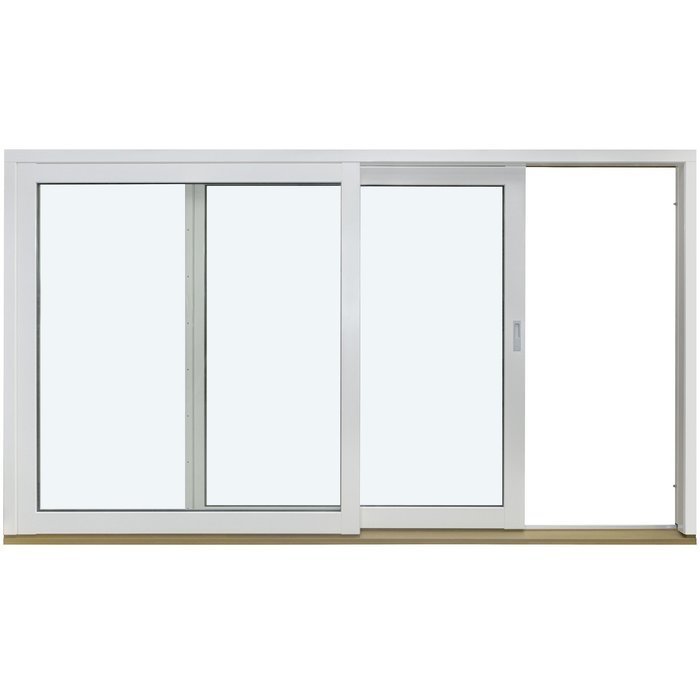
Sliding operation can be an alternative where keeping circulation space clear is the priority. A sliding door arrangement should be considered only where it fits the aperture, room plan and proposed access route. Discuss which panel is active, where a user stands to operate it and how its sightlines relate to adjacent windows. Moving furniture temporarily may improve a photograph, but it will not disguise a door obstructed by blinds or an awkward flooring transition. Coordinate curtains, flooring edges and external access before installation. The completed route should feel credible in ordinary use, not merely attractive during a staged wide-angle view.
Buyer-viewing check 3
Match hinged and folding doors to available space
A hinged patio door can be familiar and straightforward, but its swing direction is decisive. Inward opening consumes floor area and may interfere with furniture, radiators or curtains. Outward opening preserves the room but requires clear external space. If an existing inward-opening arrangement works well, double-leaf inward-opening patio doors may be a configuration to compare for a suitable aperture. Confirm which leaf will provide everyday passage, where handles sit and how the pair will look beside nearby glazing. Resolving these details before ordering is much easier than altering furnishings or decoration after the frame has been installed.
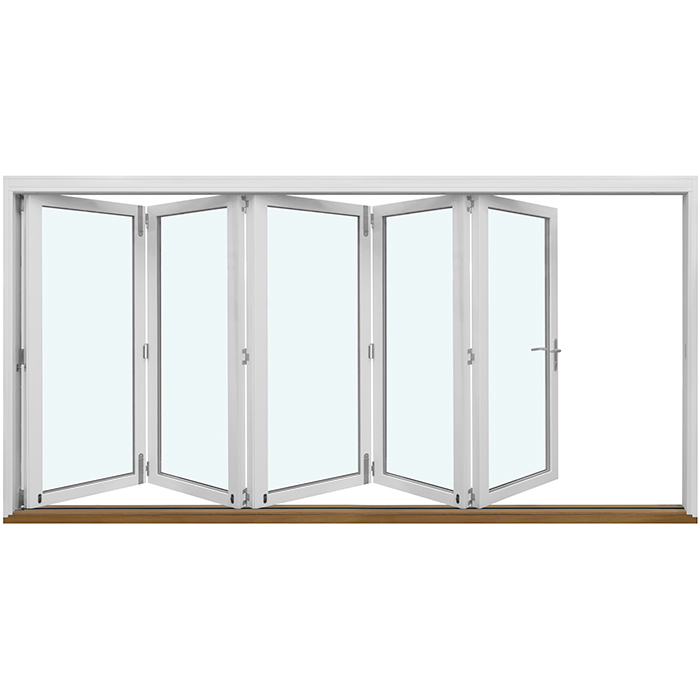
Do not choose a complicated format solely because the opening is wide. Folding doors offer a different connection with the garden and may suit a property where that relationship is central to the room. Compare outward-opening bifold doors with the space required by the folded panels, the position of blinds and the route across the patio. The issue is not that one format is inherently better; it is whether the selected movement remains convenient when the house is occupied normally. A modest replacement that works smoothly and is fully made good usually communicates more care than an ambitious alteration left with compromised furnishings or unfinished edges.
Keep replacement windows in proportion
A replacement looks convincing when it respects the rhythm of the façade. Review opening positions, sash proportions, shared head lines and relationships between floors. From inside, consider frame profiles, handle positions, curtains, shutters, radiators and cleaning access. A common-looking unit can still appear misplaced if it changes the balance of a pair or bay. Take square-on photographs with each window closed and note the positions of surrounding fittings. These records make the specification more precise than labels such as “traditional” or “modern” and help prevent an obvious mismatch appearing on the most photographed elevation just before the property is listed.
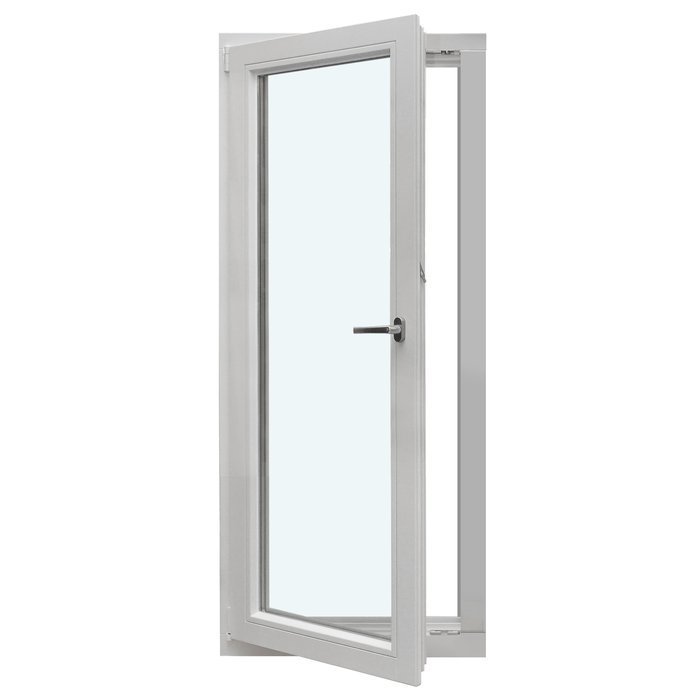
Opening method deserves the same scrutiny. A single-sash outward-opening side-hung window may suit an aperture where hinge position, projection and external clearance have been assessed. It should not be assumed to replace every current opening directly. Confirm which side is hinged, whether the sash could conflict with planting or a path and how it will be operated normally. Retaining a familiar arrangement may be preferable unless a change solves a defined problem. Consistent colour, decorative bars, frame sightlines and hardware across visible neighbouring windows often matter more to the sale presentation than introducing a noticeably different operating style.
Buyer-viewing check 4
Use fixed glazing only where it supports the layout
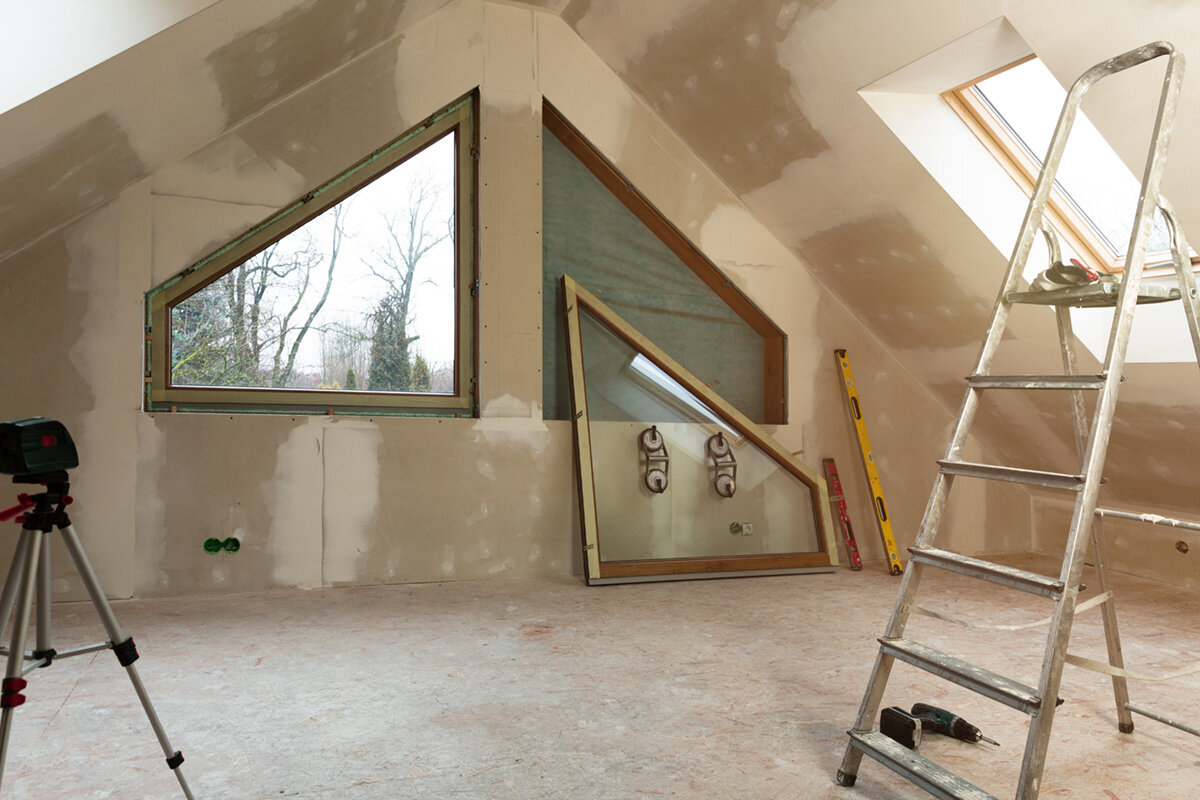
Not every glazed section needs to open. Where ventilation and daily use are handled by other suitable openings, a fixed pane can preserve a view or complete a balanced multi-part composition. A fixed non-opening window is an alternative where the proposed design specifically calls for a non-opening area; it is not a shortcut where occupants depend on the existing sash. Review cleaning access, furniture and the room’s normal use before removing opening capability. This matters especially for prominent living-room glazing, where a visually simple solution may alter practical operation in a way that is not apparent in elevation drawings.
Discuss glazing as part of the complete opening rather than relying on one headline feature. Ask what arrangement is proposed, what the comparison includes and how the frame and installation perimeter form the finished result. Decorative bars may support the existing character, while glass-dividing bars create a different visual and constructional arrangement; establish which option is being priced. Check the effect in daylight and after dark, and account for blinds, shutters and nearby planting. The aim is a coherent window that belongs to both the elevation and the room, without last-minute compromises that make new work appear disconnected from its surroundings.
Coordinate access, installation and making-good
The quality of a retrofit is judged at its edges as well as in the glass. Survey installer access, routes through the home, floor protection, parking, working space and removal of old units. Establish who will reinstate reveals, trims, paint finishes, sealant lines and any affected external surface. Recently decorated rooms need time for cleaning and touch-ups before photography. Request a written scope identifying inclusions, exclusions and responsibility for surrounding finishes. Ordering a window or door without coordinating this work can leave several trades and decisions unresolved. A realistic programme should cover the complete opening, not end when the new frame is fixed in place.
Bloomcabin states delivery of 4–6 weeks, subject to order confirmation, and provides a 5-year warranty for windows and doors. Use those facts for planning rather than compressing survey, specification, installation or finishing. Allow a practical buffer for concealed perimeter issues, making-good and a final operational check. If marketing cannot wait, a contained repair and careful presentation may be safer than listing during unfinished replacement work. Where replacement is necessary, set photography and launch dates only after responsibilities and sequence are understood. A completed, clean result supports the sale more effectively than a new product surrounded by rushed decoration or unresolved snags.
Buyer-viewing check 5
Compare proposals for the whole finished opening
Issue the same written brief to each prospective supplier. Include photographs, approximate dimensions, opening direction, colour intention, decorative-bar requirements and access notes, then ask each party to identify assumptions. Compare removal, disposal, trims, glazing, hardware, threshold treatment, surface protection and internal and external making-good. Clarify which allowances could change after existing finishes are removed. A lower product figure may not describe the same completed job as a broader proposal. Buyers see the perimeter and operation, not the division between the unit price and another trade’s allowance. Record agreed changes before work proceeds so that the pre-sale budget and programme remain understandable.
Ask configuration questions in ordinary language: which panels open, how do they move, which one is used daily and what happens at the wall and floor finishes? For a multi-part aperture, a Kombi combination window may be considered where a combined configuration suits the existing composition. Specify it panel by panel, identifying opening and fixed sections rather than relying on a generic description. Review clear elevation drawings before order confirmation, particularly where windows repeat or align with doors. You need not become a technical specialist, but you should recognise the proposed arrangement and understand how it addresses the original defect before committing to it.
Check the completed work and describe it accurately
Before photography or viewings, operate every replaced opening yourself. Check closing, locking, handles, keys, glazing appearance, frame surfaces and the internal and external perimeter. Test the main patio route with furniture returned to its normal position. Remove labels and debris, clean the glass and reinstate curtains or blinds so viewers can understand the opening immediately. If you identify a snag, resolve it before repeated viewings rather than explaining it each time. A recently replaced component should feel integrated into the property, not like a project awaiting a final visit. Keep photographs of the finished elevation for your own project record.
Retain the order confirmation, final specification, invoices, warranty information and records of related repairs or making-good. Tell the estate agent precisely what was replaced and when. Describing new patio doors is clearer than implying a whole-house refurbishment when only one opening changed. If you chose repair, keep that documentation as well; it demonstrates that a defined issue was addressed. Honest presentation is the final test of the decision. The purpose is not to suggest that the property will never require maintenance, but to show that important openings work properly and that recent work had a clear, proportionate reason.
Questions from sellers
Is it worth replacing every window before selling a house?
Not automatically. Whole-house replacement may be appropriate where poor condition is widespread and the result will be coherent, but age alone is insufficient. Identify operational faults, conspicuous glazing problems and prominent deterioration first. Targeted repair or selective replacement may fit the selling timetable better while avoiding unnecessary disruption and unfinished decorating.
Which doors should I prioritise before marketing the property?
Begin with the main entrance and the principal route to the garden, terrace or balcony. Viewers commonly see and operate these doors. Prioritise an opening that will not close, lock or move smoothly, appears neglected or weakens an otherwise presentable main room. Include its threshold, trim and surrounding finish in the assessment.
Should I repair or replace a patio door before selling?
Choose repair when a defined adjustment, hardware, sealing or finish issue can leave the door dependable and tidy. Consider replacement when the underlying condition or operation cannot be corrected satisfactorily, or the whole arrangement needs coordinated renewal. Investigate recurring moisture or movement rather than attempting to hide its cause with a new unit.
How long should I allow before listing after ordering?
Allow for survey, specification, order confirmation, delivery, installation, making-good, cleaning and photography. Bloomcabin states delivery of 4–6 weeks subject to order confirmation, but delivery is only one stage. Set the listing date around the complete confirmed programme and leave some flexibility for surrounding repairs or final snagging.
What documents should I retain after the work?
Keep the order confirmation, final specification, invoices, warranty information and records of associated repair or making-good. Bloomcabin provides a 5-year warranty for windows and doors. Organised documents help you state exactly what was installed and answer practical buyer questions without exaggerating the extent or effect of the project.
What to do next
Replace windows and doors before selling when doing so resolves a problem buyers will plainly encounter: unreliable operation, a poor first impression, conspicuous glazing or awkward access from the main living space. Inspect first, then choose repair, selective replacement or a coordinated group according to the evidence. Keep the design proportionate, confirm opening direction and finishing responsibilities, and leave enough time for the result to look settled. A useful pre-sale improvement does not make every opening new. It makes the property easier to view, use and describe accurately.
