
Slugs and snails in a greenhouse: how to keep them under control
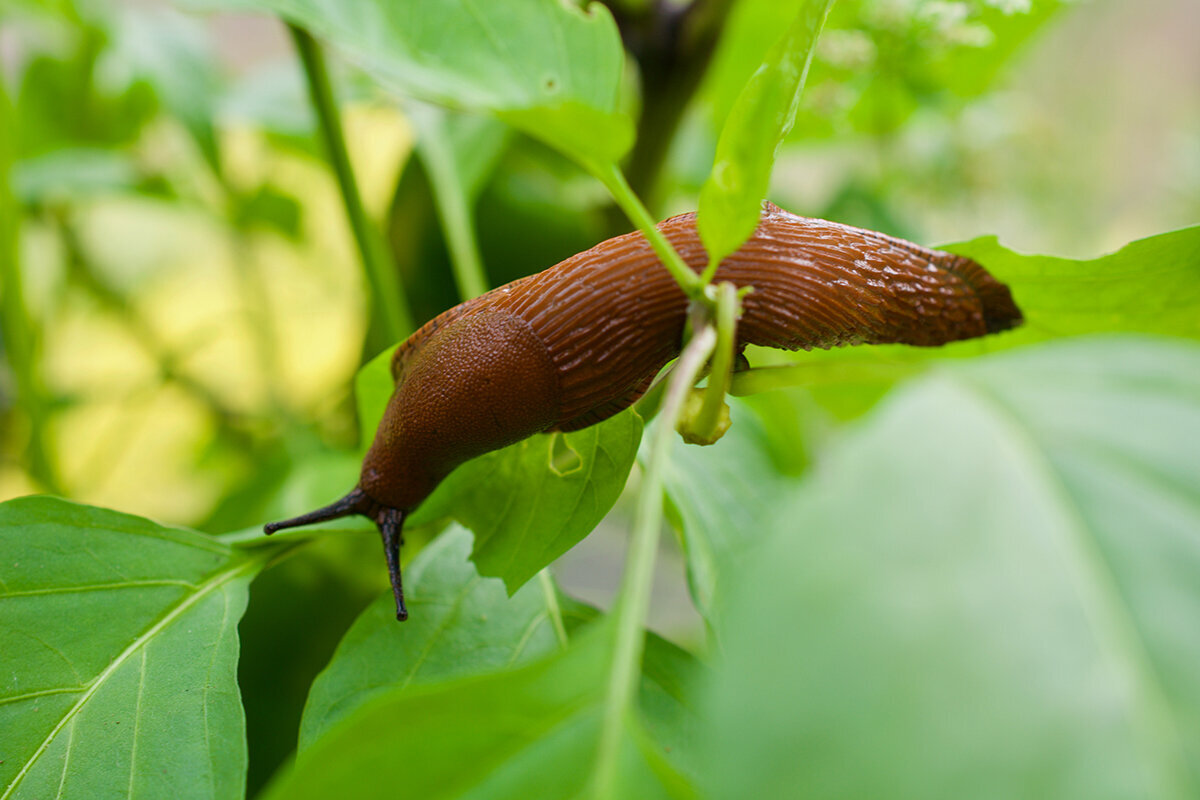
Greenhouse care / the silver-trail threshold
Slugs and snails in a greenhouse: how to keep them under control
At first light, the decisive clue is often a thin, reflective line across the floor—not the creature that made it. Follow that line from the damaged seedling to a damp pot foot, beneath staging, over the door sill and perhaps back outside. Lasting control rarely comes from one product. It comes from deliberately interrupting routes, removing daytime refuge and protecting vulnerable crops.
01
First light, before watering
Read the floor before you treat the crop.
A cool, damp greenhouse can conceal mollusc activity by day. Morning is when the evidence remains legible: drying mucus, fresh rasping and the line of travel between refuge and plant. Record what you find over several mornings, including the crop, position, weather and irrigation time, before declaring success or escalating control.
| Evidence | What it suggests | Check before concluding |
|---|---|---|
| Glistening or dried slime on floors, pots, foliage or bench legs | Strong evidence of slug or snail movement. Trails frequently reveal a repeated route rather than one isolated visitor. | Trace the line in both directions. The refuge may be beneath a nearby object or immediately outside the greenhouse, not beside the damaged crop. |
| Irregular holes with shallow, rasped-looking edges | Typical mollusc feeding on tender leaves, cotyledons, flowers and soft or ripe fruit. | Inspect beneath foliage after dusk. Caterpillars may leave frass; earwigs occupy crevices but do not produce a continuous silvery mucus trail. |
| Seedling damaged or almost completely gone | Slugs can consume very young lettuce, basil, brassicas, hostas and other tender plants remarkably quickly. | Examine the compost surface, tray underside and adjacent pot feet at dusk and dawn. Poor germination, damping-off or rodents leave different evidence, including collapsed stems, disturbed compost or droppings. |
| Shallow scars on strawberries or tomatoes close to the floor | Possible night feeding, especially where fruit touches damp compost, paving, a tray or the rim of a pot. | Lift the fruit and inspect its supporting surface. Mechanical rubbing, splitting and decay can appear similar, while rodent damage may show cleaner gnaw marks. |
| Damage following a humid or heavily watered spell | Conditions may be favouring mollusc movement rather than signalling a permanent or greenhouse-wide population increase. | Review irrigation timing, drips, standing water and pot density before introducing further controls. |
02
Two forms, one management logic
Shell or no shell, manage the shared behaviour.
Slugs and snails differ in form and where they may rest, but both depend on moisture, shelter and accessible food. Both move using mucus, feed by rasping soft plant tissue and become most active in cool, humid or dim conditions. A sound greenhouse plan should therefore address routes and refuge for both.
Slug
The concealed route-runner
Slugs can retreat into very low, dark spaces: beneath trays and capillary matting, inside staging joints, under pot rims, behind hose loops and along damp cracks at a floor or bed edge. Because they lose moisture readily, a cool daytime refuge is central to their survival and repeated feeding.
- Often leave conspicuous trails across dusty floors, paving or glossy foliage.
- Can hide beneath modules, loose boards, debris and stacks of empty containers.
- Young slugs may be small enough to escape a casual daytime inspection.
Snail
Portable shelter, similar appetite
A shell makes snails easier to see while they are moving, but not necessarily easier to manage. They may rest on glazing bars, wall bases, bench legs and pot sides, or remain behind stored materials and within vegetation immediately outside the door.
- Often gather around protected perimeter details and dense planting outside the greenhouse.
- May use the greenhouse as a favourable feeding space rather than a permanent home.
- Hand collection works particularly well once their routes and resting places are known.
Shared behaviour
Both seek a dependable sequence: protected shelter by day, a cool and damp travel surface after dark, tender food nearby and a route without a dry, exposed interruption. Break one part of that sequence and pressure may fall. Break several—while continuing to irrigate crops properly—and the greenhouse becomes substantially less hospitable.
03
Timing is a control tool
Make your routine arrive before their route does.
Activity changes with temperature, rainfall, irrigation and greenhouse humidity. This clock does not promise exact behaviour; it offers a practical sequence for observing and shortening the damp period that favours movement.
Late afternoonReset the floorClear debris and standing water.
DuskInspect routesSweep low with a torch.
Cool, damp nightMovement windowCollect and test barriers.
Before dawnReturn to refugeTrace trails back to shelter.
MorningRead and resetRecord damage; dry surfaces.
Late afternoon is the time to remove fallen leaves, harvested or damaged fruit, empty trays and standing water. Check the door sill and outside edge before the light fades. This brief reset makes a fresh trail easier to distinguish later and removes food or cover that could support another night of feeding.
At dusk, hold a torch low and inspect beneath staging, inside stacked pots, around door tracks and wherever labels or foliage touch the growing medium. Mild, damp nights are especially productive for hand collection. They also reveal whether a pot barrier is genuinely continuous or has been bridged by compost, leaves, moisture, a wall or overhanging growth.
Before sunrise, follow fresh trails backwards towards shelter. Removing a visible feeder offers immediate relief; altering its refuge and route reduces the likelihood of another visit. In the morning, log fresh damage, lift any monitoring boards and direct irrigation to the root zone early enough for paths and pot exteriors to dry before evening where practical.
04
The threshold-continuity audit
Inspect the greenhouse as a chain of connected routes.
Molluscs do not require a dramatic opening. A door held slightly ajar, a damp drainage edge, foliage bridging the threshold or stacked pots touching the frame may be enough. Examine the greenhouse at floor height, inside and outside, particularly after watering or heavy British rain has connected the perimeter with continuous moisture.
Door sill and floor joint
Look for the low line.
- Brush soil, leaves, algae and spilled compost from sliding tracks and sill edges.
- Check that the door is aligned, closes as intended and meets the base correctly.
- Maintain a clear, sweepable strip immediately inside the entrance.
Wall base and exterior planting
Remove the soft bridge.
- Cut leaves, weeds and dense groundcover back from the immediate greenhouse perimeter.
- Do not lean compost bags, timber, boards or unused pots against the wall base.
- Investigate low areas that remain persistently wet after watering or rain.
Vents, drains and low openings
Preserve function; reduce shelter.
- Never obstruct essential drainage or ventilation in an attempt to exclude pests.
- Keep drains clear and inspect sheltered edges where water, algae and organic debris collect.
- Repair damaged components only with solutions appropriate to the structure and its ventilation and drainage requirements.
Staging, pots and crop bridges
Separate crops from cover.
- Raise vulnerable pots, modules and trays from a damp floor where practical.
- Keep bench legs, pot feet and barrier edges clear of compost and fallen leaves.
- Train vines and remove spent low foliage so growth does not form a ramp from the damp floor to valuable crops.
Thoughtful layout makes every check easier. The ordered structure and accessible growing space of a Classic Aluminium Greenhouse can support clear routes, cleanable edges and practical staging. When planning a durable, inspection-friendly growing room, consider the proportions and working access offered by a Classic Aluminium Greenhouse with this floor-level routine in mind.
Habitat correction
Water the roots—not an unnecessary humid night.
The aim is not to run a greenhouse dry or deprive seedlings of water. It is to avoid persistent wet travel surfaces, standing water and damp, decomposing clutter. Where the crop permits, earlier root-zone watering gives paths, pot exteriors and staging more time to dry before nocturnal activity begins. Precise hand watering or a suitable targeted irrigation arrangement can help.
Begin with leaks and spill patterns. A slow drip at a connection, a saucer that is never emptied, a drainage issue near the threshold or a wet patch beneath tightly packed pots can maintain the humid refuges molluscs favour. Increase spacing where practical, remove dead lower leaves and resist turning the space beneath staging into storage for damp bags, cardboard and abandoned containers.
Good air movement supports greenhouse health, but ventilation alone cannot resolve a slug problem while the floor remains wet and cluttered. A well-organised Classic Aluminium Greenhouse is a refined growing room; preserve that usefulness by keeping access around the base, doorway and staging open rather than filling every available corner with materials.
05
Control hierarchy
Use durable controls before those that quickly disappear.
The strongest sequence begins with exclusion and habitat correction. Direct measures may reduce the population, but their effect is limited when damp shelter, breeding opportunity and an uninterrupted route to vulnerable crops remain in place.
1
Exclude and interrupt
Maintain the door, floor edges, low openings and immediate surroundings so a route is not continuous. Use a barrier only around a defined area that can be cleaned and inspected. Do not assume copper tape, eggshells, bark, grit or wool pellets form reliable protection: RHS garden-realistic research found these popular materials did not reduce lettuce damage. Any barrier also fails when foliage, compost or adjacent objects bridge it.
2
Remove daytime shelter
Eliminate wet cardboard, stacked pots, loose boards, rotting leaves and persistent damp patches. A deliberately placed refuge board can serve as a monitoring station where activity is suspected, but only if it is lifted every morning and the animals beneath it are collected. Otherwise, it simply becomes another comfortable shelter.
3
Hand-collect on suitable nights
Wearing gloves, use a torch to collect visible slugs and snails during mild, damp evenings or from monitored refuges in the morning. Inspect the sill, staging legs, pots and outside threshold repeatedly. This is efficient in a domestic greenhouse once the first two tiers have reduced hiding places and made the principal routes legible.
4
Use products with label discipline
Traps, biological controls and molluscicides are possible parts of an integrated plan, not replacements for it. Traps cover a limited area and require regular emptying. Nematodes may target slugs in suitably moist growing media when temperature, crop and current label conditions are met, but may contact snails less readily. Use only a currently authorised UK product for the precise intended situation and follow its label exactly.
06
Keep the routes closed
Seasonal follow-up is calmer than an outbreak.
In Britain, mild and wet periods in spring and autumn can make mollusc activity conspicuous, and AHDB records seasonal peaks for important protected-crop slug species. Yet a shaded, irrigated greenhouse can sustain humid pockets well beyond those periods. Match inspection to conditions inside the structure as well as to the calendar, rainfall and crop stage.
Late winter
Prepare
Before sowing begins, sweep beneath staging, clean reusable pots and modules, inspect the door track and drains, and remove stored materials that create low, damp shelter.
Spring
Protect seedlings
Inspect more frequently during mild, wet spells. Cotyledons, tender seedlings and new transplants are the priority, so patrol after dusk before overnight losses become difficult to explain.
Summer
Watch irrigation
Hot weather may reduce activity outdoors while shade, frequent watering and densely planted corners preserve humidity inside. Repair drips, improve visibility beneath crops and remove fallen or ripe fruit promptly.
Autumn
Reset the perimeter
Remove spent crops, clear vegetation from the base, tidy nearby materials and inspect after rain. Reducing sheltered resting and breeding sites now makes the next growing season easier to manage.
A premium greenhouse earns its calm appearance through routines that are easy to repeat. When choosing a model and layout, prioritise doorway access, ventilation, cleanable edges and sufficient room around staging. Consider the Classic Aluminium Greenhouse, review the Classic Aluminium Greenhouse, or examine the balanced proportions of the Classic Aluminium Greenhouse as the basis of an orderly, accessible and inspection-friendly growing space.
07
Frequently asked questions
Practical answers from floor level.
Why are there slugs in a greenhouse that is usually closed?
They can arrive with plants, pots, trays or debris; enter through the door, drains, low vents or small base gaps; or cross from vegetation touching the structure. Damp shelter beneath staging may then sustain them. A closed door reduces access but does not replace inspection of tracks, openings, incoming stock and the outside threshold.
Are copper tape and other barriers enough by themselves?
No. RHS garden-realistic research found no reduction in lettuce damage from copper tape and several other promoted materials. A barrier around an individual pot may be worth testing only when it is clean, continuous and not bridged by compost, foliage, moisture, a wall or nearby objects.
When is the best time to find slugs and snails?
Use a torch after dusk or during a mild, damp evening, then inspect likely refuges and fresh trails again at first light. The most productive timing follows greenhouse humidity, irrigation and recent rain rather than a rigid hour.
Can a dry abrasive barrier solve a greenhouse slug problem?
Do not depend on one. Materials that rely on staying dry become unreliable beside frequently watered crops or on a humid greenhouse floor. They do not remove the shelter and uninterrupted routes behind repeated damage, and RHS trials found several popular barriers ineffective at reducing lettuce damage.
Should I use slug pellets around edible crops?
Only consider a product currently authorised for the precise intended UK use, crop and setting. Follow every label direction on rate, placement, timing, harvest and re-entry. Assess risks to children, pets and wildlife, store it securely in its original packaging and use cultural or suitable biological controls first.
When should I seek specialist advice about greenhouse damage?
Seek expert help when losses are serious, identification remains uncertain, a commercial crop is affected or you need product guidance for a specific crop and protected setting. For home use, consult current RHS, AHDB and HSE information and verify authorisation rather than relying on old packaging, online anecdotes or assumptions.
08
Sources and further reading
Reliable UK references for informed decisions.
Product authorisations and label directions can change. Use these UK resources to strengthen identification, understand management options and verify any plant-protection decision for the crop and greenhouse situation.
Royal Horticultural Society — Slugs and Snails
Identification, biology, garden context and practical approaches to management.
RHS — How to stop slugs and snails: what works?
Garden-realistic research into popular barriers, including copper, grit, bark and wool pellets.
AHDB — Biology and monitoring of slugs and snails
Protected-crop species, seasonal activity, damage signs and evidence-led monitoring guidance.
AHDB — Cultural, biological and chemical control
Integrated options covering greenhouse hygiene, biological measures and careful product selection.
AHDB — What conditions favour slugs?
How moisture, temperature, irrigation and protected environments influence slug activity.
HSE — Using pesticides in your garden, home or allotment
Official UK guidance on authorised products, labels, safe use, storage, children, pets and wildlife.
More from Bloomcabin: UK greenhouse buying guide · guide to custom aluminium greenhouses · Explore Bloomcabin greenhouses
A repeatable five-minute close
Walk the greenhouse at blue hour.
Complete this circuit before darkness conceals the details. A brief, calm inspection turns evidence into prevention. Silver trails become useful information when damp routes are interrupted, daytime refuges are removed and the vulnerable crop zone remains visible, raised and straightforward to inspect.
1Threshold Clear the sill, door track and outside edge.
2Pots Lift likely refuges; remove leaves and standing water.
3Staging Inspect underneath, around legs and along crop bridges.
4Seedlings Check tender growth, trays and low-hanging fruit.
5Waste area Remove debris and reset the floor for dawn.
For a more ordered, inspection-friendly growing space, consider the Classic Aluminium Greenhouse and explore the Classic Aluminium Greenhouse designed to make daily care feel as composed, practical and deliberate as the garden around it.
