
When Should You Order a Greenhouse for Spring?
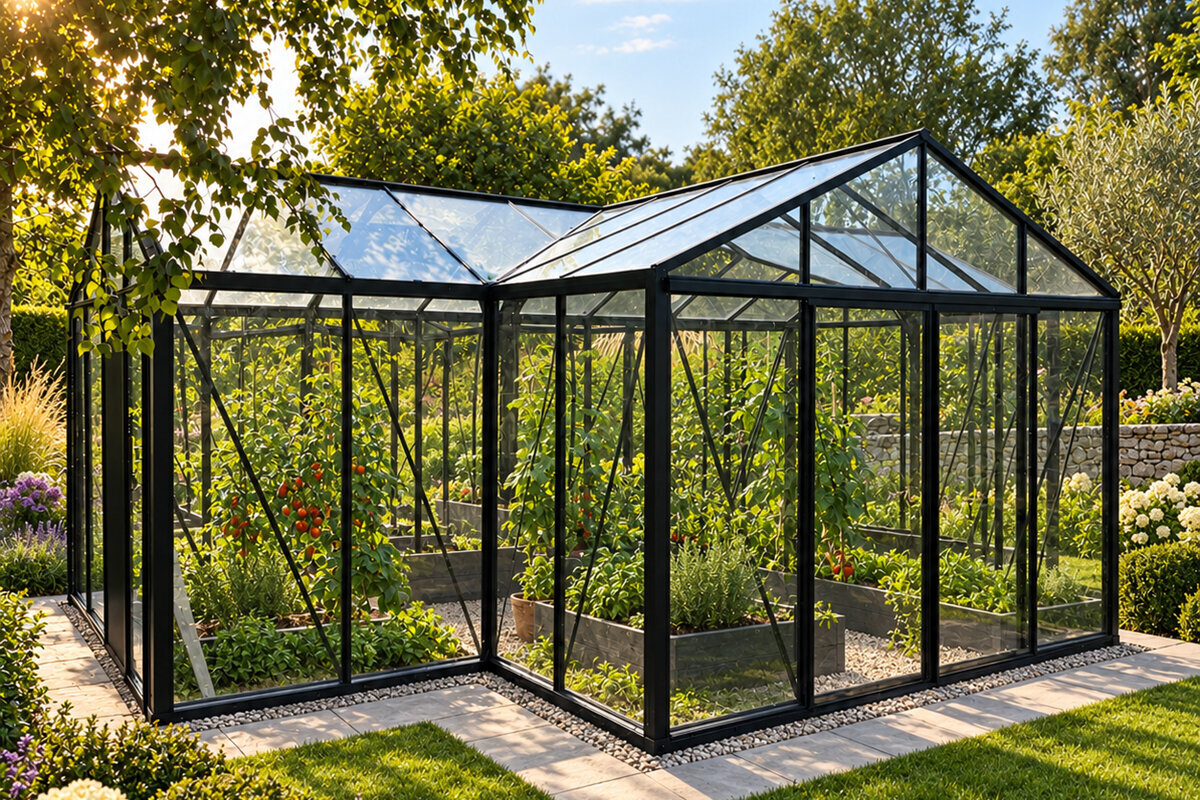
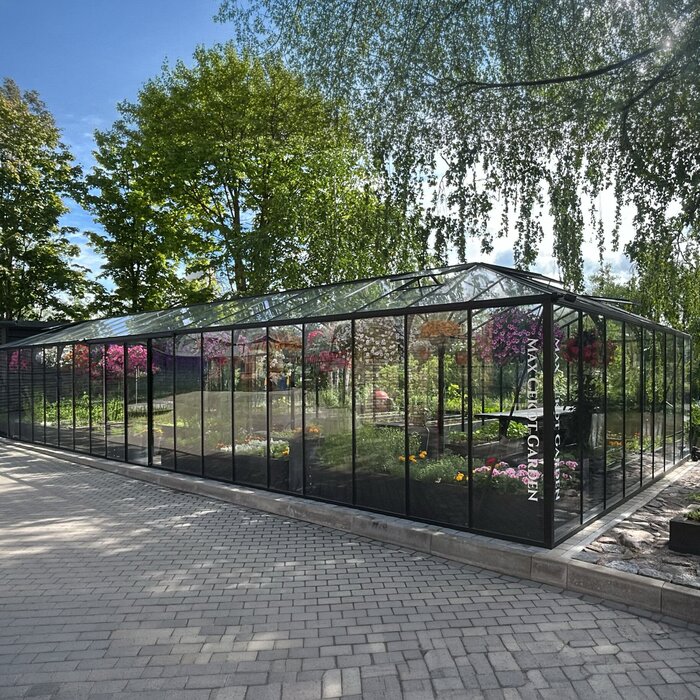
Spring greenhouse planning
Order with the spring finish date in mind
Knowing when to order a greenhouse for spring is less about choosing a calendar month and more about working backwards from the day you want to begin growing. A clear sequence helps British homeowners prepare the site, coordinate installers and make decisions without a last-minute rush.
A spring greenhouse can transform the gardening year, giving seedlings, early salads and tender plants a more protected place to begin. Yet the structure itself is only one part of the project. Ground conditions, a sound base, access through the garden and the availability of anyone helping with installation all need time and attention before planting can start.
Begin by deciding what “ready for spring” means in your own garden. It may mean having benches in place before seed trays appear, or simply having the structure completed while the garden is still quiet. Set that target date first, then allow separate windows for selecting the greenhouse, confirming the site, preparing the foundation and arranging assembly.
Weather can make every outdoor task less predictable, especially through late autumn and winter. That is why an early, flexible plan is more useful than chasing a universal ordering date. The best approach is to resolve the choices that affect the base and access well ahead of your desired completion, while keeping practical contingency for wet ground or changing household schedules.
01 · Timing
Set a realistic spring completion date
The most useful answer to when to order a greenhouse begins with your growing plans. If you hope to raise plants early, the greenhouse should be assembled, cleaned and organised before trays and compost compete for attention. If it is primarily for summer tomatoes or a sheltered sitting corner, your target may be later. Defining the use clarifies how much preparation time you genuinely need.
Treat the desired completion date as a working milestone rather than an immovable deadline. Include time for checking the finished base, receiving the structure, arranging help or professional fitting, and setting out internal equipment. A modest contingency makes the plan resilient when a wet weekend delays groundwork or a family commitment changes the installation day.
- Write down the first job you expect the greenhouse to support, such as seed sowing, hardening off plants or sheltered potting.
- Separate the “structure complete” date from the “ready to grow” date, allowing time for cleaning, staging and organisation.
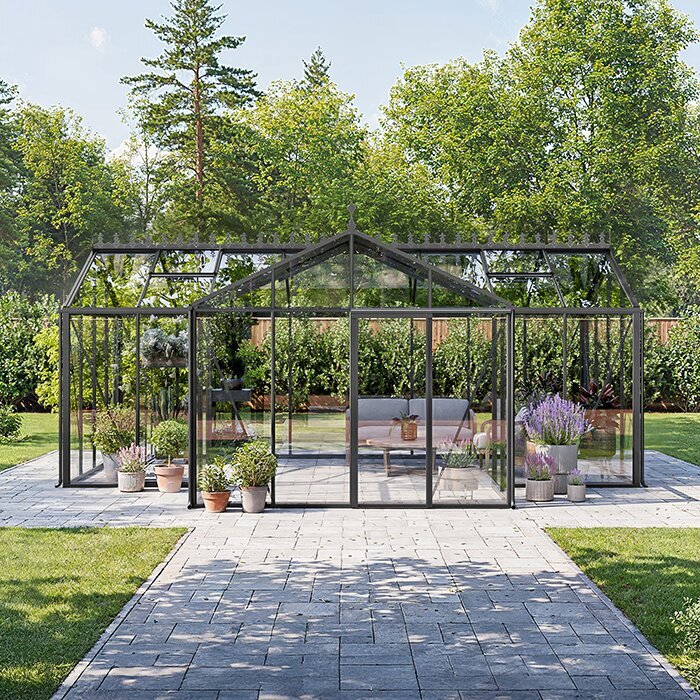
For a freestanding garden focal point, explore a standard Classic greenhouse design that can shape the layout from the outset.
02 · Site first
Confirm the position before placing an order
A greenhouse choice should follow the garden, not the other way around. Walk the proposed area at different times of day and notice shadows from the house, fences, mature trees and neighbouring buildings. Consider how you will carry compost, plants and watering cans to it, as well as the view from indoors. A convenient position is far more likely to become part of everyday gardening.
Measure carefully, including space around the footprint for glazing work, cleaning and general maintenance. Think through door clearance, paths, drainage falls and whether a wheelbarrow can reach the site without squeezing through a narrow turn. If the garden slopes, discuss the implications with whoever will prepare the foundation. Resolving these matters before ordering avoids a difficult compromise later.
- Mark the proposed footprint with canes or string, then live with it for a few days before making a final decision.
- Check the route from delivery point to garden, noting gates, steps, corners, overhead branches and surfaces that may be soft.
Where a sunny wall offers a natural setting, consider a full-size regular Lean-To greenhouse as part of the house-and-garden composition.
03 · Groundworks
Allow proper time for the base
The base is the quiet foundation of a successful greenhouse project. It needs to suit the chosen structure, be level, drain appropriately and be completed with enough time to check its finish. Rushing this stage can create avoidable difficulty during assembly, particularly if the garden has been disturbed by excavation, rain or materials movement. Obtain the relevant product guidance before finalising dimensions and construction.
Choose a method that makes sense for the site and your confidence level. Some homeowners are comfortable managing preparation themselves; others prefer a local groundwork specialist. Either way, identify utilities, consider runoff and plan how excavated material will be handled. If you are unsure whether a proposed base or location needs formal consent, consult the relevant local authority before work begins.
- Agree the exact finished footprint with the product information before materials are ordered or concrete is poured.
- Schedule groundwork separately from greenhouse assembly so each trade or helper has clear access and adequate working space.
A square, carefully prepared foundation is especially important for a standard Classic greenhouse model positioned as a freestanding garden room.
04 · Access
Plan delivery and installation as one sequence
Delivery planning is not just about the vehicle reaching your address. Think through where packages can be placed temporarily, how they will move through the property and whether the installation area will remain clear. Protect vulnerable planting, move garden furniture and avoid creating a route across freshly laid surfaces. A brief site walk with anyone assisting can reveal practical obstacles that measurements alone do not show.
Installation also benefits from an agreed division of responsibility. Decide who will inspect the base, receive the components, provide tools where appropriate and keep children or pets away from the work area. If you are using an installer, discuss the finished site condition and access requirements in advance. Confirm current arrangements directly rather than assuming a standard timetable will suit every property.
- Keep a dry, secure holding area available if components cannot be taken straight to the prepared base.
- Photograph tight access points and share accurate measurements with installers or helpers before the day is arranged.
A wall-side project rewards careful route planning, particularly with a regular full-size Lean-To greenhouse that must meet its chosen elevation accurately.
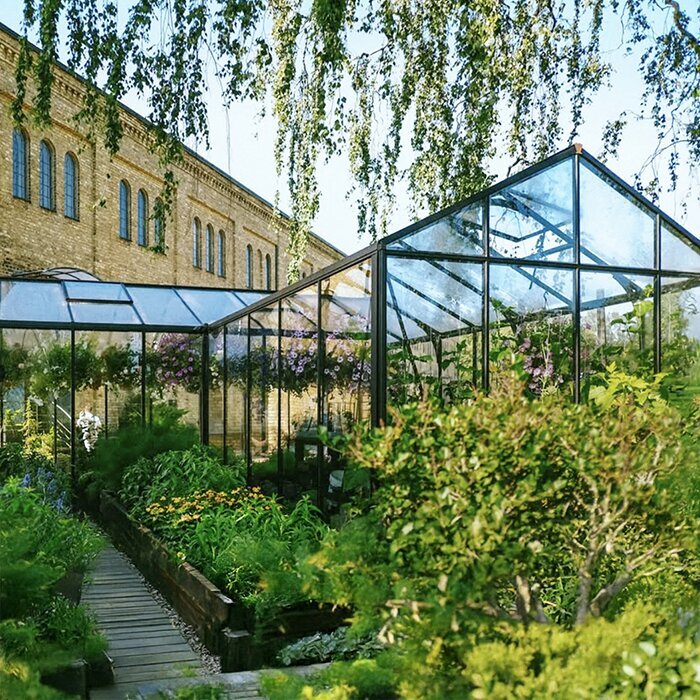
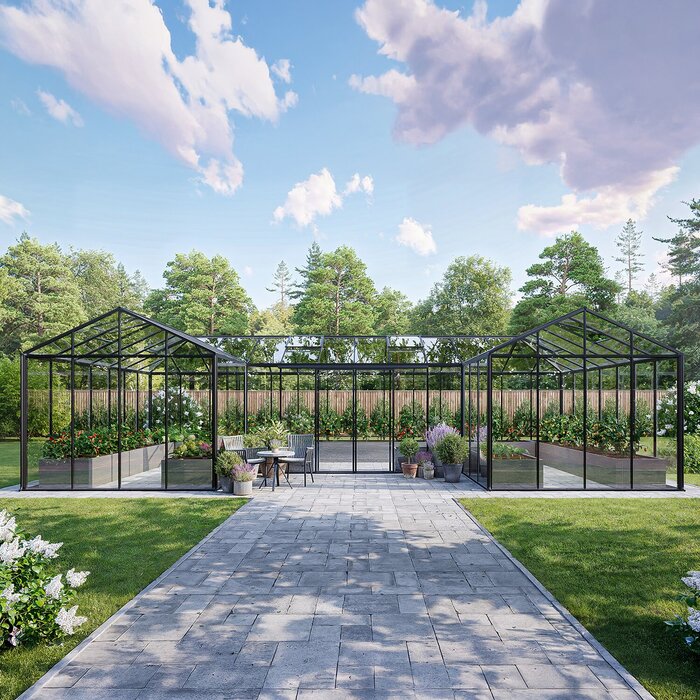
05 · Seasonality
Use the quieter garden months wisely
Autumn and winter can be productive planning seasons because borders are often less demanding and the garden’s structure is easier to read. You can see where low sun falls, identify puddling after rain and assess the effect of bare branches on light. Use this time to select a location, settle the design and organise groundwork, rather than leaving every decision until the first mild weekend.
That does not mean every task must happen in cold weather. Frozen ground, persistent rain or poor access can make certain jobs unsuitable, so work in stages. Indoor decisions such as measurements, layout sketches and installation conversations can continue while you wait for better conditions. By spring, the aim is not to have hurried through winter, but to have removed the preventable uncertainties.
- Observe the intended site after rain to understand drainage before committing to the base position.
- Use quieter evenings to plan shelving, potting space and storage, so the greenhouse layout is ready when assembly finishes.
For gardeners creating a central destination, a freestanding standard Classic greenhouse supports a clear, all-season plan for the plot.
06 · Coordination
Match the project to household schedules
A greenhouse installation can be straightforward in concept but still needs a protected slot in a busy household calendar. Consider school holidays, travel, other building work and the availability of the people whose help you expect. Avoid arranging groundworks immediately before an event that prevents you from checking the site. A little coordination creates the calm needed to notice details rather than simply race through a list.
If professionals are involved, ask what they need from you before committing to a date. They may need a completed base, unobstructed access or a decision on where components can be set down. If you plan to assemble it yourself, allow for more than the build itself: opening packages carefully, sorting parts, reading instructions and clearing up all take time. Keep the schedule adaptable.
- Choose one household contact to hold measurements, product details and installation notes in a single accessible place.
- Avoid overlapping greenhouse work with landscaping that could block paths, damage a finished base or restrict safe access.
When integrating growing space with the home, a full-size Lean-To greenhouse in the regular range merits an installation date with no competing site work.
07 · Budgeting
Make decisions before work begins
Ordering early is valuable because it gives you time to consider the whole project rather than only the structure. Include groundwork, any professional assistance, internal growing equipment, access improvements and finishing touches in your thinking. Costs vary with the site, chosen greenhouse and local services, so use current quotations for decisions. A clear brief helps you compare like with like and avoids an incomplete budget.
Planning permission, building-related requirements and insurance questions are property-specific. A greenhouse may raise different considerations depending on its size, placement, conservation status or proximity to boundaries. Do not assume a neighbour’s experience will apply to your home. Check with the relevant local authority where needed, and tell your insurer about a significant addition if their policy terms require notification.
- Request quotations against the same written scope, including base preparation, access constraints and any work you expect others to complete.
- Keep a small practical contingency for site discoveries or finishing work rather than treating the greenhouse purchase as the entire project.
A defined site brief makes it easier to choose a Classic greenhouse in the standard range with confidence and plan the surrounding garden work.
08 · Readiness
Finish the greenhouse before the growing rush
The final stage is what turns an installed greenhouse into a useful spring workspace. Clean the glazing, check that doors and ventilation elements operate as intended, and arrange staging so there is room to move. Think about where water, compost and labels will sit before the first tray arrives. This is also a good moment to read the care guidance and establish a routine for opening, closing and tidying.
Do not fill every surface immediately. Leave a clear potting zone and observe how light travels through the space on a bright day. Early spring temperatures can vary sharply, so monitor conditions and introduce plants gradually according to their needs. By ordering and preparing in good time, you gain the greatest benefit: a greenhouse ready to support the garden when the season gathers pace.
- Test your working route from tap or water butt to greenhouse before seedlings make regular watering a daily task.
- Prepare labels, trays and a simple cleaning kit in advance, keeping a central surface clear for sowing and potting.
For a house-adjacent growing area ready for daily use, view a full-size wall-attached regular Lean-To greenhouse while finalising your spring layout.
Comparison
Which planning approach suits your garden?
There is no single correct ordering moment. The better route depends on whether your priority is early sowing, a complicated site, professional help or simply a calmer garden project. Compare the planning patterns below, then build in flexibility around local conditions and current arrangements.
| Planning approach | Best suited to | What to settle first |
|---|---|---|
| Early, measured planning | Early spring growing ambitions | Site, base design, access and layout |
| Autumn site preparation | Gardens with demanding borders | Drainage, excavation route and planted areas |
| Winter decision-making | Households awaiting better ground conditions | Model choice, measurements and installation plan |
| Spring completion focus | Later seasonal planting plans | Clear base, helpers and internal setup |
| Professional coordination | Complex access or limited time | Scope, site readiness and current availability |
Work backwards from your growing date
Use this sequence as a practical framework, then adjust it for your garden, the weather and the people involved. The objective is a finished, usable greenhouse rather than a delivery date alone.
01
Define the first use
Decide what you want to do first inside the greenhouse: sow seeds, shelter young plants, grow crops or create a potting area. This sets a meaningful completion target.
02
Survey the garden
Measure the intended position, watch the light, assess drainage and trace the route through gates and paths. Record constraints before choosing the footprint.
03
Choose and confirm
Select a greenhouse that suits the location and desired use. Check product guidance, discuss any uncertainties and establish what the finished base must provide.
04
Prepare the foundation
Arrange materials or local help, then complete the base with time to inspect its level, dimensions and access around it before assembly is planned.
05
Arrange completion
Confirm current delivery and installation arrangements when ready, protect the work area and reserve time afterwards for cleaning, staging and your first planting session.
Spring greenhouse ordering checklist
Before you place an order, run through this list with the proposed site in view. Each answer should make the next stage clearer, from product selection through to a tidy first day of growing.
01. Set a target date when the greenhouse must be ready to use, not simply present in the garden.
02. Measure the footprint, surrounding working space, doors, paths and all pinch points along the access route.
03. Observe light and shade across the day, including shadows cast by fences, trees, outbuildings and the house.
04. Check ground conditions after rain and decide how surface water will be managed around the proposed base.
05. Confirm the required foundation details using the relevant product information before commissioning any groundwork.
06. Consider whether local authority advice is needed for your particular property, position or project scale.
07. Agree who will receive components, prepare access and assemble the greenhouse, then keep their calendars aligned.
08. Plan benches, storage, watering and a clear potting area so spring growing can begin without further disruption.
Frequently asked questions
How far ahead should I start planning a spring greenhouse?
Start when you can still make unhurried decisions about the site and base. For many gardens, that means beginning well before the desired growing season rather than waiting for spring warmth. The exact lead time depends on ground conditions, access, your chosen setup and whether you need outside help, so work backwards from your own completion date.
Can I order a greenhouse before the base is built?
You can make product decisions while groundwork is being planned, but confirm the required foundation details before construction begins. The base must match the chosen greenhouse and be properly finished before assembly. Coordinate current ordering and delivery information directly with the supplier, while avoiding a schedule that depends on unfinished groundworks.
Is winter a bad time to prepare a greenhouse site?
Not necessarily. Winter can be useful for surveying light, drainage and access, while the garden is less crowded with growth. However, wet or frozen conditions may make excavation or concrete work impractical. Use the season for decisions and preparation, then schedule physical work when the site and weather make it sensible.
What should I check before arranging installation?
Check that the base is complete, level and clear around its edges, and that the route to it is accessible. Confirm where components can be set down, remove trip hazards and protect nearby planting. If someone else is fitting the greenhouse, discuss their current site requirements and any access measurements in advance.
Do I need planning permission for a greenhouse?
Requirements depend on the property and project, including location, dimensions, boundaries and any special designation affecting the home. Do not treat general guidance as a decision for your own address. Review official information and contact the relevant local authority if you need confirmation before ordering or starting groundworks.
When can I begin using the greenhouse after assembly?
Once assembly is complete, take time to clean the space, check moving parts according to the guidance and arrange your working surfaces. You can then introduce plants in line with their seasonal needs and the conditions inside. Having labels, watering equipment and a potting area ready makes the first days considerably easier.
Explore greenhouse styles
Plan early, grow more calmly
The best time to order a greenhouse for spring is the point at which you can still give the site, base and installation plan proper attention. Start with the date you want to be growing, then work backwards through the decisions that make that possible. A flexible schedule is far more valuable than an optimistic rush.
Use the planning stages to turn a promising garden idea into a workable project. With the position measured, groundwork considered and access organised, the final installation becomes one part of a coherent plan. Bloomcabin can help you explore greenhouse styles that fit the way you want to garden.
Find a greenhouse shape that suits your site, spring ambitions and garden rhythm.
