
Window and Door Warranties: Coverage, Exclusions and Claims Explained
Buying guide
A warranty question often begins before a new window or door arrives: who confirms the final opening size, who stores the unit safely on site, and who returns if adjustment is needed after fitting? These details matter because a window or door is both a manufactured product and part of a larger retrofit or building assembly. A product fault, handling damage, an unsuitable opening and poor installation can produce similar symptoms, yet responsibility may sit with different parties. Start by coordinating the survey, access, delivery and installation scope. Bloomcabin windows and doors have a 5-year warranty. Before ordering, obtain the terms for the exact configuration and establish in writing the claim route, the installer’s workmanship responsibility and the records you should retain.
01 / Review the order
Begin with the project handover, not the headline period
A five-year period does not by itself explain what happens when a product needs attention. Obtain the warranty applicable to your order before confirmation, then read it beside the quotation and product schedule. Check the purchaser, site address, quantities, handing, sizes, finishes, glazing choices and accessories. These records establish what was supplied. If a contractor orders for you, agree who receives the documents and who may raise a query. Clear wording that identifies the covered item, remedy and contact is more useful than a broad verbal assurance that everything is covered.
Consider the complete route from delivery vehicle to finished opening. On a replacement project, clarify who removes existing units, checks the revealed opening, protects internal surfaces and makes good afterwards. For larger work, assign responsibility for lifting access, storage and coordination with plastering or cladding. A scratch recorded at delivery, a frame distorted during storage and a door catching after later building work require different investigations. Name the contacts for product and workmanship concerns, record when responsibility transfers, and agree how delivery or handover issues will be documented.
Match questions to the way the unit operates
A non-opening window and a frequently used entrance door present different service questions. A fixed unit has no everyday moving hardware, so enquiries can focus on glazing, seals, frame appearance and the perimeter interface. An opening sash adds hinges, handles, locking points and adjustment. Sliding, folding and pivoting arrangements have their own movement paths. This does not make one design inherently more dependable; it means the warranty must be checked against the actual product family. For a fixed non-opening window, ask how the glass and frame are identified on the order.
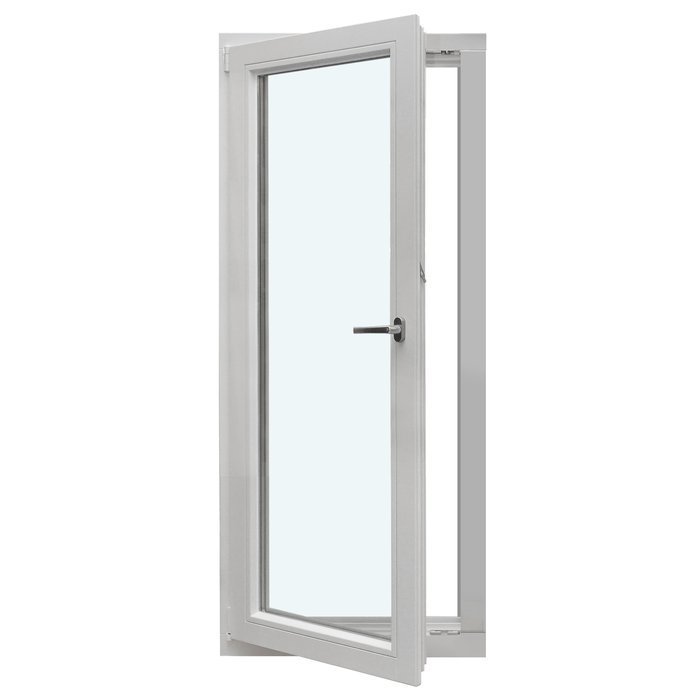
Think about intended use before deciding which operating style to buy. A single-leaf inward-opening patio door needs sufficient internal clearance from furniture, blinds and floor coverings; an outward-opening alternative needs unobstructed exterior space. Ask what normal operation and routine adjustment look like, which items must not be altered and whether service work needs prior authorisation. Record the handing and opening direction when approving the schedule. If operation later changes, film the whole leaf or sash moving as well as the point where contact, hesitation or unusual noise occurs.
02 / Check delivery
Separate product cover from fitting and building work
The central boundary in many claims is between a product issue and an installation or building-interface issue. A correctly manufactured unit may perform poorly if the opening is unsuitable, support is incomplete, the frame is restrained incorrectly or subsequent work affects its position. Careful fitting cannot correct a defective supplied component either. Ask the installer for separate written workmanship terms, including the post-installation inspection and return-visit process. Ask the supplier whether its warranty covers only the supplied product or also an expressly agreed service, particularly when different businesses survey, purchase and install.
At handover, compare every delivered item with the schedule, inspect visible surfaces in suitable light and operate each leaf without forcing it. Record incomplete trims and surrounding work separately from product observations. A side-sliding patio door forms part of an installed assembly, while the floor build-up, threshold interface, external paving and nearby finishes may involve other trades. Retain dated photographs taken at delivery and completion. They do not prove responsibility by themselves, but they establish a useful baseline against which later accidental damage, alterations or movement can be considered.
Read coverage by component and remedy
Ask what is covered component by component, because the words “window” and “door” can conceal several different parts. Terms may address the frame, sash or leaf, glazing unit, seals, hardware, handles, locks, factory-applied finish and manufacturing workmanship differently. Check whether accessories listed on the order are included. For a panelled outward-opening entrance door, establish how the leaf, frame, supplied hardware and any adjacent ordered element are treated. A simple comparison sheet listing every unit, relevant component and applicable period makes unclear wording easier to identify before purchase.
The remedy matters as much as the covered component. Depending on the written terms and assessment, the response might be inspection, adjustment, repair, component replacement or unit replacement. Do not assume that a product remedy includes removing internal finishes, redecorating, providing access equipment, arranging temporary security or paying another installer. Ask who authorises each stage and who coordinates removal and refitting if required. Compare suppliers on the clarity of these answers, not solely on a prominent duration. Specific wording about parts, costs and process is more usable than an undefined promise of comprehensive cover.
03 / Record handover
Recognise exclusions before they cause disagreement
Exclusions explain when cover may not apply, so read them before work begins. Look for references to accidental damage, misuse, inadequate care, normal wear, unsuitable cleaning, faulty fitting, site conditions, unauthorised alterations and later building work. If a term is unclear, describe your proposed installation or modification and request a written answer rather than guessing. A unit removed and refitted during later façade work presents a different history from one that remains untouched. Understanding such boundaries helps you coordinate future work without inadvertently complicating the original claim route.
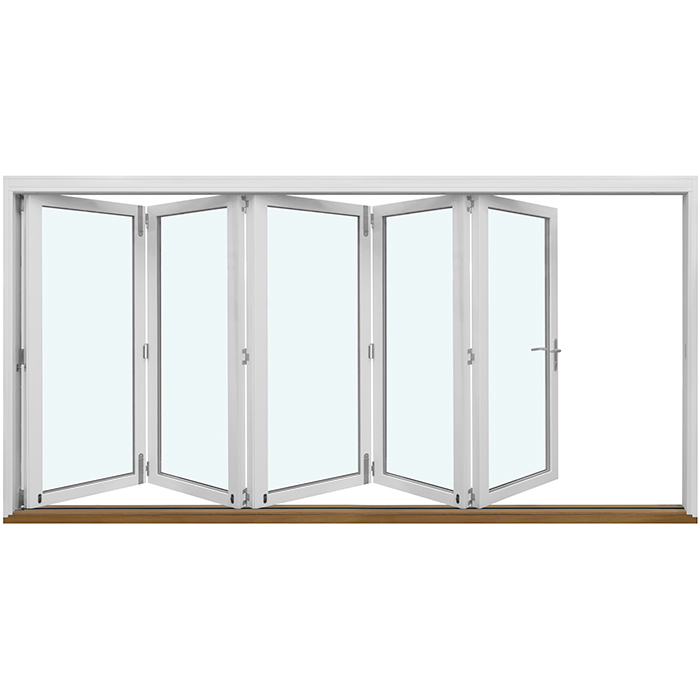
Site protection is particularly important during phased refurbishment. Abrasive dust, paint, adhesive residue, tools and stored materials can affect surfaces or moving parts. Agree who protects installed units and who may remove packaging or temporary coverings. Around an outward-opening bifold door, keep the operating area and threshold clear rather than using them for storage or site access. Follow the supplied cleaning guidance. Before fitting third-party film, extra security equipment or replacement hardware, check whether approval is required. Resolving that question beforehand preserves both the original condition and a clearer record of responsibility.
Make maintenance a documented routine
Maintenance is part of managing an operating building component, not evidence that it is unreliable. Follow the care instructions supplied for the order, particularly for cleaning surfaces, removing accessible debris and checking normal handle and lock movement. Do not improvise with abrasive cleaners, unsuitable oils or tools. Periodically note whether opening effort changes or a sash begins to touch where it previously cleared. Record the observation and stop forcing the product. Repeated force may worsen damage or obscure what began as a limited adjustment issue that could otherwise be assessed clearly.
Records can remain simple: retain the care guide, date relevant photographs and save details of authorised servicing. This is useful for frequently operated products such as double-leaf outward-opening patio doors, where gradual changes can be difficult to notice. Describe facts precisely: “the right leaf touches the upper frame while closing” is more informative than “the door is faulty”. Note any recent impact, decorating or building work that may be relevant. Do not dismantle hinges, locks or glazing unless you have the necessary competence and written authorisation, because inspection of the original condition may be important.
04 / Follow care guidance
Inspect at delivery and during installation
Delivery is the first opportunity to compare the product with the confirmed order. Where practical, check package counts, labels, obvious transit damage and whether configurations match the schedule before signing the delivery record. If wrapping or restricted access prevents immediate inspection, note that limitation and follow the stated reporting procedure. Photograph any concern in context, including the package and identifying label as well as the detail. Keep labels, packing information and delivery documents until all units have been matched to the schedule, particularly where several similar windows are stored together.
Installation creates another useful inspection point. Before linings and external finishes conceal the perimeter, ensure operation has been checked and concerns logged. A Kombi combination window may contain more than one opening element, so operate and observe each one separately. Record the condition of the sill and reveal before trims are fitted; later dampness, movement or cracking in surrounding construction may require a wider investigation. Ask which adjustment checks the installer performs and whether any follow-up visit forms part of its service. Store the workmanship handover and product warranty together, but keep their responsibilities distinct.
Build a claim file that answers the first questions
If a potential problem appears, assemble a concise claim file. Include the order confirmation, proof of purchase, available product labels, delivery and installation dates, installer details, photographs and a neutral description of the symptom. State when it began and whether it is constant or intermittent. For an operating problem, provide still images of the complete unit and relevant detail, plus a short video if useful. For moisture or condensation, record its exact location and the visible circumstances without assuming a cause. Clear evidence helps the recipient decide whether further information or inspection is required.
Follow the contact route stated for the order. Identify the site and affected unit, explain the concern briefly, attach relevant files and ask what happens next. With a pivot roof window, evidence should only be gathered from a safe position; do not create a fall risk to film its operation. If there is an immediate security or weather concern, take proportionate protective action, preserve evidence and notify the appropriate party promptly. Avoid extensive remedial work until the assessment route is clear, but do not allow preventable damage to worsen merely to preserve the untouched condition.
05 / Submit the claim
Handle diagnosis, visits and remedies carefully
A claim begins with establishing facts rather than assigning blame. The supplier, installer or appointed inspector may ask for photographs, measurements, maintenance information or access to the unit. Ask who will attend, what they intend to examine and whether anything should remain untouched beforehand. Keep a dated record of messages, attachments, appointments and agreed actions. If an installer has already adjusted the product, note who performed the work, what was changed and when. A reliable chronology becomes especially useful when the symptom is intermittent or several businesses have attended the property.
When a remedy is proposed, request a clear written scope. Establish whether the visit is for diagnosis, adjustment, component repair or replacement, and identify who arranges removal, refitting and any associated access. For an unusual shape, such as a fixed triangular or angled window, measurements, protection and working space may need careful coordination. Replacing one component does not necessarily mean adjacent elements or finishes will also be renewed. Confirm authorisation, site preparation and the completion record before work starts, then inspect the result and store the service documents with the original order file.
Compare suppliers without false equivalence
Ask every supplier the same questions in writing: how long is cover, which components are named, which exclusions apply, what remedies are available, who receives a claim and what evidence is required? Establish whether labour forms part of the product warranty or sits under a separate installation agreement. This prevents a misleading comparison between one quotation with a prominent duration and another with a more detailed procedure. Keep sales correspondence, quotation notes and final documents together, and resolve differences before accepting the order rather than relying on an informal statement that may not describe the final configuration.
Choose the product that suits the opening, building and daily routine rather than the easiest warranty headline. An outward-opening side-hung window may fit one room and external setting, while another operating method may suit a constrained location. Ask whether the chosen configuration brings particular access, cleaning or adjustment considerations and whether the installer regularly handles that type. Bloomcabin provides a 5-year warranty for windows and doors, subject to the applicable order terms. Confirm those terms, the claim contact and installation responsibilities while ambiguities can still be corrected in the quotation and schedule.
Frequently asked questions
Does a five-year window or door warranty cover installation?
Not automatically. Product warranty and installation workmanship may be separate, particularly when an independent installer fits the units. Before ordering, confirm what Bloomcabin’s order-specific warranty covers and obtain the installer’s written workmanship terms. Establish who investigates operational issues, perimeter concerns or visible damage found after fitting.
What should I keep in case I need to claim?
Keep the order confirmation, proof of purchase, product labels, delivery record, installation details, care instructions and dated photographs. If a problem occurs, add a concise symptom log and useful video. Retain records of adjustments, repairs and later building work so the parties can establish an accurate sequence of events.
Are scratches and site damage normally warranty issues?
The applicable terms and evidence determine how a concern is assessed. Damage might occur in transit, storage, installation or later work. Report it promptly, photograph the wider context as well as the detail, and avoid concealing it with an attempted repair. Ask the relevant party to confirm the inspection process.
Can I arrange my own repair before making a claim?
Ask first. Unauthorised repairs, replacement parts or alterations may prevent inspection of the original condition and may be addressed by exclusions. If immediate action is necessary to protect the property, document the issue, notify the relevant contact promptly and request written guidance on temporary measures and the next step.
What if a door starts catching several months after installation?
Describe the symptom without assuming its cause. Note where it catches, when it began and whether impact, adjustment or building work occurred. Contact the appropriate warranty or installer service route with photographs and records. Assessment may need to distinguish between the product, routine adjustment, installation and movement in the surrounding construction.
Next steps
The best time to understand a warranty is while the window or door schedule can still be corrected and responsibilities can still be recorded. Confirm the supplied configuration, retain the documents that identify it and separate product cover from surveying, installation and making-good work. Read exclusions and remedies as carefully as the headline period. Inspect methodically at delivery and handover, follow the supplied care information and report changes promptly. If a concern arises, clear photographs, dates and a neutral description help the relevant parties focus on diagnosis. Bloomcabin windows and doors have a 5-year warranty; review the terms for your confirmed order before purchase.
