
Window Condensation: Inside, Outside and Between Panes
UK window buying guide
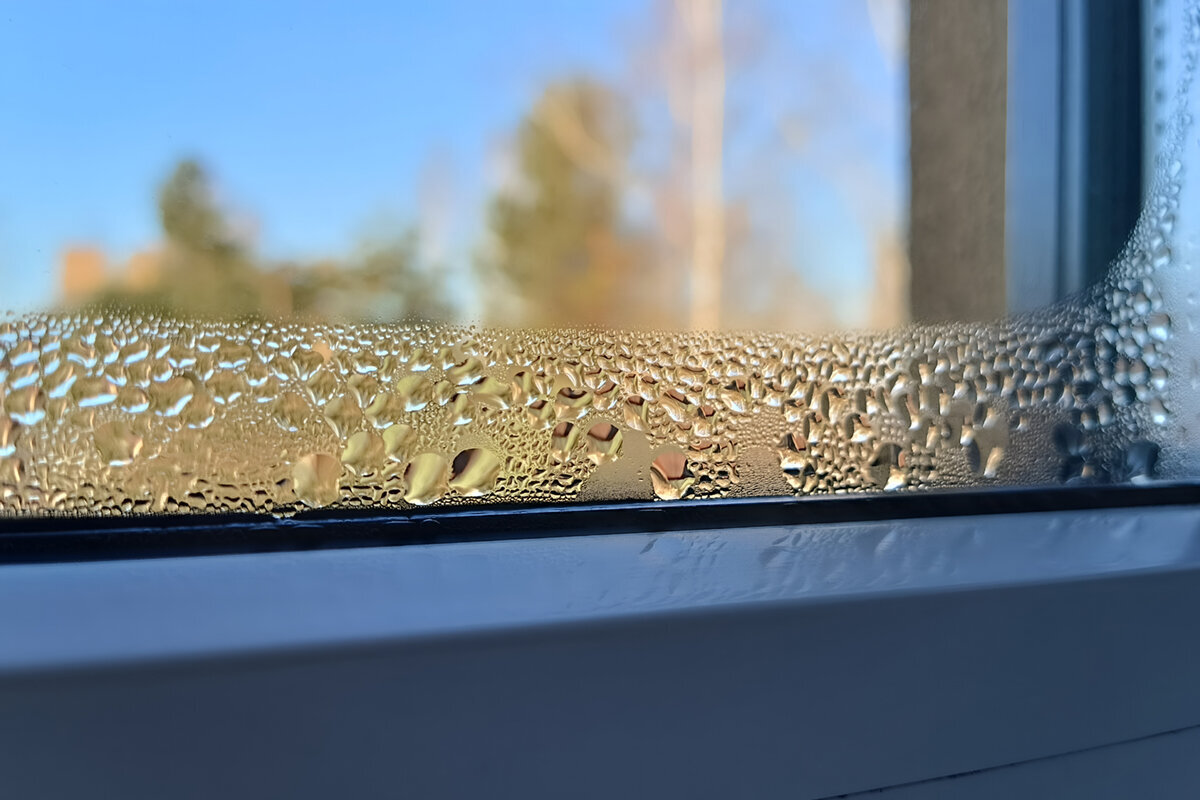
Condensation is often first noticed during a retrofit: the kitchen is finished, furniture has returned and water appears on the window at breakfast. Before assuming the glazing has failed, locate the moisture precisely. A film on the room-facing glass, droplets on the outer pane and mist trapped between panes have different causes and next steps. The useful question is not simply whether a window is “condensing”, but which surface has fallen below the dew point, how often it happens and whether the room is releasing more moisture than ventilation can remove. This guide connects those observations with window specification, access and installation planning. It explains when changed household routines are worth testing, when the whole opening needs investigation and when a sealed glazed unit may require professional assessment.
Start by identifying the exact surface
Looking through several layers of glass can be misleading. Carefully pass a dry cloth over the room-facing surface. Water that wipes away is internal-surface condensation. If that face is dry, view the pane from an angle to see whether droplets are outside. Haze or beads that cannot be reached from either side may be within the sealed unit. Note the room, time, weather, heating state and recent activities such as cooking, showering or clothes drying.
Inspect the entire opening, not just the centre of the glass. Moisture at a lower edge, corner, decorative bar or frame may mark a colder area, although gravity can also carry water downwards. Photograph the condition before wiping it and repeat the observation on a comparable day. Record closed curtains, switched-off radiators, unused extractors, covered ventilation features and furniture close to the opening. This evidence gives a surveyor more to work with than the general description “the windows are wet” and helps distinguish an occasional event from a persistent pattern. A short observation diary is particularly useful when several people share the home. Record whether bedroom doors were open, how many rooms were occupied, whether laundry was drying and when extraction was used. Keep the wording factual rather than diagnosing the cause: “lower inner pane wet at 07:30, dry by 10:00” is more useful than “window failed again”. Comparable notes can reveal whether an event follows a particular activity, room closure or weather pattern. They also help separate a condition affecting one opening from a simultaneous pattern across several rooms.
Why the room-facing pane becomes wet
Indoor air carries water vapour. When it touches a sufficiently cool inner pane, it cools and may no longer retain all that moisture as vapour, so droplets form. The relevant threshold is the dew point, which changes with moisture content and temperature. Bedrooms may show the effect after being closed overnight, while kitchens and bathrooms experience shorter, moisture-heavy periods. The glass is not producing water; it is revealing moisture already present in the air.
Surface temperature matters alongside humidity. Intermittently heated rooms, tightly drawn curtains, deep reveals and still air around furniture can leave parts of an opening cooler than the occupied room. In a replacement project, ask how the frame, glazing arrangement and installation junction are being considered together. A passive-house window with super-low Uw is a named high-performance outward-opening alternative, but its title does not establish suitability for a particular wall, opening or room. Request the proposed project configuration and supporting performance information rather than relying on the product name alone.
Reduce moisture at its source before blaming the window
Test the influence of obvious moisture releases over several comparable days. Use kitchen extraction while cooking, cover pans where appropriate and use bathroom extraction during bathing. Avoid drying laundry in living areas where possible; if that cannot be avoided, plan how the resulting moisture will be removed. Check whether extractor grilles are obstructed and whether household habits changed when the condensation started. The test does not diagnose the window, but it can reveal whether daily moisture load is driving the visible water.
Ventilation should remove moist air without becoming an improvised, uncomfortable draught. The suitable method depends on the dwelling and its existing ventilation arrangement, so do not block designed ventilation features merely because they feel cool. Moisture can also move from a bathroom or kitchen into cooler bedrooms and halls. Persistent mould, musty odours, breathing-related concerns or damp beyond window surfaces call for appropriately qualified whole-home advice. A replacement window alone should not be expected to correct an unidentified ventilation, heating or wider moisture problem.
Coordinate heating, coverings and opening style
A steadier indoor temperature can help surfaces remain above the dew point more effectively than sharp cycles of heating and cooling. This does not prescribe a heating strategy; it means cold zones deserve attention when interpreting condensation. Compare the middle of the pane, frame, lower edge and surrounding reveal. If water forms only behind a thick blind or curtain, restricted room-air movement is relevant. Pulling the covering clear on a comparable evening can show whether the pattern changes.
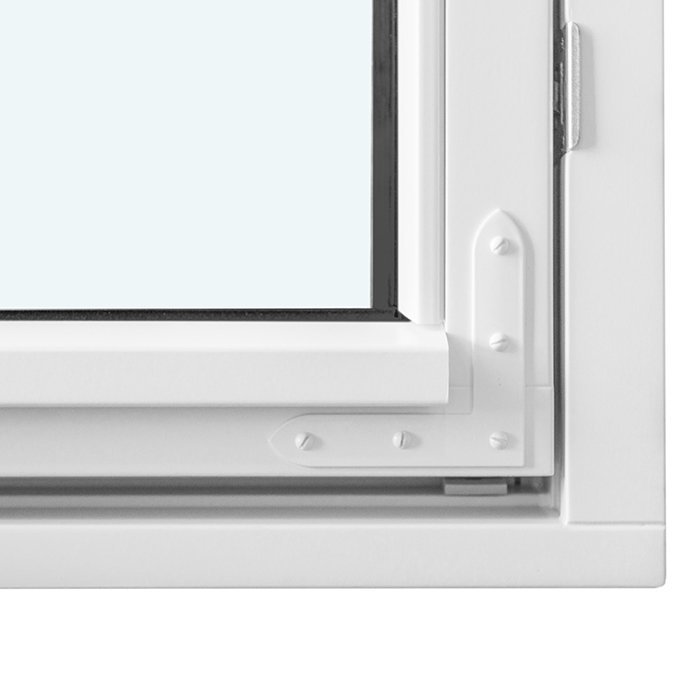
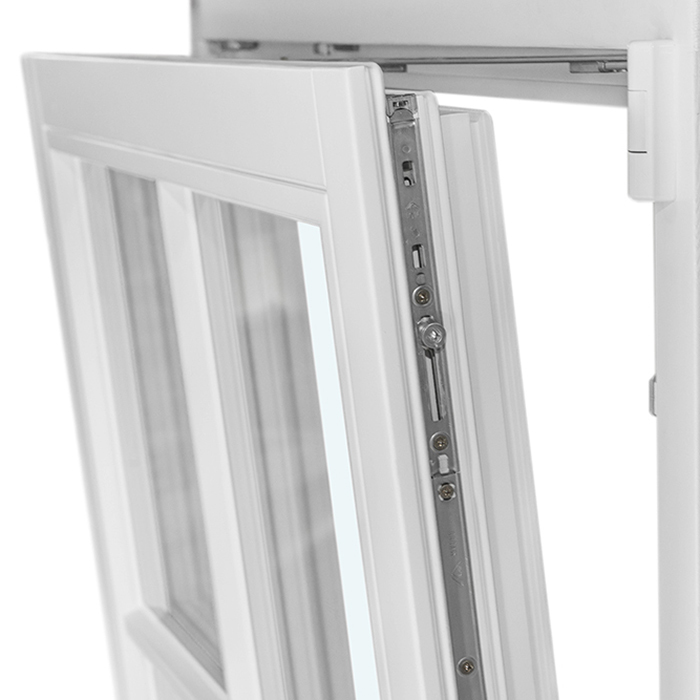
During a retrofit, decide where radiators, curtains, shutters, window boards and fitted furniture will sit. An inward-opening design needs enough swing space and reachable controls. A single-sash inward-opening window is one configuration to compare where internal access suits the room. For a character-led project, a historic-style combination outward-opening side-hung window is a distinct alternative rather than an equivalent operating design. In either case, place the opening arc, handles and nearby furnishings on the survey drawing. This prevents operation, cleaning access or curtain clearance becoming an after-installation problem.
External condensation can be a weather event
Droplets on the weather face differ from condensation on the room side. The outer pane can cool below the outdoor dew point, particularly during calm, clear nights and early mornings. It may then appear misty from the garden while the inside remains dry. The moisture commonly clears as the pane warms or air movement changes. By itself, this is neither proof of excessive indoor humidity nor proof of a faulty window. Confirm which surface is wet before altering household ventilation in response.
Exterior condensation can also be patchy. Sheltered panes, different orientations, nearby planting, eaves and neighbouring structures can alter how quickly areas cool or dry. Do not treat windows on separate elevations as though they experience identical conditions. Avoid abrasive tools and harsh chemicals when dealing with ordinary surface moisture. If the apparent condensation persists, inspect it in different light and from both sides. Residue on the glass, haze within the unit and water near a frame joint require different investigations, so retain dated photographs before cleaning obscures the evidence.
Moisture between panes requires a different response
Insulating glazing is manufactured as a sealed unit, and its cavity is not intended to be exposed to room or outside air. Condensation, a cloudy veil or marks genuinely inside that cavity cannot be reached by ordinary cleaning or ventilation. Loss of integrity in the sealed unit is one possible explanation. First exclude reflections and surface deposits by checking both accessible faces in different light. If the haze stays in the same internal position, record the affected pane or door leaf and photograph it from inside and outside.
The appropriate remedy may be replacement of the affected glazed unit rather than the entire frame or every window in the property. That depends on its construction, the surrounding components, matching requirements and professional findings. Do not drill the unit, separate the panes or apply an aftermarket seal. Bloomcabin windows and doors have a 5-year warranty, so gather the order confirmation and installation details before making an enquiry. Delivery is typically 4–6 weeks, subject to order confirmation. Obtaining a diagnosis before ordering reduces the risk of replacing more of the opening than the evidence supports.
Examine frames, edges and installation junctions
Water on a frame is not automatically water within the glazing. Glass edges and frames may be cooler than the pane centre, so room-side condensation can appear there first. Repeated moisture at the lower frame, reveal staining, peeling finishes, a sharply localised cold area or damp that continues after indoor moisture has fallen deserves closer examination. The investigator needs to distinguish surface condensation, rainwater entry and moisture associated with the wall or perimeter junction because they may look similar while requiring very different remedies.
For a replacement survey, provide photographs inside and outside, reveal depth, known wall construction, nearby insulation work, drainage details and access constraints. Discuss who measures the opening, where the frame will sit and who completes internal and external finishes. A fixed non-opening window may suit a position where light and outlook take priority, but it supplies no opening route for airing. Ventilation must therefore be resolved elsewhere in the design. An opening sash changes operating, safety, cleaning and furniture-clearance decisions, so specify the required function of each opening rather than repeating one window type throughout.
Match operation to the room’s moisture routine
Window operation should support how the room is genuinely used. Consider who will open it, how far it can move, whether rain could enter during airing and whether furniture obstructs access. A high-level opening may perform a different role from an easily reached main sash. In a bedroom, convenient daytime airing may matter; in a bathroom, extraction, privacy and reachable operation need to be considered together. No single opening style solves condensation universally. Its practical value depends on occupants being able to use it as intended.
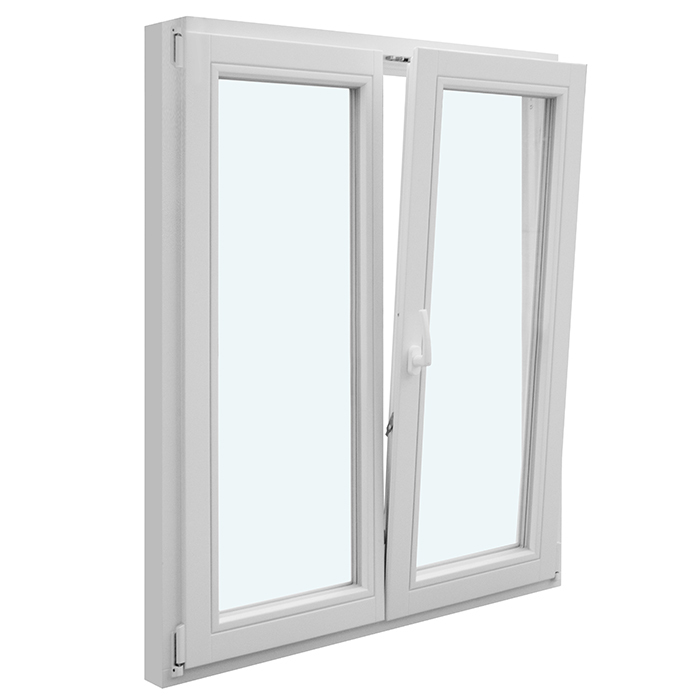
A two-sash arrangement can provide flexibility where the room layout permits it. A two-sash inward-opening window is a named configuration to discuss when internal access and the swing of both leaves suit the opening. Ask for directions and handle positions on the quotation or drawing rather than inferring them from an external image. If glazing bars are wanted, distinguish decorative bars from glass-dividing bars because they are different specification choices. Visual subdivisions also affect the number of edges that occupants must clean and inspect, making maintenance access part of the appearance decision.
Give roof windows and large openings separate checks
Condensation at roof level can be conspicuous because warm, moist air rises. A roof window above a bathroom, kitchen or stairwell should be considered within the full ventilation path. Establish whether moisture is on the inner face, outer face or within the glazing, just as with a vertical window. Staining around a lining or ceiling should not be diagnosed by appearance alone: condensation, plumbing, roof covering and junction problems require different expertise. Seek prompt investigation if staining spreads or surrounding material becomes soft.
A pivot roof window identifies an operating configuration, not a guaranteed ventilation or weather outcome. Before ordering, establish opening dimensions, lining arrangement, reachable controls, cleaning access and coordination with the roof build-up. Large garden openings need equally careful planning. side-sliding patio doors are an alternative where lateral movement suits the room, but threshold details, access and adjacent furniture still require project-specific review. Photograph water around large openings after rain and on dry, cold mornings; the contrast can help separate room-side condensation from a drainage or weather-exposure concern.
Turn observations into a room-by-room buying brief
A whole-house order is easier to compare when every opening has a functional brief. Record its room, dimensions to be confirmed by survey, desired opening direction, privacy needs, ventilation role, cleaning access, exposure, finishes and recurring condensation pattern. Identify whether it is fixed glazing, an opening window, roof window, patio door or entrance door. For a family room leading to a garden, an outward-opening bifold door is one named option to compare. Its suitability depends on external clearance, furniture, threshold planning and use in wet weather, not on condensation alone.
Compare quotations on a like-for-like basis. Ask what glazing configuration is offered, whether every element opens as expected, which measurements and sightlines are assumed, what perimeter work is included and who makes good the finishes. Any quoted thermal or acoustic information should relate to the proposed size and configuration rather than an unrelated example. Coordinate surveys with insulation, ventilation, electrical and decorating work so access and sequencing are understood. Property-specific technical and compliance questions should be checked with the appropriate qualified professional before the order is confirmed.
Frequently asked questions
Does condensation inside a window mean it needs replacing?
Not necessarily. It often occurs when moist indoor air reaches a cold inner surface, with heating, curtains, ventilation and room use all influencing the pattern. Persistent water, mould, staining or a cold perimeter still warrants investigation. Identify the wet surface and test manageable moisture sources before treating replacement as the only remedy.
Why is the outside pane wet while the inside is dry?
The exterior pane may have cooled below the outdoor dew point during still, clear conditions, often overnight. Moisture can then form outside while the room-facing surface stays dry. Observe whether it clears as the weather changes. External surface condensation is different from haze or droplets trapped within the sealed glazing unit.
Can condensation between double-glazed panes be wiped away?
No. Moisture genuinely inside the sealed cavity cannot be reached from either accessible surface. Check in different light to exclude reflections or deposits on the room and weather faces. If the mark remains within the unit, photograph it and arrange an assessment of the glazing and surrounding window before deciding what to replace.
Should I leave a window open all day to stop condensation?
Not automatically. The appropriate approach depends on the room, existing ventilation, weather, security and the activities producing moisture. Target steam from cooking, bathing and clothes drying, then observe the result. Do not obstruct designed ventilation features. Persistent mould or wider dampness requires a broader assessment rather than a single improvised airing measure.
What information is useful before a window survey?
Prepare photographs taken before wiping, approximate opening sizes, opening directions, dates, weather observations and details of nearby heating and ventilation. Note whether water is on the glass, frame, reveal, weather face or between panes. Include access restrictions and planned building work so the survey can address both diagnosis and installation coordination.
Practical next step
Condensation location determines the proportionate response. Room-side droplets point first towards indoor moisture, airflow and cold surfaces. Exterior droplets may reflect temporary outdoor conditions, while moisture between panes needs assessment as a possible sealed-unit problem. For replacement work, convert observations into a room-by-room brief covering operation, access, ventilation role, finishes and the perimeter junction. This avoids treating every wet pane as the same fault and gives suppliers and qualified professionals better evidence. Confirm the surveyed dimensions, complete configuration, responsibilities and order information before committing to manufacture or installation.
