
Window Glass Replacement Costs: Can You Keep the Frame?
UK window buying guide
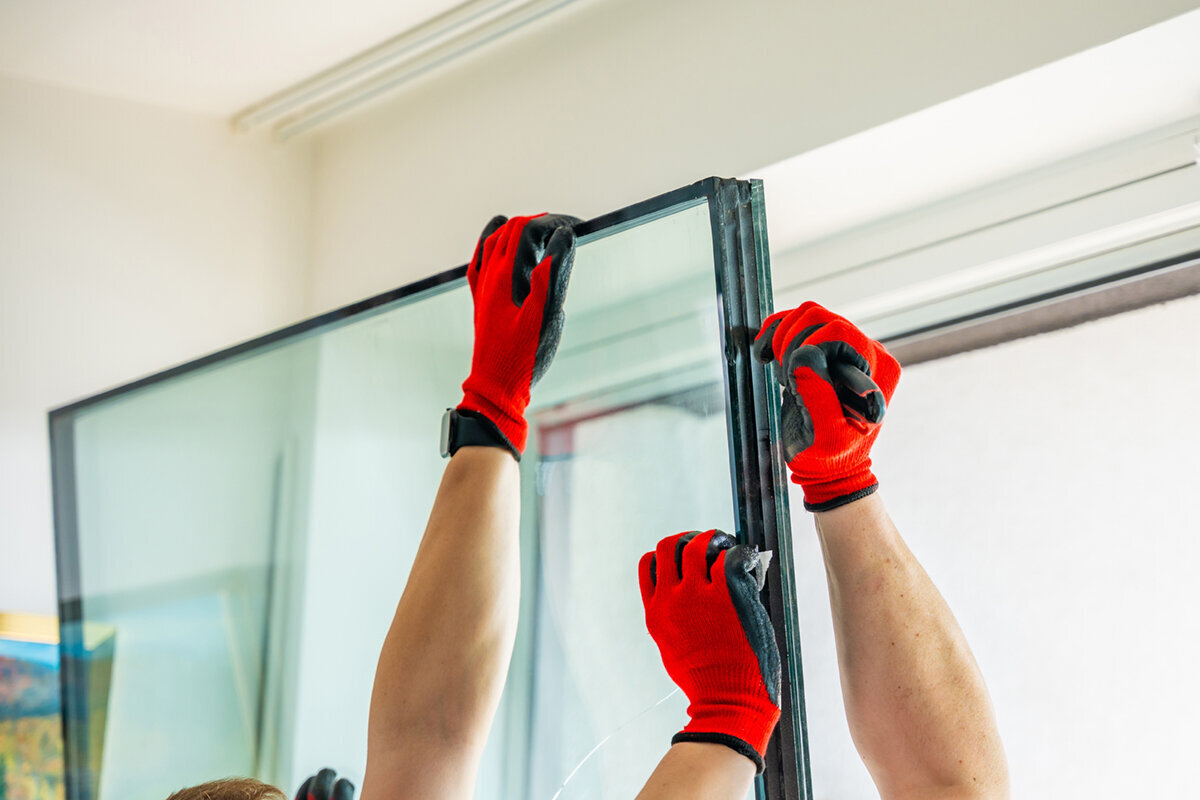
A cracked pane, condensation between panes or a smashed sealed unit can make a whole window look beyond repair. Yet replacement glazing may be the more proportionate scope when the existing frame, sash and operating gear remain stable. The practical decision is not simply “glass or new window?” It is whether the failed part can be removed, accurately remade and refitted without compromising the window’s operation, weathering or appearance. Start by coordinating an assessment of the glass, sash, frame and access route together. A successful glass-only job depends on all four. This guide explains what a survey should establish, why similar-looking estimates can cover very different work, and when retaining the frame stops being a sensible economy.
Buyer check 1
Begin with the fault, not the visible crack
An impact crack may be confined to the glazing, while misting between panes can indicate a failed sealed unit. A crack with no obvious cause deserves a wider inspection of the sash, support and surrounding frame. Note when the problem appeared and whether the window was already difficult to close or latch. Photograph the damage and visible seals from safe positions, but do not force a sash containing loose or fractured glass. This record helps a surveyor investigate the cause instead of treating every defect as an isolated broken pane.
The key question is whether the window performed properly before the glass issue. Even, consistent gaps around an opening sash, smooth handle action and a reliable latch tend to support a contained investigation, although they are not proof that glazing-only replacement will be suitable. Scraping, draughts at one corner, recurring water marks or a sash that drops when opened point to matters that should not be priced as glass alone. Ask the person surveying to test operation where it is safe, inspect both faces of the frame and identify the probable cause rather than merely measure the damaged pane. That diagnosis gives a basis for choosing a repair scope that addresses the actual fault.
Know which part you are retaining
“The frame” is often used for every part of a window, but the distinction changes the quotation. The perimeter frame is fixed into the wall opening. A sash is the opening or fixed assembly that carries the glazing. Beads, gaskets, setting blocks and sealants are parts of the glazing system that support, hold and weather the glass within the sash. A proposal can therefore retain the installed perimeter frame while removing the sash for reglazing, or it can retain both frame and sash while changing the glazed unit in place. These are different methods with different handling and reinstatement needs. Request a component-by-component description of what stays, what is removed and what is renewed.
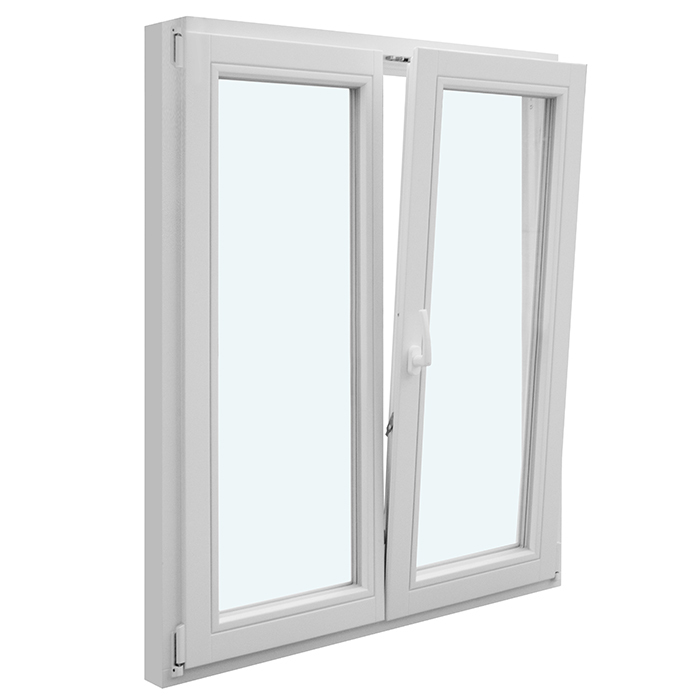
A fixed opening removes hinge and latch questions, but it does not automatically make replacement simple. The glass may be large, high above ground, shaped or difficult to reach internally. With an opening window, the added concern is whether the weight and thickness of replacement glazing remain appropriate for the sash and whether it will still open, close and latch as intended. For context, a fixed non-opening window is a different repair proposition from a casement: its surrounding support and glazing retention are central, while operation is not. Clear terminology prevents a homeowner from accepting two estimates called “window glass replacement” that actually involve very different levels of intervention.
Buyer check 2
Assess the condition of the sash and perimeter frame
Keeping a frame is most credible when it is stable, dry, securely fixed and free from deterioration that would undermine a new glazed unit. Inspect the inside faces, outer corners, sill area and joints for splitting, soft material, corrosion, open junctions, persistent staining or movement. Surface wear alone does not settle the question, and neither does a freshly painted finish. The relevant issue is whether the components can continue to hold and protect the new glazing. A survey should also examine the glazing channel: it needs to be cleanable, intact and capable of receiving the intended replacement assembly. If this area is damaged, the work may require repair, a replacement sash or a complete window instead.
Sash condition must be considered separately from the fixed frame. An opening sash can appear sound while being twisted, loose at its joints or poorly aligned. Ask whether existing beads and gaskets will be reused and what happens if removal exposes concealed deterioration. The quotation should distinguish an included repair from an allowance or excluded contingency. Retaining an older profile may be desirable, but only where the relevant components remain serviceable; it should not become an obligation to preserve every original piece regardless of condition.
Match the replacement glazing to the opening
A replacement unit has to be specified from more than its visible width and height. The surveyor needs the finished size, thickness, edge arrangement and the way the unit is retained, alongside the characteristics required to make it visually and functionally compatible with the existing sash. A mismatch can affect how the glass sits in the channel, how beads meet its face and how the sash balances and closes. Ask what dimensions will be taken after safe removal or from the existing unit, and who is responsible for confirming them before manufacture. Measuring only the daylight opening is not necessarily enough to produce a unit that fits the glazing system correctly.
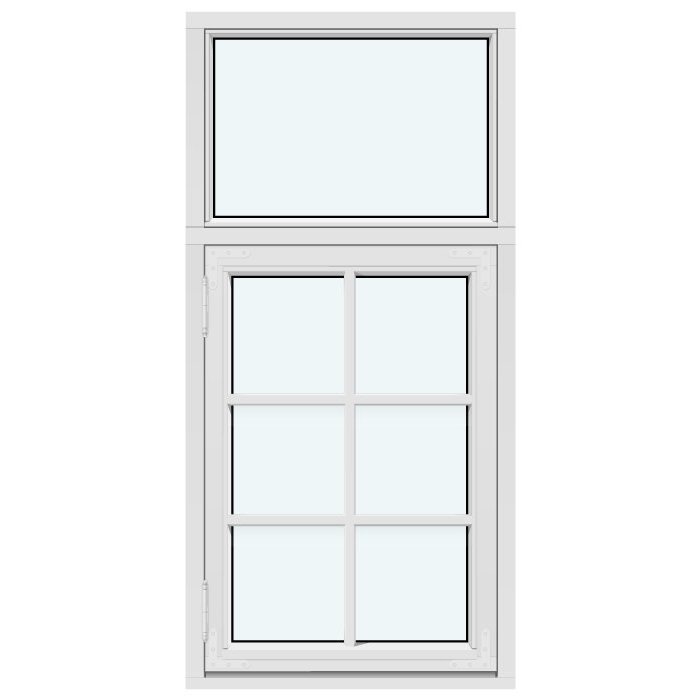
Appearance is part of compatibility too. Existing tinted glass, obscured areas, patterned surfaces, decorative bars or divisions may affect the replacement brief. Establish whether the lines seen through the glass are decorative bars or glass-dividing bars, as these represent different constructions and may lead to different solutions. A Kombi combination window illustrates why fixed and opening glazed areas should be recorded independently; copying one pane’s appearance does not establish the construction of its neighbour. The survey should identify which features can be matched and which may vary, rather than implying an unseen specification from a product title or an old photograph.
Buyer check 3
Account for access before comparing costs
Access frequently changes the practical scope more than pane area alone. A small unit at ground-floor level with clear internal access is not comparable with glazing over a conservatory roof, above a stairwell, behind fixed furniture or on an upper elevation with restricted external approach. The route from vehicle to opening matters as well as the route to the window: large units need controlled handling and a safe place to manoeuvre. Explain obstacles when requesting a survey and send wide photographs showing the room, elevation and approach where possible. This enables the proposed method, personnel and equipment needs to be considered before an appointment is booked.
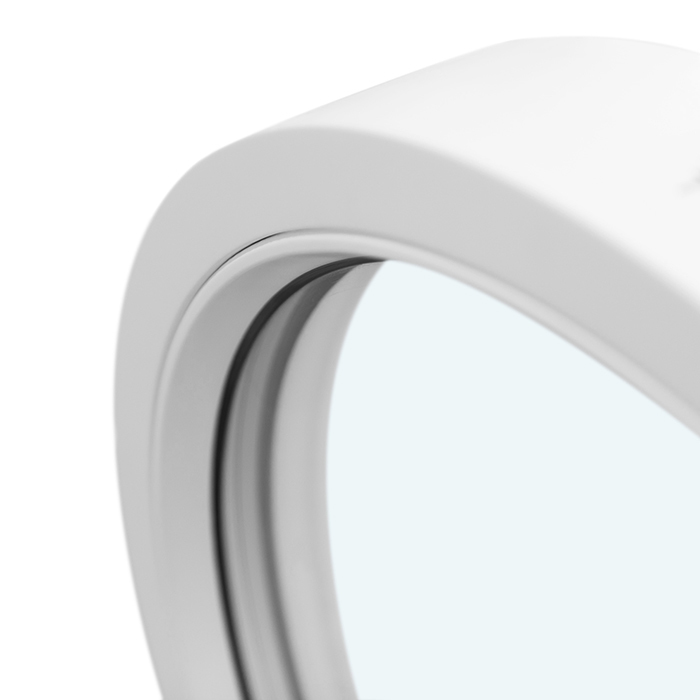
Window form also affects handling. A round fixed window and fixed triangular and angled windows show why non-rectangular glazing should be surveyed as its own component rather than estimated from one approximate dimension. Templates, edge geometry and the fitting sequence may require closer coordination. Where access is constrained, ask whether the sash can be removed safely, whether the glazing is expected to be changed from inside or outside, and which finishes must be protected. A transparent answer helps explain why two pieces of glass with a similar area can involve distinctly different installation scopes.
Understand what can move a glass-only quotation
There is no single meaningful “window glass replacement cost” because the item being bought is a combination of manufacture and site work. The glass configuration, dimensions, shape, quantity, glazing detail, access, sash removal, disposal, protective measures and reinstatement can all influence the total. A simple single-unit change and a carefully matched replacement in a divided opening should not be compared by area alone. Rather than seeking a generic per-pane figure, ask each provider to state the exact glazed elements included. This makes it easier to see whether an estimate covers one failed unit, every affected unit, replacement retention components and the checks needed after fitting.
Treat optional items separately. Frame repair, sash adjustment, hardware work, redecorating, internal trim repairs and external sealant work may be necessary in some cases but should not be silently assumed within a glazing figure. Ask what evidence would trigger each additional item and whether approval will be sought before it proceeds. If appearance matching is important, ask how decorative bars, obscure sections or neighbouring panes have been allowed for. A quoted scope is strongest when it says what will be measured, manufactured, removed, installed, tested and left intact. It then becomes possible to compare value rather than choosing an apparently lower number that omits necessary steps.
Buyer check 4
Do not overlook hinges, handles and drainage
Replacing glass does not correct worn hinges, poor latching or blocked drainage paths. These are separate systems, but their condition affects whether keeping the existing sash is sensible. An opening sash should be checked for smooth travel, secure engagement and even contact with its seals. A professional may need to establish whether adjustment is possible or whether a hardware issue is driving uneven loading and poor closure. Do not assume that a new unit will cure draughts that originate at a distorted sash or faulty seal. Equally, do not write off a window merely because a handle feels stiff: the cause needs to be identified before deciding between adjustment, component work or a wider replacement.
Opening style guides the questions to ask. With a top-hung outward-opening window, discuss the condition of the opening mechanism and whether it holds, closes and seals consistently after any glazing work. With a side-hung design, look at hinge-side alignment and closing-side engagement. Record where water marks occur, but avoid treating them as conclusive evidence of a particular defect; water can travel before becoming visible indoors. The useful outcome of this check is a defined order of work. If hardware or drainage needs attention, establish whether that is completed before reglazing, alongside it, or as an alternative scope.
Choose between reglazing, a sash change and full replacement
Glass-only replacement is one option on a spectrum. It can suit a sound sash and frame with an isolated glazing failure. Replacing a sash while keeping the installed frame may be considered where the perimeter frame remains serviceable but the sash itself is damaged or unsuitable for reliable reglazing. Complete window replacement may be worth comparing when deterioration, distortion, recurring operation faults or extensive surrounding work make retaining the existing assembly uncertain. None of these options is automatically superior. Their suitability rests on the survey findings, the desired finish and the work needed to obtain a dependable result rather than on a rule that older windows must be removed.
Compare alternatives on like-for-like questions: what remains in place, what visible finishes may change, how much surrounding making-good is anticipated, and what operation is checked at handover? If your wider project is reconsidering the opening arrangement, a single-sash outward-opening side-hung window represents a replacement-window alternative rather than proof that it can be inserted into an existing frame. That distinction protects the decision process. A glass-only quote should not be judged against a new-window product without recognising the difference in scope. Conversely, a full replacement should not be selected merely because it is presented before the existing components have been examined.
Buyer check 5
Plan appearance matching across the elevation
A new glazed unit can differ perceptibly from neighbouring panes in reflection, colour, pattern or obscurity, particularly where the existing installation has aged unevenly. This does not always make a local replacement inappropriate, but it should be discussed before ordering. View the window from inside and outside, in ordinary daylight where practical, and list details that matter: clear versus obscured glass, visible spacer appearance, decorative bars, glazing bar layout and the relationship between opening and fixed lights. Provide photographs of adjacent windows if a consistent elevation is important. A supplier can then explain the proposed match and any limitations based on the existing construction.
Historic-style arrangements need especially careful description because the proportions of sashes and divisions contribute to the whole window’s character. A historic-style two-sash outward-opening side-hung window is an example of a configuration where glass areas, sash lines and divisions need to be considered together if replacement becomes necessary. For a contained reglazing project, agree whether the intention is to match one failed pane, a pair of panes within one window, or a wider group across the façade. There is no universal right answer: the choice balances visual consistency, the confirmed condition of each unit and the extra scope involved. Put the agreed visual standard in writing.
Turn the survey into a workable order plan
A productive survey ends with decisions, not just dimensions. Confirm the room and elevation for each affected window; identify fixed versus opening sections; record the suspected fault; note access constraints; and list visible details that must be retained or matched. Ask whether the glass will be measured before ordering, how the opening will be protected during work, whether the sash is removed, and how operation will be checked afterward. If the project involves several windows, give each an identifier on a simple sketch. This stops a quote for “rear bedroom window” becoming ambiguous when there are several similar openings. It also provides a practical checklist for reviewing the finished work.
Before placing an order, read the exclusions and lead-time confirmation carefully. Bloomcabin states a five-year warranty for windows and doors, and delivery is 4–6 weeks subject to order confirmation; confirm what applies to the selected project and its agreed configuration rather than assuming an unconfirmed schedule. If the assessment concludes that a replacement unit is preferable, a two-sash inward-opening window is an alternative configuration to evaluate against your opening, not a glass-only remedy. The restrained next step is to request a site-specific written scope, ask questions where components or finishes are unclear, and approve work only once the retained elements and replacement elements are unambiguous.
Frequently asked questions
Can condensation between panes be repaired without replacing the frame?
It may be possible to replace the affected glazed unit while retaining the frame and sash if both are sound and the glazing system can be serviced. Condensation between panes alone does not establish the full scope. Arrange an assessment of seals, sash alignment, retention components and surrounding condition before deciding.
Does a broken pane mean I need a complete new window?
No. A break caused by a local impact may be suitable for glazing replacement when the sash and frame are stable and operate correctly. However, if the window also binds, leaks, has damaged joints or cannot reliably close, a broader repair or replacement comparison is sensible.
Why can two glass replacement estimates differ so much?
They may cover different glass configurations, access arrangements and levels of reinstatement. One quote may include sash removal, replacement beads, sealing and operational checks, while another may not. Compare the written inclusions, exclusions, measured elements, access method and any allowances before treating figures as directly comparable.
Can decorative bars be retained when glass is replaced?
That depends on how the bars are constructed and attached. Decorative bars and glass-dividing bars are not interchangeable details. Ask the surveyor to identify the existing arrangement, explain what can be retained or replicated, and state any expected visual difference in the proposed replacement.
What should I prepare for a window glass survey?
Provide photos of the damage, the whole window, adjacent glazing and the approach to the property. Note the opening style, room location, previous draughts or sticking, and any access obstacles. Keep the area clear where safe to do so, but do not remove loose glass or force damaged hardware.
Next step
Keeping an existing window frame can be a practical route when the problem is genuinely limited to the glazing and the sash, frame, retention system and hardware remain serviceable. The quality of the decision comes from a joined-up survey, not from the crack alone. Specify the affected component, verify fit and appearance requirements, reveal access constraints early and compare written scopes line by line. If the investigation identifies distortion, deterioration or recurring operational faults, consider sash or full-window alternatives on their real merits. A clear brief lets you retain sound fabric where appropriate without overlooking the work needed for a reliable finished window.
