
Electric vs Wood-Fired Sauna: Which Routine Fits?
Sauna buying guide
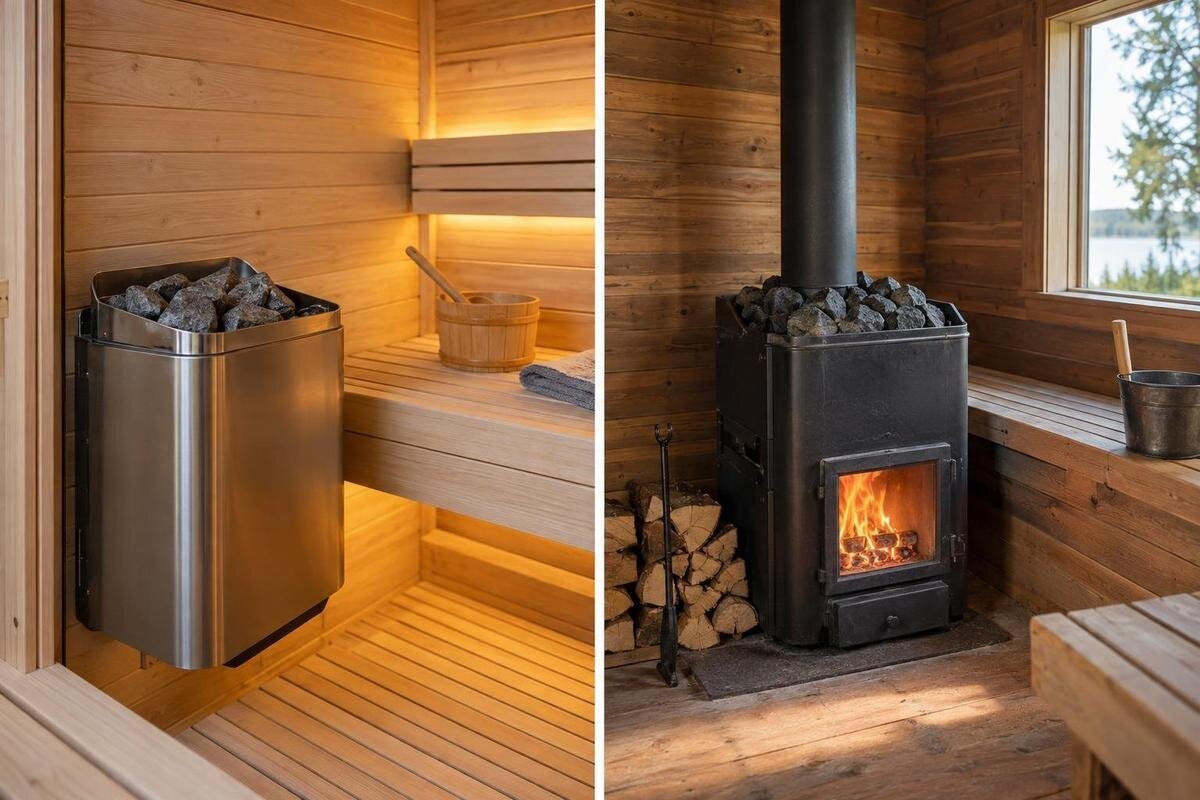
Choosing between an electric and a wood-fired sauna means choosing the work around each session as well as the heater itself. With an electric heater, you use the supplied controls as instructed and allow the sauna to warm. A wood-fired stove adds fuel preparation, lighting and tending, followed by ash handling. Neither option removes routine work. The practical choice depends on when you use the sauna, who prepares it and whether hands-on fire management feels worthwhile or burdensome.
The daily difference is the work around each session
Both types of heater need preparation, warm-up time, correct operation and care afterwards. The difference is the sequence. With electric heating, you operate the supplied controls and allow time for the sauna to warm; with a wood-fired stove, you also need suitable fuel, a lit fire, attention during warm-up and ash management afterwards. Wood-fired use therefore involves more hands-on work around a session. That does not make electric heating instant or maintenance-free. Broadly, the choice is between starting a heater through its controls and preparing and tending a fire, with the exact tasks set by the equipment's instructions. The same task may feel like a pleasant ritual or a nuisance depending on when you use the sauna.
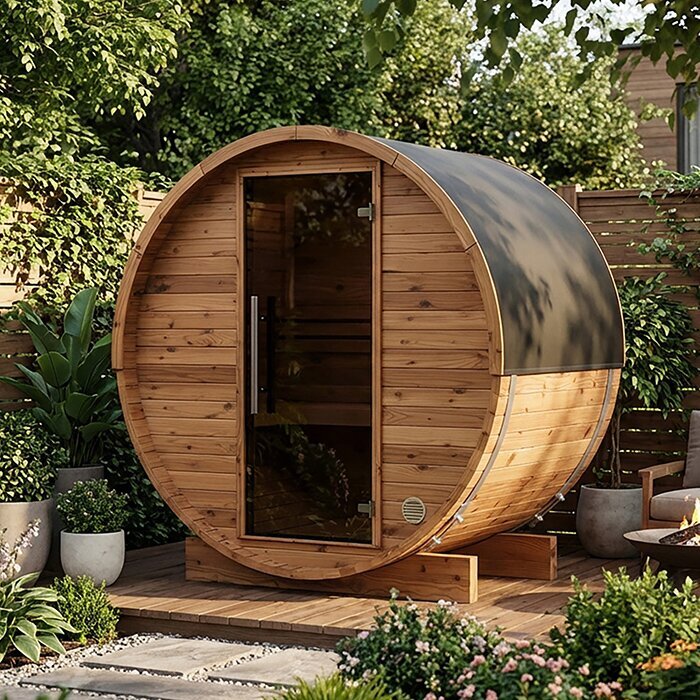
Think about an ordinary day, not an ideal weekend: when will someone start preparing, how much time is available, and who will put things away afterwards? Gathering wood may be part of the appeal if you enjoy it, but it becomes a repeated hurdle if sauna time is squeezed. Electric heating can fit a schedule more easily, provided the actual heater and controls suit your needs. The Thermowood Barrel Sauna HCF 300 is listed at 6.89 m²; its name and area do not establish the heater configuration. Use the listed area to compare sauna sizes, then confirm the heating option separately before judging its daily routine.
Starting an electric sauna with the supplied controls
An electric routine usually begins with using the supplied controls as the manual describes, then allowing enough time for the sauna to warm. A switch or timer changes how you begin, not the fact that the equipment needs to reach the manufacturer's stated operating conditions before use. Control arrangements vary, so do not assume a remote start, automatic shut-off, programmable timer or display is included just because the heater is electric. Learn what each setting does and how the unit should be stopped. If several people use the sauna, make sure each operator can follow the instructions for this exact heater rather than relying on experience with another model's controls.
An electric start can be easier to organise around a regular weekday slot because there is no fire to prepare. It still depends on the control system actually supplied, enough lead time and an installation suited to that heater. When reviewing the Thermowood Barrel Sauna LCF-300, check the offered configuration and inclusions instead of inferring heater type from its name. Ask for the matching control and start instructions, including how a timer is intended to be used if one is supplied. If your plans often change, understand how the system should be operated when you bring the start forward or postpone it; do not assume it has automatic features.
A wood-fired stove adds fuel preparation
A wood-fired routine begins before the sauna is warming: have the fuel specified for the stove ready, set aside time to light the fire as its manual directs, and stay involved during warm-up. The exact lighting and tending sequence depends on the actual stove; generic fire advice is not a substitute for its instructions. Whether and when to add more fuel also depends on that guidance, so include any refuelling in your assessment of the work involved. Some people enjoy gathering wood and tending the fire as part of the occasion. Others find those tasks inconvenient on a rushed weekday, so consider how the routine would feel when you have little spare time.
Check that wood-fired heating is actually offered with the sauna you are considering. The Thermowood Barrel Sauna S-140 is listed at 1.93 m², but the model name and area do not confirm that a wood-burning stove is included or available. Ask for the exact heater pairing and its lighting, fuel, operation and cleaning instructions. A product photograph or the phrase barrel sauna should not be read as evidence of a particular stove. Confirm the configuration before assigning space to fuel or planning the work around a fire. Knowing the stove model also lets you ask about its start-up and shut-down routine.
Plan around warm-up time, not a guess
Warm-up needs a place in the schedule for both choices. Switching on an electric heater does not make the sauna ready immediately, while a wood-fired heater adds the time spent preparing and establishing the fire. Actual timing depends on the sauna, the matched heater, the starting conditions and the operating guidance for that setup. Broad claims about one type always being faster can mislead when they compare different equipment or conditions. Use the manufacturer's instructions for the exact heater as your starting point, then allow the lead time that works for your routine rather than arranging your evening around an optimistic guess.
If you generally decide late in the day, ask whether you can plan ahead for either start method. A wood-fired routine needs time for preparation as well as heating; an electric routine may be simpler to initiate, but still has a prescribed warm-up period. The Thermowood Barrel Sauna HC-150 listing states an area of 2.97 m², not a heat-up time. Ask for guidance for the exact sauna and heater combination, and avoid using floor area or a neighbouring model as a substitute. Write down the expected lead time from the relevant instructions and compare it with both your weekday and weekend habits.
Tending during use depends on the heater instructions
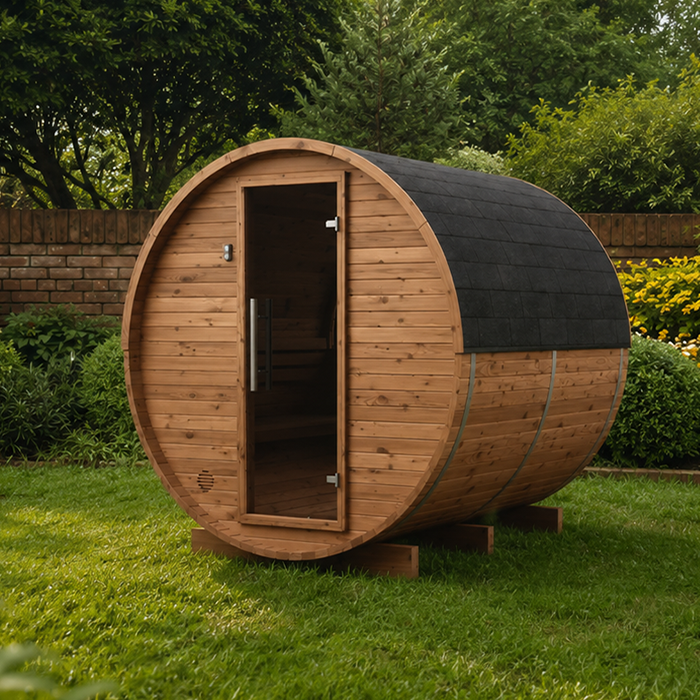
Consider how much attention you want to give the heater once warm-up is under way. Electric heating generally reduces the need to manage fuel, but the controls and any indicators still have to be used as the manufacturer instructs. A wood-fired stove brings the fire into the routine and may require tending in accordance with its operating guidance. Neither a simple switch nor an apparently steady fire tells you, by itself, that the equipment can be left without checks. If your ideal sauna session includes stepping away, ask specifically what the supplied heater permits and how it should be monitored; do not infer that from the fuel type.
Ask to see the operating instructions for the actual heater offered with the Thermowood Barrel Sauna HC-225. Compare the required attention with how you expect to use the sauna: alone, with others, or while moving between other tasks. Identify which checks belong to warm-up and which continue during use, rather than treating them as one uninterrupted job. Decide who will keep track of operation and what another user needs to know before taking over. If the routine relies on one person attending a fire, agree on that role before buying rather than assuming someone else will do it. Clear responsibilities help prevent small operating tasks being forgotten.
Cleaning and care differ around the heater
Cleaning starts with the sauna itself, whichever type of heater you choose. Follow the manufacturer's care guidance for benches, floors and other surfaces; products suitable for one material or finish might not be suitable for another. Remove loose debris and follow instructions for airing or drying the space after use. A short, repeatable close-down—putting items away, tidying the floor and leaving the room as directed—can make the next session easier. Keep these everyday jobs distinct from any periodic heater care, and do not treat a tidy-looking room as a substitute for checking the maintenance instructions.
Wood-fired use adds residue around the stove and ash that must be handled as its manufacturer directs. Do not assume that ash is cool or ready to move just because the visible fire has gone out; follow the stated handling and disposal instructions. An electric routine avoids ash, but that does not mean there is no cleaning around the heater or no periodic care. For Thermowood Barrel Sauna N-210, check the guidance for the actual sauna and heater pairing, then note which jobs happen after every use and which are less frequent. That makes the time needed for close-down easier to compare fairly.
Wood fuel needs a practical storage place
Fuel storage is a daily-use consideration, not a minor detail to solve later. A wood-fired routine depends on having the fuel specified for that stove available and kept in the condition its instructions require. Plan where it will be stored, how you will carry it to the sauna, and whether kindling or other approved items need a separate place. Keep access routes clear and follow the stove manufacturer's guidance about storage in relation to the equipment. If reaching or replenishing the supply is awkward, that effort repeats every time you use the sauna. Check that the storage arrangement still works when several people share the space.
Think through replenishment as well as storage: who notices when the supply is low, who brings more in, and where will ash be handled after a session? These jobs matter in shared households, where the person who lights the stove may not be the person who tidies. When considering Thermowood Barrel Sauna N-250, confirm the offered heating option and any included accessories before buying fuel or storage items. For a confirmed wood-fired configuration, use the matching stove's fuel guidance to plan the supply. Consider the whole route from storage to stove and the work of restocking it, rather than judging convenience only by how close the first load of wood will be.
A shared sauna needs a clear handover
Household habits can make one method a better fit than general claims about convenience. An electric routine may be easier to hand over if its controls are straightforward and everyone can follow the instructions; a wood-fired routine needs someone willing to prepare and tend the fire as required. In either case, decide who starts the process, who checks it during use and who completes the clean-up. A short shared note can record the model-specific start and stop sequence. This is useful if different people use the sauna on weekdays and weekends, or if the person who starts it is not the person who finishes the routine.
Compare a normal rushed day with a relaxed one. Would you be glad to spend time getting a fire ready when the evening is already busy, or would you prefer to start an electric heater using its controls? When considering the Thermowood Barrel Sauna LC-260, use the confirmed heater configuration to decide who needs to learn its operation. Talk through a day when the usual operator is unavailable: can another household member follow the instructions, or would you simply postpone the session? If only one person is comfortable doing a recurring task, make sure everyone is content with that arrangement. A routine that fits the household's availability is more likely to be followed consistently.
Check the heater and site before buying
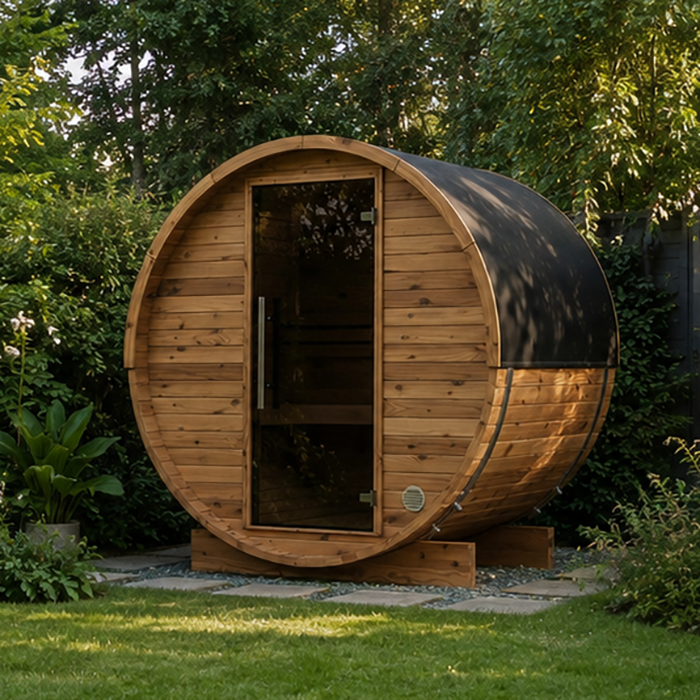
The heater also has to suit the actual site. Electric and wood-fired units have different installation requirements: an electric heater needs a compatible supply, while a wood-burning stove has specified flue and ventilation requirements. These are not details to improvise from a general article or infer from a product photograph. Have a qualified installer assess the exact sauna, heater and location against the manufacturer's drawings and instructions, and confirm applicable local requirements with that professional. Do not use general advice to determine wiring or clearances. This check matters before treating one heater type as a straightforward swap for another.
Ask what is included in the specific configuration and what else may be required for the chosen heater, including controls, connection work or installation components. Request the relevant manuals before purchase so you can understand normal operation, cleaning and care. A sauna model title is not enough to establish that both heating options are offered or that an accessory is included. If product details are unclear, ask the supplier to confirm the exact configuration in writing. That helps prevent a convenient-looking routine being based on equipment that has not actually been confirmed.
Compare the routine you will actually repeat
Before deciding, write out the full routine for the same planned use. Note what needs doing beforehand, the time to allow before using the sauna, any checks while the heater operates, the close-down tasks and where fuel, cleaning items and ash go. Add a name beside every job in a shared household. Mark anything not yet confirmed—such as the heater included, its controls, warm-up guidance, fuel instructions or care—so it becomes a question for the supplier or installer rather than an assumption. This turns a broad comparison into a practical test against your actual week.
Electric heating is often the more natural match if you prefer using controls, want less active fuel handling and can arrange the specified installation. Wood-fired heating may suit you if preparing and tending a fire is part of the appeal and you have time, storage and a plan for cleaning afterwards. Neither choice is automatically effortless, and the exact equipment can change the balance. Give the most weight to the tasks you will repeat on ordinary days; a routine that suits an occasional relaxed session may not suit your usual schedule. The right fit is the one the people using it are willing to maintain.
Frequently asked questions
Does an electric sauna heat up immediately?
No. Switching it on begins the warm-up process; follow the instructions for the exact sauna and heater to know when it is ready. Controls and timers vary, and a product name does not promise a remote start or a fixed warm-up time. Plan around the manufacturer's guidance.
How much preparation does a wood-fired sauna add?
You need to have suitable fuel ready and allow time to light the stove as its manual describes. The fire may also need attention during warm-up or use, depending on the appliance instructions. There is clean-up afterwards, too, so include fuel storage and ash handling in your plan.
Is an electric sauna maintenance-free?
No. Electric heating avoids firewood and ash, but the sauna and heater still need cleaning and care according to their instructions. Check what to do after each use and which maintenance tasks need to happen periodically. The exact requirements depend on the equipment and the sauna materials.
Can I tell which heater a sauna includes from its product name?
Not reliably. A model name or photograph may identify the sauna without confirming the heater, controls or inclusions in the configuration available to you. Check the current product details and ask for the matching heater information and manual before planning around an electric or wood-fired routine.
Which heater is easier to fit into a weekday routine?
An electric heater may be easier to plan around if you prefer using controls rather than preparing a fire and can allow the required warm-up time. A wood-fired routine adds fuel preparation and tending, which may suit you if you enjoy those tasks and have time for them. Compare the instructions for the exact equipment.
An electric sauna generally suits a routine built around planned preheating and less fuel handling; a wood-fired sauna suits someone who enjoys preparing and tending a fire as part of the experience. Compare the recurring work before, during and after a session, including the jobs that someone else in the household may need to take over. Choose the routine that fits your ordinary week, not just the occasional day when you have plenty of time.
