
What Can Increase Sauna Delivery and Crane Costs?
SAUNA DELIVERY PLANNING
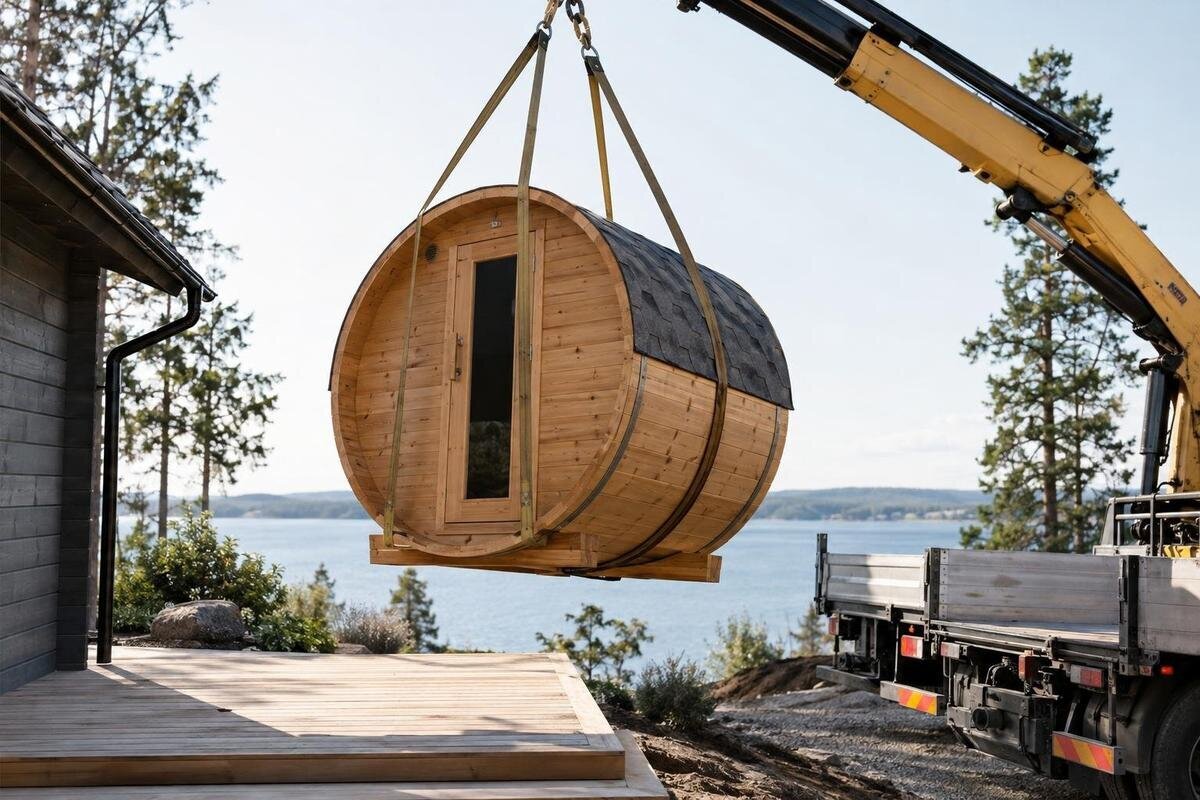
Sauna delivery is more than the distance between a supplier and your property. The final quote can reflect the vehicle that can reach the address, the size and form of the packed load, where it can be unloaded and whether extra handling or a crane is needed to reach the agreed drop point. A figure labelled delivery may cover only one part of that chain. Before comparing totals, establish the endpoint, unloading method, equipment, labour and conditions that could alter the charge. Clear site information helps avoid an estimate built on the wrong access assumptions.
Which services are included in the delivery quote?
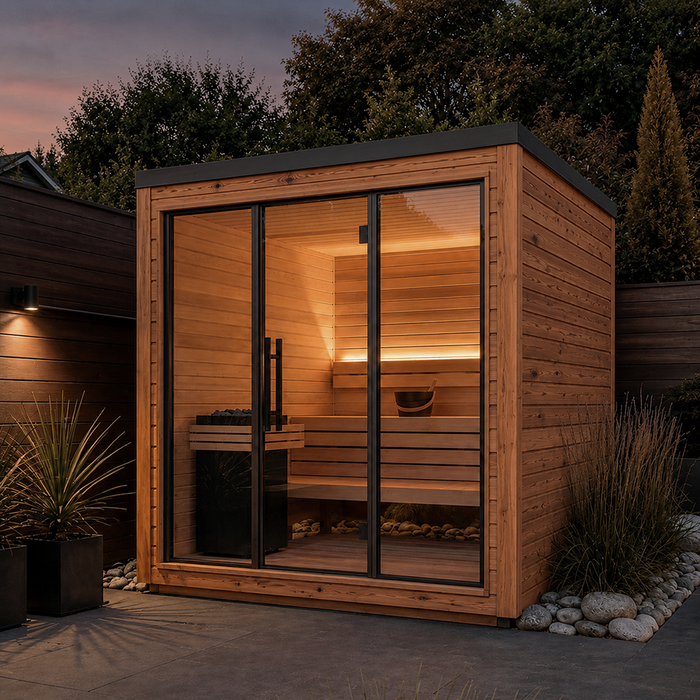
A delivery total can combine several services that are easy to mistake for one: collection or dispatch from the supplier, long-distance transport, local delivery, unloading, movement from the vehicle to an agreed drop point, lifting equipment and its operator, and a return visit if the original attempt cannot proceed. A supplier may bundle some stages and leave others to you. The word delivery does not establish whether the sauna will be left at the property entrance, unloaded beside a vehicle or placed at a nominated position. Ask where the carrier's responsibility ends, who handles each handover and whether someone needs to be present to receive the load. Also check whether the quote assumes access for a particular vehicle.
Freight costs depend on the transport plan, not just the straight-line distance. A route may need a different vehicle, a transfer between vehicles or extra handling if a larger truck cannot reach the agreed drop point. These are possible quote differences, not fixed charges: the carrier must price the actual origin, destination, load and route. Ask whether the amount is confirmed for the details you supplied or still subject to a site review, and which changed facts could alter it. Check whether the endpoint means the kerb, driveway, gate or a named position on the property. Do not infer that unloading or crane work is included because the word delivery appears on the quote.
How the route and vehicle affect freight
The quoted journey follows a transport route from the dispatch point to the delivery address; a map's direct distance is not enough to define that work. Give the supplier the full address, postal code, directions to the right entrance and details of any separate access gate or delivery point. A map pin can help locate the property, but pair it with written directions and entrance information. Ask whether the transport company has priced the actual route and destination rather than a suburb or general area. A long approach within the property also matters: the vehicle may reach the entrance but not the place where you want the load left. Write both locations down so there is no ambiguity.
Vehicle suitability should be settled before booking. Tell the carrier about narrow streets, tight turns, steep or unsealed approaches, height restrictions, limited turning room and any section where a large vehicle cannot stop. Ask what vehicle type the estimate assumes and what alternative is planned if it cannot reach the agreed point; do not assume the driver can improvise a transfer. Identify the exact item in the quote, for example Sauna HC-225, and have the supplier confirm the packed-load details. The model name identifies the request; it does not tell the carrier which vehicle to send. If a smaller vehicle or shuttle is proposed, clarify where the transfer occurs and who handles the load at each end.
Why packed size and weight matter
Freight is priced around what is actually carried, so request shipping details for the selected configuration rather than guessing from a product photo or floor area. Ask the supplier for the packed dimensions, total weight, size and weight of each package, and the number of separate pieces. Packaging, a pallet or a protective frame can affect clearance when loading, travelling through a gate or turning along a path. Confirm that the measurements are for the packed load, not preliminary product dimensions. If these details are not yet available, ask for them before treating a transport amount as final; the carrier should not have to estimate them from a listing.
Use the same model reference on each request, such as Sauna N-210, and ask which configuration and delivery format the figure assumes. Confirm whether the items arrive as one load or several and whether any package has a handling requirement the carrier needs to know. Compare the outer packed size with the narrowest gate and the full route to the agreed drop point, allowing for bends and changes of level rather than measuring only the entrance. A listed floor area is not a shipping measurement. If a figure is still pending, note who will confirm it and when; request an updated transport assessment if the packing details change before dispatch.
What to record about site access
Walk the route the load would take from the delivery vehicle to the drop point, including the space needed to turn or manoeuvre. Record the clear width of the narrowest gate, the height under any arch or other obstruction, the length of the path, and any corners, steps, slopes or changes of surface. Note whether the vehicle can stop at the entrance without blocking the route. These observations distinguish vehicle access from last-metre access: a truck may get onto the property while the packed sauna still cannot travel to the planned location. Measure the clear opening with gates in the position they will be in during delivery.
Take clear photos from the road to the entrance and from the entrance to the proposed unloading area. Mark the route on a simple site plan if it bends or branches. Point out walls, fences, trees, overhead lines, soft ground, uneven paving and any shared access that may restrict where a vehicle or lifting equipment can stand. For a request involving Sauna N-250, send the same access record with the product details rather than relying on a model name alone. A photograph does not establish clearance or site conditions by itself, so include measurements and ask the transporter whether the information is enough or a site visit is needed.
Who handles unloading and the final stretch?
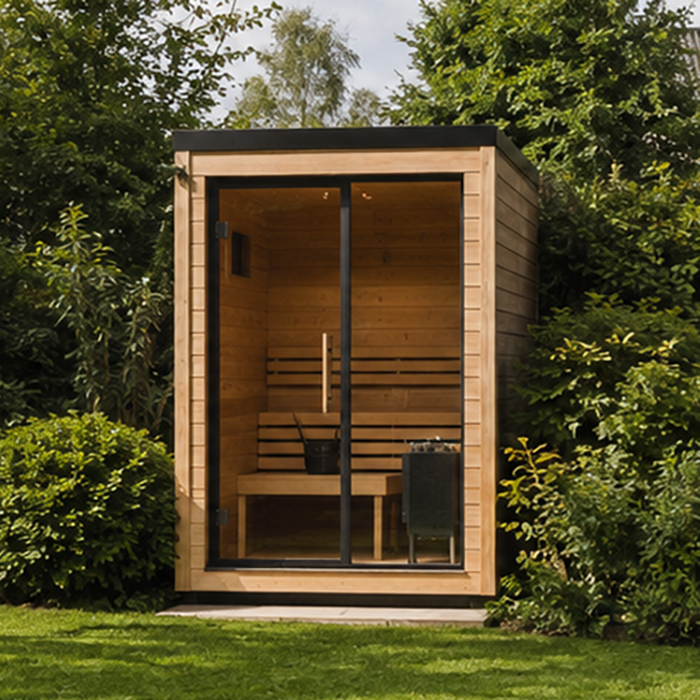
Define exactly what unloading means in each quote. One carrier might price arrival at the kerb or a property entrance; another might include unloading onto a driveway or an agreed location. These are examples of possible boundaries, not standard services, so use the wording in the quote. Confirm who provides unloading labour and equipment, whether the driver is expected to unload, whether you must provide help, and whether movement from the vehicle to the final drop point is included. The sauna's eventual assembly or building work is a separate scope; do not read it into a freight line. Get the agreed endpoint and receiving arrangements in writing before delivery day.
The distance and conditions between the vehicle and drop point can change the plan. A short, clear path may be handled differently from a long carry, steps, a narrow passage or uneven ground, but the supplier and carrier must confirm the method. Ask whether a trolley, forklift, smaller transfer vehicle or additional crew is proposed, who arranges it and whether access must meet specified conditions. For a quote naming Sauna LC-260, confirm that the unloading lines refer to that exact shipment and endpoint. Note thresholds and stairs as well as the route's width, since equipment that can pass through an opening may not suit every change of level. Price any extra handling as part of the plan, not after arrival.
When a crane can change the delivery budget
A crane may be proposed when the load cannot be unloaded or placed at the agreed point using the delivery vehicle's normal equipment, or when access makes another method impractical. Crane hire is not automatically part of freight, so show it as a distinct line unless the supplier clearly states that it is included. Find out what that line covers: mobilisation and travel, the crane and operator, set-up, lifting and placing the load, and any separate rigging or lifting-planning service. These are scope questions; the crane contractor must say which services are required for the actual site. Confirm whether the quoted work covers only unloading or also placement at the location you need.
Crane costs relate to a particular lift, not simply to the word sauna. The packed load, the vehicle's position, the intended landing point, the available working area and obstacles can affect which equipment and crew are required. Ask for the agreed pick-up and landing points and the assumptions behind them to be recorded in the quote. For a shipment of Sauna HCF-300, send the lifting contractor the confirmed package information together with the proposed positions. A landing area being visible from the road does not establish that a crane can reach it. If the vehicle, landing point or site conditions change, check whether the proposed method and quote need to be reviewed.
What a crane quote needs for accurate pricing
For a crane estimate, provide the supplier-confirmed dimensions and weight of the packed load. Give the lifting company a site description covering the vehicle's set-up position, the intended landing area, the distance between them, height differences and obstacles. The crane company or another suitably qualified lifting professional should assess whether the proposed arrangement is feasible and what equipment is needed. Do not choose a crane size or make a lifting calculation from a photograph; the contractor needs to review the actual load and site. Ask what further information or inspection is needed before the method and cost can be confirmed.
Send photos from several viewpoints, access widths and a simple marked plan. Include trees, buildings, fences, overhead services, slopes, fragile surfaces and limited set-up space, even if they seem minor. Ask whether the estimate includes a site visit, equipment set-up, travel, operator and placement, and whether any site protection or preparation is priced separately. Keep the lifting request under the same model reference, such as Sauna LCF-300, so the supplier and contractor can match their correspondence. If the position or route changes after assessment, get the revised plan and price before delivery is booked. The lifting contractor can also clarify whether weather or access conditions affect the arrangements.
How to compare two delivery quotes
Two delivery quotes can cover different amounts of work. In an illustrative comparison, Quote A lists freight and unloading onto an accessible driveway but excludes movement beyond that point. Quote B lists transport, unloading equipment, an operator and placement at a named base, subject to site review. Quote B covers more work, so a higher headline total would not by itself show that its freight is expensive. Use the same product reference, such as Sauna S-140, address and endpoint in both requests. Where a provider cannot quote for the full route to that endpoint, ask it to identify where its service stops. Make sure both proposals use the same site information and state any assessment still outstanding.
A second illustrative comparison is a site where the delivery vehicle cannot reach the agreed drop area. One quotation might price delivery to an accessible entrance and leave a transfer to the buyer; another might, after assessment, price extra handling or a crane to the named location. Neither arrangement is assumed to be available or included. Put the totals alongside the scope, exclusions and conditions: freight, unloading, equipment, labour, crane mobilisation and any return trip. This reveals missing line items; it does not show that one approach is universally cheaper. Ask each provider to explain what happens if its access assumptions prove wrong, and request separate pricing for options that are not included.
How timing and site readiness affect the final charge
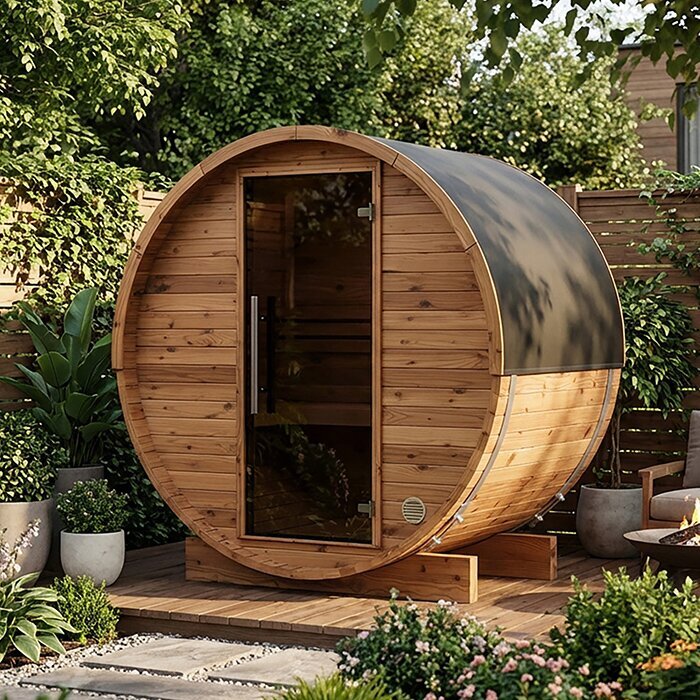
Timing can affect the final amount if a vehicle or crane arrives but cannot unload as planned. Examples include a blocked gate, work still under way on the access route, no one available to open the property or an occupied unloading area. Ask in advance whether waiting time, a missed delivery slot, a return visit, storage or a new equipment booking could be charged, and how any amount would be worked out. The quotation should describe the conditions that trigger these costs rather than leaving you to guess. Do not assume that a failed attempt is free or that an extra charge is inevitable; confirm the agreed terms. This matters especially if the delivery vehicle and crane are booked separately.
Coordinate the transport window with whoever controls access, and keep the agreed landing area clear. If access depends on a gate code, a shared road or a caretaker, arrange access in advance and tell the supplier what has been agreed. For a request involving Sauna HC-150, include the planned delivery date and contact details for the person who will meet the vehicle. Make sure that person knows the agreed unloading point and can reach the booking contact if arrangements differ on arrival. If several contractors are attending, establish who is the main contact and how their arrival will be coordinated. Ask whom to contact if the route is blocked or the crane cannot set up, and whether approval is needed before extra costs are incurred.
What to send with a sauna transport quote request
Send one complete transport brief to the sauna supplier and carrier rather than relying on separate conversations. Include the exact model and configuration, dispatch and delivery addresses, supplier-confirmed package count, packed dimensions and weight, and requested unloading point. Add photos and measurements for the access route, vehicle stopping area, gate, bends and final path; note slopes, surfaces and overhead obstructions. State whether you want a price for delivery only, unloading at a defined point or a crane-assisted plan, and make clear which option you are requesting. If a detail is unknown, mark it as unconfirmed. Attach the supplier's data rather than rewriting it from memory, and name a person who can answer access questions.
Request a written breakdown that separates freight, unloading, transfer handling, equipment, crane services and any inspection, waiting or return charges, where applicable. The response should name the endpoint, who supplies each service, what the price excludes and which assumptions would prompt a revised quote. If the route has not been assessed, clarify whether the estimate is still subject to review and what information will make it more definite. Keep the supplier, carrier and crane contractor aligned on the same package details and site description. Do not rely on a verbal assurance that another party has priced or booked crane work. A shared written plan makes different proposals easier to compare without suggesting there is one universal delivery cost.
Frequently asked questions
Does a sauna delivery quote include crane hire?
Not unless the quote expressly includes it. A transport line does not confirm that a crane, operator or placement is covered. Check whether mobilisation, lifting, unloading and any site assessment are included, and ask for separate pricing where they are not listed.
What should I measure before requesting a freight quote?
Record the narrowest clear gate opening, the height of any obstruction, turns, steps and slopes along the route, and the space where the vehicle is expected to stop. Also get the packed dimensions and weight from the supplier. The carrier needs information about the whole route, not only the entrance.
Can I choose a crane based on the sauna's size?
No. A product name or finished-unit size is not enough to select lifting equipment. The crane contractor needs confirmed details of the packed load, the pick-up and landing points, access and site conditions. A qualified lifting professional should assess the proposed arrangement.
How do I compare delivery quotes with different totals?
Compare the services and endpoint, not the headline totals alone. Check whether each quote covers the same product, address, unloading method, equipment, labour and crane work. A quote that includes placement at the final location covers a different scope from one that stops at an accessible entrance.
What if the delivery vehicle cannot reach the planned drop point?
The result depends on the agreed quote and the alternative delivery plan. Before booking, ask what happens if access is blocked or the vehicle cannot get through, including whether waiting, a return visit or different equipment would be priced separately. Do not assume either that a failed attempt is free or that an extra charge is unavoidable.
A realistic sauna delivery budget comes from a defined load, route, unloading point and, if needed, a professionally assessed lift. Treat transport, unloading and crane work as separate until a quotation explicitly combines them, then check the assumptions that keep each figure valid. When the supplier, carrier and lifting contractor are working from the same package and site details, the final price is less likely to depend on a surprise at the gate.
