
Sauna Heater Stone Capacity: What Does It Change?
Sauna heating guide
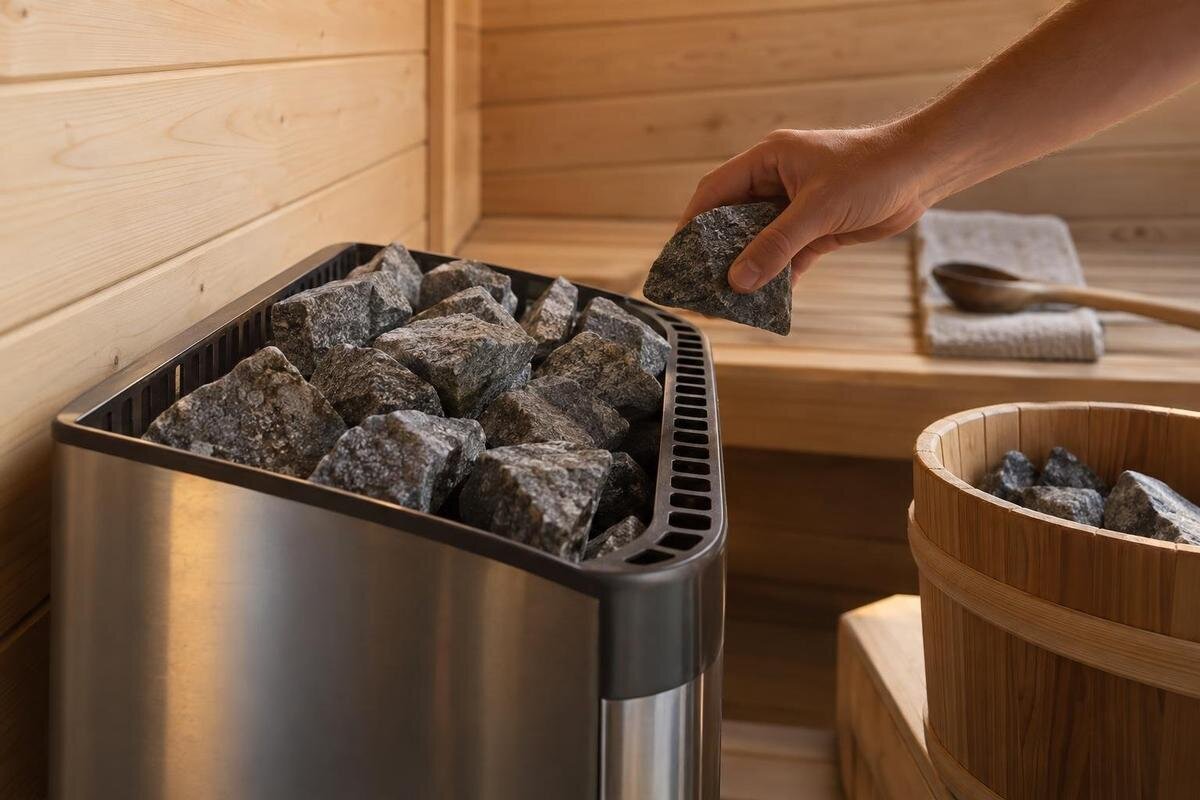
Stone capacity is one of the easiest numbers to spot in a sauna-heater listing, but a higher figure does not necessarily mean better performance. It is a design specification: it tells you about the stone load the model is intended to accommodate, not, on its own, how quickly the sauna will warm, how much steam you will get or whether the heater suits a particular room. A useful comparison brings capacity together with the heater’s design, specified stone arrangement, room requirements and installation instructions.
What a heater’s stone capacity measures
On a sauna-heater specification, stone capacity usually means the mass of stones the model is designed to hold, commonly stated in kilograms. The wording still matters: a recommended load, a maximum load and the quantity supplied with a heater are different buying details. Some manuals specify a range or a particular stone size. Check the instructions for the exact heater model and version rather than relying on a retailer headline or the apparent size of a stone basket. The chamber’s shape and approved arrangement are model-specific, so its visible volume is not a reliable way to estimate the permitted load. If two listings use the same term but one states a maximum and another a recommended load, their figures are not directly comparable.
Keep that figure separate from heater output, sauna room size, water allowance and seating capacity. Each answers a different question. For example, the N-250 thermowood barrel sauna is listed at 5.27 m²; that area figure is not a heater’s stone load and does not, by itself, identify a compatible heater. Give each measurement its own column in your comparison, with its unit and a clear description of what it covers. This also helps distinguish the permitted stone load from the quantity supplied. A photograph of a full basket cannot confirm either figure, even if the pictured stones appear to fill the chamber.
How stone mass affects heat and steam
Stones provide thermal mass: they absorb heat from the heater and hold some of it after they have warmed. Under otherwise comparable conditions, a larger stone load means more material to heat and can mean a larger store of heat in the stones once warmed. This explains why capacity can matter, but it does not establish a fixed warm-up time or promise a particular temperature. Heater output and controls, the room’s construction and volume, ventilation, starting temperature and stone arrangement all influence how the system behaves. Even an estimate from a similar room may not transfer to a different installation if its starting conditions or airflow differ. Compare manufacturer information for the whole setup rather than inferring performance from kilograms alone.
Hot stones also provide the surface onto which water is poured, creating a brief increase in humidity often called löyly. How that burst feels depends on stone temperature, which surfaces are exposed, the amount of water used and the room’s air movement. The capacity number does not specify how much water is appropriate or how long a burst will last. More stones do not automatically produce stronger, softer or more sustained steam. If this part of the experience matters to you, compare descriptions of the particular heater design and follow its instructions for stones and water rather than treating capacity as a water-use rating.
Why heater design matters as much as capacity
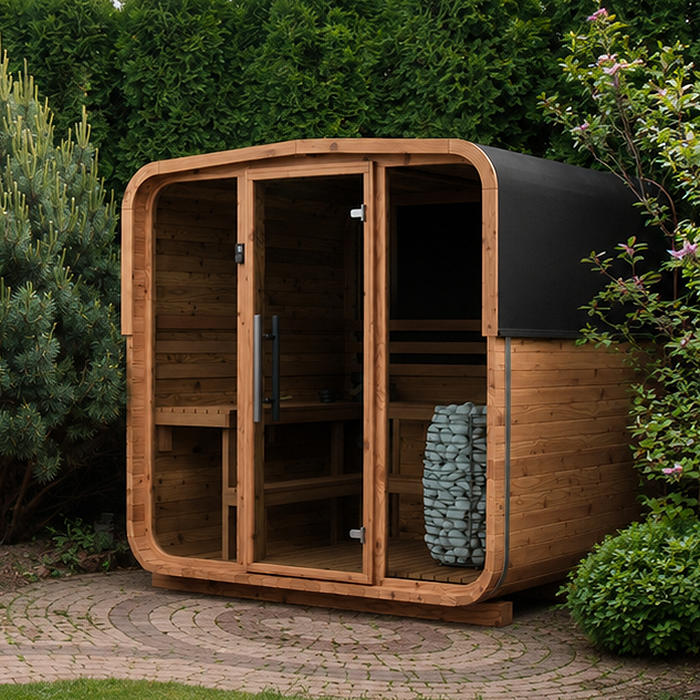
Two heaters can accept similar stone weights yet arrange those stones very differently. One design may place stones around heating elements; another may use a deeper or more enclosed stone chamber. The amount of exposed stone, the path air takes through the load and the way stones contact the heat source can affect how the design works. These differences are not a ranking: an open basket is not automatically better than an enclosed chamber, and a large-looking basket does not prove greater capacity. Use the manufacturer’s drawing and operating description to understand the specific model, not a product photograph alone. Where a listing shows more than one configuration, check which drawing applies to the heater being considered.
When comparing heater designs for a cabin such as the HC-225 sauna, listed at 4.4 m², keep the cabin reference separate from the heater drawing. The cabin name does not establish whether a proposed heater has an open basket or an enclosed chamber. For each heater, look at how the drawing shows the stones in relation to the heat source, rather than comparing only the outer casing. Read that drawing alongside the stated stone load and loading instructions. This gives the capacity figure useful design context without assuming that two equally heavy loads have the same arrangement or exposed surface.
Stone type and arrangement are part of the specification
Kilograms alone do not tell you which stones to buy. A manufacturer may specify a stone type or grade, a size range and the way stones are intended to sit in the heater. It may also state whether stones are included or sold separately. A bag with the right total mass can still be unsuitable if its pieces do not match the specified size or leave too little room for the intended air movement. Do not assume that loose rocks sold for landscaping or general garden use are appropriate for a heater. Use the heater maker’s approved stone information, and ask for clarification if a retailer listing and the manual do not agree. Check the inclusion list rather than assuming stones pictured or mentioned in sales material are supplied.
Arrangement is part of how the appliance is intended to operate, not a cosmetic detail. The manual may show how stones are placed and which gaps or surfaces must remain unobstructed. Follow that diagram rather than compressing stones to reach the stated weight or adding extra because there appears to be room. Do not remove guards or alter clearances to accommodate a different load. If a previous owner or retailer has supplied a mixed load, confirm that the types and sizes are permitted for the exact model before using it. A correct total weight does not make an unapproved arrangement suitable.
Use the sauna’s room specification when sizing the heater
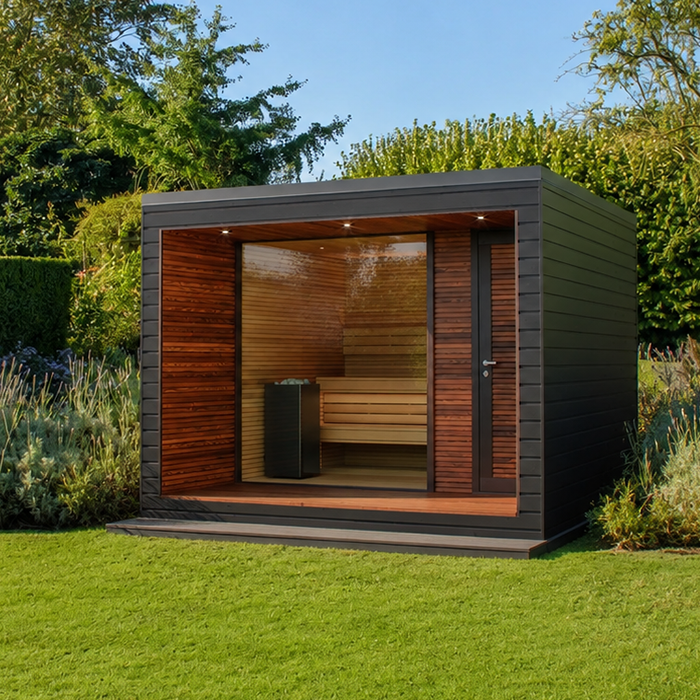
Stone capacity is not a substitute for the heater’s stated sauna-room range. Manufacturers usually specify a room volume or range for each model, based on its design and sizing method. The actual room specification matters: floor area alone does not give volume, and glazing, masonry, ceiling height and ventilation may affect the maker’s sizing guidance. Use the heater manual’s method for those features; do not make up a room volume by applying a guessed height or a generic adjustment. A heater that accommodates a large stone load is not automatically suitable for a large room, and a smaller load does not automatically rule it out. If the room’s dimensions or surfaces are unusual, ask the manufacturer or a qualified sauna installer to assess the match.
For a cabin such as the LC-260 thermowood barrel sauna, listed at 5.12 m², the missing information for heater sizing is the complete internal room specification, not a target stone weight. Obtain the internal dimensions and relevant details of the room’s surfaces, then apply the selected heater manufacturer’s sizing guidance. Keep a note of any adjustments required by that guidance so you can compare heaters on the same basis. Once the room match is established, stone capacity becomes a separate design choice among suitable models. There is no direct conversion from the cabin’s listed floor area to kilograms of stones.
Read the complete heater specification
Read the heater’s specification as a set of linked requirements. Record the exact model and version, its output rating, the stated sauna-room range, the meaning and unit of stone capacity, the required stone type and size, and whether stones are included. Check for an illustrated loading arrangement, required clearances, control information and the manufacturer’s installation conditions. A retailer summary may omit details or combine versions; the manual or manufacturer’s technical sheet should settle what applies. If capacity is stated as a number of stones rather than a mass, do not convert it to kilograms unless the piece size and weight are documented. If figures conflict, do not average them; ask the supplier to confirm the correct documentation for the exact heater.
Use the quotation to connect these specifications to the actual products being offered. If it names the HCF-300 sauna, whose catalogue entry lists 6.89 m², it should also identify the selected heater rather than leave its configuration unclear. Check whether the quoted package includes that heater, the specified stones and any controls or accessories described. A stated stone capacity is not an inclusion list. Keep the cabin and heater references together with the relevant technical information, so you can distinguish the load the heater accepts from the stones you would receive. Resolve any difference between the quotation and product details before comparing package contents.
Consider how the sauna will be used
Think about the way you expect to use the sauna, but do not turn that preference into an assumed kilogram target. If you often want to pour water, care about how quickly the stones regain heat afterwards or plan for longer periods of use, the heater’s layout, approved water guidance, controls and operating notes may be as important as stone mass. A larger load can affect stored heat, but the rest of the system determines how that heat is supplied and replenished. The number of users or preferred session style does not translate directly into stone weight; begin with the heater’s room rating and manufacturer’s operating guidance. If a particular feel matters to you, compare model-specific design descriptions rather than treating capacity as a shortcut for a sensory result.
For a project based on the LCF-300 barrel sauna, establish which heater is being considered before assessing whether its operating guidance suits your routine. The cabin model name alone does not confirm that configuration. Compare any model-specific guidance on repeated water use and recovery with the way you expect to use the sauna, rather than assuming that a higher capacity will suit you better. Keep running costs separate from this comparison: capacity alone cannot prove lower energy use or lower costs. Those depend on the heater and operating conditions, so the stone-load figure is neither a cost estimate nor evidence of greater efficiency.
Clearances and access still need planning
Stone capacity says nothing about the space a heater occupies or the clearances its manufacturer requires. A larger stone chamber may have a different physical layout from a compact design, but kilogram figures do not tell you its dimensions. Before settling on a heater, review the exact model’s drawing, required distances from surrounding surfaces, any guard specification and access needed for normal inspection or service. Include circulation space and room to carry out the maintenance described in the manual. Keep these requirements distinct from the sauna’s listed area: usable floor space and the heater’s installation envelope are not interchangeable measures.
For the S-140 thermowood barrel sauna, listed at 1.93 m², assess the heater on the verified cabin layout rather than using the area figure as a measure of available clearance. Compare the heater’s footprint and required surrounding space with the positions of benches and circulation routes. Have a qualified installer confirm the site, supporting surfaces and electrical or combustion arrangements that apply to the chosen model. The layout must accommodate the exact heater’s instructions; choosing a smaller stone load does not, by itself, reduce its required clearances. Check service access as well as whether the appliance physically fits.
Plan for stone inspection and replacement
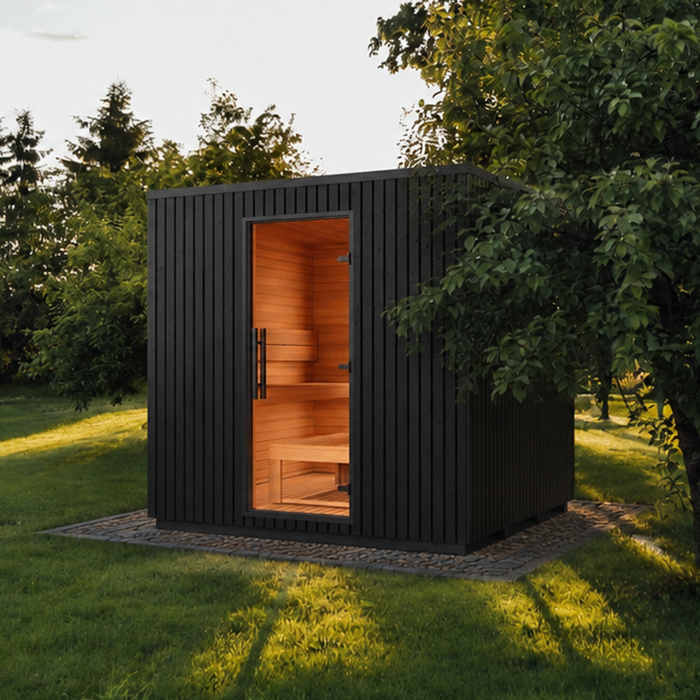
Stone capacity also affects what you may need to maintain, though the number does not give a replacement schedule. Stones can shift, crack or break down over repeated heating, which may change the gaps around them. The maker’s instructions should explain how to inspect the load and when to renew or rearrange stones. Follow the stated signs and intervals rather than inventing a routine from the kilogram figure. A greater capacity simply means a different amount of stone material to inspect; it does not guarantee longer stone life or less attention. Carry out checks in the way and at the time specified by the heater’s instructions.
A maintenance record should identify the heater separately from the cabin. For example, the HC-150 sauna listing gives a cabin area of 2.97 m², but replacement stones must be selected against the installed heater’s model and requirements. Keep its permitted stone type and size, recommended load and relevant maintenance notes together, so a later purchase does not depend on remembering the original order. If the heater is changed, check the new model’s instructions before reusing the old stones or arrangement. A record of the previous setup is useful context, but it does not establish that the same load suits a different heater.
A practical checklist for comparing heaters
A useful comparison sheet has one row for each exact heater model. Include the room-volume range, output, stone capacity and what that figure means, stone type and size, whether stones are included, loading diagram, clearances, controls and installation documentation. Note any questions still open rather than filling gaps with assumptions. First rule out models that do not meet the room and installation requirements; then compare the stone chamber and operating guidance among the remaining options. This makes capacity a meaningful comparison point, not the only selection criterion. A larger figure is not automatically an upgrade if the model does not suit the room or its documented requirements.
Finish the comparison by separating confirmed details from unanswered questions. If your cabin choice is the N-210 barrel sauna, listed at 4.43 m², record it alongside the confirmed internal room details and the exact heater under consideration. Then check whether each shortlisted heater has a clearly defined capacity, a specified stone selection and an identified loading arrangement. Ask the supplier to clarify any remaining gaps rather than giving an incomplete listing an advantage because it shows a larger number. The useful outcome is a comparison of suitable, clearly specified heaters—not a ranking by stone weight alone.
Frequently asked questions
Does a higher stone capacity mean more steam?
No. Capacity tells you about the stone load the heater is designed to accommodate, not how much steam it will produce. The effect of pouring water depends on stone temperature, exposed surface, stone arrangement, the amount of water used and air movement. Follow the instructions for the exact heater.
Will a heater with more stones warm the sauna faster?
Not necessarily. More stone mass takes heat to warm, and the warm-up time also depends on heater output and controls, the room and its construction, ventilation and starting conditions. Use the manufacturer's information for the exact heater and room rather than drawing a conclusion from kilograms alone.
Does the stated stone capacity mean stones are included?
No. Capacity describes the load a heater can hold, not necessarily what is supplied with it. Stones may be sold separately or identified in a separate inclusion list. Check the product details and the manual for the exact model and version before assuming that stones are part of the package.
Can I compare capacity figures across different heater designs?
Use the figures as one comparison point, but first check that they mean the same thing. Heater designs can differ in chamber shape, stone size, arrangement and exposed surface. Compare the matching manuals and drawings, as well as the room rating and stone requirements.
Can I use any sauna stones if the total weight is right?
No. The specified stone type, size and arrangement matter as well as the total load. A different mix may not fit the intended stone bed or airflow. Use stones approved for the exact heater and follow its instructions; do not rely on weight alone.
Stone capacity is most useful when you know what the figure measures and how the stones sit in the exact heater. It can help you compare the stone load a design is intended to accommodate, but room fit, stone specifications, controls and safe installation still matter. Read the number as one part of the heater’s documented system, not a score for quality or comfort.
