
Hidden Running Costs of Greenhouse Gardening
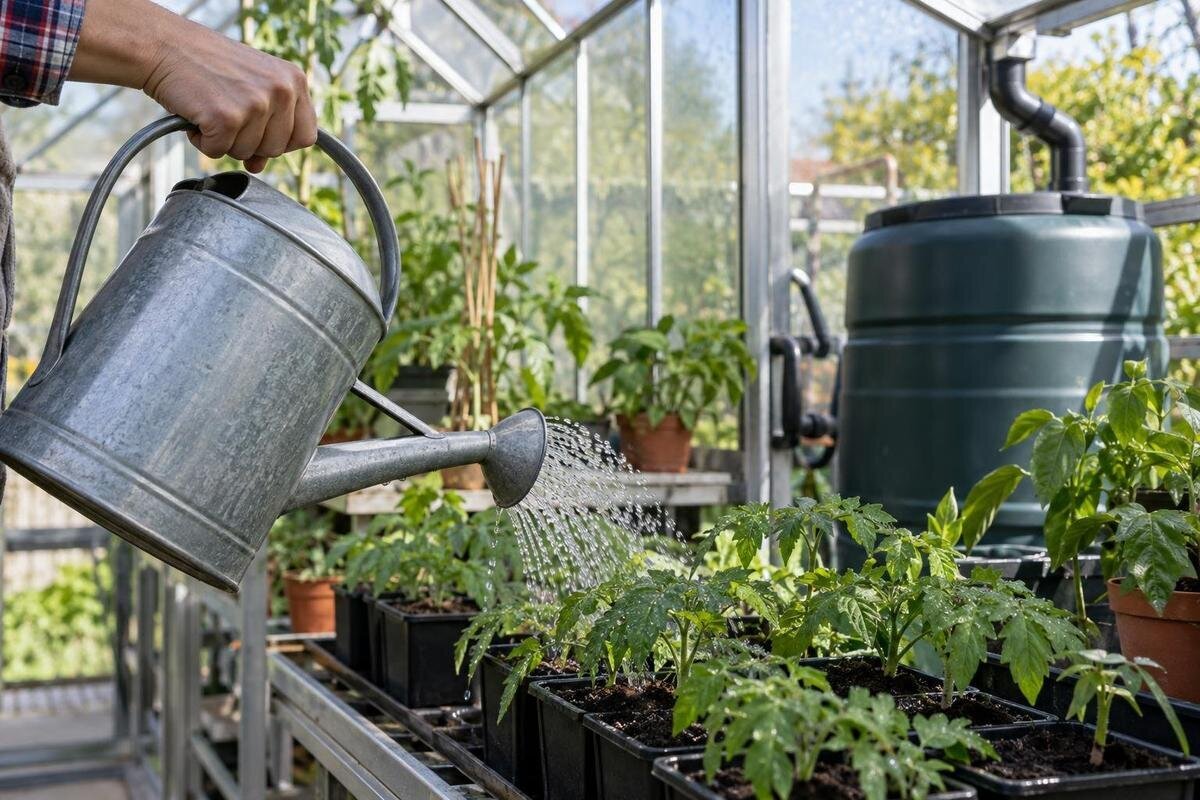
Greenhouse ownership planning
The greenhouse itself is the obvious purchase, but gardening inside it creates a second budget: seeds and starts, growing media, water, routine supplies, equipment use and replacements. Those amounts can be spread across small orders, making them hard to see in a household's general garden spending. A useful estimate starts with the crops and tools you plan to use, then gets checked against receipts and simple usage notes during the season. This guide focuses on that annual running-cost worksheet. Keep construction or installation in a separate setup budget, and leave heating calculations outside it.

Set clear boundaries for the annual budget
Decide what counts as an annual greenhouse cost for this worksheet. For a cash budget, include purchases made for growing during the period: seeds and starts, growing media, water, consumables, equipment operation, upkeep and replacements. Keep the greenhouse structure, installation and other one-time setup purchases in a separate column. Otherwise, a large first purchase can distort the year while smaller repeat buys disappear among general garden receipts. A replacement part belongs in the year it is bought, but it is not the same kind of expense as a tray of seedlings or a bag of mix.
Choose one period, such as a calendar year or a clearly defined growing season, and record it at the top of the sheet. For each item, enter the plan, actual amount paid, quantity used and stock remaining. Decide whether you are reporting cash paid or materials consumed, since leftover stock changes those totals. Allocate shared purchases to the greenhouse only in a consistent, explainable way; do not assign a whole bag of mix to this space if some went to outdoor pots. Use invoice totals for delivery or tax only where they are actually charged. The Aluminum Greenhouses range covers listed areas from 3.77 m² to 28.08 m²; base a draft budget on the configuration being considered, not a generic category label.
Budget for seeds and purchased starts
Build the seed and plant-start line from your crop list. For each crop, note whether you will sow seed, buy a young plant or use another purchased planting material; enter the planned number of packets or starts and the intended quantity. Purchased starts have a direct cost of their own, so keep them separate from seed packets. Include delivery charges where they appear on the order. If one seed packet will serve both greenhouse and outdoor beds, note the expected greenhouse share instead of charging its full cost to one project. This is more useful than multiplying area by an assumed seed allowance, because planting choices use different quantities.
Before ordering, check the seeds you already own and note what is unopened or partly used. Match those supplies to the crop list so your order covers the intended sowings rather than duplicating packets in storage. Keep a simple sowing record showing the packet, quantity used and date; this gives next year's estimate a practical basis without needing to predict germination. When comparing orders, distinguish the number of packets purchased from the number of plants you intend to grow. The Pyramid Greenhouse is listed in areas from 5.53 m² to 18.9 m²; use the exact option you are considering to plan planting space, then work out seed quantities from the crops you intend to grow.
Measure growing media by use, not by bags bought
Growing media is often bought in bags and used across seed trays, pots and beds. Separate seed-starting mix, potting mix, compost, mulch and amendments only where you actually purchase them as distinct items; follow receipts so one product is not counted in two categories. Record the bag size, number bought, paid price and amount left at season's end. Comparing price per litre can make different pack sizes easier to assess, but the budget should reflect the quantity you need, not simply the largest bag that looks like a better deal.
For next season, use last year's purchases as a starting point and count what you plan to fill: trays, pots, beds or other containers. Note initial filling and later top-ups separately so the estimate shows where the media will go. Record quantities in a consistent unit, such as litres, alongside the package sizes available to buy; this makes the connection between your growing plan and shopping list easier to follow. The Bloomcabin Prestige Greenhouse is listed in areas from 3.77 m² to 28.08 m². When comparing configurations, estimate media from the planned beds and containers rather than the full enclosure area, including space you intend to leave clear for access.
Estimate greenhouse water use from a record
Water can be difficult to separate from a household bill. If an existing meter can isolate greenhouse use, record its readings over the period; if not, a watering log can still make an estimate transparent. For example, note the capacity of a watering can and the number of fills, or record another repeatable measure you already use. Mark watering that also serves outdoor plants, and avoid assigning the entire household bill to the greenhouse. Where the bill separates usage charges from fixed charges, base the estimate on the relevant usage amount rather than treating the full service cost as greenhouse consumption.
If you collect rainwater, do not treat the supply as costless by default. Enter any containers, replacement parts or pump electricity you actually pay for, separating one-time equipment from repeated expenses. If there is no measured volume, label the estimate and write down the method so it can improve next year; do not present a short-term estimate as a precise cost per crop. Listed areas for the Lean-To Greenhouses run from 3.69 m² to 14.34 m². The selected area helps define the planned space, but it does not reveal crop water use. Build that line from watering notes and your own bill or operating records.

Count routine supplies and track what remains
Small routine purchases often vanish into general garden spending. Review what you actually use: plant labels, ties, clips, pots, trays, seedling cells, fertilizer, amendments, cleaning materials and pest-management supplies where relevant. Mark each item as consumed, reusable or bought only when stock runs low. Reusable trays and hand tools belong under equipment or replacements rather than an automatic annual consumables allowance. Check that fertilizer and amendments have not already been entered with growing media. A broad shopping list is not a forecast: give each planned purchase a purpose, such as labelling sowings, supporting plants or cleaning equipment, and include only the supplies your growing plan requires.
At the end of the season, count usable stock before setting next year's quantity. Record packs or units bought and what remains, not just the total dollars; one unopened box can change the next order even if the cash was spent this year. Keep reusable items separate from supplies that need replenishing, and note which items actually need replacement rather than treating every previous purchase as recurring. The T-Shaped Orangery Greenhouse is listed in areas from 16.52 m² to 30 m². When budgeting for a selected layout, count supplies against the planned plants, containers and growing tasks; the model name alone does not tell you how many ties, labels or trays to buy.
Separate equipment purchases from operating costs
Durable equipment creates costs in more than one way. List what your greenhouse plan actually uses, such as watering equipment, storage containers, shelving, hand tools, a pump or non-heating lights. Put the purchase of a new item in setup or replacement, and track recurring batteries, filters or other consumables separately. If equipment uses electricity, include its operation in a non-heating energy line; do not assume every greenhouse needs the same devices. A list based on your layout is more useful than a standard equipment package that may not fit your tasks.
For a planned estimate, use the manufacturer's stated energy use or an electricity meter where practical, then replace assumptions with your records. This article does not calculate heating. For maintenance, note the date and amount of each repair or part rather than assigning an unsupported service life to a tool. The Spacious Greenhouse is listed in areas from 47 m² to 70 m²; at that or any other size, count the equipment needed for your actual layout instead of multiplying a smaller setup's total by area alone. If a device serves the wider garden too, record only the greenhouse share of its operating cost.
Plan for replacements and first-year costs
A replacement reserve can help you plan for irregular spending, but it should remain separate from actual annual expenses. Show what the allowance is intended to cover and its basis, such as your own past repair spending, rather than presenting a future replacement as certain. When you buy a part or replace a tool, enter the payment as an actual expense; do not add the same amount again simply because you had set money aside for it. Keep reserve allowances, paid repairs and equipment purchases clearly labelled so the worksheet distinguishes money spent from money earmarked for possible needs. Heating calculations remain outside this running-cost subtotal.
In year one, setup and growing purchases may arrive close together, making it especially important to identify which expenses will recur. Note when the greenhouse first enters use and how much of the year the estimate covers; a partial first season is not directly comparable with a full one. The Limited-Edition Aluminum Greenhouses with Storage are listed in areas from 5.52 m² to 28.08 m². Record the configuration you are pricing and identify its purchase as setup. At the first year-end review, distinguish supplies used during that initial season from equipment bought to establish the growing space, so the following year's plan reflects continuing needs rather than the whole first-year shopping list.
Build a worksheet that separates planned and actual costs
A useful sheet has one row per item and fields that explain how its total was reached: category, item, unit or package size, planned quantity, planned unit cost, planned total, actual amount paid, quantity used and quantity left. The planned total is planned quantity multiplied by a price you have observed or obtained; it remains an estimate, not a promise about next year's price. Add the purchase date and a note whenever an item is shared with outdoor beds or household use. Then each figure can be traced to a receipt or stated assumption instead of a round-number guess.
Keep seeds and starts, growing media, water, routine supplies, equipment operation, repairs and replacements in separate categories. Add each category, then the overall running-cost total; leave setup and heating outside that subtotal. Record delivery and tax from actual invoices instead of adding an assumed percentage, and keep all amounts in one currency. The Limited Edition Aluminum Greenhouses cover listed areas from 3.77 m² to 28.08 m²; enter the exact selected area and planted layout as assumptions so next year's sheet compares like with like. If a figure is uncertain, mark it as estimated and state how you arrived at it.

Review the budget during and after the season
Update the worksheet when purchases arrive and at a regular point in the season, rather than reconstructing every trip at year-end. Compare quantities as well as dollars. A higher total may reflect a price change, a larger crop list, a second purchase or a package that is only partly used; these causes call for different adjustments next year. A short note such as extra seed tray, repotting supplies or media left in storage is enough to explain a variance. Track discarded or spoiled stock separately from usable leftovers so waste is not hidden.
Record gardening time separately if workload is part of your decision. Hours spent watering, potting, cleaning or shopping are real commitments, but are not cash expenses unless you choose to value them. Keeping time and money side by side may show whether a low-spend plan demands more visits, or whether a convenience purchase changes your routine, without confusing hours with invoices. Record enough detail to connect the time to a task, rather than logging only a single total for the season. At year-end, compare the planned and actual workload alongside spending, and note which tasks took more attention than expected. Use those observations to adjust the next crop plan without assuming that spending more will necessarily save time.
Use the budget to refine the growing plan
Use the totals to test the growing plan before expanding the crop list or changing the layout. Ask which costs rise with the number of plants and which are one-time purchases that remain usable: more seed packets and media usually follow crop choices, while a new tool may not be needed each year. List the crops and containers you can realistically maintain, then price their specific inputs. This avoids a misleading per-square-metre figure that ignores whether the space is planted in pots, beds or left open for access.
If the crop plan is still uncertain, prepare a smaller and a fuller version. Change actual quantities—packets, starts, litres of media, water use and supplies—instead of adding an arbitrary percentage to every category. Mark unknown prices for checking and use a contingency only when you can explain what it covers. If the fuller plan stretches the budget, trim optional crops or delay equipment that is not needed for the current plan; do not count an unverified saving as certain. The useful result is a budget linked to your tasks and records, not a claim that every greenhouse costs the same.
Frequently asked questions
Which costs should I include in an annual greenhouse budget?
Include the seeds and starts, growing media, water, routine supplies, equipment operation, maintenance and replacements you actually expect to pay for during the period. Keep the structure and other one-time setup purchases separate. Track shared garden purchases by the portion used for the greenhouse, and note whether each total represents cash paid or materials consumed.
Can I estimate greenhouse costs per square metre?
Area can help define the space you are planning for, but it cannot account for your crop list, container choices, watering habits or equipment. A per-area figure may conceal those differences. Use the selected greenhouse area as one planning detail, then estimate quantities from your own growing plan and refine them with receipts and usage records.
How should I work out the cost of greenhouse water?
Use a separate meter if one already records greenhouse use, or keep a repeatable watering log, such as the capacity and number of watering-can fills. If you use a household bill, attribute only the relevant usage charge where it can be identified. Label unmeasured figures as estimates and record how you arrived at them.
What should I do with seeds or growing media left over?
Record the purchase in the year you paid for it, then note usable stock at the end of the season. A cash budget counts the full purchase; a comparison of materials consumed can allocate only the portion used and carry the rest forward. Keep those views separate so leftover supplies are not counted as new purchases next year.
Should greenhouse heating be part of this worksheet?
Keep heating calculations in a separate estimate. This worksheet covers seeds, growing media, water, supplies and non-heating equipment costs, so its total can be compared on a consistent basis. If you record heating expenses too, keep them in a distinct line rather than folding them into these categories.
An annual greenhouse budget works best as a record, not a one-time guess. Separate initial setup from growing expenses, estimate inputs from the crop plan, and track actual use, leftovers and repairs as they happen. Keep water and equipment assumptions visible, and leave heating calculations in their own planning exercise. After one season, the worksheet can show which figures were sound, which were estimates and which purchases were unusual—enough to make next year's plan more specific to your garden.
