
Can You Care for a Greenhouse Only on Weekends?
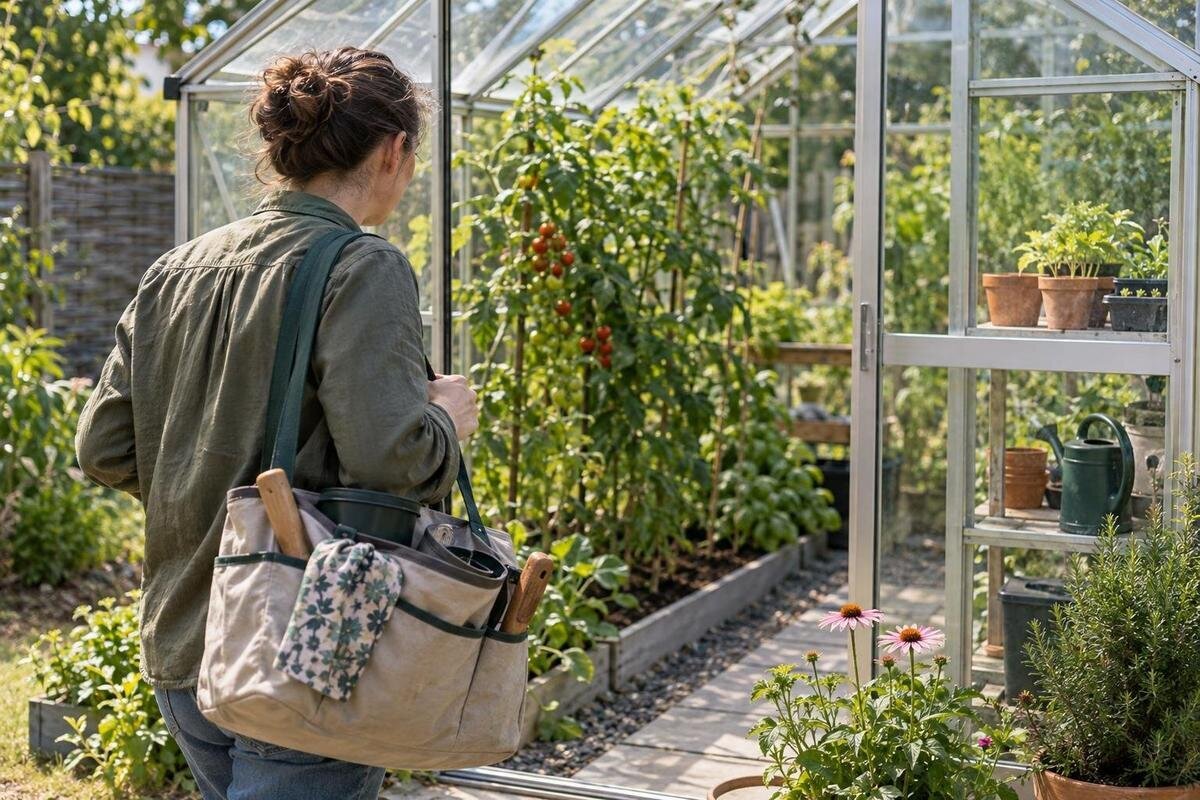
Greenhouse planning
Weekend-only greenhouse care can work, but the deciding factor is not how many chores fit into Saturday. It is whether the plants can get through the longest gap between visits when water demand rises, temperatures shift or a vent or irrigation line stops working. A realistic plan starts with the crop list, tested water delivery, ventilation suited to the site and a person who can respond if something cannot wait.

Work out the true gap between visits
One visit per weekend usually leaves the greenhouse unattended through most weekdays, not just overnight. If you arrive Saturday and leave shortly afterwards, the interval before the next Saturday check is close to a week. An additional visit on Sunday before you leave shortens that gap. Record your actual departure and return times, and allow for work, travel or other plans to shift. If visits do not happen at the same time each week, counting calendar days alone can hide a longer absence. Plan against the longest realistic gap, including a delayed return, rather than an average. A watering arrangement that carries plants through three days has not yet proved that it can cover six or seven.
Separate work by urgency. Checking a dry root zone, restoring failed water delivery or dealing with a vent problem during an unexpected warm spell may not be safe to postpone until the following weekend. Tying in growth or tidying a path may be less time-sensitive, depending on what you grow. For several weeks, log the date, tasks, conditions and anything that could not wait. Note how long each visit took and whether the same job came up between visits. Add plant stage and weather so a quiet early-spring check is not confused with a productive warm period. The record shows whether water, ventilation, harvesting or travel time is your real constraint.
Crop planning for weekend visits
Choose the crop list only after defining the longest realistic gap and the conditions the greenhouse may face. For each crop, note whether it will be in a bed, pot or hanging container, its growth stage during your absence and when it is likely to need attention. Small seedlings, fresh transplants and plants with little root space are often less forgiving of missed watering than established plants in a larger bed. A label such as “easy care” does not tell you how a crop will behave in your hottest week or in a particular container. Use local growing guidance for the crop and planting time, then identify the most vulnerable stage and place it on your calendar.
Keep the first planting intentionally modest. Growing a limited number of plants through the longest gap lets you observe water use and whether maintenance accumulates before you fill every bed. Sketch a weekly calendar with sowing, transplanting, pruning and likely harvest windows; two crops may be manageable separately yet peak together. Compare candidate footprints only after this crop plan is clear. The Classic greenhouse listings span 3.77 to 28.08 m², but stated area describes size, not plant capacity or care time. Draw the beds, containers and access you intend to use, and leave enough room to inspect plants rather than filling every corner. Count the plants as well as the square metres: extra space can invite a larger growing plan.
Test water demand before relying on automation
For greenhouse planning, do not count on outdoor rain reaching plants under cover. Water demand changes with sunlight, temperature, airflow, crop size, soil volume and container type. Keep notes in the warmest, brightest conditions you are likely to face, not only during a mild spell; check moisture at root depth and compare different parts of the greenhouse. A dry-looking surface alone can mislead, while one wet corner does not confirm the whole bed is supplied. Use the thirstiest planting as your test case, especially small pots, hanging baskets or newly established plants. Check again at more than one point in the week if possible to see how quickly the root zone changes.
Run the exact watering method while you are available to inspect the result. Check that each outlet reaches its intended pot or bed, then return after the longest planned interval and examine moisture where roots are growing. If you use a timer or reservoir, note starting and remaining levels under those conditions; do not treat a mild-week trial as proof for peak demand. Check whether water pools or bypasses roots, and correct the arrangement before leaving plants unattended if it does. The Lean-To Greenhouses range is listed from 3.69 to 14.34 m², a footprint to compare when sketching beds and delivery points. That range says nothing about tank capacity or irrigation performance, so base the supply on observed use and allow for conditions that increase demand.
Build a backup for irrigation failures
An automatic timer can make routine delivery more consistent, but it is one component, not a second pair of eyes. List what could stop water reaching a plant: a depleted reservoir, blocked outlet, disconnected or leaking line, timer failure, a problem with its power source or an interruption to the supply. Separate a problem at one outlet from a shared failure that could affect several rows. Then ask how you would notice before the next visit. A monitor helps only if it measures the relevant condition, remains connected and alerts someone who can act. Do not count stored water as a backup unless there is a tested way to deliver it to the crop; a second container is not independent if the same failed line serves both.
Test every outlet and observe the plants after the full interval, with someone available to step in during early trials. Check connections and flow during each visit; a timer display or run indicator does not prove water reached every pot. Mark the shut-off and supply points so a helper can find them, and keep a tested manual method for watering the most vulnerable area. Recheck after changing a setting or moving a line. The Limited Edition Aluminum Greenhouses listing covers areas from 3.77 to 28.08 m². Use the selected footprint to map crop zones and access; it does not tell you what water system or reserve the growing plan requires. Keep the fallback simple enough for another person to follow.

Plan ventilation for days you are away
Ventilation is separate from watering: a full reservoir will not protect plants in a greenhouse that becomes too hot or stays damp. A sunny afternoon can differ sharply from conditions when you left in the morning, so consider how air will move when nobody is there to open a door or window. Check which openings are intended to remain in use, whether a control can respond without a visit and what could stop it from moving freely. A forecast is useful but not a guarantee. Consider changing wind and overnight conditions too; a position that works on one day may not suit every crop or site. If your normal routine involves opening or closing by hand, account for those missed checks explicitly.
Ask for the ventilation details for the exact configuration you are considering; do not infer them from a model name or image. The T-shaped orangery greenhouse listing gives an area range of 16.52 to 30 m², but the title and footprint do not establish which openings or controls are included. Confirm opening positions, compatible controls and any care they require, then test how the setup behaves while you can still adjust it. Decide what you will do if an opener sticks, a vent is exposed to unsuitable weather or the forecast changes. Include any adjustment a helper might need to make in your written plan. If suitable ventilation cannot be maintained through the gap, reduce the crop plan or arrange another check.
Match crops to your available care
Select plants for their actual water and temperature requirements, not a general “low-maintenance” label. Seedlings and recent transplants often need closer observation while roots establish; small-rooted herbs in pots and fruiting plants during active growth may also be demanding. An established in-ground plant can have more soil around its roots than one in a small pot, but that does not make it independent of watering. Cultivar, container size, planting density and weather all change the picture. Needs also shift as plants mature, so a plan that works immediately after transplanting may not be suitable later. Check reliable growing guidance for the varieties and season you have chosen, then test the most demanding crop against your longest absence.
Limit the number of different care routines at first. Crops with similar watering and ventilation needs are easier to inspect together, while staggered sowing can keep every plant from reaching a high-attention stage at the same time. Account for harvest as well as survival: ripe produce may need picking before the next weekend, depending on the crop, and a short harvest window can create extra trips. Use an area listing only to plan physical space. The Pyramid Greenhouse options are listed from 5.53 to 18.9 m²; that figure does not say how many plants fit or how often they need care. Sketch the selected varieties, paths and harvest access instead of relying on the catalogue footprint alone.
Account for containers, beds and planting density
Containers can make a weekend plan less forgiving because a small volume of growing medium may dry sooner than a deep bed, and exposed sides receive sun and moving air. Pots on a shelf, hanging baskets and containers at the warmest edge may not need water at the same rate as the central bed. Group plants with similar needs if useful, but check separate containers individually rather than assuming that a nearby plant shares the same moisture. In a bed, test more than one spot, including plants farthest from the door or water outlet. If some containers regularly dry before you return, changing the crop, container arrangement or visit frequency is more dependable than assuming the next week will be cooler.
Planting density affects access as well as water use: if leaves and containers hide the soil, it is harder to see drying, leaks or early plant stress. Leave enough working space to reach the plants you need to check, and keep a clear distinction between growing area and storage. The greenhouses with built-in storage are listed from 5.52 to 28.08 m²; use the stated footprint to sketch where beds, containers and storage will sit. Confirm the actual configuration and dimensions rather than assuming every square metre is available for crops. Store backup supplies where a helper can find them without shifting fragile plants or blocking the inspection route.
Make inspections easy to complete
Make a visit route that covers the full greenhouse, not just the first pots by the door. Draw where you will check root-zone moisture, inspect water outlets, look at vents and find shut-offs; keep those points reachable when plants are mature. Label controls and write down normal settings so a helper can distinguish a change from the usual arrangement. Include a way to operate the system if an automatic control is unavailable. If you have to move trays or tools to reach a valve, fix the layout before relying on weekly checks. The Prestige greenhouse listing shows areas from 3.77 to 28.08 m². Map the selected configuration rather than treating its name or area as a complete floor plan.
Use the same inspection order each visit: check moisture in representative beds and containers, look at each outlet or reservoir, verify that vents can move as intended, then scan for leaks, fallen leaves, damaged ties or other changes. Look closely enough to notice wilting, discolouration or signs that plants are not progressing as expected, not just whether leaves are present. Write down unusual findings rather than trusting memory. A timer or sensor can supplement this walk but cannot show every plant condition. Finish by sorting observations into what needs attention before you leave and what can wait, and leave time for immediate tasks as well as planned ones.

Arrange a backup visitor with clear instructions
Arrange for someone to visit between your regular weekends before you depend on a monitoring system. Agree on how they will access the greenhouse, what they should look at and how they can reach you. A short written guide with a simple route, water source and vent check is more useful than a long list of unfamiliar horticultural terms. Match the task to the person's comfort and availability; do not assume a neighbour can respond at short notice. Confirm their availability for the dates you expect to be away, and practise the check once before a problem occurs. When planning the route through a larger structure, such as those in the Spacious Greenhouse range, listed from 47 to 70 m², account for the number of rows and plants the visitor will need to inspect rather than estimating the work from floor area alone.
Define what should trigger that visit or a call: a supply or timer alarm, water below the level you tested, a vent that will not move, visible wilting or an unexpected weather change. Make each trigger observable and pair it with a clear response, so a helper does not have to guess whether “looks dry” means water one pot or the whole bed. Put your contact instructions beside the route, and say when the helper should call before changing settings. Remote alerts help only if the signal works, a person sees the notification and someone is available to act. If no dependable backup is available, grow less or arrange a shorter gap during vulnerable stages.
Trial the full routine before leaving it unattended
Trial the complete routine before the greenhouse is full or the busiest part of the season begins. Start with a small planting, run the watering and ventilation arrangements as you intend to use them, then leave them for the longest realistic interval while a backup person remains available if something goes wrong. Check plants and equipment at the end, not just whether a timer ran. If you cannot safely run that test without support, arrange a check during it. Avoid making the first trial immediately before a period when you cannot respond. An afternoon or a few mild days is not a test of a week without attendance; the time away should match the plan you expect to rely on.
Record what the system looked like at departure and return: root-zone moisture in key areas, water level if relevant, vent position, observed weather and any changes in the plants. Note what the backup person had to do, if anything, and whether your instructions were clear. Repeat the trial when conditions are meaningfully different, especially before relying on it through a hotter or brighter stretch. If the results are poor, change one part at a time—crop load, container mix, irrigation or visit frequency—and test again. Retest after major changes rather than assuming the old result still applies. Let the weak point exposed in the trial, not the hope of an average week, determine whether weekend visits are enough.
Frequently asked questions
Can I water greenhouse plants only once a week?
Sometimes, but there is no reliable rule for every crop. The answer depends on growth stage, root space, greenhouse conditions and whether water reaches each plant. Test the thirstiest bed or container through the full interval in warm conditions, with a backup plan. If the root zone dries before you return, change the crop, water supply or visit schedule.
Will an automatic watering system make the greenhouse self-sufficient?
No. A timer does not confirm that a line is flowing, a reservoir is full or every plant received water. Test the setup at each outlet and arrange for someone to respond if it fails. Automation can reduce a recurring task, but it cannot remove the need to check results and maintain equipment.
Which plants are best for a weekend-only greenhouse?
There is no universally weekend-proof crop. Established plants in beds with adequate root space may be easier to manage than fresh seedlings or small containers, but weather and variety matter. Choose crops whose watering, ventilation and harvest needs you can meet, then trial a small planting before using the full growing area.
Are automatic vent openers enough when I am away?
Automatic vent openers may reduce the need for manual adjustments when they are suitable, correctly configured and working, but they do not guarantee suitable conditions all week. Confirm compatibility and how the openers operate, keep vents clear, and decide who will respond if an opener sticks or conditions change.
What should a backup visitor check?
Give them a short route: check moisture in representative beds and containers, confirm water is available and reaches the outlets, look at the vents, and note leaks or wilting. Include clear response triggers and a way to reach you, and agree in advance what they can do. An alarm is not a backup unless someone sees it and acts.
Weekend-only care is workable when the growing area is planned around the longest real gap, not the best-case week. Let observations—not catalogue size or a timer alone—set the crop load, and test water and ventilation before relying on them. If plants cannot cope with the full absence, a smaller planting or an agreed midweek check is a sounder plan than hoping conditions stay mild.
