
Why Do Greenhouse Cucumbers Turn Bitter?
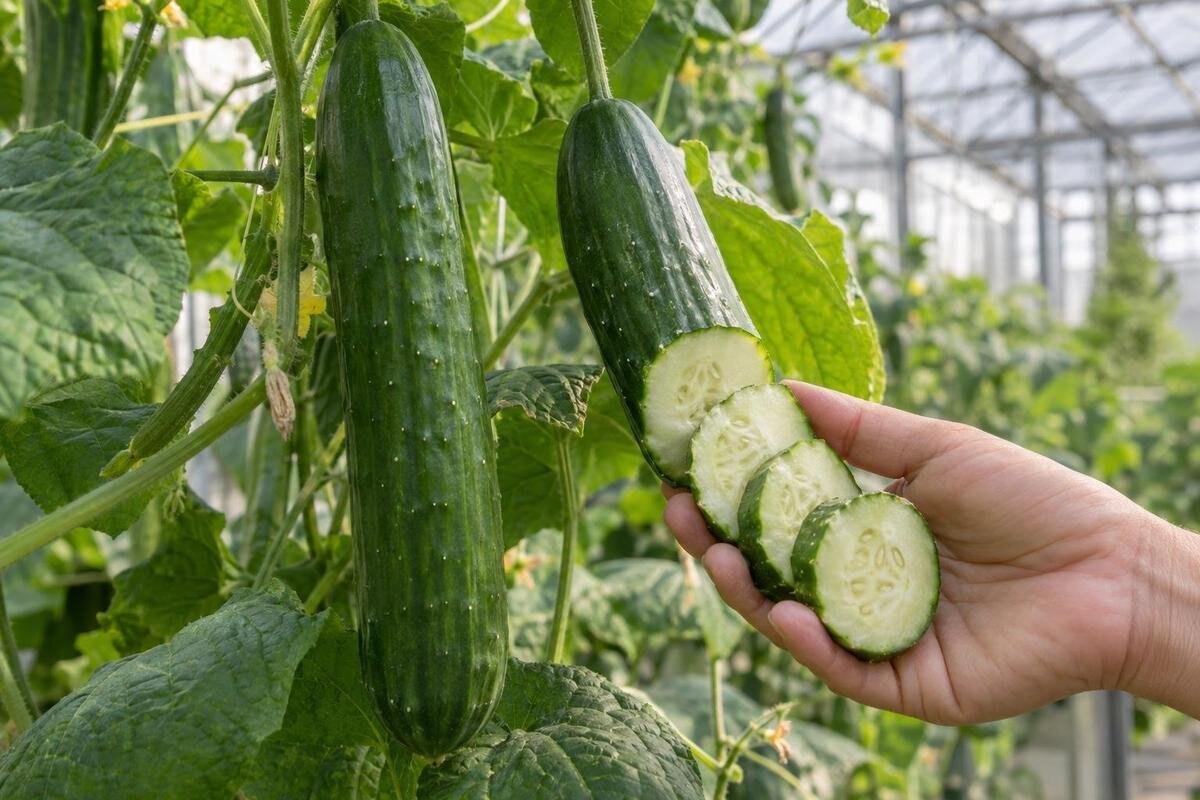
Greenhouse growing
Greenhouse cucumbers can taste bitter even when the vine looks healthy and the fruit appears normal. The main explanation is cucurbitacin, a naturally occurring bitter compound whose level depends on the plant’s genetics and may also be associated with growing stress. Variety, hot conditions, uneven moisture and harvest stage are useful clues, but no single factor proves the cause. Compare observations from different plants, review the cultivar and note recent conditions before changing your routine. Do not eat a distinctly bitter cucumber; its appearance cannot tell you why it tastes that way.

What makes greenhouse cucumbers taste bitter?
Greenhouse cucumbers taste bitter when a fruit contains enough cucurbitacins—naturally occurring bitter compounds made by plants in the cucurbit family—to give it a bitter flavour. Edible cucumber varieties usually produce very little in their fruit, but the amount can differ between cultivars, plants and individual cucumbers. An ordinary-looking fruit can taste sharply bitter, so colour, shape and firmness cannot confirm or rule out a bitterness problem. Bitterness alone does not diagnose rot, disease or a particular greenhouse fault. Leaves and stems may naturally taste much more bitter than fruit; tasting them is not a useful way to judge a cucumber. The relevant observation is the unexpected flavour of the harvested fruit, not the taste of other plant parts.
Think of bitterness as a symptom with several possible explanations, rather than a single sign of poor care. Inherited traits are important; high heat, fluctuating moisture or other stress may also matter in some cases. Those factors can overlap, and a healthy-looking vine does not rule them out. Equally, a stressed vine does not prove that cucurbitacins caused a bitter fruit. If only one cucumber is affected, do not assume the whole crop is the same; if several are bitter, do not jump straight to a new watering schedule. Compare cultivar, maturity and growing conditions before drawing a conclusion, because taste alone cannot identify which factor mattered.
How cultivar affects bitterness
Check the seed packet or transplant label for the cultivar name. Genetics sets an important baseline: many modern varieties sold for fresh eating have been selected for low bitterness, but “greenhouse cucumber” describes where a plant is grown, not a guarantee that every fruit will taste mild. The variety name is especially useful if bitterness recurs, because it lets you compare this crop with the supplier’s description or ask a local horticultural adviser a focused question. Record the full name and seed source rather than writing only “cucumber”; similar-looking fruit can come from varieties with different traits. Treat a low-bitterness description as a starting point, not a promise under every growing condition.
A volunteer vine or plant grown from saved seed is harder to assess because its parentage may be uncertain. Cross-pollination is often blamed for a bitter cucumber, but pollen from another plant does not usually change the flavour of a fruit already growing on the mother vine: cucumber flesh develops from the mother plant, while fertilization affects the seeds. Crosses can matter to the next generation if seed is saved and sown. For a clear comparison next season, choose labelled seed and keep the packet. Do not abandon an established edible cultivar based only on a first bitter fruit; note which vine it came from and whether conditions were unusual.
Growing stress is a clue, not a diagnosis
Conditions that stress roots or foliage deserve attention. Hot spells, sharp day-to-night changes, drying soil followed by heavy watering, root damage and restricted root space may coincide with bitter fruit, but these are different stresses and will not make every cucumber bitter. A plant that wilts, stops growing or sets poor fruit may need a separate diagnosis; those visible signs do not reveal the cucurbitacin level. Likewise, one bitter cucumber after a hot afternoon is a timing clue, not proof that heat caused its flavour. Note when each factor occurred, since a week of dry soil is different from a single warm afternoon.
Look for a repeated pattern: were several affected fruits harvested during the same dry stretch, or did all the bitter fruit come from one plant? Note irrigation changes, greenhouse readings and visible plant health before adjusting inputs. Avoid adding fertilizer or repeatedly flooding the bed in response to taste alone; either change can create another problem without addressing cultivar or heat. If comparing named cultivars next season, space for separate rows is a practical layout consideration: the Spacious Greenhouse range is listed from 47 to 70 m². Check the selected floor plan for beds, paths and enough room to keep each cultivar clearly labelled.
Check heat and airflow inside the greenhouse
Sunlight can push greenhouse air well above outdoor conditions, and temperatures may differ between the door, a sunny wall, the middle of a bed and the height of the cucumber leaves. A thermometer near the canopy gives a more relevant reading than an outdoor forecast alone; a minimum–maximum thermometer or dated note can show whether bitter harvests followed repeated hot periods. Keep the sensor shaded from direct sun and away from a heated surface so it records air temperature. Note the time and whether vents or doors were open. One reading cannot prove why a fruit tastes bitter, but a record across several days can reveal whether conditions recur.
Inspect ventilation alongside your temperature record: look at whether foliage blocks airflow and whether the warmest area is consistently in the same part of the greenhouse. Keep track of these locations so readings taken on different days remain comparable. Ventilation is a growing condition to monitor, not a guaranteed cure, and exact operation depends on the structure and weather. When comparing a future footprint, the Classic aluminium greenhouse range is listed from 3.77 to 28.08 m²; ask for the selected configuration’s opening details. Area and frame material alone do not tell you how the structure can be ventilated or how temperatures can be managed.

Look for swings in root-zone moisture
Check moisture in the root zone, not just at the surface. The top layer may dry while deeper soil remains damp, or a pot may dry more quickly than an in-ground bed; plant size, growing medium, drainage and recent weather all affect how quickly moisture is used. Repeatedly alternating between very dry soil and heavy watering can stress roots, although it cannot prove that water caused bitterness. Wilting during the hottest part of the day may reflect water stress, but the same sign can have other explanations. Check the growing medium before reacting to a wilted plant.
Use a repeatable check and water according to the actual growing medium, drainage and weather rather than following a fixed calendar. Aim for even moisture without leaving roots waterlogged; check containers and beds separately, since they do not dry at the same rate. If you change your watering routine, record when you watered and compare later fruit from that plant. A greenhouse footprint can affect how you plan paths and water access: Lean-To Greenhouses are listed from 3.69 to 14.34 m², but the selected layout—not its category—determines the route to each bed.
Harvest at the variety’s intended size
Harvest maturity can complicate a flavour comparison. Cucumber cultivars have their own expected harvest size and skin appearance; fruit left well past that stage may develop larger seeds, tougher texture or a less fresh flavour. Those changes do not establish that over-maturity caused a strong bitter taste. A yellowing, swollen or unusually seedy fruit is a reason to check harvest timing and variety, not a reliable visual test for bitterness. Use the packet or variety information to judge the intended stage rather than applying one length to every cucumber.
Harvest fruit at comparable sizes and note which plant and date they came from; otherwise, you may compare a young cucumber with one that is overdue. Handle fruit gently so you do not damage the vine, and keep the harvest record with the cultivar label. Record size and skin appearance as well as the picking date, so later comparisons reflect the variety’s intended harvest stage rather than the number of days between visits. If you are already comparing layouts for harvesting access, the Limited Edition aluminium greenhouse range includes options from 3.77 to 28.08 m². Check whether the chosen plan leaves paths that let you reach fruit along each bed.
Use the pattern across fruit and plants
The location of bitterness within a cucumber is an observation, not a diagnostic test. In some cucumbers, the skin or the stem end can taste more bitter than the centre, but the pattern varies from fruit to fruit. A mild edge at one end and pronounced bitterness throughout the flesh are different observations; neither identifies the cause with certainty. Describe what you noticed when bitterness first became apparent rather than cutting and tasting more pieces to map its distribution. Peeling or trimming can change what you taste, but it does not verify that the remaining cucumber is safe. Where the bitter flavour occurs cannot establish whether the fruit is suitable to serve.
Compare observations you already have: one fruit versus several, one vine versus neighbouring vines, one cultivar versus another, or similar versus different harvest sizes. Note whether affected fruit came from a more exposed or shaded part of the greenhouse. Keeping plant location separate from cultivar and harvest size helps you describe the pattern without assuming that one difference explains everything. For example, fruit from different locations may also have been picked at different stages. If you sketch rows and paths, the T-Shaped Orangery Greenhouse listings cover 16.52 to 30 m²; use an individual plan to mark bed locations rather than treating the overall shape as separate growing zones.
Keep a crop record before changing care
Keep a brief crop log around harvest rather than relying on memory. Include the cultivar and seed source, plant location, fruit size, picking date, recent greenhouse readings and any unusually hot or dry period. Record whether bitterness occurred in one fruit or several, using the observations already made when the problem became apparent. Add notes about changes to watering or ventilation, with dates that you can compare against the harvest record. Keep the entries in a consistent format so you can distinguish a single affected plant from a problem reported across several rows. A few clear observations make a later discussion with a horticultural adviser more useful than a general description of bitter cucumbers.
If the record points to a manageable routine, change one factor at a time and note what happens to new fruit. For example, you can monitor moisture more consistently without also switching fertilizer, pruning heavily and changing ventilation all at once. Compare fruit produced after the adjustment rather than expecting an already-grown cucumber to improve. When planning a new growing area, the Pyramid Greenhouse range is listed from 5.53 to 18.9 m²; use the selected drawing to plan rows, paths and places for labels or a thermometer.

Greenhouse layout helps you track conditions
Layout does not determine cucumber flavour, but it affects how easily you can spot uneven conditions. Map rows, walls, doors, vents, water access and shaded areas, then note where the bitter fruit grew. Dense foliage can hide fruit and limit access for inspection, while a thermometer in one corner may miss a warmer or cooler part of the crop. Leave room to reach plants and check the growing medium without trampling roots. A simple map helps you locate differences; it cannot establish whether cultivar or stress caused the bitterness.
If you are shopping for a structure, compare the actual plan, growing area, door and vent details, and site conditions rather than choosing on footprint alone. A product name may identify a storage feature without showing how much floor area remains for beds in a chosen configuration. The Limited-Edition Aluminum Greenhouse with built-in storage range is listed from 5.52 to 28.08 m²; check the selected plan and review ventilation information separately. A greenhouse listing is not evidence that bitter fruit will be prevented.
What to do with a noticeably bitter cucumber
Do not eat a cucumber that is noticeably bitter. Stop tasting it and discard the fruit rather than trying to cover the flavour with seasoning, cooking, pickling or trimming; those steps are not a dependable way to make strongly bitter cucurbit fruit safe. If a vine produces several bitter cucumbers, keep its remaining fruit out of meals while you check the cultivar and growing conditions. Be especially cautious with volunteer plants or fruit whose identity is uncertain: a photograph or normal-looking skin cannot establish whether it is edible.
Make a measured adjustment based on your observations: keep moisture more even if the root zone was cycling between dry and saturated, and check canopy readings if hot spells coincide with symptoms. Avoid treating fertilizer as a flavour remedy. If bitterness repeats despite a steady routine, share the seed label, crop notes and a photo of visible plant symptoms with a local horticultural adviser; a photo cannot diagnose taste or cucurbitacin levels. If you are also considering a different structure, use the crop record to identify the layout and ventilation details you need to compare. The Prestige Greenhouse with metal base is listed from 3.77 to 28.08 m²; confirm the exact model’s dimensions, openings and site or base requirements separately.
Frequently asked questions
Why are my greenhouse cucumbers bitter even though I water regularly?
Regular watering does not rule out other causes. Cultivar, hot conditions, fruit maturity and uneven moisture at the roots may all be worth checking. Compare the variety and the pattern across plants before changing your routine.
Can high greenhouse temperatures make cucumbers bitter?
Heat may contribute to growing stress, but one hot day does not prove why a cucumber tastes bitter. Record temperatures near the leaves and note which fruits are affected; repeated patterns are more useful than a single reading.
Does cross-pollination make the cucumber growing now bitter?
Usually, no. The cucumber flesh develops from the mother plant, while fertilization affects the seeds. Cross-pollination can matter if you save and sow those seeds, because the next generation may differ from the parent.
Is bitterness always a sign of poor care?
No. A cucumber’s inherited traits can affect bitterness, and growing stress may also be involved. A bitter fruit alone cannot identify the cause, and the vine may look healthy. Check the cultivar and compare more than one observation.
Can I peel or cook a bitter cucumber to make it safe?
Do not rely on peeling, trimming, cooking or pickling to make a distinctly bitter cucumber safe. Stop tasting it and discard it. Be especially cautious with fruit from volunteer plants or vines whose identity is uncertain.
A bitter cucumber is a reason to pause, discard that fruit and compare the cultivar, moisture, heat and harvest stage—not to assume one mistake caused it. Repeated patterns offer better clues than an isolated bite: variety sets a baseline, while notes on growing conditions help show what changed. With labelled seed and careful observation, you can narrow the possibilities without mistaking a possible stress factor for a proven cause.
