
Managing Greenhouse Heat and Moisture in Ireland
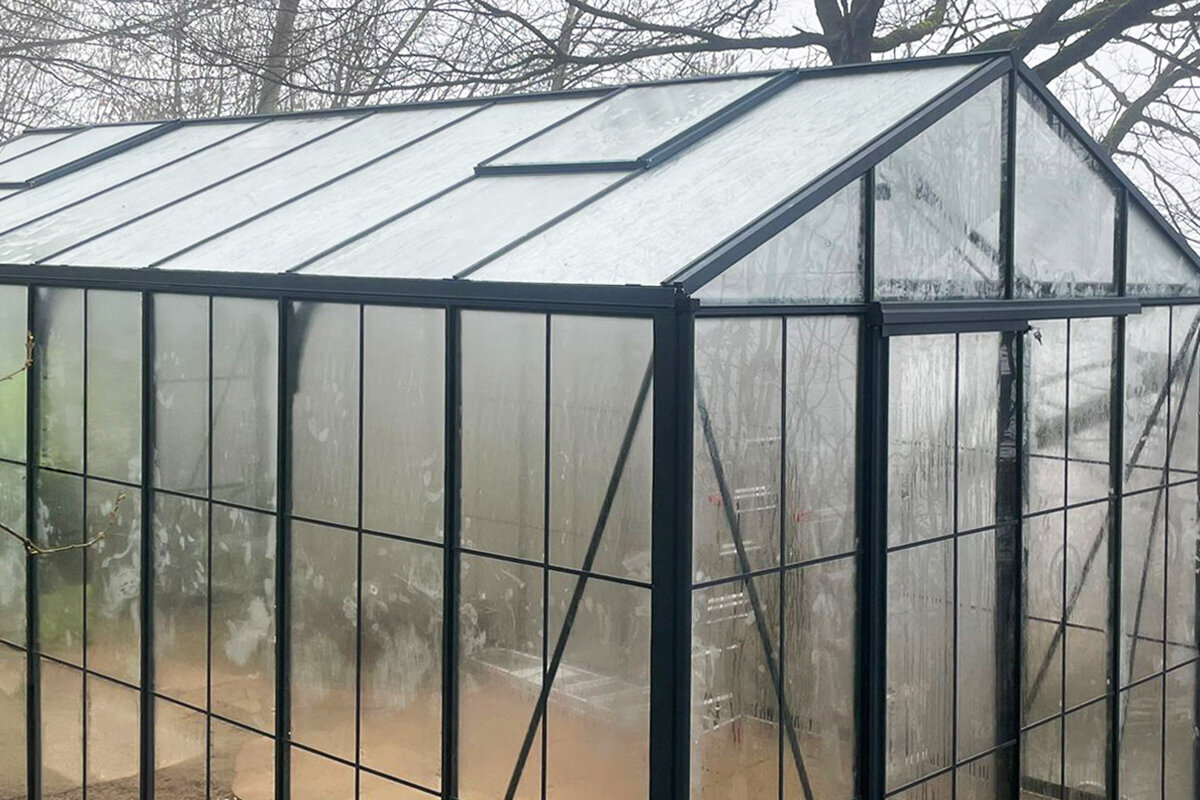
Ireland • Greenhouse Climate Guide • Bloomcabin Journal
Irish greenhouse heat and humidity guide
Shape conditions around the crop, season and time of day, guided by VPD, dew point, ventilation, shade and sensor position.
The environment beneath glass
Glazing does more than warm a garden space. It creates a small, fast-changing environment with its own daily pattern.
Sunshine can quickly push indoor air above outdoor temperature as crops release vapour through transpiration. By evening, foliage, aluminium and glazing cool, RH rises, and cold surfaces may reach dew point. Ireland’s Atlantic climate varies by location: coasts are often windier and more maritime, while inland air frost can occur even in May. Guard against cold nights in spring and vent stored solar heat promptly in summer.
Good management therefore follows relationships, not one thermostat reading. Temperature affects photosynthesis, respiration, flowering and fruit set; humidity shapes transpiration, nutrient transport, pollination, disease pressure and condensation. Air movement alters the boundary layer at leaves, irrigation adds moisture, and shading changes leaf and air temperature.
For home growers, the practical aim is a stable but responsive microclimate suited to the crop. Lettuce and seedlings need different treatment from tomatoes, cucumbers and peppers. Warm sheltered plots, urban gardens, inland sites and exposed coastal locations also call for different routines.
Choose with climate control in mind from the outset. Use the Irish Bloomcabin greenhouse range to compare vent area, height, air volume and glazing, as well as appearance.
01 • Temperature
Which temperature should you aim for?
There is no ideal setting for every crop. In a mixed domestic house, distinguish plants that prefer cool conditions from warmth-loving ones. Lettuce, spinach and many seedlings thrive at lower readings than tomatoes, cucumbers, aubergines, basil, peppers and chillies. The best range also moves with light levels and growth stage.
Many warmth-loving vegetables are comfortable at roughly 20–27 °C by day, with somewhat cooler nights. This is a flexible starting point, not a fixed setpoint. Long-lasting heat can reduce fruit set in tomatoes; peppers may drop flowers after unsuitable days or nights; lettuce bolts more readily when it is too warm.
Base the operating routine on what is planted. Leafy crops can use a cooler area, whereas tomatoes, peppers and basil favour greater warmth. With mixed planting, divide the space sensibly, leave suitable gaps and ensure that ventilation reaches every zone.
Ask this instead
“What range helps this crop grow without temperature or moisture stress?”
02 • Day and night
Why daytime and night-time temperatures require separate interpretation
Daylight powers photosynthesis, and direct sun may warm leaves beyond the surrounding air. Photosynthesis pauses at night, but respiration continues. A moderate difference between day and night is natural. Problems arise if cold nights slow metabolism too far, or if warm nights deny plants a cooler interval in which to recover.
On a clear night, radiative heat loss may cool glazing and foliage below the measured air temperature. Condensation depends on those surfaces, so a leaf can reach dew point while the air sensor still reads several degrees higher.
Greenhouses buffer falling night temperatures in cooler districts, but during warm spells they must also shed heat after dusk. A larger body of air changes more slowly, so designs such as the Bloomcabin Classic therefore develop climate differently from a very small sealed unit.
A min–max thermometer or data logger is especially useful. One midday observation can miss the two readings most likely to explain a plant’s response: yesterday’s maximum and the minimum recorded during the night.
03 • Humidity
How humid should the growing space be?
Simple humidity targets can mislead because RH depends on temperature. Warm air accommodates more water vapour than cool air. When the actual amount of moisture stays constant but temperature falls, RH increases. A house that seemed unremarkable in late afternoon may consequently be almost saturated a few hours later.
The most humid air is often among the plants, not near the doorway. Leaves continually release vapour, and dense foliage restricts movement. A hygrometer by the entrance can therefore report acceptable conditions while the air enclosed by tomato leaves is substantially damper.
Mixed crops are better served by a moderate operating band than by a supposedly perfect percentage. Overly dry air increases evaporative pressure and may promote wilting. Excess humidity slows drying, can hinder pollination in some crops, and raises the likelihood of condensation and fungal disease.
The main rule is to prevent hours near saturation, especially overnight. Dry leaf surfaces and softly moving air usually do more to discourage disease than forcing humidity to match a precise figure throughout the day.
04 • VPD
Reading VPD from the plant’s point of view
Vapour pressure deficit, or VPD, measures how far actual atmospheric moisture lies below the maximum possible at a given temperature. Because the calculation combines temperature and humidity, it describes the drying demand experienced by foliage more usefully than relative humidity considered alone.
A very low VPD means the atmosphere is moist for its temperature. Plants transpire more slowly and their leaves take longer to become dry. A very high VPD creates powerful drying demand, so water leaves the plant rapidly and roots must replace it. The useful range varies between crops and development stages.
Home growers need no commercial control system to understand the pattern. A combined temperature and RH sensor that also works out VPD or dew point is enough to show useful relationships. Crucially, 70 % RH at 12 °C produces different plant conditions from 70 % RH at 30 °C.
In plain language
RH tells you how moist the air is relative to capacity; VPD reflects its drying pull on foliage.
Effective control therefore cannot rest on one reading alone.
05 • Dew point
Why a dry-looking afternoon may end with wet surfaces overnight
Dew point is the temperature at which the air can no longer keep all its moisture as vapour. If glass, metal, pipework or leaves cool below it, water condenses. The coolest material becomes wet first; further cooling may put droplets onto the crop itself.
That water causes more than visual inconvenience. Drops from the glazing may splash compost and plant debris, while sustained leaf wetness creates favourable conditions for Botrytis and other pathogens. Sealing the house each evening in an effort to retain every bit of warmth can therefore intensify dampness.
Leaving the greenhouse wide open all night is not the answer. Combine suitable heating with short, controlled ventilation, circulating air, morning irrigation, clean ground and generous plant spacing.
One myth worth reconsidering
“Rain outdoors means ventilation cannot make the greenhouse any drier.”
That conclusion is not always correct. Cold saturated outside air often contains less total vapour than warm indoor air. Once admitted and warmed, its relative humidity falls and it gains room to absorb moisture from the greenhouse.
06 • Climate by crop
Starting points for common crops
Treat the figures below as useful beginnings for a home greenhouse, not universal commercial targets. Cultivar, growth stage, light, root temperature and local conditions alter what works. Humidity is therefore presented as a practical strategy rather than a deceptively exact percentage.
| Crop | Useful daytime range | Night strategy | Moisture strategy |
|---|---|---|---|
| Tomatoes | About 18–27 °C supports strong growth; sustained heat above roughly 32 °C can hinder pollination and fruit set. | Slightly cooler than daytime; avoid prolonged cold or very warm flowering nights. | Moderate; prevent saturated nights and persistently wet leaves. |
| Cucumbers | Warm; approximately 21–29 °C suits many crops grown at home. | Provide sufficient overnight warmth so growth is not checked. | Tolerates higher humidity, although moving air remains necessary. |
| Peppers and chillies | Approximately 21–27 °C is useful; extremes may reduce fruit set. | Maintain warmth after dark, but avoid consistently hot flowering nights. | Keep moisture moderate, especially during flowering, and prevent condensation overnight. |
| Basil | Warm; roughly 21–29 °C encourages active growth. | Protect against chilly nights; basil is cold-sensitive. | Moderate humidity and airflow; wet leaves invite disease. |
| Lettuce | Cool; around 15–20 °C suits many lettuces better than summer heat. | Cool nights help, provided damaging cold is prevented. | Avoid wet foliage and stagnant humidity. |
| Strawberries | Moderate, with the range depending on cultivar and stage. | Cooler nights suit them; protect flowers from frost. | Keep flowers and fruit dry where possible; maintain airflow. |
| Seedlings | Crop-specific; after germination, favour moderation over constant heat. | Avoid cold roots and warm nights with little light. | Higher humidity may aid germination; reduce it after emergence. |
Refine these reference points with Irish horticultural guidance and, most importantly, what the individual plants are showing you.
07 • Seasons
Following heat and moisture through Ireland’s seasons
Spring
Spring: one warm afternoon does not mean settled growing weather has arrived. Check the overnight minimum and root temperature. Open vents early on bright days because the enclosure can warm quickly despite cool outside air. Conditions differ across Ireland: inland air frost remains possible in May, while coastal gardens often face stronger maritime winds. Cold nights and sudden solar gain both need attention.
Summer
Summer: accumulated heat becomes the leading risk. Start ventilating early, use the available openings fully when needed, keep air moving and add shading during persistent hot weather. In drier spells, watch for high VPD; when the air is humid, pay particular attention to simultaneous heat and moisture.
Autumn
Autumn: moisture control becomes more important. Warm daylight hours load the air with vapour, then evening cooling raises RH and the risk of dew. Reduce watering as light declines, but keep using suitable mild periods to exchange the air.
Winter
Winter: managing temperature solves only half the problem. Low light curbs both growth and transpiration, while closed glazing retains damp air. Decide whether you need simple frost protection, a cool winter crop or fully warm cultivation, because each choice requires a different balance of energy and ventilation.
08 • Air exchange
Ventilation is the greenhouse’s everyday climate control
Ventilation takes out surplus heat and vapour, renews CO₂ and reduces uneven temperatures. With natural flow, warm air rises towards roof vents and cooler outside air enters at doors or lower apertures. Fans can either help replace indoor air or keep it circulating around the crop.
In a domestic greenhouse, roof vents, doors or low-level inlets work best when paired with circulation among the plants. This is generally more effective than one small window. Automatic vent openers are valuable when sunshine arrives and nobody is present to respond.
For easy daily adjustment, compare designs offering practical vents and enough internal air volume, such as the Prestige range or a lean-to greenhouse from Bloomcabin.
How each opening contributes
Roof vents: release hot air rising overhead.
Doors and lower openings: admit replacement air and promote cross-ventilation.
Circulation fans: move indoor air but do not replace ventilation to outdoors.
High tunnels: rely heavily on passive airflow, making generous openings especially important. Another protected option is the Bloomcabin high tunnel greenhouse.
09 • Heat control
Cooling a greenhouse in the right order
Ventilate first. Shading reduces the solar load still arriving, whereas it cannot remove heat already stored, so the two measures work best together. Through an extended hot spell, shade netting or solar-control glazing may benefit seedlings, lettuce and fruit prone to scorching.
Remember the roots. Black pots standing on dark slabs may heat far beyond the surrounding air. Larger containers, mulch, lighter surfaces and even watering help moderate this stress. Do not strip away substantial foliage immediately ahead of very hot weather.
Conditions swing quickly in a compact structure, so air volume matters alongside the particular model. For greater thermal stability and more room to work, compare the Bloomcabin Orangery range.
A practical cooling sequence
1. Vent early through roof openings and doors.
2. Circulate air within the crop.
3. Add shading while solar gain remains excessive.
4. Stabilise moisture and warmth around roots.
5. Move crops away from repeatedly overheated spots.
10 • Moisture control
Lowering excess humidity without stressing crops
Irrigate earlier. Morning watering allows foliage, paths and surfaces time to dry.
Eliminate pooled water. Every puddle continues adding moisture to the air.
Give foliage breathing room. Crowded leaves create humid pockets where disease can start.
Maintain gentle circulation. Steady circulation evens temperature and speeds drying.
Exchange damp air during chilly weather as well. Short ventilation can exchange humid warmth for drier outside air.
Limit surfaces that fall below dew point. Root warmth, insulation and circulation limit cold surfaces.
Avoid unnecessary late irrigation. Keep leaves dry as the night approaches its coolest period.
Remove needless plant growth. Old leaves, weeds and crowding release moisture and impede airflow.
11 • Measurement
Choosing positions that represent the crop’s conditions
Place the main sensor near canopy height, where leaves experience the climate. Keep direct sunlight off it unless suitable radiation shielding is fitted. Readings beside a heater, door, fan outlet or roof vent are unlikely to represent the whole house, unless that exact area is under investigation.
A single sensor often serves a tiny greenhouse, whereas a larger structure can contain distinct zones at its sunny side, shaded side, centre, edges and inside dense foliage. If trouble appears in just one corner, put a second logger there and compare it with the main reading.
For a roomy structure such as the Bloomcabin Orangery several sensors can reveal differences among the sunny end, shade, middle aisle and canopy.
A useful kit reports current temperature and RH, records each day’s minimum and maximum, and ideally supplies dew point or VPD. A logger also shows how rapidly conditions respond to sunrise, watering and vent operation.
12 • Common mistakes
Seven mistakes that distort greenhouse climate decisions
1. Measuring only at noonHumidity commonly peaks before sunrise, the minimum temperature occurs at night, and stressful leaf conditions may arise before an instrument clearly records them.
2. Shutting every vent at duskThis may imprison moisture accumulated through the day. In a heated greenhouse, one short, deliberate air exchange can be preferable to leaving nearly saturated air enclosed.
3. Treating RH as a permanent targetTemperature changes RH, so interpret it with VPD or dew point.
4. Watering whenever a plant wiltsExtreme heat can cause drooping even in wet compost. Check the root area before supplying more water.
5. Overfilling the houseCrowded foliage traps humidity even when the aisle feels comfortable.
6. Leaving a sensor in sunshineSolar heating then warms the instrument itself, producing an unrepresentative air reading.
7. Planning for averages alonePrepare for sudden sunshine, a cold night and an afternoon heatwave, rather than designing the routine around monthly averages.
13 • FAQ
Questions about greenhouse warmth and moisture
How hot is too hot under glass?
It varies by crop. In a greenhouse containing several vegetables, sustained readings approaching 30–35 °C or higher bring a marked increase in heat stress. Flowers, pollination and developing fruit often suffer before established leaves reveal obvious damage.
Is ventilation worthwhile during rain?
Frequently, especially when moisture is trapped in a heated house. Cool saturated air outside may contain less vapour in total than warm air indoors. Bringing it inside and heating it lowers its RH, enabling it to take up additional water.
When is greenhouse humidity too high?
The percentage alone is not decisive. Concern increases when cooling brings leaves near dew point and keeps them wet for hours. A brief humidity peak generally presents less danger than maintaining almost saturated conditions throughout the night.
Do I need a fan?
Not necessarily in every small greenhouse. It becomes more useful as the canopy thickens, because it disperses still pockets. However, circulating indoor air cannot substitute for roof vents, doors or another route for exchanging air with outdoors.
Is a larger greenhouse easier to regulate?
More enclosed air usually warms and cools more slowly than the air in a very small structure. Nevertheless, vent capacity, glazing, orientation, exposure to wind and crop density still matter. A large greenhouse can also overheat if its openings are inadequate.
A weekly climate routine
Five minutes of observation can prevent weeks of crop trouble
1. Record last night’s minimum and yesterday’s maximum.
2. With two sensors, compare aisle humidity with the canopy.
3. Check morning leaves and glazing for condensation.
4. Confirm that automatic vents operated when conditions required it.
5. Test root-zone moisture before changing the watering routine.
6. Watch for flower drop, weak growth, curled leaves, wilting, marks or slow ripening.
For structural planning, see Bloomcabin’s local greenhouse category and Classic greenhouse.
Drawing the observations together
A sound greenhouse climate follows a controlled rhythm, not a number
A greenhouse lets you shape temperature, light, airflow and humidity more actively than an outdoor plot. Its construction does not manage those elements by itself. The outcome comes from coordinating vents, doors, shade, irrigation, plant spacing, circulating air and reliable observations.
Consider maxima, minima, changing humidity, dew point and plant behaviour together. Doing so shifts attention from reacting to wilted foliage or dripping panes towards preventing the circumstances that cause either problem.
Explore Bloomcabin greenhousesSources and further reading
- Bavarian LWG: small greenhouses
- Bavarian LWG: ventilation in mini greenhouses
- Bavarian LWG: vegetable damage symptoms under glass
- Bavarian LWG: excessive humidity in small greenhouses
- Wageningen UR: greenhouse horticulture climate
This guide addresses greenhouse growing at home in Ireland. Its temperature ranges are starting points, not universal production targets. Adjust them for the cultivar, growth stage, site, greenhouse design, root environment and reactions of your crops.
