
Is Your Old Aluminium Greenhouse Worth Refurbishing?
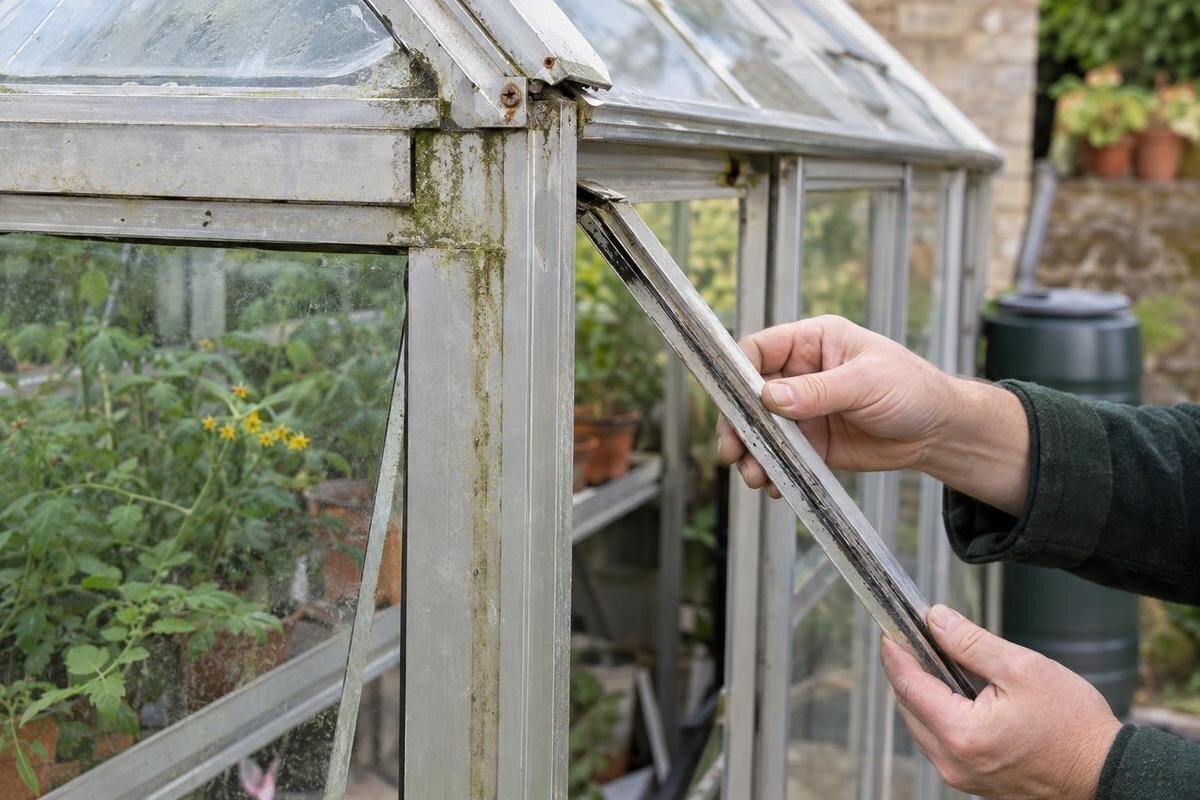
Greenhouse repair and refurbishment
An old aluminium greenhouse is not automatically beyond repair, and a tidy exterior does not prove that its frame is sound. Before buying parts, assess four separate questions: are the frame and base serviceable; how much glazing needs attention; do doors, vents and fittings work; and can exact parts be identified and obtained? A documented assessment is more useful than a decision based on age or one damaged pane.

What makes refurbishment worthwhile?
Age alone does not determine whether refurbishment is worthwhile. An older greenhouse may still have a serviceable main frame and a few identifiable faults; a newer one can be difficult to restore if its frame is distorted or essential parts cannot be identified. Ask whether the proposed work could return it to a stable, useful condition and whether the scope can be described before spending begins. The value of its present layout matters too: if it fits the plot and the way you garden, that is a reason to assess it carefully, not proof that repair is worthwhile. If your needs have changed, refurbishment may preserve a layout that no longer suits you. Consider what you need the greenhouse to do, as well as how it looks.
Look at the combined condition, not one striking defect. A broken handle, an isolated damaged pane and multiple bent members are very different repair scopes. Make a first-pass list under four headings: frame and base, glazing, doors and vents, and parts supply. Label each point as visible, confirmed from records or professional review, or unknown. That last category matters: if the model is unclear or the base has not been assessed, a parts list or repair estimate may be incomplete. Note previous repairs and recurring faults too; a temporary adjustment does not prove that the underlying issue is resolved. Keep cosmetic work separate from possible structural concerns.
Identify the greenhouse before sourcing parts
Look for manufacturer and model information on the greenhouse itself, in its manual, installation paperwork, original order confirmation, receipts or emails. Record the model name, any serial or product code, the approximate purchase date and any documented changes. A roof shape, colour or rough measurement is not enough to identify a model revision reliably; similar models can use different parts. If the label is missing, say so rather than guessing. Send clear, safe photographs of the full structure and visible labels to the manufacturer or parts supplier, and keep track of which details came from records and which are estimates.
Before taking anything apart, collect overview images from each side and close-ups of the affected area, its position, nearby connection points and any stamped or printed number. Describe what has changed and when you noticed it; do not handle damaged glass or climb to reach a label. Measure accessible parts only when the supplier or manual asks for a specific measurement, and record what you measured rather than silently rounding it. Ask for the exact part identifier, the relevant model or revision and confirmation that the part suits your greenhouse. Keeping the reply with your photographs helps prevent an order based only on appearance.
Inspect the frame without disturbing it
Inspect aluminium members and joints from ground level or another safe position. Look for a bent or twisted bar, a cracked member, an open connection, a missing or loose fastener, pitting, staining or a section that appears to have shifted. Note the location of each issue and whether similar signs occur elsewhere; an isolated mark is not the same finding as repeated distortion. A quick sketch can help identify which side, corner or roof area a photograph shows. Do not climb on the structure, lean against it or push members to test their strength. Leave high or obstructed areas for a qualified installer to assess safely.
Separate surface marks from concerns about shape or joints in your notes. Dirt or a small finish mark does not by itself establish damage to a frame member, while a visible bend, crack or separated joint merits closer attention. Do not straighten, drill, cut, brace or replace a structural member on guesswork; use the model manual and have an installer review uncertain areas. If that review points towards replacement, include the Aluminium Classic Greenhouse in your whole-greenhouse comparison. Keep the two options separate: identify the work needed to retain the existing frame, then compare it with the requirements for a complete replacement rather than assuming individual components are interchangeable.
Check the base and alignment separately
Treat the base and the frame’s connection to it as part of the same assessment, but record them separately. From a safe position, note visible gaps, shifted connections, leaning, movement, cracked support surfaces or signs that one side sits differently from the other. These are observations, not proof of the cause. A door that has started rubbing or a vent that no longer sits as it did may relate to a hinge, frame alignment or movement at the support; the symptom alone cannot distinguish them. Photograph the area and avoid forcing a door or trying to level the greenhouse by hand.
Ask an installer to assess the relationship between frame, base and openings before approving work that depends on alignment. A replacement greenhouse may have different installation requirements, so do not assume it will fit an existing base because its footprint looks similar. If you are considering a different layout, the aluminium lean-to greenhouse is one model to assess against the site and its own documentation. Record any base work separately in the replacement estimate. This makes the comparison clearer: retaining an old greenhouse may involve correcting its support, while replacing it does not automatically remove the need to assess the existing base.

Assess glazing safely
Make a pane-by-pane or panel-by-panel record without touching anything cracked, loose or unstable. Note whether the affected area is on the roof or a side, whether a unit is missing, cracked, chipped or loose, and whether the greenhouse uses glass or a plastic panel if you can identify it from records. Count the affected units rather than describing the problem only as a general area. Do not try to remove or reposition broken glazing. Keep people away from an area where it may fall and ask a suitably qualified installer to deal with unsafe glass. A photograph taken from a safe position is more useful than an approximate description such as one roof pane.
Glazing compatibility is not established by appearance alone. The exact model, panel type, dimensions and fixing method may all matter, so check the manual or ask the supplier what identifiers are needed. Distinguish one confirmed replacement from a broader pattern; if many panels are damaged, assess and price the full scope before assuming that individual replacements will resolve it. You can include the Limited Edition Aluminium Greenhouse when comparing complete replacements, but keep that enquiry separate from sourcing panes for the existing structure. For the repair estimate, list each affected panel and leave unconfirmed specifications clearly marked until identification and safe handling arrangements are settled.
Check doors, vents and moving fittings
Check doors, roof vents and other moving fittings by observing their normal operation only if they can be reached safely. Record whether a door catches, sags, slides unevenly or will not latch; note a vent that does not open or close as expected, and any visibly missing or damaged hinge, handle, runner or stay. Do not force a stiff part: that can worsen damage or put pressure on glazing. The manual may describe an adjustment or replacement procedure, but if the frame appears distorted or glass is affected, ask an installer to determine the cause before attempting an adjustment.
Photograph each fitting in place and note its position, orientation, markings and any part number. Keep removed pieces only if they have already come away safely. A visually similar handle or hinge is not necessarily a confirmed match, and drilling a new fixing or improvising a fastener can alter the assembly. Ask for a model-specific part or an approved alternative. If several fittings are unavailable, compare the complete repair scope with replacing the greenhouse. A model such as the T-Model Orangery Greenhouse belongs in that separate comparison. Assess whether a replacement meets your access and ventilation needs, rather than choosing solely to resolve the old greenhouse’s hardware problems.
Confirm spare-part availability before booking work
Establish part availability before labour is booked or a panel is ordered. Use the identification record assembled earlier to ask the supplier about each required item, rather than making a general enquiry about spares for an old greenhouse. Ask whether the code is correct for the model and revision, whether the part is available, and whether any proposed substitute is confirmed for that exact assembly. If only a drawing is available, identify the part by its label in the drawing rather than by an informal name. Record the reply against each item so that confirmed matches remain distinct from unanswered enquiries or suggestions based only on appearance.
Ask whether the quoted component is supplied on its own or with the clips, fasteners or other items needed for the stated repair, and whether the manual calls for a matching set. Do not assume that a part for a newer greenhouse will fit because it serves the same function. If the exact spare cannot be identified or is no longer offered, set a limit on further searching. At that point, a complete model such as the Pyramid Greenhouse can enter the replacement comparison. Keep unresolved parts enquiries visible in the repair estimate, so an incomplete list does not make refurbishment appear cheaper than it is.
Compare the complete repair cost
Ask for a repair estimate that separates confirmed work from provisional work. It should make clear which parts have been identified, which glazing or fittings are included, and what labour, safe access, removal and disposal are covered. If an installer has not inspected the frame or base, ask what the estimate excludes and whether more work could be needed once the area is assessed. Several small part prices can understate the total if access, alignment or removal is also involved. Comparing the same scope of work is more informative than comparing a parts list with a complete installation estimate.
Set the repair estimate beside the costs and work involved in full replacement: supply, installation, any preparation or adjustment to the base, and removal of the old greenhouse where relevant. Use the same assumptions for both options, and show uncertain frame or glazing work separately rather than treating it as settled. If storage is part of your decision, include the Aluminium Greenhouses with Storage – Limited Edition in your comparison. Distinguish the cost of restoring the existing growing space from the cost of choosing a different layout with storage; otherwise, you may be comparing a repair with a broader change to how you use the greenhouse.
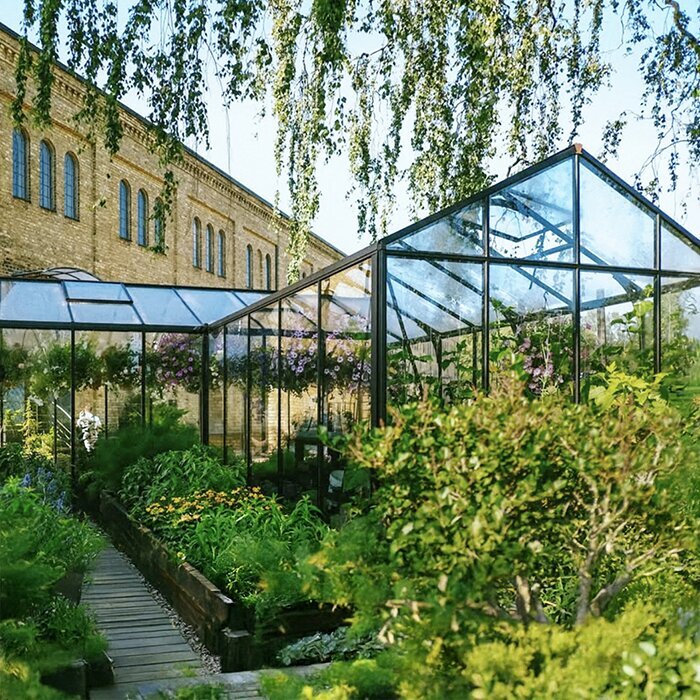
When replacement deserves serious consideration
Replacement deserves serious consideration when concerns affect several frame members, the support or alignment remains unresolved, glazing damage is widespread, or key fittings and parts cannot be matched. Several moderate issues can add up even if no single one looks dramatic. At the same time, one broken pane or a worn handle does not by itself make an otherwise serviceable greenhouse uneconomic. Where structural stability or unsafe glazing is involved, use an installer’s assessment to establish which concerns can be resolved and which remain uncertain. The important distinction is between a defined repair and work whose extent is still unknown.
Before choosing a replacement, write down what the greenhouse needs to do: its usable area, access route, position on the plot, ventilation or storage requirements, and whether the existing support can be reused. Then compare actual product documentation and installation requirements rather than model names or photographs. If you shortlist the Bloomcabin Prestige Greenhouse, assess it against those same requirements, including dimensions and site conditions. Record which needs are met and which questions remain open for the installer. This keeps replacement focused on a greenhouse that suits the plot and your gardening, rather than simply finding something that resembles the old structure.
Record the evidence before deciding
Bring the findings together on one page. For each issue, record its location, what you observed, how it was verified, the related model or part code, and who needs to answer any remaining question. Number photographs against that list, and mark estimates as confirmed, provisional or not yet obtained. This makes it easier to see whether refurbishment is one defined job or a bundle of unrelated uncertainties. It also gives a parts supplier or installer useful context without relying on a vague description such as the old greenhouse is falling apart.
Use the completed record to compare the options on the same basis. For refurbishment, identify what will be retained, what will be replaced and which questions still affect the estimate. For replacement, record the model being considered and the associated installation and removal work. If the Spacious Greenhouse is on your shortlist, assess it against your measured space and installation needs rather than treating it as a direct substitute for the old greenhouse. Keep the relevant estimates and supplier replies with the condition record, so you can see what each option includes and why you preferred it.
Frequently asked questions
Does the greenhouse’s age tell me whether it is worth refurbishing?
No. Age is only context. The condition of the frame and base, the amount of glazing affected, the state of the fittings and the availability of exact parts all matter. An older greenhouse with a limited, identifiable repair may merit assessment, while a newer one with widespread damage may not.
Can I order a replacement pane by measuring the opening?
Do not rely on a rough opening measurement. The panel type, exact dimensions, fixing arrangement and greenhouse model may all matter. Check the manual or ask the supplier what information is needed. Do not remove or handle broken glass yourself; have unsafe glazing assessed by a qualified installer.
What should I send when asking for a spare part?
Provide the manufacturer, model and serial or product code if available, along with any manual or drawing reference, part number and clear photos showing the item in context. Include measurements only if requested. Ask the supplier to confirm compatibility with the exact model or revision, and identify any details you are unsure about.
Does a door that sticks mean the frame is damaged?
Not necessarily. A hinge or other fitting may be involved, but a change in alignment or support can also affect how a door moves. Note where it catches and whether the problem is new. Do not force it; ask an installer to assess the cause if the frame appears shifted, glazing is affected or the reason is unclear.
When should I consider replacement rather than refurbishment?
Compare replacement when several frame, glazing or hardware issues occur together, the condition of the frame or base remains uncertain, or exact parts cannot be confirmed. One isolated fault does not settle the question. Compare a defined repair estimate with the work involved in replacement, and ask an installer to review structural or unsafe glazing concerns.
A refurbishment is worth pursuing when you can define what will stay, what needs replacing, which parts fit and whether the frame and base have been assessed. If those answers are still unknown, gather the records or arrange an installer’s review before ordering speculative parts. The right outcome may be a small repair, a broader restoration or a replacement; a clear condition assessment helps distinguish between them.
